










Key points
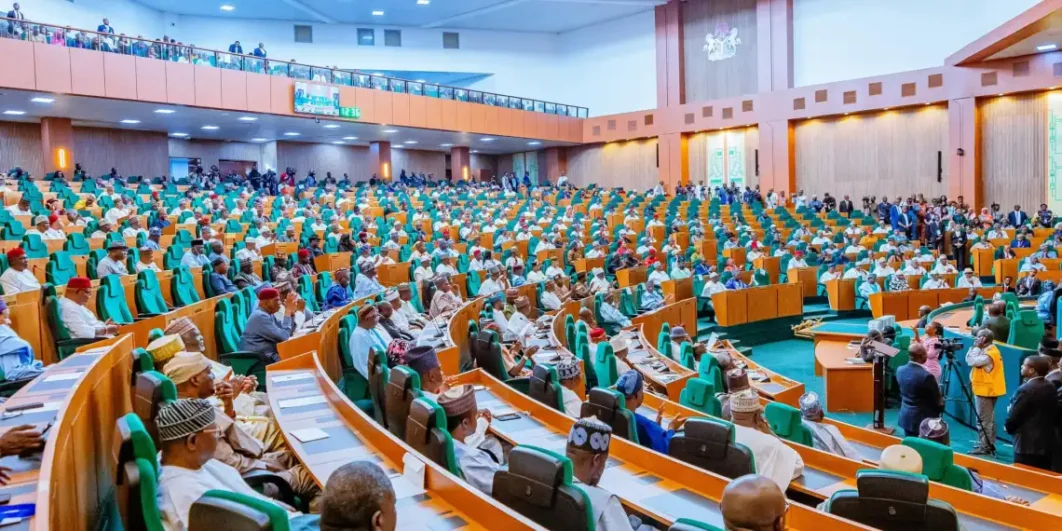
- A bill before the House of Representatives seeks to establish the National Council for Traditional Rulers of Nigeria through an Act of Parliament.
- The proposed law aims to strengthen traditional institutions and promote peace, unity and social cohesion.
- It provides for state and local government traditional councils, a national register of traditional rulers and a judicial committee.
- The sponsor has urged stakeholders to support the bill during the public hearing process.
Main story

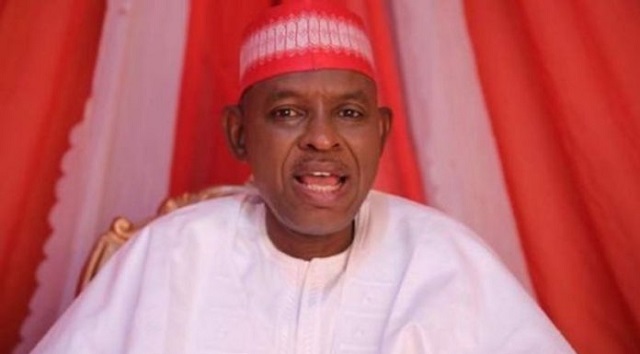
A member of the House of Representatives, Abdulmumin Ari (APC-Nasarawa), has called on stakeholders to support a bill seeking to establish the National Council for Traditional Rulers of Nigeria (NCTRN) through an Act of Parliament.
In a statement issued on Sunday, Ari said the proposed legislation, which has passed second reading in the House, would provide a legal framework for the council’s operations and strengthen the role of traditional institutions in promoting national unity and social cohesion.
According to the lawmaker, traditional rulers remain custodians of culture, values and customs and play a vital role in maintaining peace and fostering harmonious coexistence across communities.
He said the National Council for Traditional Rulers of Nigeria, which was registered with the Corporate Affairs Commission as an Incorporated Trustee in 2013, currently serves as the umbrella body for traditional rulers but lacks statutory backing.
Ari, who chairs the House Committee on Traditional Institutions, said the bill would establish a national register of traditional rulers and create state and local government traditional councils with clearly defined standing orders to regulate their operations.
The proposed legislation also provides for a judicial committee within the council to hear disciplinary matters involving traditional rulers.
Under the bill, any proposal to remove a traditional ruler from office would first be referred to the council’s judicial committee for consideration and approval.
Ari described the measure as an important step toward strengthening traditional institutions and enhancing their contribution to national peace, stability and development.
He urged stakeholders to actively support the bill, particularly during the forthcoming public hearing.
The issues
Traditional rulers continue to play influential roles in community leadership, conflict resolution and cultural preservation despite having no constitutional governance role. Giving the national council statutory recognition could strengthen coordination among traditional institutions, although aspects such as disciplinary powers and involvement in the removal of traditional rulers may attract debate over their relationship with state governments and existing laws.
What’s being said
“The bill seeks to create a register of traditional rulers in the country and to advance the role of traditional institutions in maintaining national stability, peace and unity.” — Abdulmumin Ari.
What’s next
The bill will proceed to the public hearing stage, where stakeholders are expected to make submissions before lawmakers consider it for a third reading and possible passage.
Bottom line
The proposed legislation seeks to formalise the role of Nigeria’s traditional rulers through a statutory national council, with supporters arguing it will strengthen peacebuilding and institutional coordination across the country.








, has called on stakeholders to support a bill seeking to ...)