






Key points
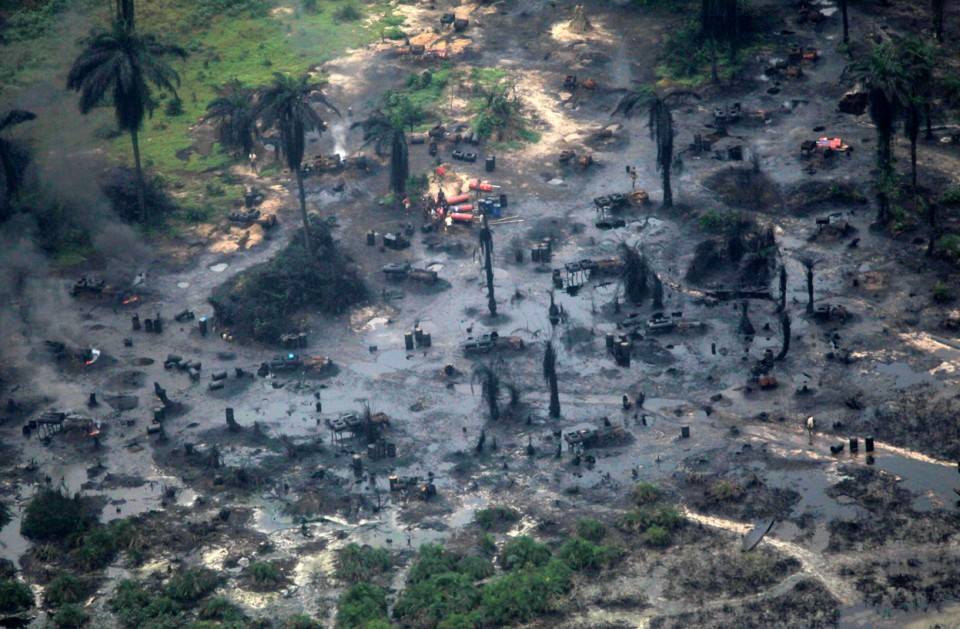
- Oil-producing host communities across the Niger Delta are demanding comprehensive ecological restoration for degraded lands and waterways.
- The call was made in Port Harcourt at a dialogue hosted by Oilwatch International under the theme “From Environmental Damage to Ecological Restoration.”
- Advocates urged communities to meticulously document spill dates, photos, and Joint Investigation Visit (JIV) reports to strengthen restoration claims.
- Community delegates inaugurated a regional steering committee to present a formal charter of demands to oil multinationals and government agencies.
Main story

Oil-producing host communities in the Niger Delta have called for the immediate, full-scale ecological restoration of degraded farmlands and polluted waterways, citing severe health crises and lost rural livelihoods.
The resolution was reached during a community network and assembly dialogue organized in Port Harcourt by Oilwatch International. Speaking at the event, Oilwatch Coordinator and Environmental Rights Action (ERA) Programme Manager, Kentebe Ebiaridor, stated that environmental advocacy in the region must pivot from merely reporting pollution incidents to driving active, practical ecological recovery.
Ebiaridor explained that while decades of campaigning exposed widespread oil spills, gas leaks, and gas flaring, affected populations now require tangible ecosystem remediation to rebuild their local agrarian and fishing economies. He assured participants that civil society groups will keep pushing environmental issues to the forefront, even as political attention shifts toward the upcoming 2027 general elections.
Chief Operating Officer of Environmental Conservation Agriculture and Rural Development (ECARD), Alagoa Morris, highlighted the importance of evidence gathering. Drawing on two decades of volunteer-led spill monitoring, Morris advised community representatives to keep precise archives of spill locations, dates, photographic evidence, and Joint Investigation Visit (JIV) reports to back up remediation demands.
Community delegates detailed ongoing health and economic challenges stemming from environmental degradation. Representatives from the Bille Kingdom in Degema Local Government Area reported severe health issues linked to uncontained gas leaks that have fouled air quality and ruined local fishing grounds. Similarly, delegates from Obelle and Ibaa in Emohua LGA, as well as representatives from Bayelsa and Enugu states, reported active gas leaks, persistent flaring, heavy flooding, and unusual phenomena, including gas bubbling out of local water bodies.
The assembly concluded with participants agreeing to deepen grassroots environmental monitoring, step up evidence documentation, and launch a dedicated regional committee to present a formal charter of demands to oil companies and regulatory authorities.
The issues
The shift toward demanding full ecological restoration highlights growing frustration among Niger Delta communities over traditional financial compensation models. Compensation payouts rarely repair ruined soil chemistry or contaminated groundwater, leaving residents trapped in degraded environments long after cash settlements are spent. Moreover, as major international oil companies divest from onshore assets to move offshore, host communities face the real risk that legacy environmental liabilities will be left abandoned without comprehensive, independent cleanup frameworks.
What’s being said
“The assembly provides an opportunity for affected communities to identify their environmental challenges and agree on measures to reclaim their environment.” — Kentebe Ebiaridor, Coordinator, Oilwatch International
“Environmental justice goes beyond compensation and includes restoring degraded ecosystems so that communities can regain healthy land and water for sustainable livelihoods.” — Alagoa Morris, Chief Operating Officer, ECARD
What’s next
The newly inaugurated community committee, alongside Oilwatch International, will draft and present a unified charter of demands to the Federal Ministry of Environment, the National Oil Spill Detection and Response Agency (NOSDRA), and operating oil companies.
Bottom line
Host communities in the Niger Delta are raising the bar for environmental justice, moving beyond cash compensation to demand complete ecological restoration of their lands and waters.