







Key points
- Professor Nasir Fagge called for inclusive consultation on Nigeria’s proposed solar panel import restrictions.
- The policy aims to align renewable energy access with local manufacturing mandates under Executive Order 5.
- Stakeholders warned against sudden import barriers while local supply chains and component manufacturing remain underdeveloped.
- Experts emphasized leveraging domestic mineral reserves, including lithium and rare earths, to support indigenous production.
Main story

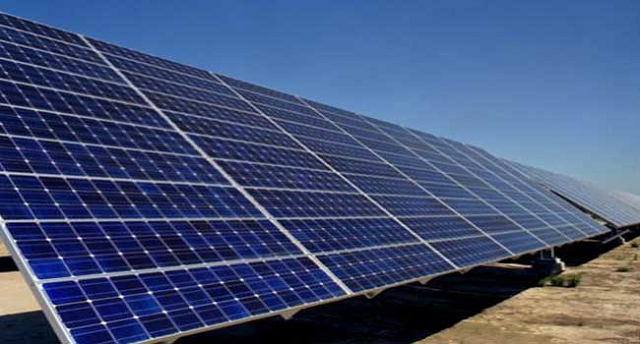
Energy experts and academic leaders are pressing the Federal Government to broaden consultations before finalizing a national policy to restrict solar panel imports.
The Director of the Centre for Renewable Energy and Sustainable Transitions at Bayero University Kano, Professor Nasir Fagge, made the call during a multi-stakeholder policy forum in Kano. The engagement was organized to evaluate the Federal Ministry of Innovation, Science and Technology’s proposed framework, which seeks to balance clean energy access with domestic manufacturing incentives.
Fagge noted that the proposed policy aligns with Presidential Executive Order No. 5, a directive intended to prioritize local content in science, engineering, and industrial technology. Supporters argue the strategy will encourage domestic production of solar components and lithium-ion batteries by utilizing Nigeria’s reserves of critical minerals and rare earth elements.
However, several industry operators at the gathering criticized the sudden rollout, warning that strict import limits could raise equipment costs and slow down solar adoption. Responding to these concerns, Fagge acknowledged that while transitioning toward self-reliance is necessary for long-term growth, policy execution requires clear timelines and industry input to avoid crippling existing markets.
Recommendations generated during the summit will be synthesized into a policy document and submitted to relevant government agencies to guide the final legislation.
The issues
The friction over solar import rules highlights the tension between Nigeria’s industrialization goals and its immediate need to bridge energy deficits through off-grid renewables. Enforcing strict import barriers before local production scales up risks driving up deployment costs for businesses and homes. Conversely, relying indefinitely on foreign technology leaves the domestic economy vulnerable to global supply disruptions and misses an opportunity to build a local clean-tech supply chain.
What’s being said
“Every country first examines the resources available within its borders and develops plans on how best to address its energy and environmental needs using those resources. Only when it becomes clear that such resources are unavailable should a country seek external support.” — Nasir Fagge, Director, Centre for Renewable Energy and Sustainable Transitions, BUK
“The aim is to aggregate the opinions of stakeholders and develop a policy document that accommodates their contributions, enabling everyone to understand the issues and make informed decisions.” — Nasir Fagge, Director, Centre for Renewable Energy and Sustainable Transitions, BUK
What’s next
The Centre for Renewable Energy and Sustainable Transitions will consolidate feedback from the Kano session into a policy report for submission to the Federal Ministry of Innovation, Science and Technology.
Bottom line
Nigeria’s push for domestic solar manufacturing hinges on whether policymakers can protect growing local industries without restricting access to affordable renewable energy.