






Key points
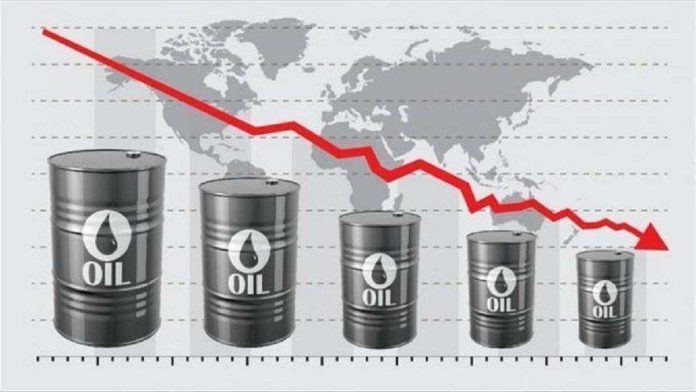
- Global crude oil prices declined despite renewed hostilities between the United States and Iran.
- Brent crude fell to about $76 per barrel, while West Texas Intermediate (WTI) dropped to around $71.
- The decline followed a brief price surge after renewed military action in the Middle East.
- Markets appear to be easing concerns over potential supply disruptions.
Main story
Global crude oil prices retreated on Thursday, reversing part of the gains recorded after renewed military tensions between the United States and Iran.
Market data showed Brent crude falling by about two per cent to around $76 per barrel, while West Texas Intermediate (WTI) also declined by roughly two per cent to trade near $71 per barrel.
The latest decline comes after oil prices briefly rallied following reports of renewed hostilities involving both countries.
Earlier, U.S. President Donald Trump announced an end to the ceasefire with Iran, triggering concerns about possible disruptions to global oil supplies and pushing crude prices higher.
The situation escalated after the United States carried out fresh airstrikes against Iran, prompting retaliatory attacks by Iran targeting U.S. allies, including Bahrain, Kuwait and Qatar.
Despite the renewed conflict, the market pared earlier gains as traders assessed the broader impact of the developments on global energy supplies.
The issues
Geopolitical tensions in the Middle East remain a major driver of global oil prices because the region accounts for a significant share of the world’s crude production and exports. While conflict often pushes prices higher over fears of supply disruptions, markets can reverse those gains if traders believe production and exports will remain largely unaffected.
What’s being said
“Brent and West Texas Intermediate crude declined by about two per cent despite renewed hostilities between the United States and Iran.”
What’s next
Investors will continue monitoring developments in the Middle East, particularly any escalation that could disrupt oil production, shipping routes or exports, all of which could trigger fresh volatility in global energy markets.
Bottom line
Although renewed U.S.-Iran tensions initially lifted oil prices, markets have since eased, suggesting traders are not yet pricing in a major disruption to global crude supplies.