








By Boluwatife Oshadiya | July 10, 2026
Key Points
- The naira appreciated to ₦1,378.43/$ at the official foreign exchange market
- FX turnover declined more than 62% as interbank demand weakened
- The parallel market weakened to ₦1,400/$ amid stronger demand outside the official window
Main Story
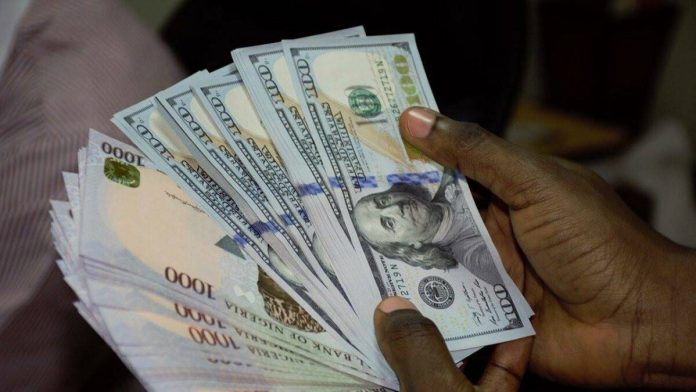
The naira appreciated marginally against the United States dollar at the Nigerian Foreign Exchange Market (NFEM) on Thursday as reduced demand for foreign currency eased pressure on the official market.
Official data showed the local currency strengthened to ₦1,378.4313 per US dollar, improving from ₦1,379.0675 recorded in the previous trading session.
The appreciation coincided with a sharp decline in foreign exchange activity among banks, with market turnover falling significantly despite the absence of direct dollar interventions by the Central Bank of Nigeria (CBN).
According to official market data, total FX turnover dropped by more than 62% to $78.71 million, compared with $208.09 million traded on Wednesday. The number of completed transactions also fell to 106 deals, down from 150 deals, reflecting reduced participation by authorised dealers and market makers.
The slowdown in dollar demand enabled the naira to recover modestly within the official market, suggesting that recent liquidity conditions remain supportive of exchange rate stability.
However, sentiment differed in the parallel market, where the naira weakened to approximately ₦1,400 per US dollar as demand for foreign currency outpaced available supply.
Globally, the US dollar maintained its strength against most major currencies amid renewed geopolitical tensions in the Gulf, which boosted safe-haven demand. The Japanese yen remained under pressure, while the euro traded around $1.1426 and the British pound hovered near $1.3392.
Meanwhile, precious metals traded with a firmer tone, with gold recovering above $4,090 after briefly falling below $4,022, while silver rebounded towards $59 per ounce.
What’s Being Said
Currency analysts say the moderation in official market demand indicates improving liquidity conditions, although sustained exchange rate stability will depend on continued FX inflows, foreign portfolio investment and disciplined monetary policy.
What’s Next
- Investors will monitor future CBN foreign exchange interventions and liquidity management measures.
- Market participants are expected to watch upcoming inflation data for clues on monetary policy direction.
- Global geopolitical developments and movements in oil prices could continue influencing dollar demand and exchange rate dynamics.
Bottom Line:
The naira’s modest appreciation at the official market reflects easing short-term demand pressures rather than a structural shift in Nigeria’s foreign exchange market. Sustained stability will depend on stronger FX supply, improved investor confidence and consistent monetary policy support.



 on Thursday as reduced....)