








Key points
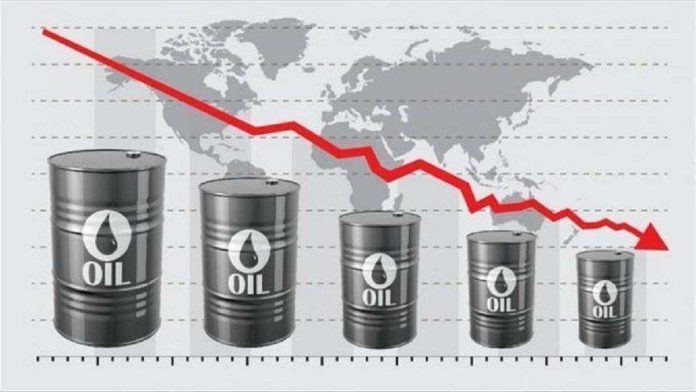
- Petroleum Minister Heineken Lokpobiri has urged marketers to reduce fuel prices in line with falling global crude oil prices.
- He says there is no justification for pump prices to remain high despite lower Brent crude prices.
- The Federal Government prefers dialogue with industry operators rather than imposing price cuts.
- The minister directed NMDPRA to strengthen market surveillance and enforce pricing transparency.
Main story
The Minister of State for Petroleum Resources (Oil), Sen. Heineken Lokpobiri, has called on petroleum marketers to reduce the pump prices of petroleum products to reflect the recent decline in global crude oil prices.
Lokpobiri made the call on Monday at a stakeholders’ meeting on cost-reflective pricing of petroleum products organised by the Nigerian Midstream and Downstream Petroleum Regulatory Authority (NMDPRA) in Abuja.

He said the meeting was convened to build consensus among industry stakeholders on reducing the prices of Premium Motor Spirit (PMS), also known as petrol, and other petroleum products in line with prevailing market conditions while protecting investments in the downstream sector.
The minister noted that marketers increased pump prices when international crude oil prices rose and said the same principle should apply now that prices had fallen.
“There is no justification why pump prices should not reflect the current market situation,” he said.
Lokpobiri said Brent crude, which rose above $118 per barrel in April following geopolitical tensions in the Middle East, had since declined to about $70 per barrel after tensions eased.
He said the Federal Government preferred dialogue and consensus-building with industry operators rather than imposing measures that could prove difficult to enforce.
The minister reaffirmed the government’s commitment to the deregulation of the downstream petroleum sector but stressed that deregulation should not become an avenue for excessive profiteering.
He directed the NMDPRA to strengthen market surveillance, enforce pricing transparency across the petroleum supply chain and ensure reductions in costs were reflected in ex-depot and retail prices.
Lokpobiri also urged the regulator to accelerate the operationalisation of the National Strategic Stock to improve energy security, minimise supply disruptions and moderate price volatility.
The issues
The decline in international crude oil prices has renewed calls for lower domestic petrol prices under Nigeria’s deregulated downstream petroleum market. While marketers adjusted prices upward during periods of rising crude prices, consumers and government officials argue that falling global oil prices should also translate into lower pump prices. The government’s engagement with industry stakeholders is aimed at achieving cost-reflective pricing without undermining investments in the sector.
What’s being said
“There is no justification why pump prices should not reflect the current market situation.” — Heineken Lokpobiri, Minister of State for Petroleum Resources (Oil)
“We have invited all stakeholders to discuss how to build consensus on bringing prices in line with current economic realities.” — Heineken Lokpobiri
What’s next
The NMDPRA and industry stakeholders are expected to continue consultations following their closed-door meeting to agree on measures that will align ex-depot and retail fuel prices with prevailing market conditions while maintaining stability in the downstream petroleum sector.
Bottom line
Lokpobiri is pressing marketers to pass on the benefits of lower global crude oil prices to consumers, signalling the government’s push for cost-reflective fuel pricing under the deregulated petroleum market.









, Sen. Heineken Lokpobiri, has called on petroleum marketers to reduce the pump ...)