









Key points
- SERAP criticises Federal High Court’s reported revocation of bail granted to activist and journalist Omoyele Sowore over alleged cyberbullying charges linked to posts about President Bola Ahmed Tinubu.
- The organisation alleges escalating harassment, including a reported bench warrant issued by the Department of State Services (DSS).
- It warns that the development could undermine press freedom, judicial fairness and civic advocacy in Nigeria.
Main story
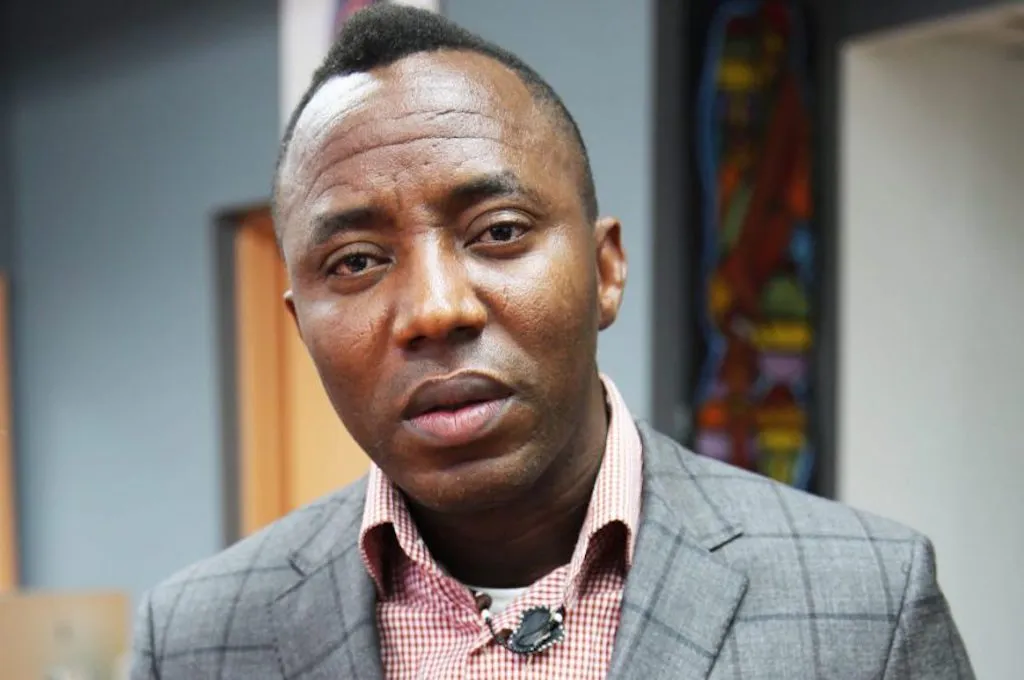
The Socio-Economic Rights and Accountability Project (SERAP) has raised alarm over the reported revocation of bail granted to activist and journalist Omoyele Sowore by the Federal High Court in Abuja, following allegations of cyberbullying linked to social media commentary on President Bola Ahmed Tinubu.
SERAP also expressed concern over reports that a bench warrant had been issued for Sowore’s arrest in connection with charges filed by the Department of State Services (DSS).
In a statement issued by its Deputy Director, Kolawole Oluwadare, the organisation described the development as part of what it termed a growing pattern of reprisals against Sowore for his human rights advocacy, journalism, and criticism of public officials.
SERAP argued that the actions taken against the activist raise serious concerns about the use of judicial processes in ways that may discourage legitimate expression and civic engagement.
The issues
SERAP warned that the reported revocation of bail and related legal actions could have far-reaching implications for constitutional freedoms, particularly freedom of expression and access to information.
The organisation said such measures risk creating a “chilling effect” on journalists, activists, civil society groups, and citizens who engage in public-interest advocacy.
It further stressed that criticism of government officials is a core feature of democratic governance and that public office holders must be subject to higher levels of scrutiny.
SERAP also raised concerns about due process, selective enforcement of the law, and the protection of personal liberty as guaranteed under Nigeria’s 1999 Constitution (as amended), noting that bail is a fundamental safeguard tied to the presumption of innocence.
What’s being said
SERAP maintained that the ongoing legal actions against Sowore appear to reflect a broader pattern of intimidation of critics under the current administration.
The organisation argued that such practices, if unchecked, could weaken judicial independence and erode public confidence in the rule of law.
It insisted that legal instruments must not be used to silence dissent or restrict legitimate advocacy on governance and accountability issues.
What’s next
SERAP has called on the Federal Government to withdraw what it described as unjust charges against Omoyele Sowore and reverse the reported revocation of his bail.
It also urged President Bola Ahmed Tinubu to ensure Sowore is allowed to continue his journalism and human rights work without harassment or intimidation.
Additionally, SERAP called for comprehensive reforms to strengthen Nigeria’s bail system in line with constitutional guarantees and international human rights standards.
Bottom line
SERAP’s intervention highlights growing concerns within civil society over the balance between national security, judicial processes, and fundamental freedoms, as the case involving Omoyele Sowore continues to draw national and international attention.





 has raised alarm over the reported revocation of bail granted to activist ...)