


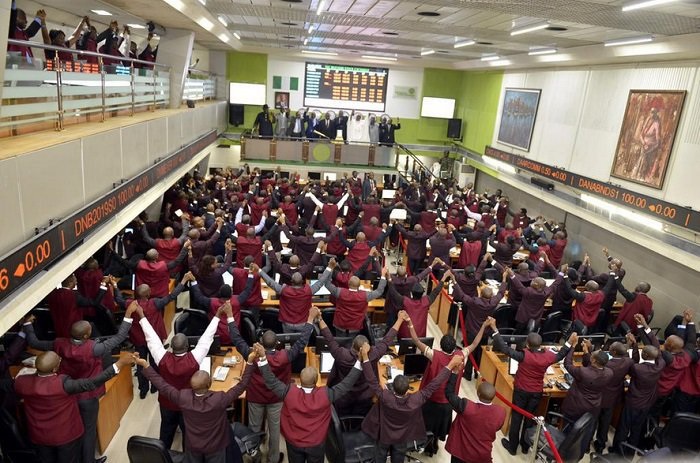





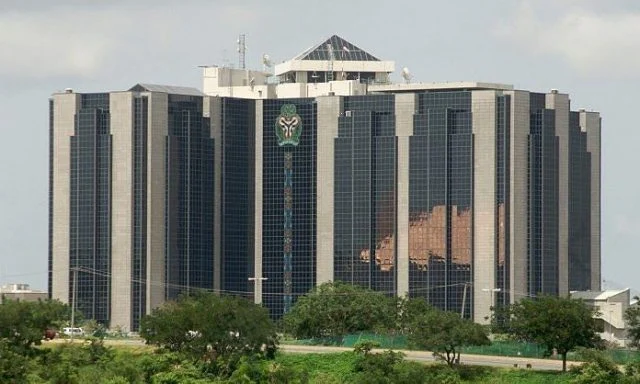
Money market rates moderated last week despite significant liquidity withdrawals linked to Open Market Operations (OMO) and Nigerian Treasury Bills (NTB) settlements conducted by the Central Bank of Nigeria (CBN).
The financial system commenced the week on a strong liquidity footing, supported primarily by inflows from matured government securities. System liquidity expanded to approximately ₦4.68 trillion at the start of the week, with substantial placements at the Standing Deposit Facility (SDF).
Deposit Money Banks (DMBs) continued to channel surplus funds to the Central Bank, reflecting subdued lending appetite amid tighter credit conditions. With risk-adjusted lending opportunities narrowing, commercial banks increasingly allocated capital toward investment securities, a trend reflected in their expanding fair value asset positions.
Midweek, liquidity conditions tightened considerably following aggressive sterilization through OMO auctions. The CBN’s intervention underscored its ongoing commitment to absorbing excess liquidity and sustaining firm monetary conditions.
Interbank liquidity was largely anchored by DMB placements totaling approximately ₦2.08 trillion with the apex bank.
By the end of the trading week, overall system liquidity declined to ₦2.16 trillion, down from ₦4.32 trillion recorded in the preceding week. The contraction reflected mounting funding pressures within the financial system.
Liquidity dynamics were further influenced by settlement expectations surrounding the ₦1.91 trillion raised at the NTB auction. These debits were set against maturities of ₦765.9 billion in NTBs and ₦550 billion in OMO bills, resulting in a net tightening effect.
Market analysts interpreted this as a deliberate liquidity management strategy by the CBN, aimed at maintaining elevated funding conditions and containing inflationary pressures.
Despite the tighter liquidity environment, money market rates declined modestly. The overnight lending rate eased by 7 basis points week-on-week to 22.71 percent, while the funding rate held steady at 22.50 percent.
Nigerian Interbank Offered Rate (NIBOR) benchmarks also trended downward across tenors, indicating mixed liquidity flows and intermittent inflows that offset settlement-related debits.
According to Cowry Asset Limited, market activity reflected a cautious funding landscape, shaped by monetary tightening measures and investment portfolio repositioning by banks.
The interplay between sterilization measures and moderated rates suggests that liquidity management remains finely balanced as the apex bank continues to calibrate policy tools to stabilize macroeconomic conditions.

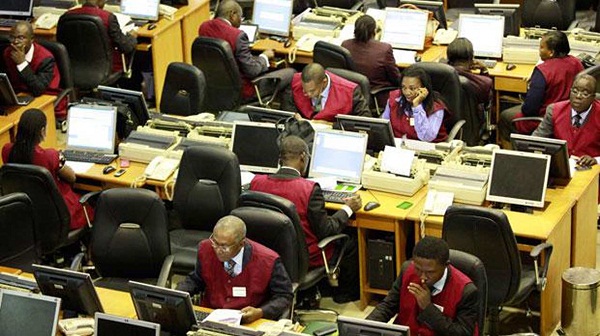







 and Nigerian Treasury Bills (NTB) settlements conducted by the Central Bank of Nigeria (CBN).)