



By Boluwatife Oshadiya, Global Markets Correspondent | May 18, 2026, 12:18 AM
Key Points
- US dollar strengthened as investors sought safe-haven assets amid escalating geopolitical tensions
- EUR/USD and GBP/USD weakened after falling below key technical support levels
- Traders are now pricing in a possible US Federal Reserve rate hike in 2027
Main Story
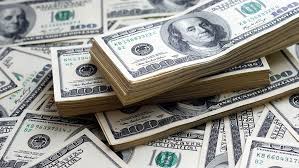
The US dollar strengthened against major global currencies last week, climbing to its highest level in nearly a month as rising geopolitical tensions in the Middle East fueled demand for safe-haven assets.
Investor sentiment shifted toward the greenback amid growing concerns that prolonged regional conflict and higher oil prices could intensify inflationary pressures globally, particularly across Europe and other energy-dependent economies.
Currency markets reflected the renewed risk-off sentiment. The euro weakened further after the EUR/USD pair dropped below the 50% midpoint retracement of its rally from March lows, settling beneath the key 1.16287 technical level.
The British pound also lost ground, with GBP/USD slipping below the 61.8% retracement level at 1.33496, signaling increasing downside pressure after buyers failed to sustain bullish momentum.
Meanwhile, the Japanese yen remained under pressure as USD/JPY traded above the critical 157.97–158.26 support zone, keeping the dollar technically favored despite cautious trading activity.
Market uncertainty intensified following renewed tensions involving Iran and the United States, with concerns over energy supply disruptions continuing to support oil prices. Investors also reacted cautiously after diplomatic engagements between US President Donald Trump and Chinese President Xi Jinping ended without major breakthroughs.
Recent US inflation data further strengthened expectations that inflationary pressure may persist longer than anticipated. Both Consumer Price Index (CPI) and Producer Price Index (PPI) reports indicated continued energy-driven inflation risks in the US economy.
As a result, traders are increasingly pricing in the possibility of at least one Federal Reserve interest rate hike by March 2027, with expectations that tighter monetary conditions could remain in place through the end of 2026.
The Issues
The latest dollar rally highlights how geopolitical instability continues to reshape global capital flows, particularly during periods of heightened uncertainty.
Rising oil prices remain a major concern for European economies, many of which remain vulnerable to imported energy shocks. A prolonged increase in energy costs could weaken industrial activity, pressure household spending, and complicate inflation management for central banks across the Eurozone.
At the same time, stronger US economic resilience and higher interest rate expectations are making dollar-denominated assets increasingly attractive to global investors, widening the divergence between the Federal Reserve and several other central banks.
What’s Being Said
“The inability of the euro to hold above key retracement levels gives sellers more control in the short term,” currency analysts noted in weekly market commentary.
“Markets are increasingly betting that geopolitical tensions and energy inflation could delay any meaningful easing by the Federal Reserve,” analysts added.
Independent market strategists also warned that continued uncertainty in the Middle East could sustain volatility across global currency and commodity markets in the coming weeks.
What’s Next
- Investors will closely monitor upcoming US inflation and labour market data for signals on Federal Reserve policy direction
- Currency traders are expected to watch developments in the Middle East for potential impacts on oil supply and inflation expectations
- Markets will also focus on upcoming central bank meetings across the US, Europe, and Asia
The Bottom Line: The latest rally in the US dollar underscores how geopolitical instability and inflation fears continue to reinforce the currency’s safe-haven appeal. Unless tensions ease significantly, the dollar could remain supported as investors seek protection from growing global economic uncertainty.