By Boluwatife Oshadiya, | June 11, 2026
Key Points
- Trump accused Iran of repeatedly violating the April ceasefire agreement
- U.S. forces launched fresh strikes on Iranian targets following renewed hostilities
- Tehran and Washington remain divided over peace negotiations and regional security
Main Story
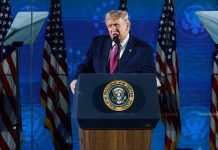
U.S. President Donald Trump has accused Iran of repeatedly breaching the April ceasefire agreement, warning that Washington is prepared to intensify military operations if Tehran refuses to accept a framework aimed at ending the conflict.
Speaking during an interview with Fox News, Trump described the truce as “the most violated ceasefire in the history of the world” and said the United States could soon suspend its bombing campaign if Iran agrees to a negotiated settlement.
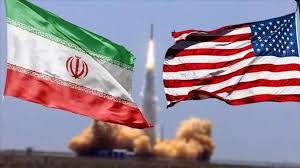
According to reports, U.S. forces launched fresh strikes against multiple Iranian targets after receiving presidential authorization. Trump stated that the operation involved 49 Tomahawk cruise missiles alongside fighter aircraft targeting strategic locations.
Iranian state media reported explosions in several southern coastal cities following the attacks. Tehran subsequently announced the closure of the Strait of Hormuz to shipping traffic, a claim disputed by the U.S. Central Command (CENTCOM), which maintained that commercial vessels continued to transit the waterway.
The latest developments represent another escalation in tensions that have intensified over disputes surrounding Iran’s nuclear programme and broader regional security concerns.
“If Iran does not sign an agreement to end the war, we are prepared to undertake much stronger military action,” Trump said during the interview.
What’s Being Said
“Commercial shipping remains operational in the Strait of Hormuz despite Iranian claims,” CENTCOM said in a statement.
Regional security analysts warned that prolonged military confrontation could destabilise energy markets and heighten geopolitical risks across the Middle East.
What’s Next
- Diplomatic efforts to secure a peace framework between Washington and Tehran are expected to continue.
- Global energy markets will closely monitor developments in the Strait of Hormuz.
- Further U.S. military action remains possible if negotiations fail to progress.
The Bottom Line:
The latest exchange of threats highlights the fragile state of U.S.-Iran relations and the increasing difficulty of achieving a diplomatic breakthrough. As military pressure mounts on both sides, the risk of wider regional instability continues to grow.