






Key Points
- Tinubu says government-owned refineries are being restructured for commercial viability.
- He says CNG expansion must translate into lower costs for Nigerians.
- NUPENG raises concerns over the casualisation of oil and gas workers.
- Tinubu says subsidy savings are supporting infrastructure and economic reforms.
Main Story
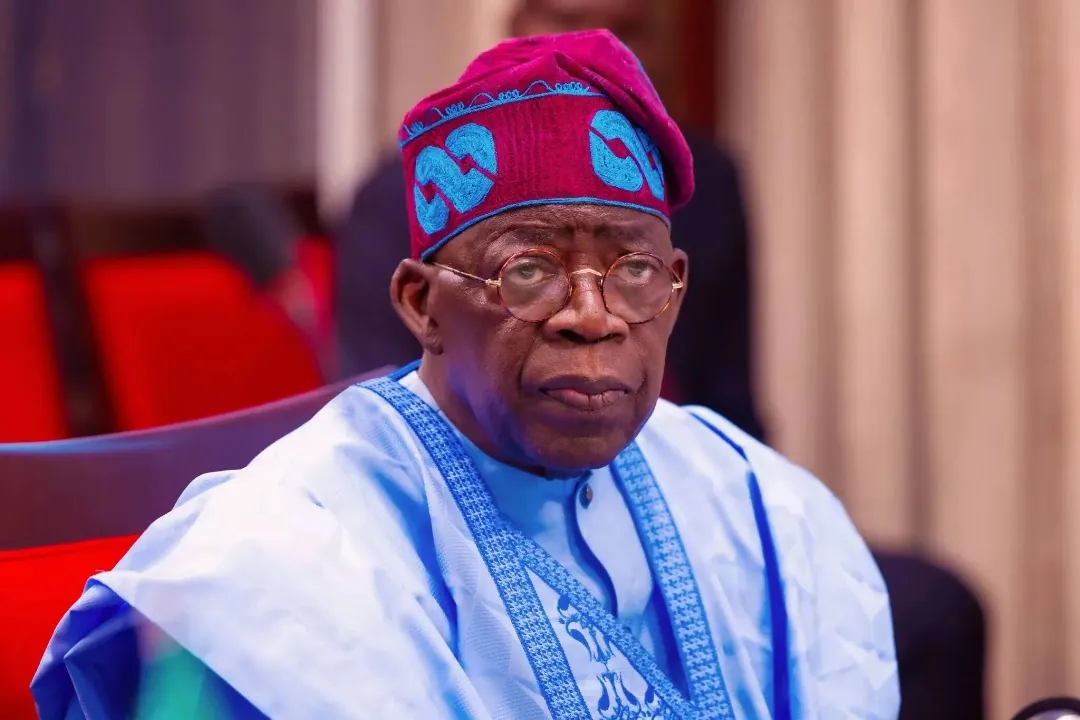
President Bola Tinubu has said the Federal Government is working to make its refineries economically viable as part of broader reforms in the petroleum sector.
Tinubu spoke on Thursday at the Presidential Villa, Abuja, while meeting a delegation from the Nigeria Union of Petroleum and Natural Gas Workers (NUPENG), led by its President, Sulaimon Oladiti.
The president said the government was reviewing the financial and operational structure of the refineries to ensure that their return to production would translate into lasting economic value.
He said simply getting the facilities running would not be enough, stressing that their operations must eventually justify the resources committed to them.
Tinubu said his administration had inherited longstanding problems in the sector and had taken responsibility for addressing them.
He also discussed the government’s Compressed Natural Gas (CNG) programme, saying its expansion was intended to ease transportation costs and improve the country’s energy security.
The president, however, expressed concern that the financial benefits of the programme were not reaching commuters quickly enough.
He said transport operators benefiting from cheaper CNG should pass the gains on to passengers.
Tinubu also credited economic reforms, including the removal of fuel subsidy, with creating fiscal space for government investment in infrastructure.
He cited the Lagos-Ibadan Expressway, Abuja-Kaduna-Kano Road and Sokoto-Badagry Highway among projects receiving funding following the reforms.
The president appealed for continued public support and patience, arguing that the benefits of the reforms would require time to fully emerge.
Oladiti, in his remarks, raised concerns about the employment practices of some oil and gas companies, particularly the use of casual workers in the upstream sector.
He said NUPENG had raised the matter with some companies without achieving the desired outcome and asked Tinubu to intervene.
The union leader also welcomed the efforts to restore the refineries and called for the rehabilitation of depots operated by the Nigerian Pipelines and Storage Company.
The Issues
The government is attempting to balance refinery rehabilitation with the need to ensure that the facilities eventually operate without continued dependence on public funds.
What’s Being Said
“The refineries that you mentioned are going to come back to work.” – President Bola Tinubu.
“Whatever benefit that is coming from CNG is going into the pockets of truck owners. It is not spreading as fast as I would like it, but it should spread.” – President Bola Tinubu.
What’s Next
The government is expected to continue work on the refinery reforms and expand the CNG programme, while NUPENG is seeking action against casualisation in the oil and gas industry.
Bottom Line
Tinubu said the government’s priority was not merely to restart the refineries but to put them on a stronger economic footing so they can operate sustainably.