





By Boluwatife Oshadiya | March 11, 2026
Key Points
- President Tinubu says he remains a “die-hard democrat” committed to Nigeria’s unity
- Remarks delivered during interfaith Ramadan gathering with APC and IPAC leaders
- President recalls pro-democracy struggle and stresses importance of rule of law
Main Story
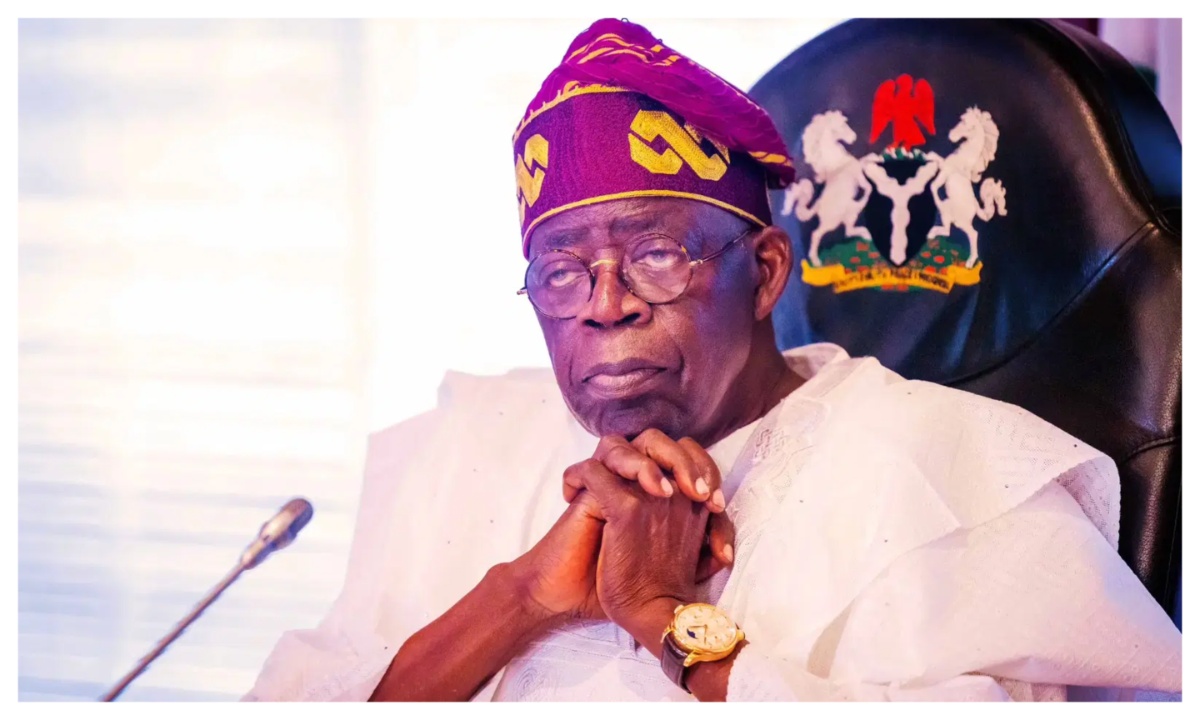
President Bola Ahmed Tinubu on Wednesday reaffirmed his commitment to democratic governance and the rule of law, describing himself as a “die-hard democrat” devoted to Nigeria’s political stability and national unity.
Tinubu made the remarks during an interfaith breaking-of-fast event held with leaders of the All Progressives Congress (APC) and the Inter-Party Advisory Council (IPAC) at the Presidential Villa in Abuja.
Addressing the gathering, the president reflected on Nigeria’s democratic journey and the sacrifices made by pro-democracy activists during the country’s struggle for civilian rule.
“I’m a die-hard democrat. I follow that belief wholeheartedly and remain committed to a united Nigeria. That principle and philosophy will live and die with me,” Tinubu said.
The president noted that democracy thrives on open debate and tolerance for differing views, stressing that minority opinions must be respected even when they do not prevail in decision-making.
“A minority will have their say, though they might not have their way. That is the sweetness and essence of democracy,” he said.
Tinubu also recalled the experiences of activists during the pro-democracy movement of the 1990s, including periods of detention, exile, and political resistance against military rule.
“We went to detention, protested and faced attacks. Some of us went into exile and formed NADECO,” he said, referring to the National Democratic Coalition that played a central role in the struggle for the restoration of democratic governance.
The president emphasised that democratic participation in Nigeria remains voluntary and must be guided by adherence to the rule of law and institutional processes.
What’s Being Said
“I’m glad we are all democrats and subscribe to this democracy voluntarily and willingly. We have pursued it selflessly for 26 years. Some of us still carry bruises from the struggle,” Tinubu said.
“We must debate intellectually and interrogate one another honestly, but remain committed to the peace and stability of the country,” the president added.
He also referenced his decision to sign the Electoral Act passed by the National Assembly, describing it as a demonstration of respect for democratic institutions.
“I signed the Electoral Act because there was an overwhelming majority in the National Assembly that passed it. I submitted myself to the principle of the rule of law and democracy,” he said.
What’s Next
- Political parties are expected to intensify consultations with electoral stakeholders ahead of future elections and ongoing reforms to Nigeria’s electoral system
- The presidency is expected to continue engagement with political parties and civil society groups as part of efforts to strengthen democratic institutions
- National political dialogue around governance reforms and electoral administration is likely to intensify ahead of the 2027 general elections