




KEY POINTS
- President Bola Tinubu has committed to supporting the Nigerian media’s campaign against the anti-competitive activities of global Big Tech companies and harsh economic headwinds.
- Fiscal relief is on the horizon, as the government reviews the tariff exemption list to potentially include newsprint, chemicals, and broadcast equipment, treating them similarly to educational materials.
- “Digital Cannibalisation” was a core theme, with media owners accusing tech giants of scraping proprietary content and breaching paywalls to train AI models without compensation.
- The FCCPC may be directed to investigate claims that Big Tech dominance is costing local media up to 70 per cent of their legitimate advertising and subscription income.
MAIN STORY
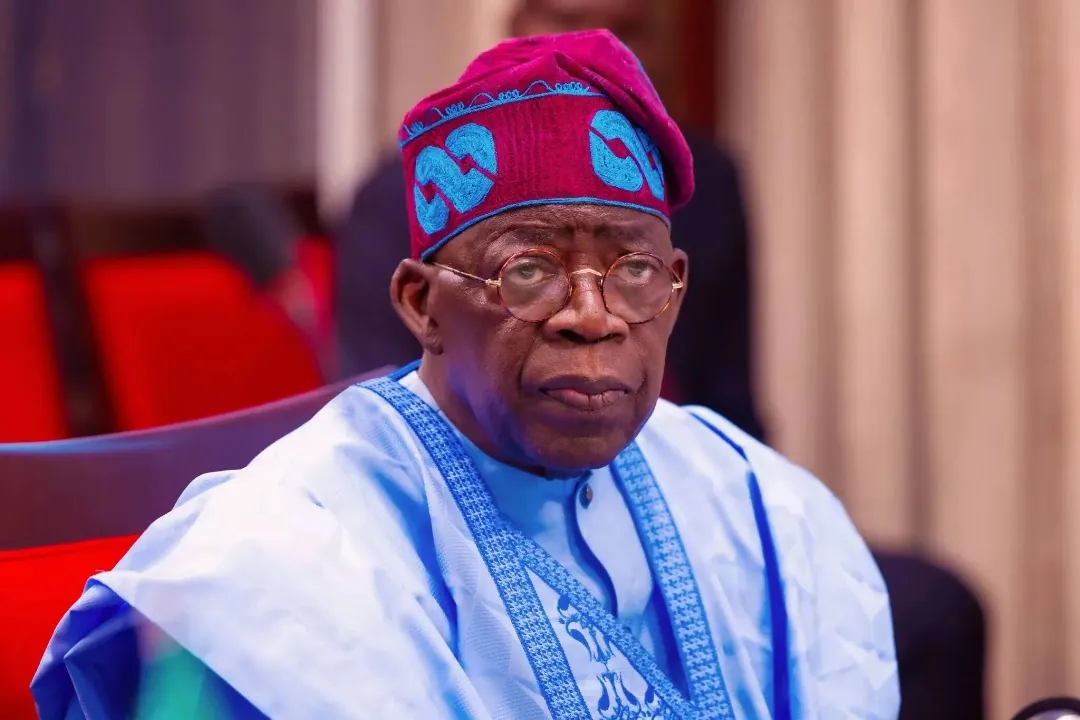
President Bola Tinubu has declared the Nigerian press an “indispensable partner” in the nation’s journey toward economic stability, pledging government intervention to dismantle the fiscal hurdles and “digital cannibalisation” currently threatening the industry.
Speaking during an interfaith dinner with a high-level delegation from the Nigerian Press Organisation (NPO), the President affirmed that his administration would back evidence-led campaigns against the dominance of global tech giants.
The NPO delegation, led by the Publisher of The Guardian, Lady Maiden Alex-Ibru, and including veterans like Aremo Olusegun Osoba and Prince Nduka Obaigbena, raised alarms over the existential threat posed by unregulated tech operations. Mr. Frank Aigbogun, Publisher of BusinessDay, specifically accused Big Tech firms of “scraping” creative content to train Artificial Intelligence (AI) models, often by bypassing digital paywalls—a practice he says drains local media of hundreds of millions of dollars in revenue.
To provide immediate relief, President Tinubu revealed that the government is reviewing the national tariff exemption list. The goal is to include critical media inputs such as newsprint, plates, chemicals, and radio/TV broadcast equipment. “If this happens, these items will enjoy a status similar to that of educational and research materials,” the President stated, emphasizing the importance of the press to the sustenance of democracy.
Minister of Information and National Orientation, Alhaji Mohammed Idris, added that the government has already initiated engagements with platforms like Meta and Google. He warned that the administration would not allow external entities to reap from the Nigerian economy without “giving back.”
The NPO had previously petitioned the government in January, citing that anti-competitive practices are costing local outlets at least 70 per cent of their income.
The meeting, which included Vice President Kashim Shettima and Channels TV Chairman Dr. John Momoh, concluded with a directive for the Federal Competition and Consumer Protection Commission (FCCPC) to look into the NPO’s complaints. This marks a significant step toward a regulated digital content ecosystem where local creators are protected from unauthorized AI training and revenue diversion.
WHAT’S NEXT
- FCCPC Investigation: The Federal Competition and Consumer Protection Commission is expected to launch a formal inquiry into the data-scraping and ad-revenue sharing models of major tech platforms in Nigeria.
- Tariff Implementation: Media houses are awaiting the formal gazetting of the new tariff exemption list, which could significantly lower the cost of physical newspaper production and broadcast upgrades by mid-2026.
- AI Licensing Framework: Stakeholders are pushing for a national framework that requires AI developers to pay licensing fees before using Nigerian news content for Large Language Model (LLM) training.
WHAT’S BEING SAID
- “You have the government’s full support, because we know how important your work is to the sustenance of democracy,” said President Bola Tinubu.
- “The government will not allow anybody to come here, reap from our economy, and go away without giving back,” stated Alhaji Mohammed Idris.
- “Some tech companies are increasingly ‘scraping’ proprietary creative content to train AI models… breaching digital paywalls,” noted Mr. Frank Aigbogun.
BOTTOM LINE
The Bottom Line is that the Nigerian government is shifting from a passive observer to an active regulator in the battle between Local Content and Global Tech. By treating media equipment as “educational materials” and eyeing investigations into AI data scraping, the administration is attempting to build a protective wall around a Fourth Estate that is currently being hollowed out by digital disruption.