






Key points
- President Bola Tinubu inaugurated four major Compressed Natural Gas infrastructure projects across Lagos, Abuja, and Owerri.
- The projects are part of efforts to expand clean transport infrastructure and deepen domestic gas utilisation.
- The initiatives were delivered under the Midstream and Downstream Gas Infrastructure Fund as a response to petroleum subsidy reforms.
- At Ojota, Lagos, the president flagged off the Portland Gas CNG Mother Station with a daily dispensing capacity of 96,000 standard cubic metres.
- At the Federal University of Technology, Owerri, a CNG Daughter Station and Conversion Centre was launched under the SPROUT Programme.
Main Story
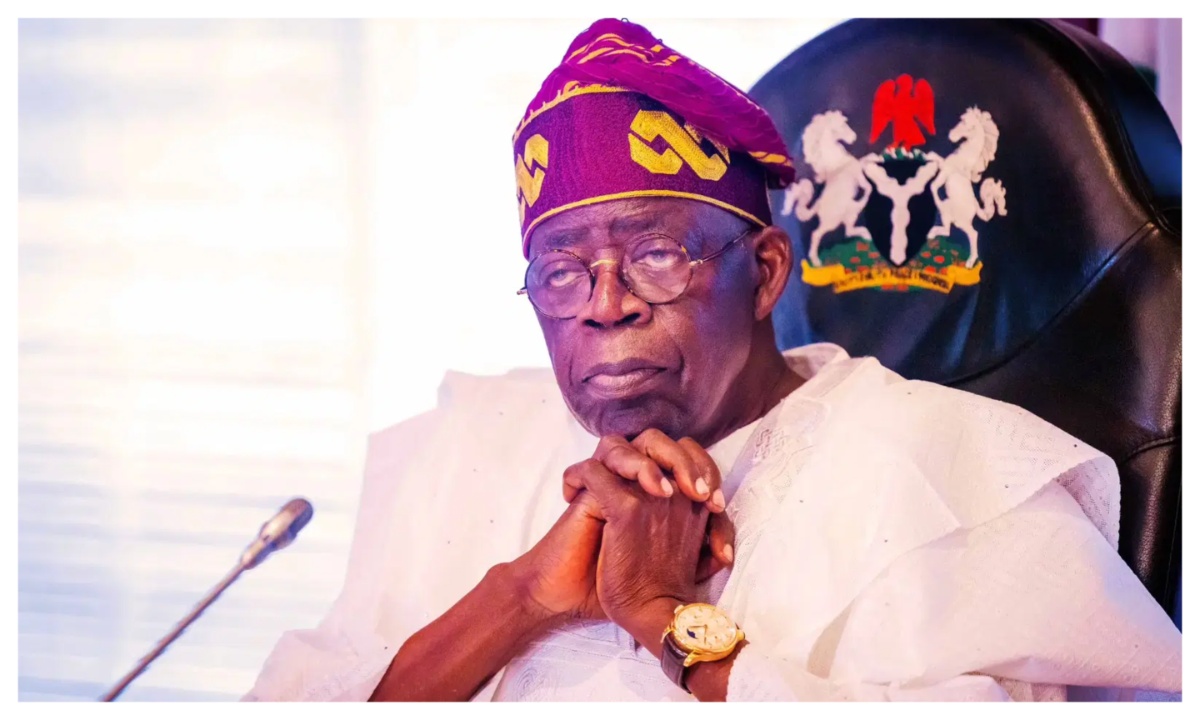
President Bola Tinubu on Friday inaugurated four major Compressed Natural Gas (CNG) infrastructure projects across Lagos, Abuja and Owerri. The projects are part of efforts to expand clean transport infrastructure and deepen domestic gas utilisation.
The initiative, delivered under the Midstream and Downstream Gas Infrastructure Fund (MDGIF), form part of the Federal Government’s response to petroleum subsidy reforms and its strategy to reduce transport costs and accelerate the transition to cleaner fuels.
This is contained in a statement issued by the Presidential Spokesperson, Mr Bayo Onanuga, on Friday. The projects were inaugurated virtually as part of activities marking the third anniversary of the Tinubu administration.
To evaluate intermediate structural dependencies, national energy planners analyze regional pipeline networks alongside localized distribution hubs to ensure transport corridors have adequate pressure capacity before consumer demand escalates.
At Ojota, Lagos, the president flagged off the Portland Gas CNG Mother Station, a facility with a daily dispensing capacity of 96,000 standard cubic metres.
The project includes two skid trucks for gas distribution, a 54-metric-tonne Liquefied CNG storage facility and an associated CNG Daughter Station at Kubwa in Abuja.
Tinubu also inaugurated the IBILE Oil and Gas Corporation (IOGC) CNG Refuelling Station in Lagos, which anchors a network of 15 CNG refuelling stations being developed across the state.
In Abuja, the president commissioned the High-Capacity CNG Daughter Booster Station developed by Rolling Energy Limited in partnership with MDGIF.
Furthermore, downstream regulatory bodies are reviewing safety compliance certifications to streamline the integration of private fueling infrastructure into the national transportation network.
At the Federal University of Technology, Owerri (FUTO), Tinubu inaugurated the FEMADEC CNG Daughter Station and Conversion Centre under the Special Palliative Relief on University Transportation (SPROUT) Programme.
The project is part of a nationwide initiative to establish CNG ecosystems in 20 universities and includes CNG-powered buses, tricycles, vehicle conversion facilities and training centres to support affordable transportation for students and staff.
The Federal Government has also partnered with financial institutions under the Credit Access for Light and Mobility (CALM) Fund to provide affordable financing for vehicle conversion to CNG.
The Issues
- Mitigating the economic impact of petroleum subsidy reforms by scaling up alternative clean transport infrastructure.
- Establishing self-sustaining regional CNG ecosystems across public tertiary institutions to guarantee affordable campus transportation.
- Activating retail credit access frameworks to reduce the upfront cost barriers associated with vehicular gas conversion.
What’s Being Said
- Expressing total opposition to a reliance on external energy supplies while championing local sovereign resources to power the domestic economy, President Bola Tinubu declared: “Nigeria is a gas nation. Our energy future will not be borrowed. It will be built from what we have, and every project we are commissioning today is proof that we are building it,”
- Outlining the strategic role of natural gas in anchoring broader structural development and shielding the country from commercial disruptions, Minister of State for Petroleum Resources (Gas), Ekperikpe Ekpo, said the projects “underscored the Federal Government’s commitment to making domestic gas the backbone of Nigeria’s energy transition and economic development.”
- Detailing how multi-stakeholder alignments can reliably de-risk and deliver long-term critical public infrastructure, the Executive Director of MDGIF, Oluwole Adama, said the projects “demonstrated the benefits of collaboration among government, regulators, investors and technical partners in driving sustainable development.”
What’s Next
- Rolling Energy Limited will operate its new Abuja booster station to serve up to 1,000 vehicles and execute daily conversions through its eight conversion pits.
- IBILE Oil and Gas Corporation will continue developing the remaining units of its planned 15-station refueling network across Lagos State.
- The SPROUT Programme will look to expand its CNG ecosystem models across 19 other universities nationwide.
Bottom Line
Marking his administration’s third anniversary, President Bola Tinubu virtually commissioned four major MDGIF-backed CNG infrastructure projects spanning Lagos, Abuja, and Owerri—headlined by massive new mother-daughter stations and university transport hubs—reaffirming Nigeria’s commitment to driving its energy transition through domestic gas resources.


 infrastructure projects across Lagos, Abuja and Owerri.)