






Key points
- Bayero University Kano hosted a multi-stakeholder policy forum on Nigeria’s proposed solar panel import restrictions.
- Professor Nasir Fagge urged the federal government to consult industry operators to balance local manufacturing goals with energy access.
- The proposed import restrictions align with Executive Order 5 to expand domestic production and utilize local mineral reserves.
- Industry critics warned against sudden import barriers while local manufacturing capacity remains underdeveloped.
Main story
Stakeholders across Nigeria’s energy sector are advocating for broader consultations regarding the federal government’s proposed solar panel import policy, aiming to prevent market disruptions while boosting local manufacturing.
Speaking at a policy dialogue hosted by Bayero University Kano (BUK), Director of the Centre for Renewable Energy and Sustainable Transitions, Professor Nasir Fagge, emphasized that inclusive input is essential to crafting a workable framework. The forum brought together academics, manufacturers, and clean energy developers to evaluate the Ministry of Innovation, Science and Technology’s plan to restrict foreign solar technology.
The proposed policy seeks to enforce Presidential Executive Order No. 5, which mandates local content preferences across science, engineering, and industrial manufacturing. Proponents argue the measure will capitalize on Nigeria’s critical mineral reserves—including lithium and rare earth elements—to build domestic capacity for solar components and lithium-ion batteries.
Addressing concerns raised by sector operators regarding the abrupt nature of the policy, Fagge noted that domestic capacity development requires clear strategic planning. He observed that while industrial powers like China, India, and Brazil built economic independence by prioritizing basic manufacturing, Nigeria must carefully manage its transition to avoid crippling immediate energy access goals.
The outcomes and recommendations from the Kano summit will be compiled into a policy position paper for submission to federal authorities ahead of the final policy drafting.
The issues
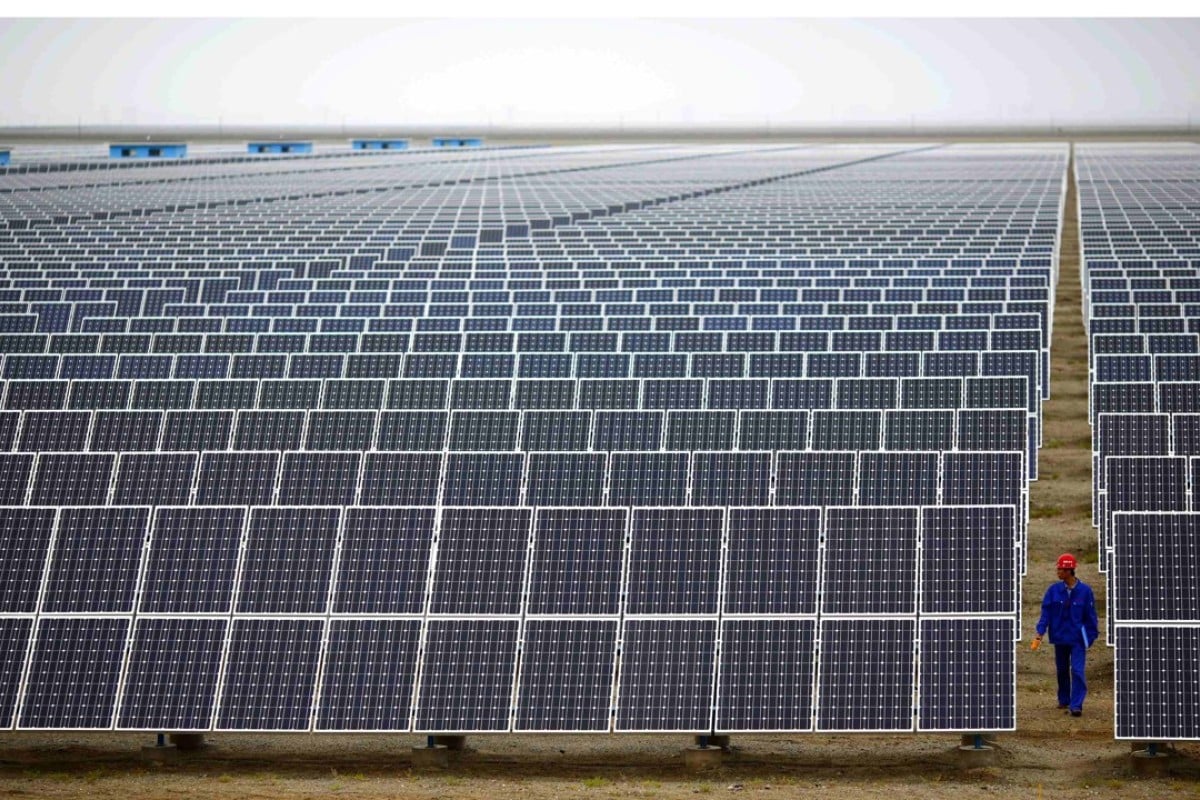
The debate over solar import tariffs highlights the tension between Nigeria’s industrialization ambitions and its urgent off-grid power needs. Imposing import barriers to force local manufacturing could raise equipment costs and slow down solar deployment for households and commercial enterprises. Conversely, relying entirely on imported solar hardware leaves the nation exposed to foreign supply chain shocks while ignoring domestic mineral processing potential.
What’s being said
“Every country first examines the resources available within its borders and develops plans on how best to address its energy and environmental needs using those resources. Only when it becomes clear that such resources are unavailable should a country seek external support.” — Nasir Fagge, Director at BUK Centre for Renewable Energy
“The aim is to aggregate the opinions of stakeholders and develop a policy document that accommodates their contributions, enabling everyone to understand the issues and make informed decisions.” — Nasir Fagge, Director at BUK Centre for Renewable Energy
What’s next
The BUK Centre for Renewable Energy and Sustainable Transitions will finalize its stakeholder report and submit evidence-based policy recommendations to the Federal Ministry of Innovation, Science and Technology.
Bottom line
Nigeria’s attempt to localize solar component manufacturing hinges on whether policymakers can protect nascent domestic industries without choking off affordable clean energy access.