





KEY POINTS
- South Africans are voting in local government elections to determine control of major cities.
- Poor infrastructure, unreliable water supply, inequality and unemployment above 30 per cent are major concerns for voters.
- The African National Congress (ANC) faces further electoral pressure after losing its national majority in 2024.
- The Democratic Alliance (DA) is targeting Johannesburg, while Jacob Zuma’s uMkhonto weSizwe (MK) party is challenging for control of Durban.
MAIN STORY
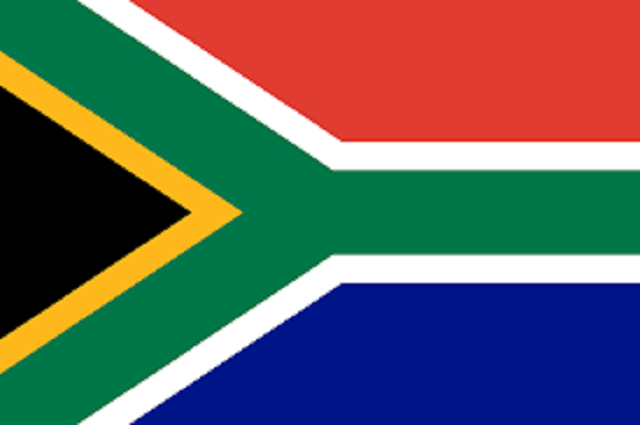
South Africans are voting in local government elections on Wednesday, with major political parties competing for control of key cities in a contest expected to reflect public sentiment ahead of the country’s next national elections.
Reports show that the election comes amid growing dissatisfaction with local governance, as residents contend with deteriorating infrastructure, unreliable water supply, persistent inequality and unemployment above 30 per cent.
Polling stations opened at 7:00 a.m. local time and are scheduled to close at 9:00 p.m. More than 29 million voters are registered to participate, although turnout remains a concern following the 2021 municipal elections, when only 46 per cent of registered voters cast their ballots.
Participation in the special voting exercise ahead of Wednesday’s election was also below the number of approved voters. The Electoral Commission said on Tuesday that 1.4 million of the 2.6 million people approved to cast special votes over two days had done so.
The election is particularly important for the African National Congress (ANC), which led South Africa’s liberation struggle but has faced a steady decline in electoral support.
Although the party is still projected to emerge as the largest nationally, polling points to further losses. Its support fell below 50 per cent for the first time in the 2021 municipal elections, marking a significant departure from its previous dominance.
The decline continued in the 2024 national election, when the ANC secured just over 40 per cent of the vote. It subsequently entered a government of national unity with nine other political parties, ending its long-standing record of governing with a parliamentary majority.
THE ISSUES
Control of major cities is a central battleground in the election, particularly for opposition parties seeking to convert dissatisfaction with service delivery into electoral gains.
The liberal Democratic Alliance (DA), South Africa’s second-largest party, is targeting Johannesburg, where it hopes to capitalise on complaints about infrastructure and public services in an area traditionally dominated by the ANC.
In Durban, the uMkhonto weSizwe (MK) party, led by former President Jacob Zuma, is mounting a strong challenge. The party made a major electoral breakthrough in 2024, drawing support away from the ANC to finish third nationally with 14.5 per cent of the vote.
Its campaign in Durban has also brought immigration into the election debate. The coastal city has become a centre of growing anti-migrant sentiment, making the issue a prominent feature of the campaign.
Zuma addressed supporters in Durban on Sunday, presenting the election as an opportunity for his party to reclaim political control.
WHAT’S BEING SAID
“We are going to start by taking back our country here.” – Jacob Zuma, former South African President and leader of the MK party.
WHAT’S NEXT
The results will determine which parties control municipal councils and major cities, while providing an indication of how voters view the country’s political leadership ahead of the next national polls.
The level of voter participation will also be important, particularly given the low turnout recorded in the previous municipal election and the limited participation in the special voting exercise.
BOTTOM LINE
South Africa’s local elections are taking place against a backdrop of declining support for the ANC and widespread dissatisfaction with public services. The results will test whether opposition parties can turn that frustration into control of major cities and further reshape the country’s political landscape.