





By Boluwatife Oshadiya | November 27, 2026
Key Points
- Naira appreciates 0.31% to ₦1,387.8883/$ at the official NFEM window
- Parallel-market exchange rate weakens to ₦1,458/$, leaving a reported gap of about ₦70 per dollar
- Nigeria’s external reserves decline to $54.1 billion as interbank FX turnover drops 67% to $235.04 million
Main Story
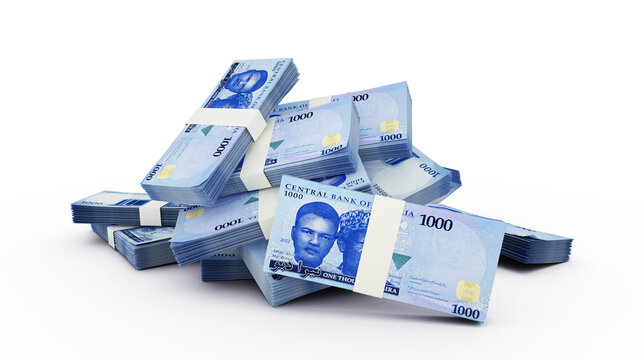
The naira appreciated 0.31% against the US dollar at the official foreign exchange window on Thursday, closing at ₦1,387.8883/$, while the parallel-market rate weakened to ₦1,458/$.
Data from the interbank market showed that the official closing rate strengthened from ₦1,392.2481/$ recorded on Wednesday. The exchange rate traded within a range of ₦1,375 to ₦1,397.50/$ during Thursday’s session.
The divergence between the two market segments placed the reported difference at approximately ₦70 per dollar. However, the previous parallel-market rate was not provided, limiting an independent assessment of how much the spread widened during the session.
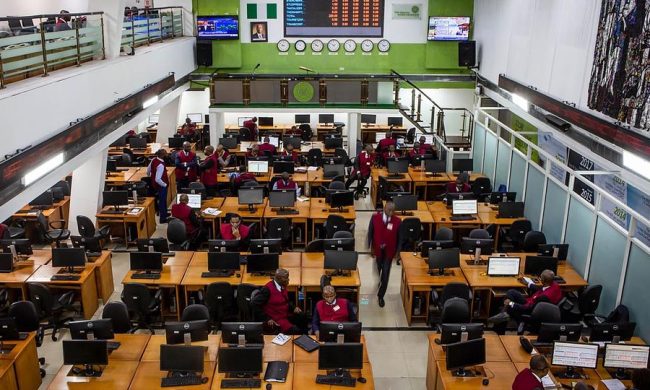
Trading activity at the official window weakened considerably, with interbank FX turnover falling 66.6% to $235.038 million from $702.626 million recorded the previous day. The number of transactions also declined slightly to 180 from 183.
Meanwhile, Nigeria’s gross external reserves fell to $54.1 billion from $54.250 billion on Wednesday, a decline of $150 million. The supplied market report attributed the pressure to successive fourth-quarter foreign exchange outflows and slower inflows from remittances and offshore investors.
The report also cited hydrocarbon revenue falling short of government targets, despite elevated global oil prices. Brent crude futures rose by $1.64, or 1.73%, to $96.25 per barrel, while US West Texas Intermediate gained $1.10, or 1.31%, to $84.78.
The reported increase in crude prices followed renewed supply concerns after Yemen’s Houthis claimed an attack on Saudi Arabia’s largest oil refinery, while Iran reported that mines had struck vessels in the Strait of Hormuz.
What’s Being Said
The supplied market report attributes the divergence between the official and parallel exchange rates to seasonal foreign currency demand and profit-taking by offshore investors. However, it does not identify the analysts or provide a direct quotation.
No direct comment from the Central Bank of Nigeria or an independent market analyst was included in the material.
What’s Next
- The next trading session will provide further indications of whether the naira can sustain its appreciation at the official window.
- Subsequent external reserves data will help establish whether the recent decline continues.
- Movements in global crude prices and foreign exchange inflows will remain important indicators for the currency market.
The Bottom Line:
The naira’s official-market appreciation offers a positive daily signal, but the weaker parallel-market rate and declining external reserves point to continuing pressure on foreign exchange supply. The substantial drop in interbank turnover also suggests that the stronger closing rate was accompanied by considerably lower trading activity.