






Key Points
- Doctor warns that using a tourniquet on snake bites can cause serious harm.
- Snake venom can become concentrated, increasing risk of tissue damage or limb loss.
- Keeping surroundings clean and rodent-free can help prevent snake bites.
- Quick hospital treatment and access to antivenom are critical for survival.
Main Story
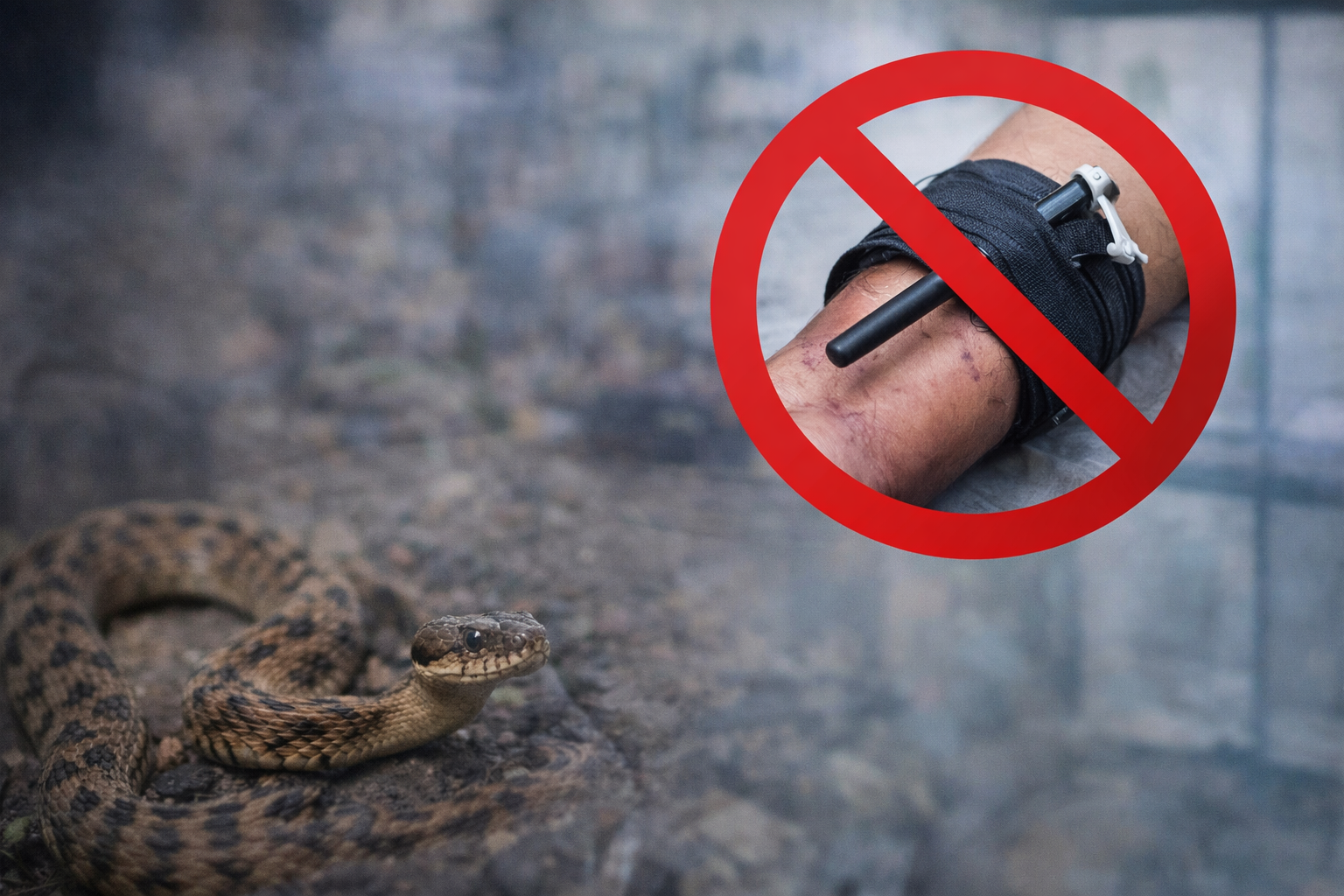
A public health expert, Dr. Ifeoluwa Odedina, has warned Nigerians against using tourniquets when treating snake bites, saying the practice can worsen the condition.
Speaking in Ibadan, Odedina explained that tying a band or rope around the bite area can trap venom in one part of the body, increasing its harmful effects and possibly leading to loss of a limb.
He advised that victims should instead seek immediate medical attention so they can receive proper treatment, including antivenom.
The Issues
Many people still rely on outdated or harmful first-aid methods when dealing with snake bites.
Lack of awareness, limited access to healthcare in rural areas, and poor availability of antivenom in some hospitals increase the risk of complications and death.
What’s Being Said
Odedina stressed the importance of prevention by maintaining a clean environment.
He advised residents to cut overgrown vegetation, clear rubbish, and control rodents, noting that snakes are often attracted to homes with rats and mice.
He also recommended keeping pets like cats to help reduce rodent populations.
What’s Next
Health authorities are being urged to ensure that antivenom is available in hospitals, especially in rural and farming communities where snake bites are more common.
Experts also recommend creating a network and database to help hospitals quickly access antivenom when needed.
Bottom Line
Avoiding harmful practices like using tourniquets and seeking quick medical care can save lives. Prevention, awareness, and better access to antivenom remain key to reducing snakebite risks in Nigeria.