Both diseases trace their origins to rodents — but they diverge sharply on biology, transmission, geography, and epidemic potential. The distinction matters for public health, clinical triage, and outbreak communication.
The Big Picture
Lassa fever and hantavirus disease share one epidemiological surface: both are contracted through contact with infected rodents. That similarity has generated real public confusion, particularly during outbreak alerts in Nigeria. But the two diseases are caused by unrelated viruses, carried by different rodent species, concentrated in different geographies, and dangerous in fundamentally different ways. Understanding those differences shapes how health workers triage patients, how communicators frame risk, and how policymakers allocate response resources.
Why It Matters
Nigeria records Lassa fever cases virtually every year, with outbreaks concentrated in Edo, Ondo, and Bauchi states. The NCDC tracks it as a priority disease. Hantavirus has no documented endemic transmission in Nigeria — but as global awareness of zoonotic diseases rises, the risk of public conflation grows. The consequences are practical: clinicians who mistake one for the other risk misapplying scarce treatment resources; communicators who blur the two undermine the specific behavioural changes that reduce transmission risk for each.
What you need to know
The pathogens: Lassa fever is caused by the Lassa virus, a member of the Arenaviridae family. Hantavirus disease is caused by a separate genus within the Hantaviridae family, with multiple distinct strains — Sin Nombre in North America, Seoul virus worldwide, Puumala in Europe, and Andes in South America. They are not related viruses. Both happen to use rodents as their host, but that is a coincidence of ecology, not shared ancestry.
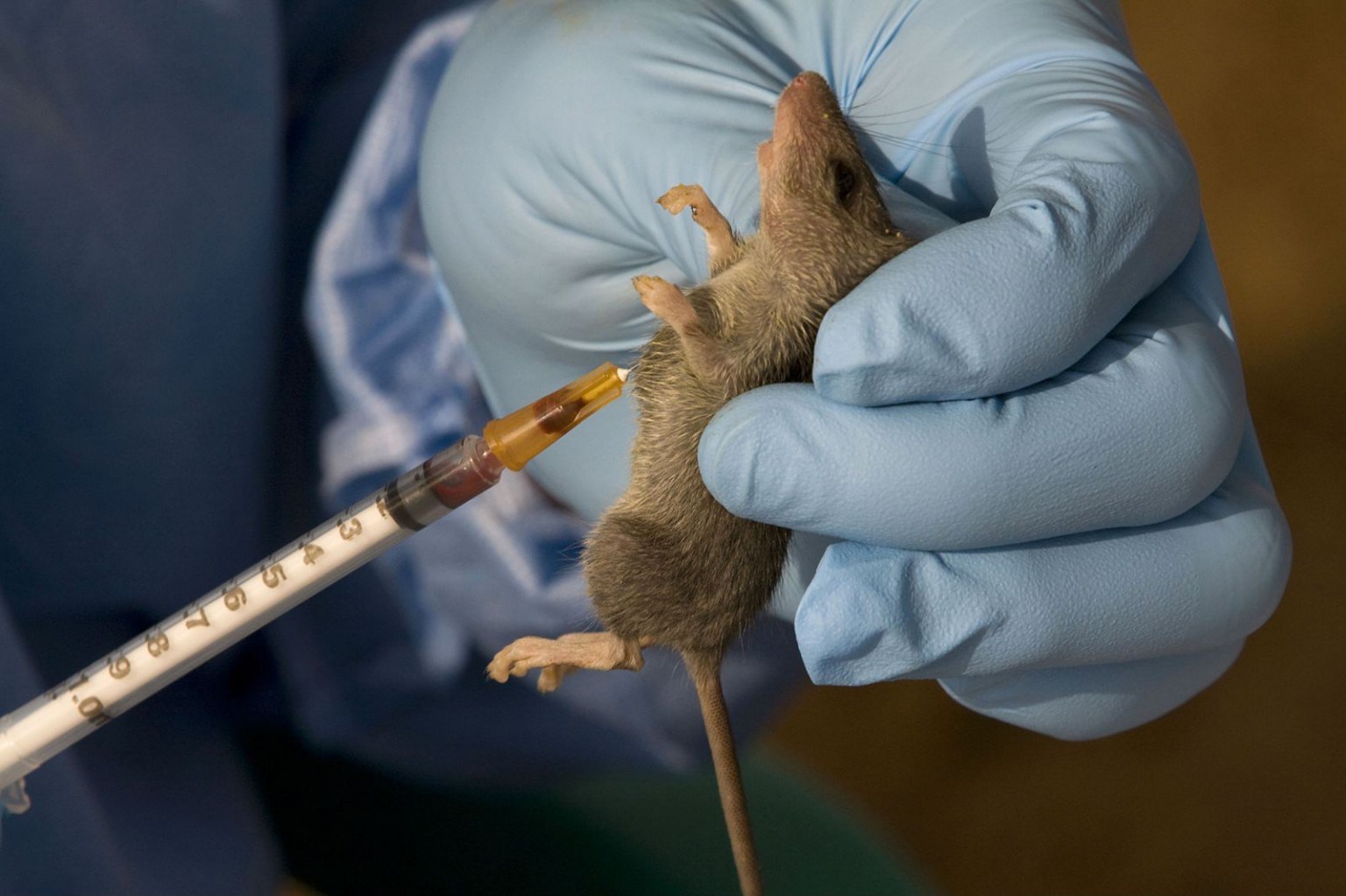
The rodent reservoir: Lassa virus is carried almost exclusively by the multimammate rat (Mastomys natalensis), a prolific West African species that contaminates food stores and tolerates human habitation. Hantaviruses are carried by a broader range of rodents depending on strain and geography. In both cases, the infected rodent remains asymptomatic while shedding the virus chronically.
How transmission actually works: Both viruses enter humans primarily through exposure to infected rodent excreta — urine, faeces, or saliva. Beyond that, the transmission profiles diverge sharply. Lassa fever can spread person to person through direct contact with blood or bodily fluids of an infected patient. This is what makes Lassa capable of spreading inside hospitals — a single admitted patient can seed infections among health workers and other patients if protective protocols are not strictly observed.
Hantavirus, with one significant exception, does not transmit between humans. The exception is the Andes strain and it is precisely this strain that CDC and WHO have confirmed is responsible for the ongoing outbreak aboard the MV Hondius, a Dutch-flagged cruise ship that departed Argentina on 1 April 2026. As of early May, seven cases had been identified, including three deaths, with illness characterised by rapid progression to pneumonia and acute respiratory distress.
WHO has assessed the broader public health risk as low, but the outbreak illustrates why the Andes strain warrants separate treatment: its capacity for human-to-human transmission, though limited to close contact, fundamentally changes its containment profile.
Dr. Ore Ajayi, a Lagos-based general practitioner, notes that environmental conditions are a primary risk factor for both diseases, since rodent access to living spaces, food stores, and water sources creates the exposure opportunity in either case. He advises consistent environmental cleanliness as the most direct upstream intervention, alongside maintaining personal hygiene and keeping food, especially leftovers — well covered or refrigerated to prevent rodent contamination.
Clinical presentation: Lassa fever begins with nonspecific symptoms — fever, malaise, headache and may progress to haemorrhagic manifestations and multi-organ failure. A distinctive complication is sensorineural deafness, which can persist after recovery. Hantavirus attacks differently by strain: Old World strains cause kidney damage and capillary leakage; New World strains like Sin Nombre cause Hantavirus Pulmonary Syndrome, with rapid-onset respiratory failure and a case fatality rate of approximately 35–40%.
Treatment: Lassa fever has a specific antiviral — ribavirin — most effective when administered early. No licensed vaccine exists. Hantavirus has no approved antiviral therapy; management is entirely supportive. No widely available vaccine exists outside limited formulations for renal syndrome in China and Korea.
The bottom line
Lassa fever and hantavirus share a rodent origin and an excreta-based transmission pathway and little else. Lassa’s person-to-person transmission makes it a healthcare system risk and a proven epidemic amplifier; hantavirus’s near-total inability to spread between humans limits its outbreak footprint, even as its pulmonary case fatality rate is severe. The MV Hondius outbreak is a timely reminder that hantavirus biology is not fully static, but for clinicians, communicators, and policymakers in Nigeria, the two diseases demand distinct responses, and treating them as equivalent actively distorts both risk assessment and prevention messaging.