









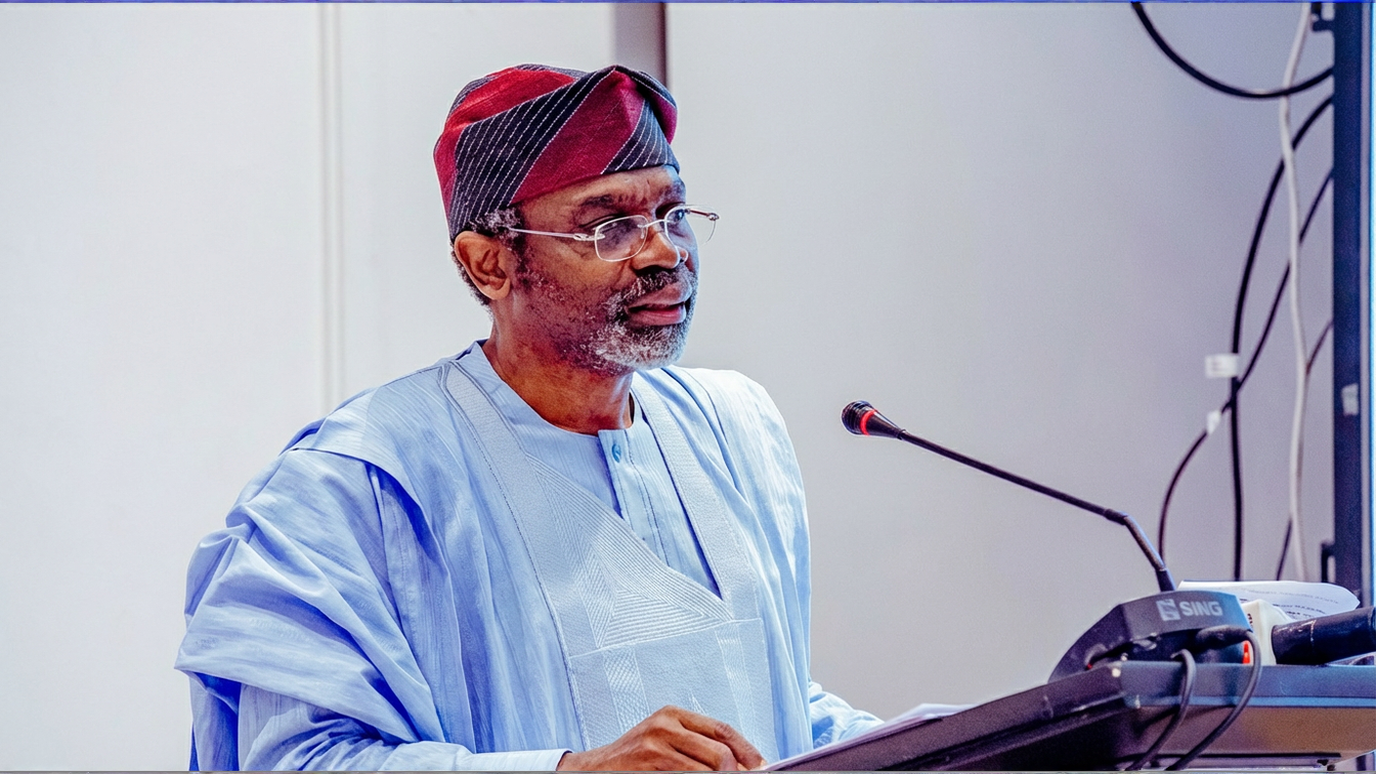
The controversy surrounding the purported Presidential Foreign Intervention Promotion Council (PFIPC) has intensified, with the opposition Nigeria Democratic Congress (NDC) calling for the immediate removal of the President’s Chief of Staff, Femi Gbajabiamila, and the establishment of an independent panel to investigate allegations linked to the disputed organisation.
The NDC’s demand follows months of conflicting claims between the Presidency and Prince Matthew Adeniyi Adeyemi, who maintains that he was legitimately appointed to head the PFIPC, despite repeated insistence by the Federal Government that no such agency exists.
In a statement dated July 3 and signed by its National Publicity Secretary, Osa Director, the party described the allegations surrounding the PFIPC as serious enough to warrant a transparent and independent investigation rather than administrative denials.
According to the party, allegations attributed to Adeyemi suggest that the purported agency received allocations in the 2026 Appropriation Act, operated several accounts at the Central Bank of Nigeria, including domiciliary, pound sterling and Treasury Single Account facilities, and allegedly secured approval for 314 staff positions.
The NDC questioned how an agency that the Presidency has publicly declared non-existent could allegedly operate within official government financial and administrative systems.
It also raised concerns over Adeyemi’s allegations that he paid ₦600 million to facilitate his appointment, claiming that ₦400 million was allegedly paid through intermediaries linked to the Chief of Staff, while the outstanding balance allegedly became the source of a disagreement that later culminated in the Presidency’s disavowal of the agency.

The opposition party further referenced the death of Babatunde Tanimola, who Adeyemi described as an intermediary between himself and senior government officials. Tanimola reportedly died in a hotel fire in Utako, Abuja, on October 22, 2025. The NDC also cited Adeyemi’s claims that he survived multiple assassination attempts, including an alleged attack along the Abuja-Kaduna Expressway.
Describing the allegations as disturbing, the party called for Gbajabiamila’s immediate removal to allow what it described as an impartial investigation, while urging President Bola Ahmed Tinubu to establish an independent investigative panel.
It also requested separate investigations by the Economic and Financial Crimes Commission, the Independent Corrupt Practices and Other Related Offences Commission and the Nigeria Police Force into the allegations, financial transactions, staffing approvals and the circumstances surrounding Tanimola’s death.
However, the Federal Government has consistently rejected Adeyemi’s claims and insists that the PFIPC was never established by the Tinubu administration.
The Presidency, through Special Adviser on Information and Strategy, Bayo Onanuga, said investigations revealed that Adeyemi allegedly forged a presidential appointment letter purportedly signed by Gbajabiamila, operated a fictitious government agency and maintained numerous bank accounts allegedly opened in the names of non-existent government institutions.
According to the Presidency, Gbajabiamila petitioned security agencies in October 2025 after discovering what it described as an elaborate forgery and impersonation scheme. The government also stated that criminal charges have since been filed against Adeyemi and two other suspects.
The Presidency further disclosed that concerns regarding the purported agency had earlier been raised by the Federal Ministry of Foreign Affairs and the Nigerian Investment Promotion Commission, both of which reportedly questioned the legal status of the organisation.
Despite the government’s position, Adeyemi has continued to insist that his appointment, the PFIPC and its activities were genuine, maintaining that the agency operated with official approval before the Presidency disowned it.
The controversy has now evolved from what the Presidency describes as a case of forgery and impersonation into a broader political dispute, with opposition parties demanding greater accountability over allegations touching on public finance, presidential appointments and institutional oversight.
Although the allegations have generated widespread public attention, none of the corruption claims made by either the NDC or Adeyemi has been established by a court of law or confirmed by an independent investigative body. Similarly, the Presidency’s allegations of forgery remain the subject of ongoing legal and security investigations.
As investigations continue, attention is expected to focus on whether documentary evidence—including budget records, banking documentation, staffing approvals and court filings—supports or disproves the competing claims surrounding one of the most controversial governance disputes to emerge under the current administration.


 has intensifed...)