





Home Blog Page 87

NUPENG Halts Strike After Dangote Yields To Union Demands

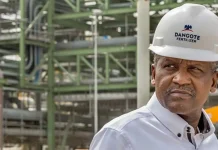
The Nigeria Union of Petroleum and Natural Gas Workers (NUPENG) has suspended its two-day strike following an agreement reached with the Dangote Group and the Federal Government after marathon talks in Abuja. The strike, which had caused widespread fuel supply disruptions in several states, was called off on Tuesday evening.

NUPENG President, Williams Akporeha, confirmed the suspension after a conciliation meeting convened by the Ministry of Labour and Employment. The meeting, chaired by Minister Muhammad Dingyadi, brought together representatives of the Dangote Group led by Sayyu Dantata, officials of the Nigerian Midstream and Downstream Petroleum Regulatory Authority (NMDPRA), and leaders of organised labour.

At the end of the talks, the Dangote Refinery and Petrochemicals agreed to allow its workers to be unionised under existing oil and gas sector unions. According to the Memorandum of Understanding (MoU) signed, the process of unionisation will begin immediately and must be concluded within two weeks, between September 9 and 22, 2025. It was also agreed that no parallel or alternative unions would be created by the company and that no worker would face victimisation for participating in the strike.

The MoU was endorsed by representatives of the Dangote Group, NUPENG, NMDPRA, the Ministry of Labour, the Nigeria Labour Congress (NLC), and the Trade Union Congress (TUC). The parties are expected to report back to the labour ministry one week after the conclusion of the unionisation process.

Fuel supply disruptions

The strike, which began on Monday, had paralysed fuel distribution across many states. Depots in Lagos, Delta, Rivers, and other key hubs were shut down, while filling stations in states such as Cross River, Kaduna, Enugu, Anambra, and Gombe either closed operations or sold fuel at sharply higher prices.

In Cross River, transport fares surged as scarcity worsened, with commuters lamenting hikes of over 60 per cent. A short trip that previously cost N300 was raised to N500, while many drivers reportedly resorted to black-market purchases at as much as N1,500 per litre.

In Kaduna, commercial activities were disrupted as major filling stations remained under lock and key. Long queues were reported in scattered independent outlets, with some motorists buying petrol at between N900 and N950 per litre.

A similar situation was observed in Enugu, where many stations shut by noon on Tuesday, forcing commuters to pay double fares. In Anambra, only a few outlets dispensed fuel, leading to severe gridlock around Awka, Onitsha, and Nnewi. Transport fares rose by over 50 per cent within hours.

In Gombe, pump prices spiked to N910–N1,000 per litre. Marketers attributed the hikes to uncertainty in supply, while warning of further increases if depots remained shut. In Sokoto and parts of the North-West, a marginal increase in fuel prices was recorded, though the impact was less severe compared to the South-East and North-Central.

NUPENG had declared its intention to embark on the strike after accusing the Dangote Refinery of preventing drivers recruited for its 4,000 new trucks from joining the union. The refinery, which plans to begin direct fuel distribution nationwide, was alleged to have created an alternative drivers’ association to sideline NUPENG, a move the union described as illegal and anti-labour.

Union leaders argued that such a scheme would not only strip tanker drivers of their rights but also render thousands of existing drivers jobless. “No employer has the right to enslave workers. Everybody wants Dangote to succeed, but he must play by the rules,” Akporeha said earlier during the dispute.

On Monday, the first round of talks between the parties collapsed after Dangote representatives reportedly rejected existing unions. NUPENG officials swiftly enforced compliance nationwide, shutting down depots in Lagos, Warri, Port Harcourt, and other fuel distribution centres.

With Tuesday’s agreement, loading of petroleum products is expected to resume on Wednesday, easing the nationwide disruptions. Labour leaders, however, stressed that they would closely monitor implementation of the MoU to ensure that Dangote Group keeps its commitments.
Nigeria Unveils $60bn Gas Expansion Drive For Global Market Push

The Nigerian National Petroleum Company Limited (NNPCL) has announced plans to attract $60 billion in new investments over the next five to seven years to expand gas infrastructure and reinforce the country’s position in the global energy market.

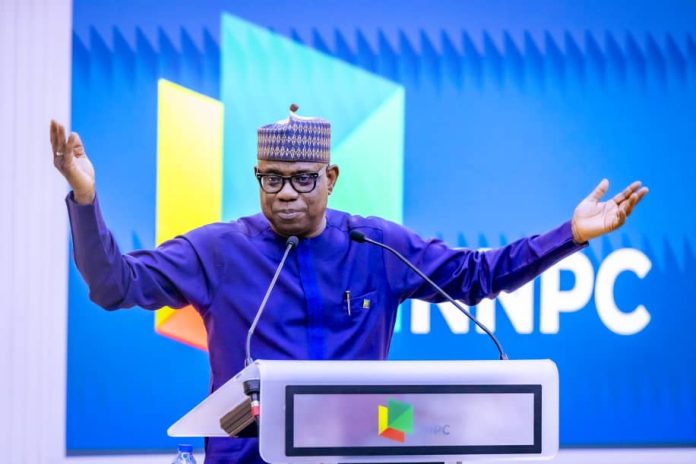
Speaking at the opening of the Gastech Exhibition and Conference in Milan, Italy, Group Chief Executive Officer of NNPCL, Mr. Bayo Ojulari, told delegates from over 150 countries that the investment drive aims to scale Nigeria’s natural gas production to 12 billion cubic feet per day while expanding refinery capacity to meet surging global demand.

“We are seeking at least $60 billion in investment over the next five to seven years, which for our oil and gas industry is just the tip of the iceberg. We are seeking investors to grow production,” Ojulari said.

He noted that the Petroleum Industry Act (PIA), signed into law in 2021, transformed NNPC into a limited liability company, giving it direct access to funding and the capacity to forge stronger global partnerships. Currently producing about 1.6 million barrels of crude oil per day, NNPCL has set targets to increase output to 2 million bpd by 2027 and 3 million bpd by 2030.

Highlighting ongoing projects, Ojulari cited the Ajaokuta–Kaduna–Kano (AKK) pipeline, the extension of the West African Gas Pipeline to Morocco and Europe, and the expansion of the Nigeria LNG project. Nigeria, he said, already supplies 60% of LNG imports to Portugal and Spain and is completing NLNG Train 7 by 2026, with plans for Trains 8 and 9.

“Nigeria has one of the best-run LNG businesses globally. We want to take advantage of the current high energy demand, which is also expected to go even higher,” he stressed.

On cleaner energy initiatives, Ojulari pointed to government-backed programmes promoting LPG adoption and a nationwide rollout of 2 million cylinders, alongside a Compressed Natural Gas (CNG) transition scheme for vehicles and industrial use.

He added that geopolitical shifts, particularly the Russia-Ukraine war, had accelerated the push for regional pipeline projects to strengthen energy security. With more than 200 undeveloped oil and gas fields, Nigeria, he said, represents “greenfield opportunities” for global investors.

Minister of State for Petroleum Resources (Gas), Mr. Ekperikpe Ekpo, also reaffirmed Nigeria’s commitment to leveraging its 210 trillion cubic feet of gas reserves to drive industrialisation, regional integration, and global energy security.

“Natural gas remains central to our energy strategy—powering industries, clean cooking, agriculture, job creation, and public health,” Ekpo said, adding that NLNG’s capacity would rise from 22 MTPA to 30 MTPA with the completion of Train 7.

He also highlighted Nigeria’s regional gas diplomacy, including the 5,000-kilometre Nigeria-Morocco Gas Pipeline and ongoing engagements with Algeria and Equatorial Guinea on the Trans-Saharan Gas Pipeline.

“With the right regulatory reforms and executive orders introduced under President Bola Tinubu, Nigeria is open for investment. Our natural gas is the bridge to renewables and the anchor for developing countries like ours to remain competitive in the global energy transition,” he concluded.

Nigeria’s participation at the summit signals its ambition to consolidate its status as a key player in the global energy landscape.

Stanbic IBTC Insurance Brokers Set To Host Webinar On Marine And Goods-In-Transit Insurance For Businesses

As Nigerian businesses deal with rising supply chain risks, Stanbic IBTC Insurance Brokers, a member of Stanbic IBTC Holdings, will host a webinar on Wednesday, September  2025. Titled “Smart Insurance for Savvy Businesses: Understanding Marine and Goods-in-Transit Insurance,” this event aims to provide business leaders with practical strategies to protect their goods in transit and maintain operational continuity.

The webinar is designed to address the growing vulnerabilities businesses face in logistics and transportation, where theft, accidents, delays, and damage to goods often result in significant financial losses. By spotlighting Marine Insurance and Goods-in-Transit Insurance, Stanbic IBTC Insurance Brokers seeks to provide practical guidance to organisations on how to manage risk effectively while sustaining growth.

Speaking on the objective of the webinar, Anselem Igbo, Chief Executive, Stanbic IBTC Insurance Brokers, noted that proactive risk management in today’s business environment is a critical need to know. He said, “Uncertainty is a reality that businesses cannot ignore, especially when goods are in transit or crossing borders. At Stanbic IBTC Insurance Brokers, we believe that businesses should not merely react to disruptions but anticipate and prepare for them. This webinar will show business owners how the right insurance solutions can safeguard their operations, protect assets, and strengthen resilience,” the executive said.

The event will feature Mr. Austin Zelma Omoike, Administrative Manager at Boldars Plus Nigeria Limited, as the guest panellist. Drawing from his industry experience, Mr. Omoike will share practical perspectives on the risks businesses encounter in moving goods across Nigeria and internationally, and how insurance coverage can serve as a vital buffer.

With increased trade activity and the expansion of e-commerce, reliance on logistics and supply chains has grown significantly. However, many businesses, particularly small and medium enterprises (SMEs), remain unaware of how insurance solutions can protect them against unforeseen events. This knowledge gap often leaves enterprises exposed to financial shocks that can threaten the survival or hinder the growth of their businesses.

Through this knowledge-sharing initiative, Stanbic IBTC Insurance Brokers aims to bridge that gap; reinforcing its commitment to supporting Nigerian businesses. The organisation has consistently advocated for greater adoption of insurance as a strategic tool, positioning itself as a trusted partner for companies seeking stability in a volatile environment.

The session is open to entrepreneurs, SMEs, corporate executives, and professionals across all sectors, who wish to understand how insurance can strengthen their business resilience.

Interested participants are encouraged to register in advance at by clicking here to secure a spot.

Interswitch Expands Public Sector Impact With E-Invoicing And Pension Remittance Platforms Across Africa

Interswitch, one of Africa’s leading integrated payments and digital commerce companies, has reaffirmed its role as a catalyst for public sector transformation with landmark initiatives driving revenue optimization and financial transparency across Nigeria and Kenya.

The Federal Inland Revenue Service (FIRS) has officially accredited Interswitch as an Access Point Provider and System Integrator for Nigeria’s mandatory e-invoicing system under the Monitoring, Billing, and Settlement (MBS) platform. The MBS initiative, which went live on August 1, 2025, with large taxpayers with annual turnover above ₦5 billion, is designed to combat tax evasion, improve transaction transparency, and boost revenue collection.

Serving as the central hub for real-time or near-real-time invoice validation, the MBS platform captures essential transaction details, from buyer and supplier information to quantities, prices, and taxes, replacing traditional paper or electronic documents such as invoices, credit notes, and debit notes.

With Interswitch’s accreditation, businesses can now access a fully compliant e-invoicing solution that connects securely to the FIRS platform, automates workflows, reduces errors, and provides real-time reporting for more accurate tax submissions.

This milestone underscores Interswitch’s selection by the Kenya Revenue Authority (KRA) in 2024 as a technology partner for the country’s electronic Tax Invoice Management System (eTIMS). Interswitch provides businesses with tailored hardware and software solutions to comply with Kenya’s e-invoicing requirements, further strengthening its commitment to enabling governments and corporates across Africa to modernize financial ecosystems.

Highlighting the significance of these developments, Muyiwa Asagba, Managing Director for Commercial Inclusion (Interswitch Inclusio) at Interswitch Group, said:

“We are pleased to be recognized by both FIRS and KRA as a trusted technology partner. These accreditations reaffirm Interswitch’s commitment to delivering innovative, business-centric solutions that not only meet compliance requirements but also unlock operational value for our customers. Our e-invoicing solutions are designed to integrate seamlessly with existing enterprise systems, ensuring security, accuracy, and efficiency at every step.”

He further noted that the e-invoicing directives present opportunities beyond compliance:

“This is about transforming the way businesses and governments interact, driving transparency, and enabling more efficient revenue management across the continent.”

Beyond tax administration, Interswitch continues to expand its footprint in the public sector. Most recently, the company secured approval from Nigeria’s National Pension Commission (PenCom) to provide a platform that simplifies pension remittances by corporates, underscoring its broader mission of strengthening critical national systems through technology.

By combining innovation, security, and deep market expertise, Interswitch is cementing its role as a trusted partner to governments and organizations across Africa, with the mandate of compliance, unlocking greater efficiency, transparency, and competitiveness in an increasingly digital economy.

Hilda Baci Jollof Rice Festival 2025: Lagos Set For Record

If you thought Hilda Baci’s 2023 cookathon was wild, wait till you hear what she’s about to pull off. On September 12, 2025, Lagos will host one of the boldest culinary spectacles ever attempted: the Gino World Jollof Festival. The stage? Muri Okunola Park in Victoria Island. The star? None other than Hilda Baci—the Guinness World Record holder who turned cooking into a full-blown marathon sport. This time, though, she’s not chasing endurance. She’s chasing scale. Massive scale.

Imagine a 6-meter by 6-meter pot—about the size of a small swimming pool—simmering away with the unmistakable aroma of Nigerian jollof. That’s the dream, and Hilda plans to fill it with nothing less than 250 bags of rice.

Why This Event Feels Different

Let’s be real: West Africans don’t joke with jollof rice. It’s more than food; it’s identity, rivalry, and nostalgia rolled into one pot. Lagos parties practically orbit around it. Weddings? Jollof. Naming ceremonies? Jollof. Even a random Saturday afternoon? Probably jollof.

So when Hilda—already a cultural icon after cooking for 100 hours straight in 2023—announced she’d cook the largest pot of Nigerian jollof rice ever made, the excitement was instant. It’s not just about breaking a record; it’s about writing jollof into global history.

And you know what? That’s the beauty of this festival. It’s not another stiff Guinness Record attempt—it’s a carnival. Food, music, culture, and community, all blending together with a tomato-red backdrop thanks to Gino Tomato Paste, the event’s main partner.

Breaking Down the Numbers (Because They’re Insane)

Hilda didn’t just wake up and throw rice in a pot. She’s approaching this with military-level precision.

  • Rice: 250 bags, which translates to roughly 5,278 kg of raw basmati rice. That’s like cooking rice for a whole city.
  • Tomato Paste: 1,583 kg of Gino tomato paste, balanced with pepper chicken paste and jollof paste. For context, that’s heavier than a small car.
  • Pot Volume: A staggering 22,619 litres, though her plan is to fill about 75–80% of it.

And here’s the kicker: she’s not compromising flavor for size. Her Instagram reveal showed how she calculated ratios carefully to make sure this massive pot doesn’t just look good but actually tastes like the smoky, party-style jollof everyone craves.

What Fans Can Expect in Lagos

Here’s the thing—you don’t need to love food festivals to feel the pull of this event. It’s shaping up to be part record attempt, part cultural reunion.

  • The Cooking Itself: A jaw-dropping spectacle—giant wooden paddles stirring rice, the scent of spice clouds wafting through the air.
  • Cultural Celebration: From afrobeats performances to food stalls offering regional twists on jollof, it’s going to be a full-on West African showcase.
  • Community Vibes: Entry is free with registration, and attendees won’t just be spectators—they’ll taste the jollof that could enter the history books.
  • A Bit of History: For those who followed her 2023 cookathon, this feels like the sequel everyone’s been waiting for.

More Than Just Food—It’s Legacy

Why does this matter? Because food is storytelling. And Hilda isn’t just telling Nigeria’s story—she’s amplifying West Africa’s voice on a global stage. Think about it: Italian pasta has had its moment. Sushi has been celebrated worldwide. But jollof? It deserves that same recognition, and Lagos is about to serve it up in a pot so big it could make headlines from New York to Nairobi.

And for Gino Tomato Paste, this isn’t just brand sponsorship—it’s cultural partnership. They’re not just putting their logo on a banner; they’re cementing themselves as part of the jollof narrative.

Final Thoughts

So, will Hilda succeed? Will the pot hold? Will the rice come out fluffy instead of soggy? Those are the million-naira questions. But here’s what’s certain: September 12 won’t just be about a pot of rice. It’ll be about pride, about community, about a dish that has sparked debates and laughter across generations.

And when that first spoonful of smoky, tomato-rich, peppery jollof hits the crowd, Lagos will know it wasn’t just about cooking. It was about history in the making—one grain of rice at a time.

NGX Records N254bn Growth As Insurance And Banking Stocks Drive Market Momentum

Buyback Fever Pushes Dangote Cement Share Price Up By 10 percent

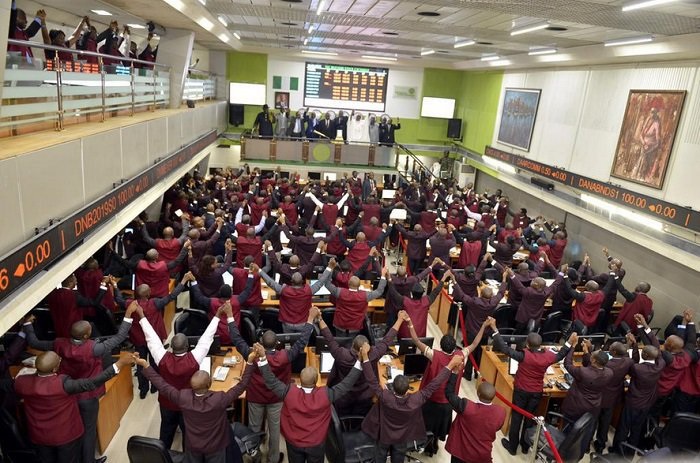
The Nigerian Exchange (NGX) continued its bullish trend on Tuesday, with renewed investor interest in insurance and banking stocks propelling the market upward. The trading session closed with a gain of N254 billion, extending the positive momentum witnessed at the start of the week.

At the close of business, the total market capitalisation of listed companies rose to N88.5 trillion, up from N88.25 trillion recorded in the previous session. Similarly, the All-Share Index (ASI) advanced by 401.36 basis points, representing a 0.29 per cent increase, to close at 139,796.11 points.

Trading Activity Declines Despite Market Gains

According to trading data, investors exchanged 659.16 million shares worth N12.50 billion in 25,320 transactions. This reflected a 30 per cent decline in volume, turnover, and deal count compared with Monday’s trading session.

Market breadth remained in the green, with 36 gainers outpacing 19 losers, while 72 equities closed unchanged.

Top Gainers and Losers

On the gainers’ list, Regency Alliance Insurance led the pack, appreciating by 10 per cent to close at N1.43 per share. It was closely followed by MeCure Industries, which advanced 9.92 per cent to N21.60, and E-Tranzact International, which rose 9.73 per cent to N12.40. Other notable performers included Daar Communications, up 9.57 per cent to N1.03, and Deap Capital, which gained 9.52 per cent to close at N1.84.

On the other hand, Unilever Nigeria topped the losers’ chart with a 9.79 per cent decline to N63.15 per share. FTN Cocoa Processors followed with a 9.40 per cent drop to N5.40, while Ellah Lakes slipped 8.76 per cent to N13.02. Linkage Assurance shed 6.85 per cent to close at N2.04, and Berger Paints dipped 6.33 per cent to N35.50 per share.

Financial Services Dominate Trading

Financial stocks maintained their dominance on the activity chart. FCMB Group was the most traded equity by volume, accounting for 202.49 million shares worth N2.09 billion. It was trailed by Universal Insurance, which recorded 63.14 million shares valued at N79.39 million, and First HoldCo, which exchanged 44.23 million shares valued at N1.34 billion. Regency Alliance Insurance and AccessCorp also saw significant activity, with 30.98 million shares and 26.12 million shares traded, respectively.

In terms of value, GTCO emerged as the leader, transacting shares worth N1.50 billion. First HoldCo followed with N1.34 billion, while MTNN and AccessCorp recorded N800.11 million and N676.41 million, respectively.

Sector Performance Remains Largely Positive

Performance across key market indices reflected widespread positive sentiment. The NGX Top 30 Index rose 0.32 per cent, while the NGX Insurance Index gained 0.98 per cent. The NGX Industrial Index advanced 0.85 per cent, and the NGX Banking Index closed 0.43 per cent higher. Likewise, the NGX Premium Index added 0.47 per cent, and the NGX Consumer Goods Index increased by 0.28 per cent.

On a weekly basis, the NGX has managed to post a marginal gain of 0.05 per cent, despite recording a four-week loss of 4.17 per cent. However, year-to-date, the ASI has maintained a strong growth trajectory with a return of 35.82 per cent, signalling sustained investor appetite for equities.

Analysts’ Outlook

Market analysts attributed the bullish run to sustained demand for low- and mid-cap stocks within the insurance and banking segments, even as broader market sentiment remained mixed.

Meanwhile, the NGX had opened the week on a strong note, with Monday’s session adding N263 billion to market capitalisation, driven largely by renewed positions in consumer goods and insurance equities, particularly PZ Cussons Nigeria and University Press Plc.

Dollar To Naira Exchange Rate For 10th September 2025

Dollar To Naira Exchange Rate For 8th Dec 2023

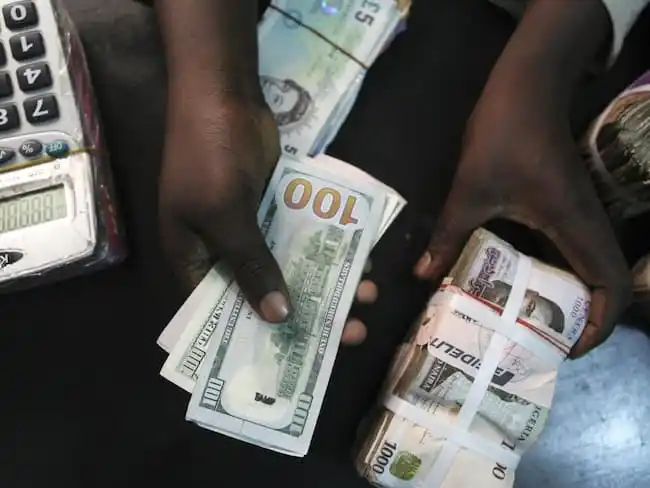
The exchange rate between the Naira and the US dollar, according to the data released on the FMDQ Security Exchange, the official forex trading portal, showed that the naira closed at 1511.00 per $1 on Wednesday, September 10th , 2025. The naira traded as high as 1497.00 to the dollar at the investors and exporters (I&E) window on Tuesday.

How much is a dollar to naira today in the black market?

Dollar to naira exchange rate today black market (Aboki dollar rate):

The exchange rate for a dollar to naira at Lagos Parallel Market (Black Market) players buy a dollar for ₦1526 and sell at ₦1511 on Tuesday 9th September, 2025, according to sources at Bureau De Change (BDC).

Please note that the Central Bank of Nigeria (CBN) does not recognize the parallel market (black market), as it has directed individuals who want to engage in Forex to approach their respective banks.

Dollar to Naira Black Market Rate Today

Dollar to Naira (USD to NGN)Black Market Exchange Rate Today
Buying Rate₦1526
Selling Rate₦1511

Dollar to Naira CBN Rate Today

Dollar to Naira (USD to NGN)CBN Rate Today
Highest Rate₦1509
Lowest Rate₦1497

Please note that the rates you buy or sell forex may be different from what is captured in this article because prices vary.

Google Reports Surge In AI Use Among Nigerian Students

Google Launches Nigeria Elections Trends Hub for 2023 Elections

Artificial intelligence is fast becoming an academic companion for Nigerian students, with Google Search trend data released on Tuesday showing a sharp increase in queries linking AI to learning as schools reopen across the country.

According to Google, searches combining “AI + studying” surged by more than 200 per cent in 2025 compared with the previous year. The data reveals that students are no longer merely curious about AI but are actively incorporating it into their study routines.

Specific subject-focused searches also spiked. Queries such as “AI + chemistry” rose by 50 per cent, while “AI + mathematics” and “AI + languages” each jumped by 30 per cent. Searches related to “AI + grammar” recorded a 20 per cent increase.

Among the most common questions students asked were: “What is the best AI tool for solving mathematical problems?” and “How to use AI to solve math problems?”

Google’s West Africa Director, Olumide Balogun, explained that the data reflects a significant shift in how students approach learning.
“AI is not just providing answers; it is helping learners build a deeper understanding of difficult subjects. From chemistry to mathematics, Nigerian students are using AI to enhance their knowledge base,” he said.

The company also reported a rising interest in general AI-related queries. Searches such as “how to use AI” and “what is the full meaning of AI” grew by 80 per cent, while “who is the father of AI” rose by 70 per cent.

At the same time, searches for “AI detection” skyrocketed by 290 per cent, a trend Google said signals ongoing debates around responsible usage and academic integrity.

Career-oriented searches also reflected the growing importance of AI in the future job market. Google noted that “Generative AI” emerged as a breakout search term over the last 12 months, often linked with “professional certification,” suggesting that young Nigerians are positioning themselves for digital economy opportunities.

Overall, Google confirmed that AI-related searches in Nigeria hit an all-time high in 2025, recording a 60 per cent year-on-year increase.

Resident Doctors Meet To Decide On Nationwide Strike Over Unmet Demands

NARD Calls Off Strike, Resumes Operations Nationwide

The Nigerian Association of Resident Doctors (NARD) will today (Wednesday) convene its National Executive Council (NEC) meeting to decide on whether to proceed with a nationwide strike following the expiration of its ultimatum to the Federal Government.

The association had earlier issued a 10-day ultimatum to the authorities, warning that members would withdraw their services if key demands were not addressed.

This development comes against the backdrop of Nigeria’s overstretched public healthcare system, which continues to battle with inadequate facilities, overcrowded hospitals, and an insufficient medical workforce. Resident doctors, who form the backbone of clinical services in teaching and specialist hospitals, have staged multiple industrial actions in recent years over unpaid allowances, delayed salaries, and poor working conditions.

Health experts have cautioned that another strike could paralyze healthcare delivery nationwide, forcing patients to rely on costly private hospitals and worsening already fragile health outcomes.

In a communiqué issued on September 1, 2025, and signed by NARD President, Dr. Tope Osundara; General Secretary, Dr. Oluwasola Odunbaku; and Publicity and Social Secretary, Dr. Omoha Amobi, the doctors outlined their demands. These include the immediate release of the outstanding 2025 Medical Residency Training Fund, settlement of five months’ salary arrears arising from the 25–35 per cent Consolidated Medical Salary Structure (CONMESS) review, and payment of other outstanding backlogs.

Other demands include the disbursement of the 2024 accoutrement allowance arrears, payment of specialist allowances, and the restoration of recognition for the West African postgraduate membership certificates. The association also called on the National Postgraduate Medical College of Nigeria to issue membership certificates to eligible candidates, implement the revised CONMESS 2024 structure, and resolve pending welfare issues affecting doctors in Kaduna State and at LAUTECH Teaching Hospital, Ogbomoso.

Speaking to The PUNCH on Tuesday, NARD President, Dr. Osundara, confirmed that today’s NEC meeting will be decisive.
“We will evaluate the government’s level of response to our demands. If there has been significant progress, it will shape our decision. However, if no meaningful steps have been taken, we will not hesitate to consider industrial action,” he stated.

NARD First Vice-President, Dr. Tajudeen Abdulrauf, also stressed that failure to meet the association’s demands could result in a total strike.
“The NEC will deliberate tomorrow, but if the government continues to ignore these issues, we cannot guarantee industrial harmony,” he warned.

Naira Strengthens To ₦1,497/$ As External Reserves Climb To $41.57 Billion

Federation Account Amasses Over ₦5trn In 6months- RMAFC

The Nigerian naira tested at ₦1,497 to the United States dollar on Monday, reflecting improved stability in the nation’s foreign exchange market as the country’s external reserves rose to $41.571 billion, according to the latest update from the Central Bank of Nigeria (CBN).

The local currency has continued to show resilience against the dollar in recent weeks, buoyed by ongoing post-reform recovery measures and targeted interventions by the apex bank.

Earlier projections by market analysts suggested that the naira could close 2025 within the range of ₦1,580 to ₦1,600 per dollar. However, recent trends in the FX market indicate that the local currency may outperform these estimates if the current momentum is sustained.

Data from the CBN FX market summary showed that the naira appreciated by 5 basis points, closing at ₦1,506.0850/$ as increased dollar inflows supported trading activities. During Monday’s session, the naira fluctuated between ₦1,497.00 and ₦1,509.50.

At the same time, Nigeria’s gross external reserves climbed by $33.27 million to $41.57 billion as of September 8, 2025, highlighting improved forex liquidity.

Traders noted that the combination of rising reserves and stronger FX inflows has provided a cushion for the naira, with expectations that it may remain steady despite volatility in global commodity prices.

Meanwhile, oil prices nudged upward on Tuesday following reports that Israel had launched strikes against Hamas leaders in Doha, escalating tensions in the region. Brent crude gained 37 cents, or 0.6%, to $66.39 per barrel, while U.S. West Texas Intermediate also advanced 0.6% to $62.63, according to a market note by AIICO Capital Limited.

On the commodities front, gold extended its record-breaking rally, supported by widespread expectations that the U.S. Federal Reserve will introduce a rate cut in September. Spot gold rose 0.2% to $3,643.57 per ounce after touching an all-time high of $3,673.95, while U.S. futures settled at $3,682.20.

Global investors are now closely monitoring next week’s Federal Reserve meeting, where a rate cut is widely expected. Such a move would lower borrowing costs, potentially boosting consumer spending and driving further demand for oil and other commodities.

FG Publishes Official List Of Subjects In New National Curriculum

Rape Education

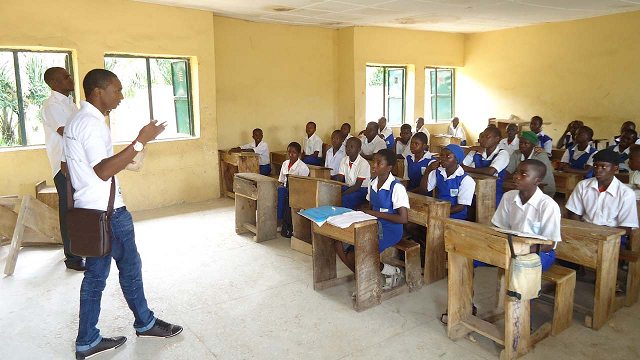
The Federal Government has officially released the approved list of subjects for the recently revised Basic and Senior Secondary Education Curriculum, cautioning schools, parents, and teachers to disregard fake lists circulating across the country.

The Nigerian Educational Research and Development Council (NERDC) confirmed the development in a statement issued on Monday, noting that the authentic list carries the signature of its Executive Secretary, Professor Salisu Shehu, dated September 8, 2025. According to the Council, any alternative subject outlines being shared outside the officially sanctioned list should be ignored.

“We call on all stakeholders—schools, parents, and teachers—to rely solely on the approved curriculum released by NERDC. Any other list being distributed is fake, misleading, and must be disregarded,” the Council declared.

To aid the implementation of the revised curriculum, the NERDC further revealed that nationwide sensitisation programmes and teacher training workshops will commence immediately. These reforms, introduced by the Federal Ministry of Education under its National Education Sector Reform Initiatives (NESRI), are designed to reduce curriculum overload and enhance learning outcomes among Nigerian students.

The new curriculum will be implemented progressively, starting at entry points for each three-year cycle: Primary 1, Primary 4, Junior Secondary School (JSS 1), and Senior Secondary School (SS 1).

NERDC emphasised that the reforms mark a new era in Nigeria’s education system, prioritising relevance, adaptability, and the early development of practical skills among learners.

Approved Subject Breakdown

Primary 1–3 (Minimum: 9 subjects, Maximum: 10 subjects):

  • English Studies
  • Mathematics
  • One Nigerian Language
  • Basic Science
  • Physical & Health Education
  • Christian Religious Studies (CRS) / Islamic Studies (IS)
  • Nigerian History
  • Social and Citizenship Studies
  • Cultural & Creative Arts (CCA)
  • Arabic (Optional)

Primary 4–6 (Minimum: 11 subjects, Maximum: 13 subjects):

  • English Studies
  • Mathematics
  • One Nigerian Language
  • Basic Science and Technology
  • Physical & Health Education
  • Basic Digital Literacy
  • CRS / IS
  • Nigerian History
  • Social and Citizenship Studies
  • Cultural & Creative Arts
  • Pre-vocational Studies
  • French (Optional)
  • Arabic (Optional)

Junior Secondary School (JSS 1–3) (Minimum: 12 subjects, Maximum: 14 subjects):

  • English Studies
  • Mathematics
  • One Nigerian Language
  • Intermediate Science
  • Physical & Health Education
  • Digital Technologies
  • CRS / IS
  • Nigerian History
  • Social and Citizenship Studies
  • Cultural & Creative Arts
  • Business Studies or a Trade Subject (e.g., Solar Installation, Fashion Design, Livestock Farming, Cosmetology, GSM Repairs, Horticulture, etc.)
  • French (Optional)
  • Arabic (Optional)

Senior Secondary School (Core Subjects):

  • English Language
  • General Mathematics
  • One Trade Subject
  • Citizenship & Heritage Studies
  • Digital Technologies

Additional Senior Secondary Subjects (Science, Humanities, Business, and Vocational):

  • Biology, Chemistry, Physics, Agriculture, Further Mathematics
  • Nigerian History, Government, CRS, IS, One Nigerian Language, French, Arabic, Literature in English
  • Geography, Technical Drawing, Visual Arts, Music, Home Management, Catering Craft, Accounting, Commerce, Economics, Marketing
  • Foods & Nutrition, Physical & Health Education
  • Vocational and trade-based subjects

NERDC assured parents and schools that the reforms would bring greater flexibility to Nigeria’s education sector while equipping students with the knowledge and skills needed for future challenges.

NCC And Stakeholders Unite To Strengthen Nigeria’s Telecom Workforce

The Nigerian Communications Commission (NCC), in collaboration with industry stakeholders and government agencies, has renewed calls for urgent action to bridge the widening skill gap in Nigeria’s telecommunications sector.

This commitment was reaffirmed during the Stakeholders’ Consultative Forum on Skill Gaps in the Telecom Value Chain, held in Lagos on Tuesday.

Delivering remarks on behalf of the NCC’s Executive Vice Chairman, Dr. Aminu Maida, the Director of Technical Standards and Network Integrity, Mr. Edoyemi Ogoh, warned that the sector faces one of its most pressing challenges—the shortage of skilled indigenous professionals.

Since the liberalisation of Nigeria’s telecom industry in 2001, over 500,000 jobs have been created, with significant contributions to economic growth and digital connectivity. However, studies, including a 2024 International Telecommunication Union (ITU) report, show that while employers require around 30% of advanced digital skills, only 11% of the current workforce possesses them.

Critical roles such as software developers, ICT engineers, data scientists, and data analysts are becoming increasingly difficult to fill, with demand expected to grow by nearly 29% in the next five years.

Maida cited several factors fueling the gap, including heavy reliance on expatriates leading to capital flight, poor remuneration discouraging local retention, weak alignment of education with industry needs, and rising global demand luring skilled Nigerians abroad.

He highlighted government interventions such as the 3 Million Technical Talent (3MTT) programme, the Digital States Programme, and the National Artificial Intelligence Strategy (NAIS) as part of efforts to address the challenge. Initiatives like the Digital Learning Initiative (DLI), Campus Innovation Entrepreneurship Programme (CIEP), ADEPTI, ADAPTI, and the Digital Awareness Programme (DAP) are also being championed by the NCC.

Maida further noted that one of NCC’s DAP projects in Adamawa recently won the 2025 World Summit on the Information Society Award in the Access to Information and Knowledge category.

Private operators are also playing their part. Airtel Africa has pledged to train 25,000 youths and support UNICEF digital learning in over 1,200 schools, while MTN Foundation is funding scholarships in STEM and inclusive education. Industry associations such as ATCON and IHS have launched incubation and training hubs to boost local expertise.

Gbenga Adebayo, Chairman of the Association of Licensed Telecom Operators of Nigeria (ALTON), stressed that Nigeria still lacks sufficient mid-level professionals such as engineers, riggers, and technicians—skills that are essential to sustaining industry growth. He revealed that his company alone had lost 12 experienced technicians to opportunities abroad in just four years.

Adebayo proposed the creation of a dedicated Nigerian Telecom Academy, modeled after the Petroleum Training Institute, to train mid-level workers. He also suggested expanding the Digital Bridge Institute’s programmes to include practical, hands-on certifications that align with market needs.

“Countries with resilient telecom sectors not only invest in training but also retain their talent. Nigeria must do the same if we want to build a globally competitive digital economy,” Adebayo said.

The forum concluded with breakout sessions where stakeholders developed actionable recommendations to equip Nigerians with the technical, business, and soft skills required to sustain the nation’s digital transformation.

Tinubu Administration Explains Allocation Of 5% Fuel Tax For Road Projects

The Federal Government has clarified how revenue from the recently announced 5% fuel surcharge will be shared, stating that 40% of the proceeds will go toward federal road maintenance, while the remaining 60% will be allocated to state governments.

Chairman of the Presidential Committee on Fiscal Policy and Tax Reforms, Mr. Taiwo Oyedele, disclosed this during an interview on Channels Television’s The Morning Brief on Tuesday.

Oyedele explained that the levy is not a new invention of the current administration, but rather a provision contained in a law passed in 2007. Its enforcement was delayed for years due to the fuel subsidy regime.

“This surcharge did not originate from President Tinubu’s administration. It was introduced under the 2007 Act, but implementation was suspended because subsidies were still in place,” he clarified.

He added that the surcharge was not included in the 2025 tax reform bills signed into law earlier this year and was also not proposed by the Executive to the National Assembly.

“It only resurfaced during deliberations on the reform bills when the need to streamline tax collection processes arose. The decision was to avoid multiple agencies imposing different taxes,” Oyedele noted.

Recent reports suggesting that the 5% surcharge would take effect in January 2026 have sparked outrage, with many Nigerians criticising the policy as poorly timed amid surging inflation and rising fuel costs.

Civil society organisations and labour unions have condemned the move, describing it as punitive. The Trade Union Congress (TUC) branded the policy “economic wickedness” and threatened mass protests if the plan proceeds. Similarly, private sector leaders have warned that the levy could further suffocate businesses already struggling to survive.

Oyedele, however, dismissed claims of a January 2026 commencement date, stressing that no official timeline for implementation has been set.

“There is no directive or policy statement indicating a January 2026 rollout. Speculations about the start date are misleading,” he emphasised.

Despite the controversy, Oyedele insisted that the surcharge offers a sustainable way to fund Nigeria’s deteriorating road infrastructure.

“This policy is about fixing our roads and ensuring proper maintenance across the country. While it may appear burdensome in the short term, Nigerians stand to benefit significantly from better road networks in the long run,” he argued.

The debate over the fuel surcharge is expected to intensify in the coming months as the government balances the need for infrastructure funding with public concerns over rising living costs.

Nigeria World Cup 2026 Qualifiers: Super Eagles’ Hopes Fade After South Africa Draw

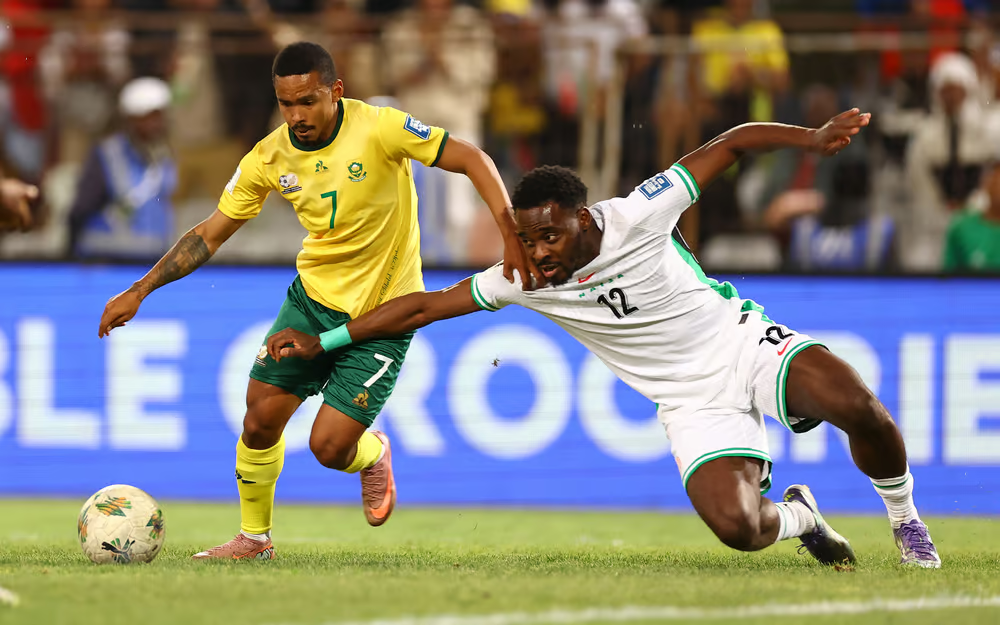
If there was ever a night the Super Eagles needed to show their bite, it was Tuesday in Bloemfontein. Instead, they left the Free State Stadium with a 1-1 draw against South Africa’s Bafana Bafana—a result that feels more like a defeat than a rescue.

Nigeria’s World Cup qualifying campaign now hangs by the thinnest of threads. With just two games left, the math is still there, but the odds? Brutal. Fans who tuned in with hope are waking up to a sobering reality: qualification is still possible, but only just.

A Game of Nerves and Missed Chances

It started badly. William Troost-Ekong, the captain himself, turned a routine cross from South Africa’s Thapelo Maseko into his own net. A groan echoed across Nigerian living rooms—those kinds of moments have a way of sucking the air out of you.

But to their credit, the Eagles didn’t sulk. They pushed back. Just before halftime, Ademola Lookman picked his moment, weaving through midfield, before Moses Simon whipped in a delicious ball. Calvin Bassey rose like a man possessed and nodded it home. For a split second, the roar drowned out doubt.

Still, replays hinted at controversy—the ball may have brushed Bassey’s arm. With no VAR in place, the referee let it stand. Nigeria had their equalizer. Hope flickered. But as the second half trudged on, the game slipped into frustration. No late heroics. No killer punch. Just two sides walking off knowing one was closer to a dream, and the other staring at a nightmare.

What the Numbers Say

Here’s how Group C looks after that bruising draw:

Group C Standings (after 8 matches)

  1. South Africa – 17 pts (5W, 2D, 1L)
  2. Nigeria – 11 pts (2W, 5D, 1L)
  3. Benin Republic – 11 pts (3W, 2D, 2L)
  4. Rwanda – 11 pts (3W, 2D, 3L)
  5. Lesotho – 6 pts (1W, 3D, 3L)
  6. Zimbabwe – 4 pts (0W, 4D, 4L)

South Africa sit pretty at the top with 17 points. Nigeria, Benin, and Rwanda are all locked on 11, but it’s the gap that hurts most—six points between the Eagles and Bafana Bafana with only two matches left.

What Needs to Happen for Nigeria

Now here’s where it gets sticky. Nigeria still has a mathematical chance. But for it to work out:

  • Nigeria must win their last two games (against Lesotho and Benin) → That takes them to 17 points.
  • South Africa must lose their last two games → That keeps them at 17.
  • Then it comes down to goal difference.

Sounds straightforward? Not really. For South Africa to lose back-to-back at this stage, and for Nigeria to not only win but win big enough to tip the goal difference, the stars have to align in ridiculous fashion.

Football is unpredictable, sure. We’ve seen last-day miracles in qualifying campaigns before—think of Algeria’s late heartbreakers or Ghana’s famous comebacks. But right now, it feels more like fans are clutching straws than anything else.

Why This Hurts So Much

For Nigerian fans, this stings deeper than just numbers. The World Cup isn’t just another tournament—it’s a national stage, a chance to remind the world of the country’s footballing pedigree. Missing out would mean back-to-back failures, something the Super Eagles haven’t had to swallow in decades.

And it’s not like Nigeria lacks talent. With Lookman, Osimhen, Simon, and Ndidi, the squad is brimming with European-based stars. But football is more than names on paper. It’s about cohesion, strategy, and seizing moments. Too often in this campaign, the Eagles have been guilty of settling for draws instead of pushing for wins.

Bafana Bafana’s Rising Confidence

Flip the coin, and you’ve got South Africa—calm, confident, and clinical. Bafana Bafana, once written off as perennial underachievers, now sit a heartbeat away from sealing a World Cup spot. FIFA themselves hinted before the match that South Africa could qualify with a win over Nigeria. They didn’t quite get it, but the draw still keeps them within touching distance of glory.

For South Africans, this isn’t just about football—it’s about resurgence. Since their 2010 hosting, they’ve longed for another moment on the global stage. And right now, Hugo Broos’ men look determined to deliver.

Can Nigeria Pull a Rabbit Out of the Hat?

So, here’s the million-naira question: can Nigeria still make it? Technically yes. Realistically? It would require one of the most dramatic collapses in qualifying history. The Eagles need to win, hope Bafana Bafana lose twice, and then outscore them on goal difference.

It’s a tall order, no doubt. But football, as cliché as it sounds, has never been predictable. Remember Greece 2004? Or Leicester’s fairy-tale Premier League run? Stranger things have happened. Maybe, just maybe, the Super Eagles have one last trick up their sleeve.

Final Whistle Thoughts

For now, the draw against South Africa leaves Nigerian fans restless, frustrated, and clinging to “what ifs.” The Eagles still have two games left to fight, and while the odds are stacked high, football thrives on miracles.

Will Nigeria defy logic and book a ticket to the USA, Mexico, and Canada in 2026? Or will this campaign be remembered as one of the greatest disappointments in Super Eagles history?

Either way, fans know one thing: supporting Nigeria is never dull. It’s a rollercoaster of heartbreaks and highs. And maybe, just maybe, there’s still a twist waiting at the end of this ride.

2025 NGX 30 Winners: 10 Stocks Crushing It This Year

NGX Records N60bn Trading

Hey there, fellow money watcher. Ever catch yourself scrolling through stock tickers late at night, wondering which Nigerian giants are actually turning heads this year? Yeah, me too. With the Nigerian Exchange (NGX) buzzing like a Lagos traffic jam—full of energy but sometimes chaotic—it’s easy to feel overwhelmed.

But here’s the thing: the NGX 30 index, that elite club of our biggest and boldest companies, has been dishing out some real winners year-to-date. As of early September 2025, these stocks aren’t just surviving; they’re thriving amid economic twists like inflation tweaks and oil price swings.

Drawing from fresh data out there (think Nairametrics’ latest rundown), I’ve pulled together the top 10 performers. These aren’t random picks—they’re the heavy hitters based on percentage gains, market cap muscle, and overall vibe in sectors from banking to consumer goods. We’ll chat about each one, why it’s popping, and maybe even how it ties into that everyday hustle we all know.

Why bother? Because spotting these can spark ideas for your portfolio, or at least make you nod knowingly at the next family barbecue. Let’s roll through them, shall we? I’ll keep it real—no jargon overload, just straight talk with a dash of insight.

1. Transcorp Hotels – The Hospitality Hotshot Leading the Pack

Picture this: Nigeria’s tourism scene finally shaking off those pandemic cobwebs, and boom—hotels are booking up faster than a rainy season downpour. Transcorp Hotels, ticker HTRANS, tops our list with a whopping 150% year-to-date surge. Trading around ₦12.50 per share lately, this gem boasts a market cap north of ₦100 billion. It’s all about that Transcorp Hilton in Abuja drawing crowds, plus expansions that scream “post-COVID comeback.”

You know what? In a country where business travel’s picking up with events like the African Continental Free Trade Area talks, this stock feels like a safe bet on recovery. Sure, it’s volatile—hospitality always is with fuel costs biting—but analysts whisper it’s undervalued. If you’re eyeing diversification, here’s a nudge: pair it with something stable, like a local brew, for that balanced life analogy.

2. Oando – Oil’s Resilient Rebel with a 140% Kick

Oando, or OANDO on the board, isn’t your grandpa’s staid energy play. Up 140% YTD, it’s trading at about ₦45, with a hefty ₦500 billion market cap that turns heads. This upstream and downstream player rode the global oil rebound, but let’s be honest—it’s the local gas supply deals and refinery buzz that’s fueling the fire. Remember those headlines about Dangote Refinery? Oando’s in the mix, snagging contracts that pad profits.

Here’s the thing: energy stocks can feel like a rollercoaster in Nigeria, what with naira fluctuations and OPEC drama. Yet Oando’s management shake-ups and debt clean-ups have investors cheering. A quick tangent—ever think how oil ties into our daily grind, from fueling generators to powering dreams? This one’s got that emotional pull for anyone betting on Nigeria’s black gold staying golden.

3. UBA – Banking Bossman Delivering 120% Gains

United Bank for Africa (UBA) – ticker UBA – clocks in at 120% YTD, hovering near ₦35 per share and a market cap pushing ₦1 trillion. As one of Africa’s pan-continental banks, it’s cashing in on remittances and digital banking booms. Think about it: with more Nigerians abroad wiring home via apps like their Leo chatbot, fees are flowing like the Niger River.

But wait, isn’t banking risky with loan defaults lurking? Absolutely, and UBA’s not immune—regulatory hurdles from the Central Bank hit hard sometimes. Still, their expansion into Europe and Asia adds that global swagger. It’s like the reliable uncle at family gatherings: steady, but with stories that surprise. For retail investors, UBA’s dividends make it a cozy hold.

4. BUA Cement – Building Dreams at 110% YTD

BUA Cement (BUACEMENT) is stacking wins with 110% growth, priced around ₦120, and a market cap over ₦1.5 trillion. In Nigeria’s construction frenzy—from Lagos skyscrapers to rural roads—cement demand’s through the roof. BUA’s edging out competitors with cheaper production and new plants firing up.

You know what gets me? How infrastructure lags can frustrate us all, yet stocks like this hint at progress. A mild contradiction: cement prices spiked earlier this year due to import curbs, hurting margins short-term, but BUA adapted quick. It’s the everyday analogy of mixing mortar for a solid foundation—boring until your house stands tall.

5. Zenith Bank – The Blue-Chip Darling Up 100%

Zenith Bank (ZENITHBANK), up a clean 100% YTD, trades at ₦50 with a trillion-naira market cap. This tier-one lender shines in corporate finance and tech integrations, like their mobile wallet that’s got everyone buzzing. With interest rates climbing, their loan books are blooming.

Honestly, in a market where trust is currency, Zenith’s rep for clean audits feels reassuring. But let’s not sugarcoat—cyber threats and economic slowdowns nibble at edges. Transitioning smoothly, it’s much like that favorite pair of shoes: comfortable, durable, and always in style for the long walk.

6. Airtel Africa – Telecom Titan Soaring 95%

Airtel Africa (AIRTELAFRI) connects the dots with 95% gains, at ₦4,500 per share and ₦2 trillion cap. Data usage exploding—hello, streaming and remote work—has this telecom giant raking it in across 14 countries. Their 5G rollouts? Game-changers.

Ever feel disconnected in rural spots? Airtel’s bridging that, which tugs at the heartstrings a bit. Sure, regulatory fines pop up, but their subscriber growth tells a happier tale. It’s the phone call to home that matters most, right?

7. Dangote Cement – The Cement King Holding 90% Strong

Dangote Cement (DANGCEM) rules with 90% YTD, around ₦600/share and ₦4 trillion cap. Export pushes to neighbors and efficiency tweaks keep it dominant. Aliko Dangote’s empire-building? Legendary.

But here’s a whisper: competition from imports tests them. Still, like the man himself, it’s unshakeable. Ties into our building boom—think new homes rising like hopes after elections.

8. GTCO – Guaranty Trust’s Steady Climb to 85%

GTCO (GTCO) edges up 85%, at ₦70 with ₦1.2 trillion cap. Fintech arms and wealth management fuel this. Their HabariPay app? Slick.

In banking’s cutthroat world, GTCO’s innovation stands out. A bit formal here: their non-performing loan ratio’s enviably low. Like a well-oiled machine in a workshop.

9. MTN Nigeria – Mobile Muscle with 80% Punch

MTN Nigeria (MTNN) hits 80% YTD, ₦300/share, ₦3 trillion cap. Network upgrades and MoMo payments drive it. Subscriber base? Massive.

Regulatory spats aside—like that fine saga—it’s rebounding. Feels like the lifeline in traffic jams, keeping us linked.

10. Access Holdings – The Conglomerate Closer at 75%

Rounding out, Access Holdings (ACCESSCORP) gains 75%, ₦25/share, ₦1 trillion cap. Banking plus pensions diversify nicely.

Mergers keep it agile. You know, in finance, it’s about that all-in-one wallet feel. Solid finish.

Whew, what a lineup. These NGX 30 stars show Nigeria’s market’s got grit—up overall 25% YTD, per recent buzz. But remember, past performance? No crystal ball. Chat with a broker, diversify like a good stew, and watch trends like election-year spends. Whether you’re a newbie or vet, these picks might just inspire your next move. What’s your take—which one’s catching your eye?

NGX Index Rises As Banking And Insurance Stocks Lead Market Gains

The Nigerian Exchange (NGX) recorded another positive trading session on Tuesday, with the benchmark index climbing 29 basis points, largely driven by strong performances in the banking and insurance sectors.

The rally was bolstered by renewed investor interest in tier-one stocks such as Guaranty Trust Holding Company (GTCO) and Lafarge Africa Plc (WAPCO). Gains in smaller-cap companies also contributed to the market’s overall growth.

Top gainers included REGALINS, MECURE, ETRANZACT, DAAR Communications, and DEAP Capital, while notable laggards were UNILEVER, FTN Cocoa, Ellah Lakes, Linkage Assurance, and Berger Paints.

Among the strongest performers were WAPCO (+6.15%), MANSARD (+6.13%), AIICO (+4.44%), International Breweries (+4.07%), UCAP (+3.85%), and PZ Cussons (+2.41%). Banking giants such as FCMB (+2.38%), Access Holdings (+0.78%), Fidelity Bank (+0.74%), GTCO (+0.54%), UBA (+0.43%), and Zenith Bank (+0.38%) also closed in positive territory.

The All-Share Index settled at 139,796.11 points, marking its third straight gain, while market capitalisation increased by ₦254 billion to reach ₦88.5 trillion.

Market breadth remained strong, with 35 gainers outpacing 19 losers, giving a ratio of 1.84x. REGALINS led the gainers’ chart with a 10% surge, while UNILEVER topped the losers’ list with a 9.79% decline.

Despite the bullish outcome, total trading volume and value dropped by 30.46% and 29.70% respectively, closing at 659.2 million units valued at ₦12.5 billion. FCMB dominated both value and volume charts, accounting for 202.5 million units worth ₦2.1 billion, largely due to structured trades totaling 190 million units at ₦10.35 per share, executed through CardinalStone Securities.

Sectoral performance was largely positive, led by the Insurance Index (+0.98%) on the back of MANSARD and AIICO gains. The Industrial Goods Index (+0.85%) advanced with support from WAPCO, while Banking (+0.43%) and Consumer Goods (+0.28%) indices also posted modest growth.

The Oil & Gas Index fell slightly by 0.05%, weighed down by OANDO (-0.53%), while the Commodity Index ended flat.

Naira Strengthens As Exchange Rate Gap Narrows Against US Dollar

Federation Account Amasses Over ₦5trn In 6months- RMAFC

The Nigerian naira continued its upward momentum against the United States dollar, with the gap between official and parallel market exchange rates narrowing significantly.

On Tuesday, the dollar index dipped as global investors anticipated that the U.S. Federal Reserve may begin cutting interest rates following a weaker-than-expected jobs report. This global shift created favorable conditions for the naira, which has maintained consistent gains in recent sessions amid subdued foreign exchange demand from Nigerian corporates and eligible FX users.

Market analysts attributed part of the local currency’s recovery to the increased adoption of naira debit card alternatives for cross-border payments, reducing pressure on the unofficial market. According to checks conducted by MarketForces Africa, the dollar was trading at ₦1,515 in the parallel market on Tuesday.

At the official FX window managed by the Central Bank of Nigeria (CBN), the naira closed at ₦1,506.08 per U.S. dollar, a slight improvement from ₦1,506.84 recorded previously. The currency also reached an intraday high of ₦1,509.50 during trading, with the spot FX rate briefly touching ₦1,497—the strongest level of 2025 so far.

Data from the CBN confirmed a 0.05% appreciation in the official exchange rate, driven by resilient demand for the naira and reduced speculative trading activities.

Similarly, in the parallel market, the local currency appreciated by 0.61%, closing at ₦1,515 to the dollar. This development reduced the gap between official and unofficial market rates to below ₦10, highlighting improved FX market stability.

Chelle Unveils Troost-Ekong, Lookman in Starting XI for Nigeria vs South Africa World Cup Qualifier

Nigeria’s head coach, Eric Chelle, has released his starting line-up for the highly anticipated World Cup qualifying clash between the Super Eagles and South Africa’s Bafana Bafana, set to take place today (Tuesday).

The decisive encounter is crucial for both teams as they continue their push to secure a ticket to the FIFA World Cup in 2026.

Troost-Ekong Returns, Lookman Adds Firepower

William Troost-Ekong makes his return to central defence after a period on the sidelines, with his leadership and experience expected to stabilize Nigeria’s backline. Meanwhile, Atalanta winger Ademola Lookman, who enjoyed an impressive season at club level, will look to inject speed, creativity, and attacking flair from the flanks.

Chelle’s selection reflects a strategic mix of seasoned players and emerging talents, as the Super Eagles aim to extend their dominance over South Africa in recent encounters.

Pressure on the Super Eagles

Nigeria enters this fixture under intense pressure after inconsistent results in earlier qualifiers, making today’s showdown a must-win to keep their World Cup hopes intact. Fans and analysts alike have described the tie as a defining moment in Chelle’s tenure as head coach.

On the other hand, Hugo Broos’ Bafana Bafana are brimming with confidence after an impressive run of form. Sitting at the top of the group standings, the South Africans will seek to frustrate the Super Eagles by maintaining defensive discipline while looking to strike on the counter.

A Fierce Battle Expected

With both nations boasting top-class players and competitive experience, the contest is expected to be a thrilling and high-intensity affair. Kick-off is scheduled for 5 pm, and the atmosphere at the stadium is set to be electric as fans rally behind the Super Eagles in what is arguably one of the most anticipated fixtures of the qualification campaign.

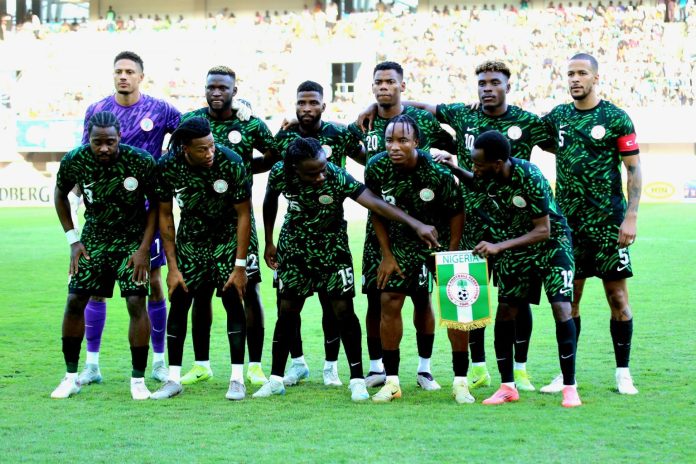
Nigeria’s Starting XI vs South Africa

  • Goalkeeper: 23 Nwabali
  • Defenders: 2 Aina, 4 Ndidi, 5 Ekong (Captain), 21 Bassey
  • Midfielders: 14 Dele Bashiru, 17 Iwobi
  • Forwards: 7 Lookman, 11 Frederick, 15 Simon, 19 Dessers

Substitutes

Adebayo, Onyeka, Awaziem, Arokodare, Chukwueze, Osayi, Uche, Onyemaechi, Obasogie, Agu, Nwadike

Key Factors That Influence Forex Trading Markets

The adoption of a single foreign exchange rate for public and private sector transactions by the Central Bank of Nigeria (CBN), FMDQ and banks has boosted monthly turnover by 94 per cent.

The foreign exchange (forex) market, renowned as the largest financial market in the world, presents traders with vast opportunities but also comes with high volatility. Understanding the forces that drive currency movements is crucial for anyone seeking success in forex trading.

Economic Indicators and Market Reports

Economic performance is one of the most influential drivers of currency value. Governments and financial institutions frequently release data such as:

  • GDP Growth: A strong GDP typically strengthens a nation’s currency.
  • Inflation Rates: Rising inflation tends to weaken a currency unless offset by higher interest rates.
  • Employment Figures: Lower unemployment often signals economic stability, boosting currency strength.
  • Trade Balances: Surpluses from higher exports than imports can support stronger currency performance.

Traders often monitor scheduled economic announcements, as they can trigger immediate volatility in the forex market.

Central Bank Decisions

Monetary policies implemented by central banks play a significant role in shaping forex movements. Decisions such as adjusting interest rates, engaging in quantitative easing, or making official policy statements can instantly shift investor sentiment and impact currency value.

Higher interest rates generally attract investors seeking better returns, thereby strengthening the currency, while lower rates usually have the opposite effect.

Political Stability and Global Events

Political developments also influence currency trends. Stable governments tend to attract foreign investment, while instability—ranging from elections to conflicts or sanctions—can cause depreciation.

Unexpected events such as trade disputes or policy reforms often create ripple effects that traders must anticipate.

Global Market Sentiment

The mood of global investors, known as market sentiment, can swing forex prices. Confidence typically drives investment into riskier currencies, while uncertainty often fuels demand for safe-haven currencies like the US dollar or Swiss franc.

Crises and Natural Disasters

Unforeseen events such as pandemics, floods, earthquakes, or financial crashes can cause sharp fluctuations in forex markets. For example, global health crises often reduce trade and tourism, weighing on national currencies.

The Role of Speculation

Finally, speculation itself moves the market. Large institutional players, hedge funds, and banks often drive momentum by making speculative bets. When enough traders believe a currency will rise, increased demand can push prices upward even without fundamental justification.

Conclusion

While the forex market is complex and fast-moving, understanding the combined impact of economic reports, central bank policies, politics, global sentiment, and crises equips traders to make informed decisions. Staying aware of these factors can significantly improve trading strategies and outcomes.

Dino Melaye Declares PDP “Dead and Buried,” Claims APC Control

Dino Melaye Urges Buhari To Halt Planned $1.5bn Expenditure On PH Refinery

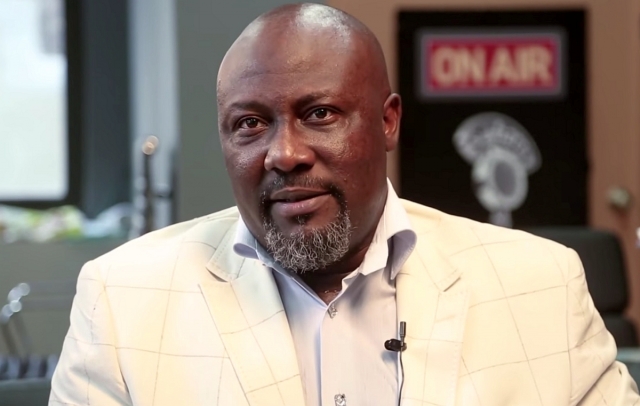
Former Kogi West senator, Dino Melaye, has declared the Peoples Democratic Party (PDP) “dead and buried,” insisting that the opposition party is now effectively under the control of the ruling All Progressives Congress (APC).

Speaking during an interview on Arise Television, Melaye dismissed any prospects of a revival for the PDP, arguing that the party had been infiltrated and manipulated by forces loyal to the presidency.

“Except for our Lord Jesus Christ, no dead can rise again. The PDP is dead and buried. It was sold out, and I doubt there was even a receipt of payment. What exists now is an APC-controlled PDP,” Melaye said.

The former lawmaker, who once contested elections under the PDP, accused unnamed APC loyalists of dictating PDP’s affairs directly from the presidential villa.

“This is a party that has lost its independence. I have always maintained that APC agents run the PDP,” he added.

Melaye also revealed that he had formally left the PDP and is now a member of the African Democratic Congress (ADC), which he described as the only viable alternative to defeat President Bola Tinubu’s APC administration in 2027.

“I am a proud member of the ADC, and by God’s grace, that is the platform that will unseat Tinubu and reclaim the villa come May 29, 2027,” he declared.

The outspoken politician further urged Nigerians to shift focus away from the PDP’s internal crisis and pay attention to pressing national challenges.

“Hunger, malnutrition, misgovernance, and maladministration are the critical issues affecting our country. That is where the conversation should be, not on a party that is already dead,” he emphasized.

BizWatchNigeria.Ng
Privacy Overview

This website uses cookies so that we can provide you with the best user experience possible. Cookie information is stored in your browser and performs functions such as recognising you when you return to our website and helping our team to understand which sections of the website you find most interesting and useful.