Nigeria’s bond market remained bullish this week, with government securities recording a notable drop in yields as investors positioned ahead of fresh issuances for September. Optimism around a potential slowdown in inflation has been a major driver of renewed confidence in the fixed-income space.
Traders in the secondary market reported sustained demand for Federal Government of Nigeria (FGN) bonds, a trend reinforced after the government’s medium-term expenditure framework highlighted a preference for domestic borrowing. This development has further strengthened expectations that yields could be repriced in the coming weeks.
Market watchers are closely awaiting the release of the August Consumer Price Index (CPI) by the National Bureau of Statistics (NBS), which is projected to confirm a gradual disinflationary trend.
According to dealers, bullish trading led to a 15 basis point decline in the average yield, which now stands at 16.68 percent compared to the previous session. Buy-side appetite was heavily concentrated in short-to-mid-tenor papers, while long-dated maturities remained largely stable as investors exercised caution.
Prices of key bonds rose during the session, with strong bids recorded for the 2029 and 2030 maturities. Analysts at investment firms revealed that yields contracted across segments: short-term papers dropped by 24 basis points, mid-term by 22 basis points, and long-term by 1 basis point.
Specifically, the APR-2029 bond fell by 51bps, APR-2032 declined by 48bps, and JUN-2053 edged down by 1bp. Fixed-income experts attributed the contraction to sustained demand across priority maturities, suggesting that investor sentiment could remain positive if inflation data aligns with expectations.
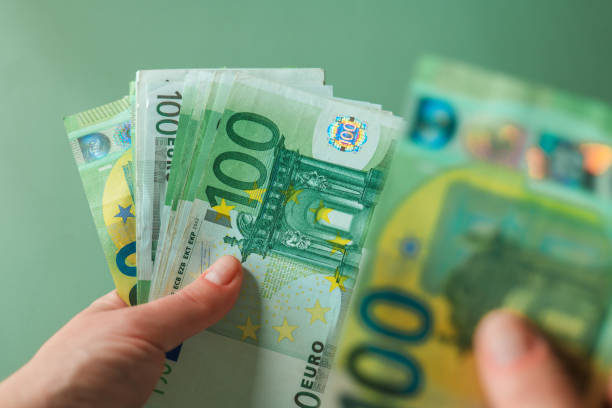
salary of a woman. euro banknotes in hands on a green background. Income of women in European countries
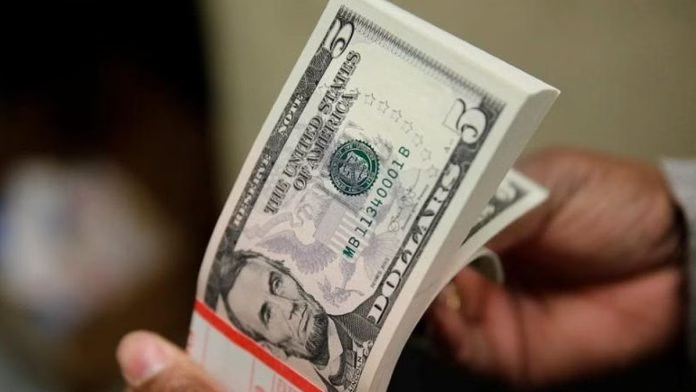
The euro traded flat at $1.17 against the US dollar on Wednesday, with investors adopting a cautious stance ahead of the European Central Bank (ECB) policy meeting and key US inflation data.
The single currency showed little reaction to French political developments, where President Emmanuel Macron appointed Sébastien Lecornu as the new prime minister after François Bayrou was ousted in a parliamentary confidence vote over budget plans.
According to Commerzbank analyst Antje Praefcke, the euro-dollar movement remains largely dollar-driven, with the political reshuffle in Paris already anticipated by markets.
ECB policymakers are expected to keep interest rates unchanged for the second consecutive meeting, as eurozone inflation continues to align with the central bank’s 2% target for the third month running. However, Bank of America has warned that future rate cuts could be deeper than current market expectations due to persistent growth risks in the euro area and tight financial conditions.
Meanwhile, in the United States, inflation is projected to have climbed to 2.9% in August, up from 2.7% in July, marking the highest level since January.
This outlook, coupled with weaker labour market data last week, has strengthened expectations of a Federal Reserve rate cut in September, with some investors even pricing in the possibility of a larger-than-usual adjustment.
The euro’s near-term trajectory now hinges on ECB signals on policy direction and the outcome of upcoming US inflation readings, which could influence global capital flows.
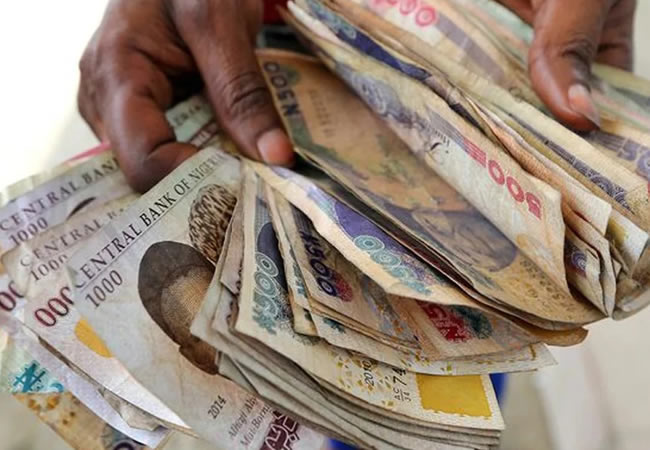
The Nigerian naira extended its recovery streak on Monday, firming to N1501 per US dollar at the official exchange window, amid reduced demand pressure for foreign currency.
Figures from the Central Bank of Nigeria (CBN) showed that the dollar was settled at N1500.92, strengthening from N1506.09 in the previous trading session. Intraday activity also saw the naira touch N1498 per dollar, reflecting sufficient liquidity and steady interventions in the FX market.
This marks nearly N37 gain in 10 days, highlighting growing market optimism about the local currency’s outlook. Analysts say the trend underscores increasing confidence in Nigeria’s economic management and consistent CBN interventions.
Market experts caution that hoarding dollars has become riskier, especially with Nigeria’s external reserves rising to $41.596 billion as of Wednesday.
“It will take time before authorities utilize these reserves, but the determination to stabilise the naira is clear,” noted a senior economist at LSintelligence Associates in a chat with MarketForces Africa.
Reserves data from the apex bank showed that Nigeria’s gross external reserves advanced to $41.6 billion on Tuesday, buoyed by steady inflows from oil receipts, remittances, and other financial sources.
With sustained policy measures and improved liquidity, analysts project further naira resilience in the near term, while warning that speculative dollar holdings could expose investors to losses.
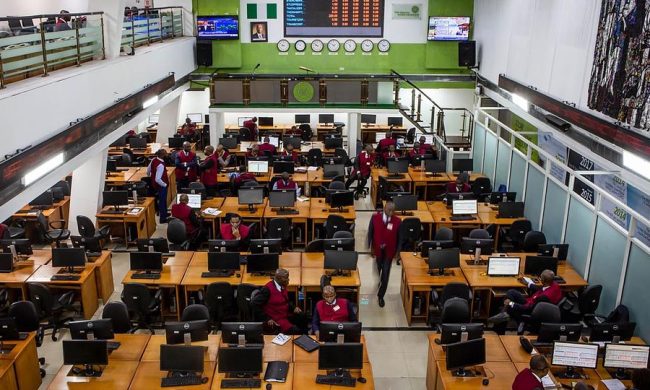
The Nigerian equities market witnessed a significant upswing on Wednesday as investors’ wealth rose by N360 billion, powered by notable gains in cement and oil stocks.
Fresh data from the Nigerian Exchange (NGX) revealed that the benchmark indicators advanced by 0.41 per cent, reflecting renewed investor confidence, bargain hunting, and strong market momentum.
The rally was largely fueled by robust demand in medium and large-cap stocks including Chellaram, FTN Cocoa Processors, Berger Paints, Sunu Assurances, Livestock Feeds, and 33 other equities.
Major drivers of the surge were WAPCO, which appreciated by 6.71%, Dangote Cement (+1.50%), and Aradel Holdings (+3.68%), pushing market capitalisation to N88.813 trillion, up from N88.453 trillion on Tuesday.
The All-Share Index (ASI) also climbed by 569.25 points to close at 140,356.36, while market breadth stayed positive with 38 gainers and 27 losers.
Top gainers included Chellaram (+10.00%, closing at N12.10), FTN Cocoa Processors (+10.00%, closing at N5.94), Berger Paints (+9.86%, N39.00), and Sunu Assurances (+8.91%, N8.00).
On the flip side, FG162029S1 shed 49.49% to close at N55.00, while May & Baker (-9.97%), Union Dicon Salt (-9.72%), C&I Leasing (-7.69%), and Thomas Wyatt Nigeria (-7.04%) were among the session’s biggest laggards.
Trading activity surged, with 767.7 million shares worth N40.64 billion exchanged across 24,837 deals, compared with 659.2 million shares valued at N12.5 billion in the previous session.
FCMB Group dominated the trading chart with 287.7 million shares worth N3.1 billion, followed by Nigerian Breweries (50.5m shares, N3.5bn), Aradel Holdings (43.4m shares, N23bn), and Access Holdings (40.3m shares, N1.1bn).
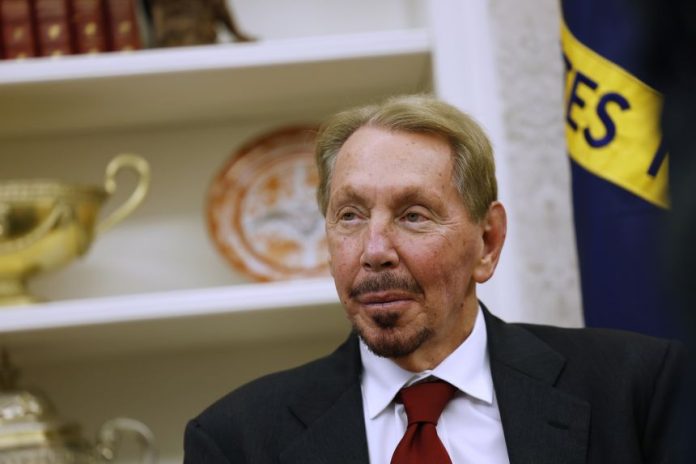
Oracle co-founder Larry Ellison has overtaken Tesla’s Elon Musk to claim the title of the world’s wealthiest individual, bringing an end to Musk’s nearly year-long dominance on the Bloomberg Billionaires Index.
According to Bloomberg, Ellison’s fortune soared by a record-breaking $101 billion on Wednesday after Oracle posted quarterly earnings that surpassed analysts’ expectations and pointed to continued momentum in its cloud computing division.
This historic surge pushed Ellison’s net worth to $393 billion, eclipsing Musk’s $385 billion. The 81-year-old’s gain represents the single largest one-day increase ever documented on Bloomberg’s index.
Oracle’s stock has already rallied 45% this year but experienced an additional 41% jump after the company announced strong customer bookings and a promising outlook for its cloud infrastructure business. Ellison, who currently serves as Oracle’s chairman and chief technology officer, holds most of his fortune in the company’s shares.
Musk, who first reached the top of the wealth rankings in 2021, reclaimed the position last year and maintained it for more than 300 days before being unseated once again. In the past, he has ceded the crown to Amazon founder Jeff Bezos and LVMH chairman Bernard Arnault.
Tesla, meanwhile, has seen its shares dip 13% this year. The company’s board has recently floated a massive pay package for Musk that, if realized, could make him the world’s first trillionaire.
The Nigeria Customs Service (NCS) has announced that the second phase of its recruitment process will take place between September 14 and September 21. This stage will involve an online Computer-Based Test (CBT), according to the service’s spokesperson, Abdullahi Maiwada, who issued a statement in Abuja on Wednesday.
Maiwada explained that the exercise underscores NCS’s dedication to fairness, accessibility, and transparency in the recruitment process.
During the initial phase, which was launched on December 27, 2024, the NCS advertised 3,927 job openings across its Superintendent, Inspectorate, and Customs Assistant cadres. The service received a staggering 573,523 applications, out of which 286,697 were shortlisted after rigorous documentation screening.
Candidates eligible for the CBT will be able to take the test from any location with reliable internet access. However, the service emphasized that the test must be conducted strictly on a desktop or laptop computer equipped with a webcam and full-screen display, as mobile phones will not be permitted.
Facial verification will be mandatory at login, making it necessary for candidates to maintain a neat appearance for smooth recognition. In addition, the system is highly sensitive to movement and background noise; excessive activity, whispering, or distractions could cause an automatic logout.
Maiwada further noted that switching between windows during the test would be flagged as malpractice and could result in disqualification. To help applicants prepare, a compulsory pre-test session will be held two days before the main CBT. Two separate links will be shared with candidates—one for the pre-test and one for the actual examination.
He added that only applicants in the Superintendent Cadre will proceed to an additional CBT stage in the recruitment process. Successful candidates will be notified of further steps through official NCS communication channels.
The spokesperson cautioned applicants against relying on unverified sources for updates, stressing that the NCS does not request payments or conduct recruitment via social media.
Maiwada highlighted that the recruitment aligns with NCS’s mandate to build human capacity and improve service delivery across its operations.
The drama in Big Brother Naija Season 10 reached new heights as three housemates—Rooboy, Dede, and Joanna—who were earlier evicted in the controversial “red phone” twist, made a dramatic return to the house.
The trio re-entered on Wednesday night after spending two days in a hidden room, where viewers continued to watch their every move as part of Big Brother’s long-running surprise eviction format.
Their unexpected eviction earlier in the week shocked housemates and fans alike after show host Ebuka Obi-Uchendu announced their departure, following Biggie’s countdown. Rooboy, who had answered the red phone, was instructed to leave immediately, just as Dede and Joanna had before him.
However, following the Travelbeta task on Wednesday, the three housemates made a surprise comeback one after another, leaving the rest of the contestants stunned. Their return was met with joy, easing the tension and uncertainty that had engulfed the house since their exit.
Joanna boldly stated she intended to remain in the house until the final day, while Rooboy made his presence felt with dramatic flair. Sultana, another contestant, later admitted she suspected the evicted trio would eventually return.
The “red phone twist” has long been one of Big Brother Naija’s most unpredictable tactics, often forcing housemates into sudden exits or punishments. This season, Dede was the first to answer the phone and was told to nominate another contestant—she chose Joanna, resulting in both being declared evicted. Shortly afterward, Rooboy also fell victim to the twist.
Their triple exit left the house in shock and sparked widespread speculation among viewers about whether the eviction was genuine. As seen in past seasons, such “fake evictions” often stir drama, reset house dynamics, and keep fans glued to the show.
Nigeria’s money market rates reflected divergent movements on Wednesday, as liquidity conditions continued to fluctuate across the financial system.
Data showed the Open Repo Rate (OPR) slipped by 8 basis points to 26.42%, while the overnight lending rate inched up by 4 basis points to 26.96%. Analysts attribute the divergence to varying funding needs among banks, though the absence of significant liquidity pressure reduced borrowing from the Central Bank of Nigeria (CBN).
However, banks’ placements into the CBN’s Standing Deposit Facility dipped by 4% to ₦1.70 trillion, underscoring the impact of fluctuating liquidity conditions. Market watchers suggest that with no major outflows anticipated in the near term, system liquidity is likely to remain in surplus.
Cowry Asset Limited reported that the Nigerian Interbank Borrowing Rate (NIBOR) displayed a mixed pattern on Wednesday. The overnight rate declined slightly by 2 basis points to 26.79%, supported by improved liquidity from the maturity of ₦600 billion worth of Open Market Operation (OMO) bills earlier in the week.
The CBN refrained from intervening through OMO auctions or Treasury bill sales, leaving the system flush with liquidity.
Meanwhile, the Nigerian Interbank Treasury Bills (NITB) market experienced varied outcomes. Yields on the 1-month, 3-month, and 6-month maturities rose by 16, 16, and 12 basis points respectively, while the 12-month tenor eased by 14 basis points.
On average, Treasury bill yields in the secondary market ticked higher by 3 basis points to 18.79%, reflecting cautious investor sentiment amid weak demand. Analysts warn that without stronger buying interest, the market may continue to experience pressure in the short term.
The yield on the benchmark 10-year U.S. Treasury note fell to 4.04% on Wednesday, marking its lowest level in five months, as softening inflation data and robust demand in the latest bond auction bolstered investor confidence.
Fresh data revealed that both headline and core U.S. producer prices unexpectedly retreated in August, fueling optimism that disinflationary trends may soon benefit consumers.
For much of this year, concerns over persistent inflation pushed the Federal Open Market Committee (FOMC) to maintain its benchmark interest rates unchanged, even as signs of a weakening labor market emerged. With the Fed set to resume its rate-cutting cycle next week, analysts expect a 25 basis-point reduction, though a small portion of the market is still betting on a more aggressive 50 bps cut following the softer PPI release and disappointing August jobs report.
Despite easing price pressures, the yield curve has continued to steepen. Elevated inflation expectations and mounting criticism of the Fed from the White House have weighed heavily on longer-term maturities, leaving 30-year bonds underperforming significantly compared with shorter-term notes this year.
The latest 10-year Treasury auction reinforced investor appetite, clearing 3 basis points through the when-issued yield, a sign of strong demand.
Daleep Singh of PGIM noted in a recent commentary that while the Fed’s ultimate policy destination is clearer, the pace of monetary easing remains uncertain. He expects policymakers to gradually cut rates by 25 basis points at a time into 2025 until they reach an estimated neutral rate between 3.0% and 3.5%.
Singh added that the gradual strategy allows the Fed to better gauge the effects of tariffs, labor market constraints, and fiscal policy measures on inflation, which he forecasts will likely remain above 3% until at least 2026. The current effective federal funds rate is set at 4.25%–4.50%.
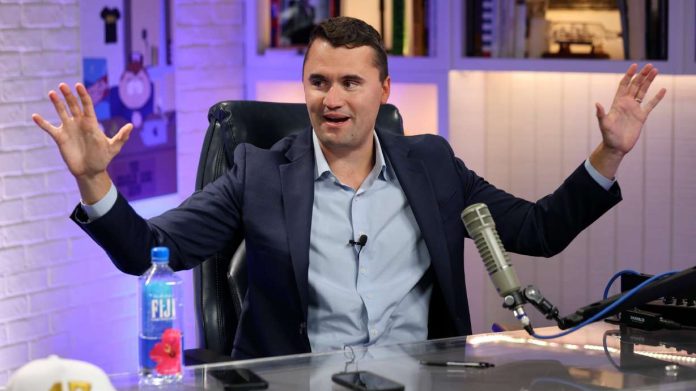
If you’ve been following American politics over the last decade, you’ve probably come across the name Charlie Kirk. Depending on who you ask, he’s either a fearless defender of conservative values or a lightning rod for controversy.
One thing is certain—he’s become one of the most visible voices in the conservative movement, especially among young voters. But who exactly is Charlie Kirk, and why does he matter so much in the U.S. political landscape?
From Suburban Teen to Conservative Firebrand
Charlie Kirk didn’t take the traditional path into politics. He wasn’t groomed in Congress or trained in law; instead, he jumped headfirst into activism as a teenager. At just 18, he co-founded Turning Point USA (TPUSA) in 2012, a nonprofit that sought to bring conservative ideals to college campuses.
While most kids his age were worrying about exams, Kirk was building a grassroots network that would eventually span hundreds of universities. By his early twenties, he was speaking at political conferences, appearing on cable news, and making a name for himself as the go-to conservative voice for America’s youth.
Building a Movement with Trump’s Blessing
Kirk’s influence skyrocketed with the creation of Turning Point Action (TPA) in 2019. Unlike TPUSA, which focused on education and outreach, TPA was explicitly political, endorsing and supporting conservative candidates—many of whom aligned closely with Donald Trump.
His rallies often felt like extensions of Trump campaign events: music blaring, flags waving, and speeches tailored to fire up the MAGA base. Trump himself frequently praised Kirk, crediting him for helping connect the movement to younger audiences and even drawing in some nontraditional Republican voters.
That relationship with Trump wasn’t just symbolic—it solidified Kirk’s role as a major player in the Republican ecosystem.
A Figure Who Thrives on Controversy
Kirk has never shied away from bold statements, even when they spark backlash. He has been one of the most vocal supporters of Trump’s claims of widespread voter fraud in the 2020 election—a stance that drew sharp criticism from Democrats and mainstream outlets.
But here’s the thing: for his base, that defiance is part of his appeal. In an era where political loyalty often matters as much as policy, Kirk’s unwavering alignment with Trump cemented his credibility with the conservative right.
His reach goes far beyond rallies. Kirk hosts a podcast that attracts over 500,000 monthly listeners, and on X (formerly Twitter), he commands a following of 5.3 million people. Love him or hate him, it’s impossible to deny his influence in shaping political conversations online.
The Family Man Behind the Firebrand
It’s easy to see Kirk only as a political figure, but he also emphasizes his personal life. At 31, he’s married with two children. He often references family values, weaving them into his speeches and social media posts. For many of his supporters, this reinforces his authenticity—he doesn’t just preach conservative principles; he presents himself as living them.
That blend of political messaging with personal storytelling makes him relatable to some in a way many career politicians aren’t.
Why He Still Matters in 2025
So, what makes Kirk’s role significant right now? First, his influence among young conservatives is unmatched. Through TPUSA and TPA, he’s built pathways for thousands of students to get involved in politics, giving the Republican Party a long-term pipeline of new voices.
Second, his close connection with Trump keeps him relevant on the national stage. In a Republican Party still shaped by Trump’s presence, Kirk remains one of the loudest and most effective voices rallying the grassroots.
A Dangerous Moment
Recently, Kirk was thrust into headlines for a far darker reason. During an event in Orem, Utah, he was shot by an unknown assailant. Details are still emerging, but the incident highlights the rising tensions around political discourse in America. Public figures—especially polarizing ones like Kirk—are increasingly vulnerable in a climate where disagreements too often spill into violence.
Wrapping It All Together
Charlie Kirk’s story is about more than one man’s rise to prominence—it’s about how political movements are built, how loyalty can shape influence, and how controversy can fuel visibility. From his teenage activism to his partnership with Donald Trump, Kirk has carved out a unique space in America’s political theater.
Agree with his views or not, his ability to mobilize young conservatives and maintain a national platform shows why he’s one of the most important activists of his generation. And now, after the Utah incident, the conversation around him is no longer just about ideology—it’s also about the risks that come with being a public figure in America’s heated political landscape.
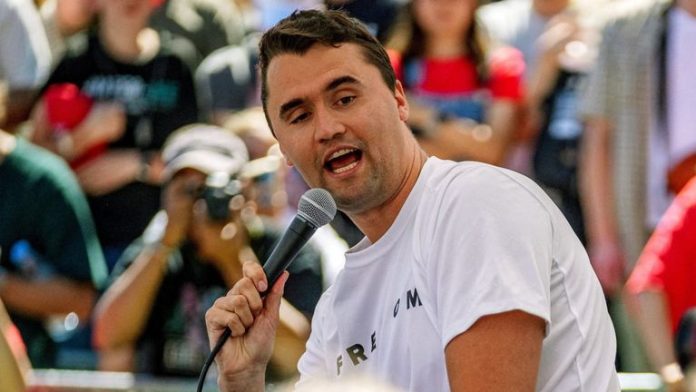
Charlie Kirk, a prominent conservative commentator and a close political ally of former U.S. President Donald Trump, was tragically shot and killed on Wednesday while speaking at a Utah Valley University event in Orem, Utah.
According to university officials, Kirk, 31, was struck in the neck by a single gunshot as he addressed a large outdoor audience. The shocking incident, captured on cellphone footage circulating online, showed Kirk clutching his neck and collapsing from his chair as panicked attendees fled. Police initially reported detaining an individual but later confirmed that no suspect was in custody.
Former President Trump expressed his grief on social media, calling Kirk “The Great, and even Legendary, Charlie Kirk” and praising his role in inspiring America’s youth. “He was loved and admired by ALL, especially me, and now, he is no longer with us,” Trump wrote. He later ordered all U.S. flags to be flown at half-staff nationwide until Sunday in Kirk’s honor.
Shooting During “American Comeback Tour”
The Utah event marked the beginning of Kirk’s planned 15-stop “American Comeback Tour,” a nationwide campus tour designed to spark political debates among young Americans. Known for his confrontational style, Kirk often encouraged live challenges from students at his events.
In the moments leading up to the shooting, Kirk had been asked a pointed question about U.S. gun violence. When an audience member pressed him on the number of mass shootings in the past decade, Kirk responded, “Counting or not counting gang violence?” Seconds later, he was shot.
Videos of the incident, though unverified, depict the chaotic aftermath, with blood visible as attendees screamed and scattered. Authorities have not yet provided details on the shooter or possible motive.
Charlie Kirk’s Influence in Conservative Politics
Kirk, who co-founded the influential youth organization Turning Point USA, was regarded as one of the most important figures in mobilizing conservative student movements nationwide. Turning Point USA is widely considered the largest right-wing youth organization in America, credited with helping strengthen young voter support for Trump during his successful bid for a second term.
At a Phoenix rally in December, Trump directly attributed part of his election success to Kirk and Turning Point’s grassroots organizing efforts, telling supporters, “You had Turning Point’s grassroots armies. It’s not my victory, it’s your victory.”
Beyond his grassroots activism, Kirk built a strong media presence with over 5.3 million followers on X (formerly Twitter), his own podcast and radio show The Charlie Kirk Show, and frequent guest appearances on Fox News. He had also recently served as a guest co-host on Fox & Friends.
A Symbol of Rising Political Violence
The killing of Charlie Kirk is the latest addition to a troubling surge in politically motivated violence across the United States. Since the January 6, 2021 Capitol riot, incidents of threats, attacks, and assassination attempts against political figures have sharply increased.
In July 2024, Trump himself narrowly survived an assassination attempt in Butler, Pennsylvania, when a bullet grazed him during a rally. A second attempt was thwarted just months later by federal security officials.
Other recent acts of political violence include:
The murder of Minnesota lawmaker Melissa Hortman and her husband earlier this year by a gunman impersonating a police officer.
The 2022 hammer attack on Paul Pelosi, husband of former House Speaker Nancy Pelosi, which left him with severe head injuries.
The 2020 foiled kidnapping plot against Michigan Governor Gretchen Whitmer by a right-wing militia group.
The attack on Kirk, however, represents the most high-profile assassination of a conservative activist in recent years.
Bipartisan Reactions
Reactions poured in across the political spectrum following news of Kirk’s death.
Vice President JD Vance, a longtime associate of Kirk, wrote on X: “Eternal rest grant unto him, O Lord.”
California Governor Gavin Newsom condemned the shooting in strong terms, writing: “The attack on Charlie Kirk is disgusting, vile, and reprehensible. In the United States of America, we must reject political violence in EVERY form.”
At the White House, staff members who admired Kirk were reported to be visibly shaken as the news spread.
As the investigation continues, Kirk’s killing has reignited urgent conversations around political extremism, the growing culture of hostility, and the safety of public figures in a deeply divided America.
Oil prices rose on Wednesday as escalating geopolitical tensions in the Middle East and the prospect of tougher US sanctions on Russia fueled supply concerns.
Brent crude climbed 0.7% to $66.85 per barrel, up from $66.38 in the previous session, while West Texas Intermediate (WTI) gained 0.7% to $62.95.
The rally followed Israeli airstrikes targeting senior Hamas leaders in Doha — an attack condemned by Qatar as “treacherous” and “state terrorism.” Qatar, alongside Egypt and the US, has been mediating cease-fire efforts in Gaza, where Israel’s war has killed more than 64,000 Palestinians since October 2023.
Adding to market unease, Russia launched its largest aerial assault on Ukraine since the start of the war, setting ablaze a government building in Kyiv. The attack prompted US President Donald Trump to warn of a “new phase of sanctions” against Moscow. The European Union’s sanctions envoy was also in Washington to coordinate further measures, raising the risk of tighter restrictions on Russian crude supplies.
Meanwhile, trade friction between the US and India persisted after Washington imposed tariffs of up to 50% on Indian imports in retaliation for New Delhi’s continued purchases of Russian oil. Trump said negotiations were ongoing to address the dispute.
On the supply side, US crude inventory data added another layer of uncertainty. The American Petroleum Institute reported a stock build of 1.25 million barrels for the week ending September 5, compared with forecasts of a 622,000-barrel increase, signaling weaker demand.
Analysts said the combination of geopolitical flashpoints and potential new sanctions on Russia is likely to keep oil markets volatile in the near term.
The European Commission has suspended all financial support to Israel in response to the country’s military actions in the Gaza Strip, Commission President Ursula von der Leyen announced on Wednesday.
Speaking at the European Parliament in Strasbourg, von der Leyen said, “We will put our bilateral support to Israel on hold. We will stop all payments in these areas without affecting our work with civil society or Yad Vashem.”
She also proposed targeted sanctions against “extremist ministers and violent settlers,” stressing that “man-made famine can never be a weapon of war.”
Describing the humanitarian situation in Gaza as “unacceptable,” von der Leyen urged Europe to lead by example: “For the sake of the children, for the sake of humanity, this must stop.”
In addition, she called for a partial suspension of the EU-Israel Association Agreement, which has underpinned political and economic relations between both sides since 2000.
Israel launched its offensive in Gaza following Hamas’s October 7, 2023, attack, in which about 1,200 people were killed and more than 250 taken hostage. Since then, the Hamas-run health authority in Gaza reports that over 64,500 Palestinians have been killed, with extensive destruction across the enclave.
Excess liquidity in the banking system continued to shape money market dynamics this week, driving down short-term benchmark interest rates despite muted activity.
Analysts noted that interbank borrowing costs remained relatively lower, reflecting the system’s surplus liquidity. The Central Bank of Nigeria (CBN), however, did not conduct open market operations (OMO) as expected, allowing excess funds to persist.
AIICO Capital Limited, citing CBN data, reported that system liquidity stood at ₦1.875 trillion on Tuesday, down from over ₦1.961 trillion the previous day. This has prompted increased sterilisation of funds by banks through the CBN’s Standing Deposit Facility.
As a result, the Nigerian Interbank Borrowing Rate (NIBOR) fell across all maturities. The Overnight (O/N) rate declined by 14 basis points to 26.81%, while 3-month, 6-month, and 12-month NIBOR dropped by 2, 2, and 8 basis points, respectively, according to Cowry Asset Limited.
The movement was further supported by inflows from ₦600 billion OMO maturities this week. Money market rates displayed mixed trends, with the O/N rate dipping 3 basis points to 26.92% and the Open Repo Rate (OPR) holding flat at 26.50%.
Meanwhile, the Nigerian Interbank Treasury Bills True Yield posted a varied performance. Yields on the 1-month and 3-month tenors rose by 3 and 13 basis points, respectively, lifting the average NT-Bills yield by 4 basis points to 18.75%. This indicates lingering weak sentiment in the secondary market.
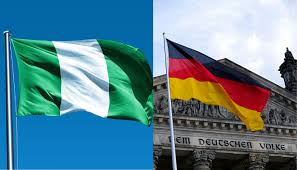
The Federal Government, in partnership with Germany and the European Union, has launched the €18.3 million EU-VACE TARED Project, a four-year initiative designed to transform Nigeria’s agricultural sector through climate-smart practices, job creation, and inclusive value chain development.
The programme, Agriculture Value Chain Facility: Transformative Agricultural Systems for Rural Economic Development, will focus on four priority value chains: cocoa, dairy, tomatoes, and ginger. Running from October 2024 to September 2028, it will be implemented by the Deutsche Gesellschaft für Internationale Zusammenarbeit (GIZ) in collaboration with the Federal Ministry of Budget and National Planning and the Federal Ministry of Agriculture and Food Security.
Seven states which include Cross River, Kano, Kaduna, Kebbi, Ondo, Oyo, and Plateau, have been selected as project hubs. The initiative seeks to boost food security, promote innovation, and expand economic opportunities for women and youth.
Minister of State for Agriculture and Food Security, Aliyu Abdullahi, said the project aligns with President Bola Tinubu’s Renewed Hope Agenda, particularly in food security, poverty reduction, job creation, and inclusivity. He described the initiative as “a transformative pathway” to address post-harvest losses, climate shocks, and limited financing.
Minister of Livestock Development, Idi Maiha, underscored the importance of strengthening the dairy value chain, noting that Nigeria spends about $1.5 billion annually on dairy imports. “Together, we can change the narrative by building local industries, creating jobs, and reducing dependence on imports,” he said.
Head of the EU Delegation to Nigeria, Gautier Mignot, said the project forms part of the EU’s Global Gateway strategy and Team Europe initiative, aimed at sustainable growth. He emphasised the need to make agriculture attractive for young Nigerians, describing the programme as a platform for building the next generation of “agripreneurs.”
Deputy Head of Mission at the German Embassy, Johannes Lehne, reaffirmed the EU and Germany’s commitment, calling the project a “strategic investment” in Nigeria’s agricultural future.
Oladoyin Olawaiye, Deputy Country Director of GIZ Nigeria and ECOWAS, highlighted the project’s broader social benefits. “EU-VACE TARED is about more than agriculture; it is about creating jobs, building resilience, and giving young Nigerians opportunities to thrive,” she said.
The project is expected to support smallholder farmers and MSMEs with access to finance, innovation, and international markets, while promoting climate-smart farming practices, reinforcing agriculture as a key driver of inclusive and sustainable growth in Nigeria.
The Federal Government has reaffirmed its commitment to decriminalising attempted suicide in Nigeria, with December 2025 set as the target date for the reform. Coordinating Minister of Health and Social Welfare, Prof. Muhammad Pate, disclosed this on Wednesday in Abuja at a press briefing to mark the 2025 World Suicide Prevention Day, themed “Changing the narrative on suicide, creating hope through action.”
Pate, represented by the ministry’s Permanent Secretary, Daju Kachollom, explained that criminalising attempted suicide under Sections 327 and 231 of the Criminal and Penal Codes has discouraged many distressed Nigerians from seeking help and worsened stigmatisation.
“Increased awareness, early identification of warning signs, improved access to mental health care, and compassionate community support can significantly reduce suicide rates,” he said.
To drive the reform, the government inaugurated a National Taskforce on the Decriminalisation of Attempted Suicide in October 2024, chaired by Prof. Cheluchi Onyemelukwe, with a mandate to transition from punishment to a public health–oriented response.
The minister confirmed that a government white paper and a draft amendment to the National Mental Health Act 2021 have been finalised. The amendment bill seeks to repeal punitive provisions and align Nigeria with global best practices.
“I have reviewed and adopted the draft documents as the official position of the ministry,” Pate said, noting that engagements with the Attorney-General are ongoing before an Executive Bill is presented to the Federal Executive Council.
Other speakers, including officials from the National Mental Health Programme and the Clinton Health Access Initiative, stressed that criminalising suicide attempts worsens stigma, urging compassion-driven reforms to save lives.
The Federal Road Safety Corps (FRSC) has announced plans to deepen collaboration with the Nigerian Army in the areas of intelligence sharing, security support, and joint capacity-building programmes for security agencies.
Assistant Corps Marshal Ann Oladayo, Zonal Commanding Officer for Lagos and Ogun states, disclosed this during a courtesy visit to the General Officer Commanding (GOC) 81 Division, Maj.-Gen. Farouk Mijinyawa, in Lagos on Wednesday.
Oladayo highlighted areas of partnership to include security cover for special operations, training and retraining of drivers, and enhancing vehicle safety standards. She explained that the initiative aligns with the FRSC’s 2025 Strategic Goal Two, which focuses on strengthening the agency’s role as the lead authority in traffic management and administration.
“The corps would like to bring our professionalism to help in training your new Army recruits in driving. We will also want to engage some of your retiring officers who intend to take up driving as a profession,” she added.
In response, Maj.-Gen. Mijinyawa commended the FRSC’s efforts and pledged continued Army support. He noted that the military already works closely with security agencies such as the Police, Customs Service, and FRSC to maintain stability in Lagos and Ogun states.
In a related development, Oladayo also met with ACG Ope Fatinikun, Zonal Coordinator of the Nigerian Correctional Service (Zone A, Lagos), where discussions focused on inter-agency synergy. Issues raised included the stigmatisation of ex-convicts, driver’s licence acquisition, and the management of traffic offenders remanded in correctional facilities.
The Independent National Electoral Commission (INEC) has formally recognised the David Mark-led leadership of the African Democratic Congress (ADC).
The recognition comes after a period of internal restructuring within the party, which produced new national officers tasked with repositioning the ADC ahead of upcoming elections.
Others officially acknowledged by INEC include former Osun State Governor, Rauf Aregbesola as National Secretary, Dr. Ibrahim Mani as National Treasurer, Akibu Dalhatu as National Financial Secretary, and Prof. Oserheimen Osunbor as National Legal Adviser.
With this endorsement, the Mark-led leadership is expected to begin nationwide reconciliation and mobilisation efforts to strengthen the party’s structures ahead of the 2027 general elections.
The national electricity grid collapsed on Wednesday, triggering a blackout across parts of the country. The Abuja Electricity Distribution Company (AEDC) confirmed the incident in a public notice shared on its X handle, stating that the disruption occurred at 11:23 a.m. and cut off supply to its franchise areas.
“Please be informed that the power outage currently being experienced is due to a loss of supply from the national grid at 11:23 a.m. today, affecting electricity supply across our franchise areas,” the notice read.
The distribution company assured customers that efforts were underway to restore supply. “We are working closely with the relevant stakeholders to ensure power is restored once the grid is stabilised,” AEDC added, while providing contact lines for further inquiries.
Nigeria’s grid has long struggled with reliability challenges. In 2024, the system collapsed 12 times and has recorded more than 100 incidents over the past decade. The most recent nationwide collapse occurred in February 2025.
Amid repeated disruptions, the Nigerian Electricity Regulatory Commission (NERC) in April approved licences for six firms and one private university to generate and distribute power independently. Interestingly, NERC’s July report had noted that no system disturbance was recorded in the first quarter of 2025.
The Federal Government has officially published Nigeria’s new tax reform laws in the national gazette, following President Bola Tinubu’s assent on June 26. The announcement was made in a statement signed on Wednesday by Kamorudeen Yusuf, Personal Assistant on Special Duties to the President.
The reforms introduce four new legislations:
Nigeria Tax Act 2025
Nigeria Tax Administration Act 2025
Nigeria Revenue Service (Establishment) Act 2025
Joint Revenue Board (Establishment) Act 2025
According to the gazette, small businesses with an annual turnover below ₦100 million and assets valued under ₦250 million will be exempted from corporate tax. For large firms, the corporate tax rate may be reduced from 30% to 25% at the President’s discretion.
Other key provisions include:
Top-up tax thresholds set at ₦50 billion for local firms and €750 million for multinationals.
5% annual tax credit for companies undertaking eligible projects in priority sectors.
Permission for firms transacting in foreign currency to pay taxes in naira, using official exchange rates.
The Nigeria Tax Act and Nigeria Tax Administration Act will take effect on January 1, 2026, while the Nigeria Revenue Service Act and Joint Revenue Board Act became effective immediately from June 26.
“These reforms aim to simplify Nigeria’s tax system, support small businesses, attract investment, and strengthen fiscal stability, in line with President Tinubu’s Renewed Hope Agenda to diversify revenue away from oil,” the statement added.