Key points
- President Bola Tinubu has approved a new framework aimed at attracting up to $50 billion in fresh investment into Nigeria’s deep offshore oil and gas sector.
- The reform replaces project-by-project negotiations with a transparent, rules-based incentive framework.
- It is being implemented through the Deep Offshore Oil and Gas Projects Incentives (Tax Remission) Order, 2026.
- The framework is expected to support the revival of stalled offshore projects, beginning with the $10 billion Bonga South West development.
- Government says the reform could boost crude production, create skilled jobs and strengthen Nigeria’s oilfield services and local supply chains.
- The Presidency says qualifying projects will prioritise execution within Nigeria where commercially and technically feasible.
- The reform comes amid renewed offshore investment activity, including ExxonMobil and its partners’ $1 billion Usan Infill Project.
Main Story
President Bola Tinubu has approved a new investment framework for Nigeria’s deep offshore oil and gas sector, targeting up to $50 billion in fresh investment and seeking to revive major offshore projects that have remained stalled for years.
The approval was announced on Tuesday by Bayo Onanuga, Special Adviser to the President on Information and Strategy.
According to the Presidency, the framework, introduced through the Deep Offshore Oil and Gas Projects Incentives (Tax Remission) Order, 2026, is designed to provide investors with greater certainty while protecting Nigeria’s long-term economic interests.
The reform marks a shift away from the previous system of negotiating incentives separately for individual projects. Instead, qualifying offshore developments will operate under clearly defined eligibility requirements, implementation procedures and investment incentives.
The Presidency said the framework would support the next generation of deep offshore developments, beginning with the approximately $10 billion Bonga South West project.
The initiative is expected to improve Nigeria’s competitiveness in attracting international capital at a time when the country is seeking to reverse declining oil production and stimulate investment in new fields.
The Issues
Nigeria’s deep offshore sector has faced significant investment challenges in recent years, with ageing fields, high development costs and regulatory and fiscal uncertainties affecting new projects.
The decline in offshore investment has broader consequences for the Nigerian economy because crude oil remains a major source of foreign exchange and government revenue.
The latest reform therefore seeks to address one of the industry’s central concerns: investment certainty.
By replacing individual negotiations with predetermined rules, government hopes investors will have greater clarity when assessing the commercial viability of large and capital-intensive offshore projects.
However, the success of the policy will ultimately depend on how effectively the incentives translate into Final Investment Decisions, actual project execution, increased production and measurable economic benefits.
What’s Being Said
Olu Arowolo-Verheijen, Special Adviser to the President on Oil and Gas
Arowolo-Verheijen said the reform was designed to ensure that the benefits of increased offshore investment extend beyond crude production.
“The objective is not only to increase investment and production, but also to create skilled jobs, deepen local supply chains and position Nigeria as Africa’s regional hub for deep offshore project execution.”
She said qualifying projects would prioritise execution within Nigeria wherever commercially and technically feasible, potentially creating opportunities for Nigerian engineering, fabrication, marine logistics, technical services and project management companies.
President Bola Tinubu
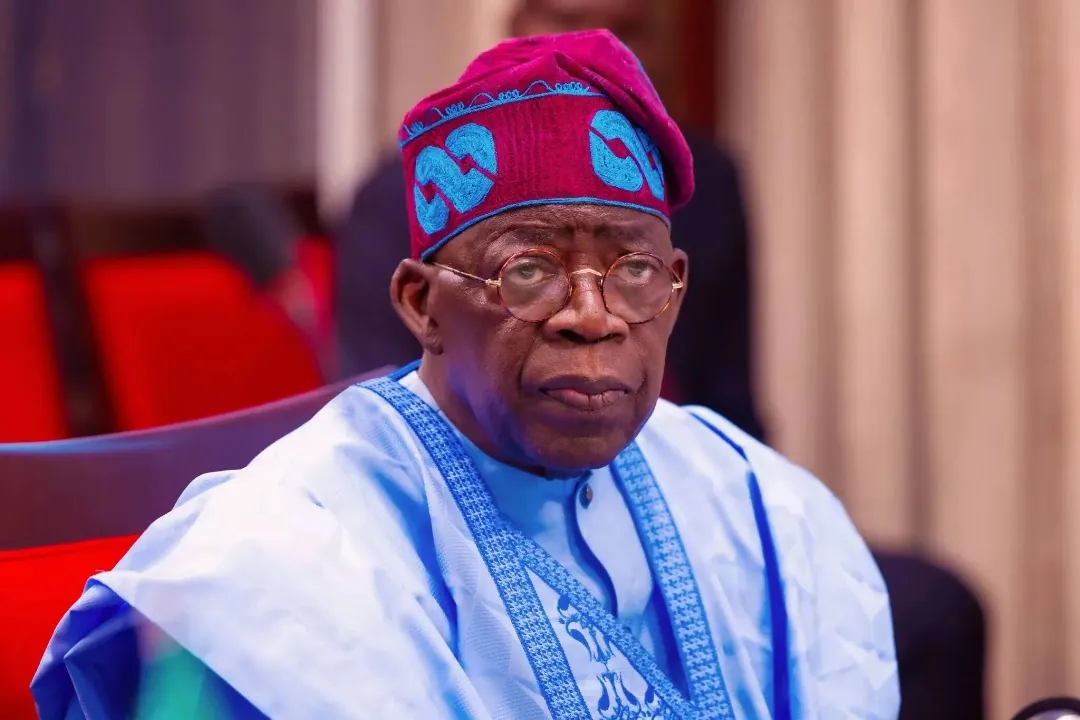
Tinubu said the reform was part of his administration’s broader effort to create a predictable investment environment.
“We are creating the conditions for capital to flow, for Nigerian businesses to grow, for our people to prosper and for our natural resources to deliver lasting national value.”
What’s Next
The immediate focus is expected to be on translating the new framework into investment decisions for major offshore projects, particularly Bonga South West.
The project is expected to serve as an important test of whether the new incentive regime can unlock large-scale capital commitments and accelerate offshore development.
Government will also be expected to ensure that the framework strengthens local participation by creating opportunities for Nigerian businesses across engineering, fabrication, logistics, technical services and other areas of the offshore value chain.
The administration will also be watching the impact of the incentives on oil production, employment, foreign exchange earnings and government revenue.
Recent Offshore Investment Momentum
The latest approval builds on previous efforts by the Tinubu administration to revive deep offshore investment.
In January 2026, the President approved the gazetting of targeted investment-linked incentives for Shell’s proposed Bonga South West project, aimed at accelerating capital inflows and supporting the project’s Final Investment Decision.
The latest development also follows a $1 billion commitment by ExxonMobil and its partners to the Usan Infill Project, which is expected to increase Nigeria’s crude production by about 40,000 barrels per day.
Together, the developments point to renewed efforts to restore investor confidence in Nigeria’s offshore petroleum industry.
Bottom Line
Tinubu’s deep offshore reform represents a major attempt to move Nigeria’s oil industry from negotiation-driven incentives to a more predictable investment regime.
If successfully implemented, the framework could unlock billions of dollars in capital, revive stalled projects, increase crude production and generate jobs across Nigeria’s oil and gas value chain.
But the real measure of success will not be the $50 billion investment target on paper; it will be whether the new rules translate into actual investment, completed projects, higher production and sustainable economic value for Nigerians.