









Home Blog Page 64

How Crypto Helps Preserve Wealth In Nigeria Amid Economic Uncertainty

Why You Should Add Crypto To Your Retirement Mix

You know, in a country like Nigeria where the economy can feel like a rollercoaster—one day the naira is holding steady, the next it’s tumbling—it’s no wonder folks are scrambling for ways to keep their hard-earned money from slipping away.

I’ve talked to entrepreneurs in Lagos who swear by cryptocurrency as their secret weapon against inflation and devaluation. But is it really that straightforward? Let’s unpack how crypto is stepping in as a tool for wealth preservation amid all this uncertainty.

The Tough Reality of Keeping Wealth Intact in Nigeria

Picture this: You’ve saved up for years, only to watch inflation gobble up your naira’s value faster than you can say “economic reform.” It’s a common headache here. The naira has been on a wild ride, especially since the government floated it a couple of years back, letting market forces call the shots. That move sparked a sharp drop, making everything from imported gadgets to everyday groceries pricier. And don’t get me started on inflation—it’s been hovering in the double digits, outpacing whatever meager interest your bank account might offer.

These aren’t just abstract numbers; they hit real people hard. A business owner in Abuja might see their profits evaporate overnight because raw materials suddenly cost more. Or think about a young professional saving for a home—the dream keeps drifting further away as the currency weakens. It’s frustrating, right? This backdrop has pushed many to look beyond traditional banks and investments, straight into the digital world of crypto.

Before crypto burst onto the scene, people leaned on tried-and-true methods. Real estate was a big one—buying land or property in growing areas like Lekki or Maitama, hoping it appreciates. Then there were stocks on the Nigerian Exchange, bonds, or even stashing dollars under the mattress (or in a forex account, if you’re playing it safe). Fixed deposits at banks offered some stability too. But here’s the catch: These often demand a hefty upfront sum, and they’re not always easy to liquidate when you need cash quick. Plus, with regulatory shifts and market dips, they’re not foolproof.

Why Crypto Is Gaining Ground as a Shield

So, enter cryptocurrency—a borderless, decentralized powerhouse that doesn’t bow to any one government’s whims. It’s like having a financial escape hatch when local systems falter. Nigerians are flocking to it because it promises to hold value better during turbulent times. When the naira dips, holding onto something like Bitcoin can mean your wealth doesn’t take the same hit.

What makes crypto so appealing? For starters, it’s a solid hedge against inflation. Unlike fiat money that central banks can print endlessly, many cryptos have built-in scarcity. It’s accessible too—just grab your smartphone, connect to the internet, and you’re in. No need for fancy bank approvals. And for those sending money abroad or receiving remittances, it’s a game-changer—fast, cheap transfers without the usual red tape. Best of all, you control your assets directly via private keys, putting the power back in your hands.

But let’s be real; it’s not all sunshine. Crypto’s wild price swings can keep you up at night, and with regulations still in flux, you have to stay sharp. Still, for entrepreneurs dodging economic pitfalls or investors eyeing global opportunities, it’s becoming a staple in their toolkit.

Spotlight on the Top Cryptos for Protection

When it comes to picking cryptos for wealth preservation, Bitcoin leads the pack. Often dubbed “digital gold,” it caps out at 21 million coins— no more, no less. That scarcity mimics precious metals, making it a buffer against devaluation. Back in 2023, when the naira plummeted after policy changes, Bitcoin’s value in local terms shot up, helping holders maintain their buying power. It’s not tied to Nigeria’s economy, so when things get shaky here, it often holds firm or even climbs.

Beyond Bitcoin, there’s a whole lineup worth considering. Ethereum stands out for its smart contracts, which let you dive into decentralized finance (DeFi) apps—think earning interest on your holdings without a bank middleman. Ripple, or XRP, shines for speedy cross-border payments, perfect for Nigerians with international ties. Litecoin offers quicker, cheaper transactions than Bitcoin, making it handy for everyday use. And then there are stablecoins like USDT, tethered to the U.S. dollar for that extra layer of predictability. They’re like a digital version of holding forex, minus the hassle of physical cash.

Choosing the right one depends on your goals. If you’re after long-term storage, Bitcoin’s your bet. For more active management, Ethereum’s ecosystem opens doors to yields that beat traditional savings.

The Evolving Rules of the Game in Nigeria

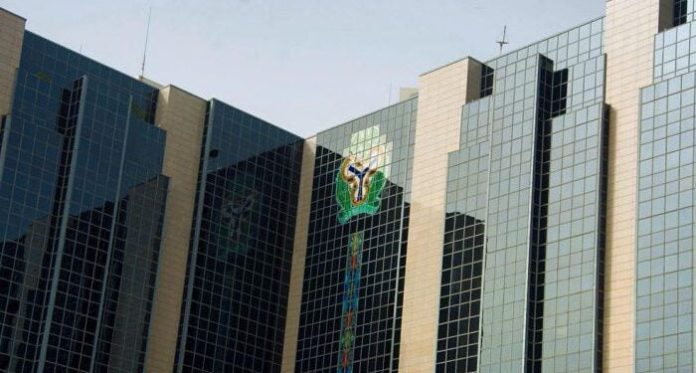
Navigating crypto here means keeping an eye on the regulators—it’s a bit like dancing with a partner who’s constantly changing steps. Back in 2021, the Central Bank of Nigeria (CBN) dropped a bombshell, barring banks from dealing in crypto. That didn’t kill adoption; it just drove it underground, boosting peer-to-peer platforms. Fast forward to late 2023, and things softened—the CBN issued guidelines letting licensed virtual asset providers link up with banks again.

The Securities and Exchange Commission (SEC) is chiming in too, crafting rules to foster growth while shielding investors. Crypto isn’t official tender, but owning and trading it is fine as long as you follow the lines. It’s a work in progress, with aims to curb money laundering and boost financial inclusion. For professionals, this means opportunity: As frameworks solidify, crypto could integrate more seamlessly into business strategies, like hedging against currency risks in import-export deals.

Staying Safe: Dodging Pitfalls and Locking It Down

Honestly, crypto’s biggest draw—its openness—also invites trouble. Scams are rampant, from phony schemes dangling sky-high returns to phishing ploys after your keys. I’ve heard stories of folks losing fortunes to fake ICOs or social media hype. It’s heartbreaking, but avoidable.

To stay protected, dig deep before committing funds. Double-check wallet addresses and sites—typos can cost you dearly. Stick to trusted exchanges like Binance or local ones vetted by the community. And ignore those “guaranteed” profits on Twitter; if it sounds too good, it probably is.

On storage, security is non-negotiable. Hardware wallets like Ledger or Trezor keep your assets offline, away from hackers—think of them as a digital vault. Software wallets are convenient for mobile use but riskier if your device gets compromised. Avoid leaving everything on exchanges; remember the mantra, “Not your keys, not your crypto.” It’s about owning your wealth outright.

A mild contradiction here: While crypto empowers you, it demands discipline. Sure, it’s decentralized, but that freedom means no safety net if you slip up. Explaining it this way—treat it like guarding family heirlooms—helps drive the point home.

Wrapping It Up: Is Crypto Your Next Move?

In the end, as Nigeria grapples with economic headwinds, crypto emerges as a compelling ally for wealth preservation. It sidesteps the naira’s woes, offering a global lifeline that traditional options sometimes can’t match. From Bitcoin’s steadfast scarcity to stablecoins’ reliability, there’s a fit for various risk appetites.

But success hinges on smarts: Grasp the regs, mitigate risks, and secure your holdings. Tools like portfolio trackers on apps such as CoinMarketCap can help monitor trends, tying into broader financial planning. With the right approach, crypto isn’t just a hedge—it’s a step toward greater financial autonomy in uncertain times.
CUSTOMS, NCC REINFORCE COLLABORATION ON DEVICE MONITORING, SECURITY, PUBLIC SAFETY

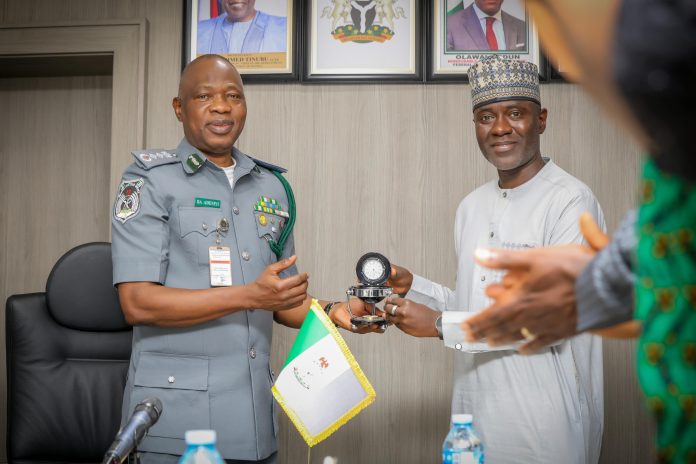
The Comptroller-General of Customs, Adewale Adeniyi, has pledged stronger collaboration with the Nigerian Communications Commission to improve revenue generation, enhance national security, and safeguard public safety through tighter monitoring of imported communication devices.

The CGC made this commitment on Tuesday, 30 September 2025, when he received the Executive Vice Chairman and Chief Executive Officer of the NCC, Aminu Maida, and his entourage on a courtesy visit at the Customs House, Maitama, Abuja.

CGC Adeniyi said the Service was already looking beyond revenue to the security implications of unchecked importation of mobile devices, stressing that closer synergy with the NCC would allow both agencies to strengthen their monitoring systems.

He explained that technology-related imports, such as mobile phones, network boosters, and other telecom equipment, must be subjected to proper certification and classification under the Customs’ tariff regime, noting that such measures would ensure only authorised importers are permitted to bring them into the country.

The CGC highlighted that the Service would work with NCC to train its officers on certification processes and align tariff codes with regulated devices to curb abuses at the borders, adding, “Both for effective security and revenue, we will be committed to deepening collaboration.”

On broader safety issues, the CGC noted the growing need for cooperation in maintaining facilities in highly populated urban areas. He observed that the concentration of high-rise buildings in Abuja, coupled with places of worship and sensitive institutions, demands vigilance and shared learning between both agencies to prevent disasters.

Earlier, the NCC boss congratulated Adeniyi on his election as Chairperson of the World Customs Organisation Council, describing it as recognition of his leadership both at home and abroad.

Maida emphasised that the NCC’s Device Management System, a platform designed to track imported phones and block substandard devices, would not only help Customs boost revenue but also enhance the quality of service for telecom subscribers.

“One of the least understood factors affecting service quality is the device itself. If a subscriber is using a substandard phone, no matter the investment operators make in their networks, service quality will remain poor. That is why the DMS project is critical,” he said.

He further raised concerns over the uncontrolled use of network boosters, which, though sometimes helpful to individuals, often distort signals and reduce overall network quality.

He called for Customs’ support in restricting the importation of uncertified boosters and ensuring only approved devices enter the market.

Maida also added that both agencies must continue to sustain the “spirit of collaboration” already established, assuring that the NCC would work closely with Customs to tackle the dual challenges of revenue leakages and consumer protection.

Uzodimma Orders Immediate Suspension of Imo Civil Service Commission Chairman

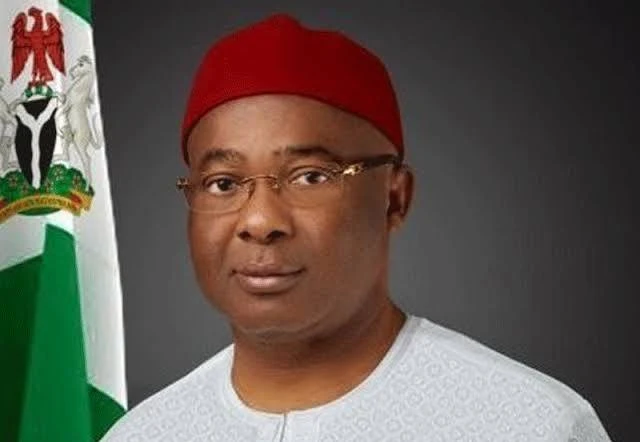
Governor Hope Uzodimma of Imo State has ordered the immediate suspension of the Chairman of the State Civil Service Commission, Dr. Julie C. Onyeukwu.

The announcement was contained in a statement released late Thursday by the Commissioner for Information, Public Orientation and Strategy, Chief Declan Emelumba.

While no official reason was given for the decision, the governor directed Onyeukwu to hand over all government property in her possession to the Permanent Secretary or the most senior official in the commission.

“The Governor of Imo State, His Excellency, Distinguished Senator Hope Uzodimma, CON, has approved the suspension of the Chairman of the Civil Service Commission, Dr. Julie C. Onyeukwu, with immediate effect,” the statement read.

It added that the suspended chairman must immediately transfer all government assets under her custody to the appropriate authority.

NAFDAC Destroys N15bn Worth Of Fake, Expired Drugs In Oyo

The National Agency for Food and Drug Administration and Control (NAFDAC) has destroyed counterfeit, expired, substandard, and falsified drugs and products worth N15 billion in Ibadan, Oyo State.

The exercise, conducted on Thursday, was announced by NAFDAC’s Director-General, Prof. Mojisola Adeyeye, who was represented by the agency’s Director of Investigation and Enforcement, Martins Iluyomade.

Adeyeye reaffirmed the agency’s commitment to safeguarding public health through the strict regulation of food, drugs, cosmetics, medical devices, chemicals, packaged water, and beverages.

“The products we destroyed today include expired, counterfeit, unregistered, and banned drugs such as Analgin, Cocodamol, codeine cough syrup, tramadol, oxytocin, and various vaccines,” she stated. “The estimated street value of these items stands at N15 billion.”

She emphasised that the destruction exercise was crucial to prevent such harmful products from re-entering circulation in Nigerian markets.

The Director-General also commended the support of security agencies and regulatory bodies, including the Nigeria Police, the Nigerian Army, the Department of State Services (DSS), the National Drug Law Enforcement Agency (NDLEA), the Nigeria Security and Civil Defence Corps (NSCDC), and the Pharmaceutical Council of Nigeria.

Adeyeye further urged families and stakeholders to sensitise the public, particularly youths, on the dangers of patronising unlicensed medicine dealers and quacks.

Speaking on behalf of the Comptroller-General of the Nigeria Customs Service, Bashir Adeniyi, Assistant Comptroller S.K. Tijani highlighted the synergy between Customs and NAFDAC in the fight against fake and substandard drugs.

He stressed that the fight against drug counterfeiting requires the collective effort of all stakeholders to safeguard the health and safety of Nigerians.

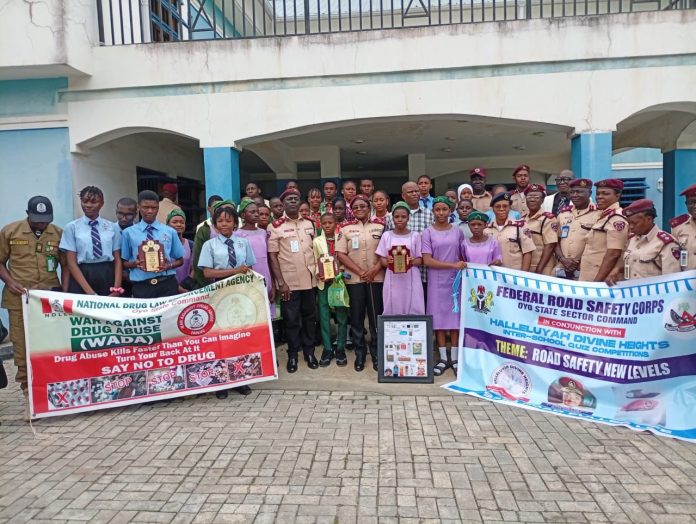
FRSC Marks Independence With Inter-School Quiz In Oyo

The Federal Road Safety Corps (FRSC), Oyo State Sector Command, has reaffirmed its commitment to promoting a culture of road safety among young Nigerians through education and civic engagement.

In a statement posted on its official X handle on Friday, the Corps announced the activities organised to mark Nigeria’s 65th Independence Anniversary.

As part of the celebration, the FRSC, in collaboration with Hallelujah Divine Height Organisation, hosted an inter-school quiz competition for secondary school students in Oyo State on October 1, 2025.

The competition provided students with a platform to demonstrate their knowledge of road safety, civic responsibility, and national awareness, while also encouraging teamwork and discipline.

Speaking at the event, the Oyo State Sector Commander, Corps Commander RUK Alo, emphasised the Corps’ commitment to nurturing a generation of safety-conscious citizens through consistent engagement with schools. He noted that instilling road safety values in young people remains central to reducing the high rate of accidents involving youths.

Stakeholders from the Nigeria Security and Civil Defence Corps (NSCDC), National Drug Law Enforcement Agency (NDLEA), and the Rescuer Organisation also took part in the event, sensitising students on safety and social responsibility.

Certificates and prizes were awarded to outstanding schools and participants, with all contestants encouraged to become safety ambassadors within their schools and communities.

The initiative forms part of the FRSC’s broader “Catch Them Young” programme, which targets young Nigerians with road safety education. According to the National Bureau of Statistics, over 40 per cent of road accident victims recorded nationwide between 2020 and 2024 were youths aged between 10 and 29, underscoring the urgency of the Corps’ drive to engage the younger generation.

PalmPay Rewards First Round Of Hustle Grant Beneficiaries With N2 Million

PalmPay, Nigeria’s leading neobank, has unveiled the first set of winners in its Hustle Grant campaign. The campaign is a bold initiative designed to fuel the ambitions of small business owners and entrepreneurs across the country.

Launched on August 28, and running until September 29th, the Hustle Grant is more than just funding; it is PalmPay’s promise to stand beside everyday Nigerians as they transform their hustle into thriving enterprises that create real impact in their communities.

In this first round, four outstanding entrepreneurs emerged from thousands of entries, each receiving N500,000 to scale their dreams. The winners, a prolific community builder in Kebbi State, two budding fashion designers in Lagos and Jos, and a farmer, embody the spirit of resilience and innovation that drives Nigeria’s economy. With this support, they can now take their ideas from the ground up, creating impact that ripples beyond their personal success.

Entrepreneurs across the country continue to submit their entries on social media with the hashtag #PalmPayHustleGrant. From these, the top entries will be shortlisted, with four more winners set to be announced in the final round.

For PalmPay, this initiative is a reflection of its core mission: building tools that don’t just make financial services smarter but make ambitions possible. The Hustle Grant is a platform for turning bold ideas into impact stories, ensuring that Nigerians chasing their dreams have the resources to reach the next level.

As the company celebrates its 6th anniversary, the Hustle Grant reinforces PalmPay’s role as a brand that doesn’t just process transactions but empowers transformation.

For every Nigerian who chooses PalmPay, the brand proves it is more than a digital banking platform, it’s a trusted financial partner committed to their growth.

Olam Agri’s Animal Feed Business Awards 65 Scholarships In Annual Back-To-School Programme

From L-R: Sunday Makama; Chikun Council Secretary, Meena Khator, Alok Khator; VP MATS Olam Agri, Zhishiyi Peters, community recipient & her father, Joseph Garba; Kogunan Gbagyi of Chikun LGA, Somnath Mandal, VP Engineering/Plant Head, Olam Agri Kaduna, & Morenike Alayerogun, GM Human Resources, Olam Agri.

Olam Agri, a leading player in Nigeria’s agribusiness sector, has successfully concluded the second edition of its Back-to-School Scholarship Programme, a significant initiative that has provided financial aid to a total of 65 students from staff families and host communities in Ilorin and Kaduna.

This initiative is part of Olam Agri’s Seeds for the Future (SFTF) initiative, which is committed to ensuring a secure and sustainable future for local populations. The programme reflects Olam Agri’s deep commitment to education, employee welfare, and community development, easing the financial burden of schooling while investing in Nigeria’s next generation of leaders.

Amit Agarwal, Business Head for Olam Agri’s Integrated Feed & Protein, emphasised the company’s dedication to education, “At Olam Agri, we see education as the cornerstone of national progress. This initiative is a tangible way of empowering young people to achieve their full potential while supporting families in our workforce and communities. We are delighted to see this initiative grow and have a positive impact on so many lives.”

Monica Bissala, a high school student from Kaduna and one of the scholarship recipients, shared her heartfelt gratitude. “I am so happy and thankful to Olam Agri for this scholarship. It will help my parents buy new books and school supplies. This support motivates me to study even harder and achieve my dreams.” Her story is just one of the many lives positively impacted by this initiative.

The programme also received heartfelt appreciation from beneficiaries within the Olam Agri staff. Alamezie Chimankpa, a staff member and a parent of a scholar in Ilorin, remarked, “Olam Agri has always been a family, and this scholarship proves their commitment to our well-being. This gesture has brought immense relief to my family, and I am deeply grateful for their support.”

Community leaders also praised the company’s efforts. Mr Joseph Sauri Garba, the Kogunan Gbagyi of Chikun Local Government Area, a community leader from Kaduna, noted, “This programme shows that Olam Agri is not just a company in our community, but a true partner. By helping our children get a good education, they are building a stronger and more prosperous future for all of us. We are thankful for their continued partnership.” His words reflect the widespread community support for this initiative.

The Back-to-Scholarship Programme reflects Olam Agri’s vision that true business success is inseparable from social impact. By investing in the education of young people, the company not only supports families today but also helps build a skilled, resilient generation that will shape a brighter and more prosperous future for Nigeria.

Dollar To Naira Exchange Rate For 3rd October 2025

Dollar To Naira Exchange Rate For 8th Dec 2023

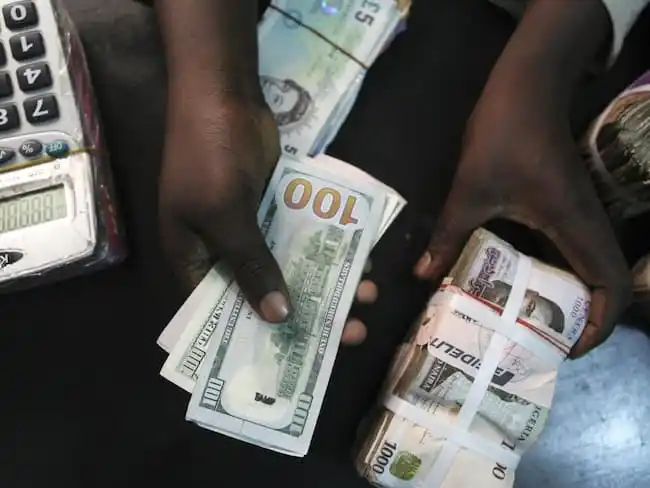
The exchange rate between the Naira and the US dollar, according to the data released on the FMDQ Security Exchange, the official forex trading portal, showed that the naira closed at 1470.00 per $1 on Friday, October 3rd , 2025. The naira traded as high as 1445.00 to the dollar at the investors and exporters (I&E) window on Thursday.

How much is a dollar to naira today in the black market?

Dollar to naira exchange rate today black market (Aboki dollar rate):

The exchange rate for a dollar to naira at Lagos Parallel Market (Black Market) players sell a dollar for ₦1490 and buy at ₦1470 on Thursday 2nd October, 2025, according to sources at Bureau De Change (BDC).

Please note that the Central Bank of Nigeria (CBN) does not recognize the parallel market (black market), as it has directed individuals who want to engage in Forex to approach their respective banks.

Dollar to Naira Black Market Rate Today

Dollar to Naira (USD to NGN)Black Market Exchange Rate Today
Selling Rate₦1490
Buying Rate₦1470

Dollar to Naira CBN Rate Today

Dollar to Naira (USD to NGN)CBN Rate Today
Highest Rate₦1468
Lowest Rate₦1445

Please note that the rates you buy or sell forex may be different from what is captured in this article because prices vary.

US 10-Year Treasury Yield Drops To 4% Amid Government Shutdown And Labor Market Concerns

The yield on the 10-year US Treasury note fell below 4% on Thursday as political gridlock over government spending deepened concerns about the economy and a weakening labor market.

Treasury yields slipped across maturities as investors weighed the potential fallout of the federal shutdown, with fears mounting that the disruption could trigger economic shocks within days.

The uncertainty comes ahead of Friday’s monthly jobs report, which itself faces delay due to the government closure. The shutdown followed the failure of the Republican-controlled Senate to pass a temporary funding bill on Tuesday, blocking a Democratic-led attempt to extend healthcare tax credits.

Adding to market jitters, President Donald Trump warned this week of potential permanent layoffs if the impasse drags on. Analysts cautioned that prolonged congressional deadlock could disrupt economic activity and put federal workers at risk of job cuts.

Recent labor market signals have already reinforced the slowdown narrative. Payrolls tracked by ADP fell for two consecutive months, marking the first back-to-back drop since the 2020 pandemic shock. Meanwhile, JOLTS data showed a decline in voluntary quits, and the Challenger report highlighted softer hiring trends.

This series of weak indicators pushed the Federal Reserve’s Open Market Committee (FOMC) to resume its rate-cutting cycle last month. Futures markets are now pricing in at least two additional rate cuts this year despite lingering inflationary pressures.

The combination of political paralysis, labor market weakness, and monetary easing is seen by analysts as a recipe for continued volatility in US bond markets.

Investors Pocket ₦170bn As Nigerian Stock Market Opens Strong After Independence Break

Stock Exchange Closes Trading Week With N30bn Gain

The Nigerian Exchange (NGX) kicked off post-independence trading on a bullish note, with investors recording a combined portfolio gain of over ₦170 billion. The upward momentum reflects growing market optimism as the fourth quarter of the year begins.

The rally was largely fueled by strong buying sentiment in select medium- and large-cap stocks with solid fundamentals. Key gainers included PZ Cussons, Eterna, GTCO, and Cadbury, which helped drive overall market performance across several sectors.

The All-Share Index (ASI) advanced by 270.74 basis points, representing a 0.19% uptick to close at 142,979.45 index points. Market capitalization followed suit, climbing by ₦170.72 billion, or 0.19%, to settle at ₦90.75 trillion.

Investor appetite has been strong in recent days, with the last five trading sessions alone adding ₦1.69 trillion to market capitalization. Thursday’s trading session saw an impressive rise in activity, as total volume and value of transactions soared by 402.49% and 82.57% respectively.

Brokers reported that 6.23 billion shares worth ₦54.45 billion exchanged hands across 32,682 deals. UBA dominated activity by volume, accounting for 19.44% of total trades, followed closely by Wema Bank (19.42%), FirstHoldCo (14.28%), Zenith Bank (6.02%), and Stanbic IBTC (3.96%).

By value, UBA also topped the chart, capturing 22.28% of total market turnover.

On the gainers’ side, PZ Cussons led with a maximum 10% price increase, followed by Eterna (+9.94%), Champion Breweries (+9.82%), Tantalizers (+5.96%), AIICO (+5.43%), and Neimeth (+5.13%).

Meanwhile, 25 stocks closed in the red, with RT Briscoe leading the laggards after shedding -9.89%. Other key losers included Thomas Wyatt (-9.82%), Berger Paints (-7.18%), Livestock Feeds (-3.95%), May & Baker (-2.76%), and FirstHoldCo (-1.59%).

Market breadth closed positive with 34 gainers against 25 losers. Sectoral indices also showed broad strength: Insurance gained 0.42%, Consumer Goods rose 0.35%, Banking advanced 0.17%, and Oil & Gas added 0.12%. Only the Industrial sector posted a minor decline of -0.02%.

Analysts believe the bullish opening sets a positive tone for Q4, with expectations of sustained inflows into fundamentally strong stocks.

Private Sector Credit Declines To ₦75.8trn In August 2025

Credit to Nigeria’s private sector fell to ₦75.8 trillion in August 2025, down from ₦76.12 trillion in June, according to the latest figures released by the Central Bank of Nigeria (CBN). The data shows that lending to businesses and individuals has now declined five times this year. Credit levels peaked in April 2025 at ₦78.1 trillion before sliding again in subsequent months.

The downward trend began in February, when credit fell from ₦77.3 trillion in January to ₦76.3 trillion. It slipped further to ₦75.9 trillion in March, rebounded briefly in April, but resumed its decline in May and June. CBN did not release data for July.

Despite the monthly drops, year-on-year figures reflect modest growth, rising from ₦74.7 trillion in August 2024 to ₦75.8 trillion in August 2025.

Analysts say the repeated declines raise concerns over liquidity constraints, tighter bank lending, and weakening credit demand amid Nigeria’s tough economic environment.

In its January 2025 Economic Report, the CBN noted that services accounted for 54.87% of sectoral credit, industry for 40.02%, and agriculture for 5.11%—an improvement from 4.82% the previous month. While updated figures for August are yet to be published, manufacturing, commerce, and oil and gas remain the key beneficiaries of credit allocation.

The contraction coincides with the CBN’s hawkish monetary policy aimed at curbing inflation and stabilising the naira. Although the Monetary Policy Committee (MPC) cut the benchmark Monetary Policy Rate (MPR) by 50 basis points in September—bringing it down to 27%—analysts argue that borrowing costs remain high.

Dr. Paul Alaje, Chief Economist at SPM Professionals, said the apex bank must ease policy further to spur private investment and economic expansion. Similarly, RenMoney analyst Kitan Aloba noted that the elevated MPR has made credit “more expensive, thus reducing the private sector’s appetite for borrowing.”

The MPC also narrowed the asymmetric corridor around the MPR to +250/-250 basis points from +500/-100 basis points, while retaining the Cash Reserve Ratio at 45% for commercial banks and 16% for merchant banks.

Economists warn that the slowdown in private sector credit growth could weigh on investment, job creation, and overall GDP performance. Government initiatives, including the Nigerian Consumer Credit Corporation, have provided some relief but appear insufficient against the backdrop of monetary tightening.

Domestic Airlines Contribute $449.7m Annually To Nigeria’s GDP — IATA

IATA

Nigeria’s domestic airlines are boosting the economy with a direct contribution of $449.7 million annually and the creation of nearly 30,000 jobs, according to a new report by the International Air Transport Association (IATA).

The report, titled The Value of Air Transport to Nigeria’s Economy, underscores the critical role of aviation in driving growth. Overall, the sector contributes $2.5 billion yearly to Nigeria’s Gross Domestic Product (GDP), accounting for 0.7 per cent of national output.

IATA data shows the aviation sector directly employs 39,500 people, while the wider value chain—including airlines, airports, air navigation services, civil aviation manufacturing, and tourism—supports more than 217,000 jobs.

Breaking down the figures, IATA noted that in addition to the $449.7 million and 29,900 jobs linked directly to airlines, airports and air navigation service providers, along with civil aviation manufacturing, add $252.4 million to the economy and 9,600 jobs. The report also revealed that international tourists spend $760.2 million annually in Nigeria, fueling demand for local goods and services.

Tourism supported by aviation alone contributes $454.1 million to GDP and sustains 66,600 jobs.

Commenting on the findings, IATA’s Regional Vice President for Africa and the Middle East, Kamil Alawadhi, described aviation as “a powerful engine for economic and social development.” He added, “Nigeria’s National Day is a good opportunity to reflect on the immense value aviation brings to the country.”

Alawadhi highlighted improved affordability in air travel, noting that between 2011 and 2023, average real airfares in Nigeria dropped by 43 per cent. However, he stressed that cost remains a barrier, as the average Nigerian still needs to work 37.6 days to afford a ticket.

The report further showed that Nigerians took 40 flights per 1,000 people in 2023, while the country handled 195,700 tonnes of air cargo—evidence of aviation’s role in facilitating trade and commerce.

Despite these gains, Nigeria’s international connectivity has weakened. The IATA report indicated that only one per cent of all international passengers arriving in the country connect to onward destinations. Since 2014, Nigeria’s international air connectivity index has declined by 1.5 per cent within Africa and by 21 per cent with other regions.

Still, international travel remains vital. In 2023, international departures made up 23 per cent of all Origin-Destination flights. Of the 2.1 million passengers departing Nigeria, 38 per cent flew to Europe, 23 per cent to other African countries, and 18 per cent to North America.

PenCom DG Reveals Monthly Pension Payouts Reached ₦14.84bn In June 2025

The Director-General of the National Pension Commission (PenCom), Ms. Omolola Oloworaran, has disclosed that monthly pension disbursements climbed to ₦14.837 billion in June 2025 under the Commission’s Pension Boost 1.0 initiative.

Speaking in Abuja at a Stakeholders’ Conference jointly organized by PenCom and the National Salaries, Incomes and Wages Commission (NSIWC), Oloworaran explained that the initiative has enhanced pensions for over 241,000 retirees, representing 80% of those under Programmed Withdrawal. Monthly payouts, she said, increased from ₦12.157 billion to ₦14.837 billion effective June 2025.

Represented by PenCom’s Acting Commissioner (Technical), Hon. Hafiz Kawu Ibrahim, the DG highlighted that the Contributory Pension Scheme (CPS) now covers more than 10 million Nigerians—including public servants, private sector workers, artisans, and self-employed individuals under the Personal Pension Plan.

According to her, pension assets have grown to over ₦25 trillion, fueling national development through strategic investments, while providing regular monthly pensions to more than 552,000 retirees and lump-sum benefits to 291,735 others.

“In total, more than 844,000 retirees across public and private sectors now enjoy steady, reliable, and transparent retirement benefits,” she noted.

To strengthen the system, Oloworaran revealed that PenCom has revised minimum capital and governance requirements for Pension Fund Administrators (PFAs) and Custodians. She also unveiled five fresh regulations under the Pension Revolution 2.0 initiative, including:

  • Whistle-Blowing Guidelines for Pension Fund Assets
  • Revised Regulation on Investment of Pension Fund Assets
  • Framework for Accredited Pension Agents under the Personal Pension Plan
  • Circular on Revised Minimum Capital Requirements for PFAs and PFCs
  • Introduction of Free Health Insurance for Retirees

She admitted, however, that challenges persist—particularly limited coverage expansion and incomplete compliance by some states and employers. Public skepticism, she added, remains an obstacle due to past negative experiences with pension administration.

To address this, PenCom plans nationwide sensitization workshops across the six geopolitical zones and will diversify pension asset investments to improve returns, while strengthening governance and expanding coverage in the informal sector.

Also speaking, the Chairman of NSIWC, Ekpo U. O. Nta, emphasized that effective pension administration is directly tied to organizational productivity and stability. Meanwhile, Comrade Sylva Nwaiwu, Chairman of the Nigerian Union of Pensioners, urged authorities to review unpopular policies affecting the CPS and demonstrate political will in its impartial implementation.


In June 2025, PenCom launched Pension Boost 1.0, raising monthly pension disbursements from ₦8.3 billion to ₦11.9 billion. The DG described the initiative as a milestone driven by robust RSA investment performance and key economic reforms under President Bola Tinubu’s administration.

CBN To Assume Full Control Of Fixed-Income Market November 2025

The Central Bank of Nigeria (CBN) has announced plans to assume full control of the Nigerian Fixed Income Market as part of ongoing reforms to enhance transparency, efficiency, and oversight in the country’s financial system.

In a circular signed by Okey Umeano, Acting Director of the Financial Markets Department, the apex bank said it will directly manage both the settlement process and trading platform for fixed income transactions beginning November 2025.

According to the CBN, the reforms are aimed at strengthening market integrity, streamlining operations, and establishing a unified regulatory framework that ensures end-to-end visibility of transactions.

“The transition will enable the CBN to assume direct responsibility for the management of the trading platform and handle end-to-end settlement activities under the Bank’s established settlement system,” the statement read.

The initiative will be rolled out in stages to ensure a smooth transition and minimize disruptions, with active collaboration from the Financial Markets Dealers Association (FMDA). Key milestones include:

  • User Acceptance Testing (UAT): Second week of October 2025.
  • Pilot Phase: Concurrent run with the existing system to test stability.
  • Go-Live 1 (Settlement): Migration of fixed-income settlement activities to the new system on November 3, 2025.
  • Go-Live 2 (Trading Platform): Activation of the CBN-managed trading platform for Primary Dealers, Market Makers, Pension Fund Administrators (PFAs), and other authorized participants on December 1, 2025.

The apex bank commended the FMDA for its role in market development and urged continued cooperation. “We look forward to your continued partnership as we work together to deliver a more efficient, transparent, and resilient fixed income market,” it stated.

The reform comes on the heels of recent measures by the CBN to strengthen corporate governance in the financial sector. In September, the Bank directed Domestic Systemically Important Banks (DSIBs) to implement early succession planning for Managing Directors/Chief Executive Officers and top executives, requiring regulatory approval for successors at least six months before incumbents’ tenures expire.

The latest fixed-income market overhaul underscores the CBN’s commitment to boosting confidence, enhancing monetary policy transmission, and reinforcing stability in Nigeria’s financial system.

Naira Strengthens To ₦1,455/$ As FX Reserves Increase

The naira strengthened to ₦1,455 per dollar at the official foreign exchange market on Thursday, supported by robust FX liquidity and steady inflows from exporters, according to data from the Central Bank of Nigeria (CBN).

The official spot rate closed at ₦1,455.23/$, representing a 1.35% appreciation from ₦1,475.35/$ on Wednesday. Intraday trading saw the local currency touch a low of ₦1,445/$ and a high of ₦1,468/$ as dollar supply met corporate demand.

In the parallel market, the naira also firmed slightly, closing at about ₦1,475/$, in line with quotes from banks and FX bureaux. GTBank’s naira Mastercard rate was also quoted at ₦1,475/$, indicating growing convergence between official and informal market rates.

Nigeria’s external reserves continued to climb, reaching $42.33 billion on September 29, up from $42.26 billion previously, driven by sustained inflows despite volatility in global oil prices.

Crude markets remained under pressure as concerns over a U.S. government shutdown, higher inventories, and expectations of an OPEC+ output hike weighed on sentiment. Brent crude rose 0.2% to $65.51 per barrel, while WTI gained 0.2% to $61.92 after three consecutive days of losses.

OPEC+ is expected to approve a November production increase of up to 500,000 barrels per day, triple October’s hike, with Saudi Arabia pushing to reclaim market share. Rising U.S. stockpiles and the planned resumption of Kurdish oil exports via Turkey also reinforced oversupply concerns, though ongoing Chinese purchases for strategic reserves provided some support.

T-Bill Yields Ease Marginally As Bond Market Ends Mixed

Nigeria’s fixed-income market ended Thursday, October 2, 2025, on a cautious note, with Treasury bill yields easing marginally across maturities while Federal Government bonds closed mixed amid tight money market liquidity, according to FMDQ data.

Treasury bills, OMO notes ease
Benchmark Nigerian Treasury bills (NTBs) and Open Market Operation (OMO) notes recorded mild declines, with average yields down by about 2 basis points.

The NTB due October 9, 2025, closed at 16.37% (-0.01), while the December 4, 2025, paper settled at 17.69% (-0.02). Longer-dated maturities—July 9, 2026, and September 3, 2026—eased to 18.34% and 18.49%, respectively.

OMO instruments mirrored the trend. The November 4, 2025, note fell sharply to 20.85% (-0.84), marking the steepest drop of the session, while the January 6, 2026, paper closed at 20.76% (-0.02).

Bonds trade mixed
Activity in the FGN bond market was uneven as investors repositioned along the curve.

Shorter tenors advanced, with the March 17, 2027, bond at 16.73% (+0.36) and the February 23, 2028, at 16.57% (+0.20). Mid-tenor bonds softened, led by the May 15, 2033, issue at 16.05% (-0.40). Further out, the February 21, 2034, bond gained modestly to 16.33% (+0.17), while the April 18, 2037, note slipped to 15.99% (-0.11). Ultra-long bonds, including the April 26, 2049, maturity, closed unchanged at 15.84%.

Money market conditions
Funding rates stayed elevated, with the Open Repo (OPR) flat at 24.50% and the Overnight (O/N) rate easing slightly to 24.88%.

The Nigerian Interbank Offered Rate (NIBOR), however, declined across the curve, with the Overnight, 1M, 3M, and 6M tenors down 11bps, 16bps, 31bps, and 38bps, respectively, supported by fresh liquidity inflows. The Nigerian Interbank Treasury Bills True Yield (NITTY) curve also fell, pushing the benchmark average yield down 3bps to 17.90%.

Futures steady
FGN bond futures were broadly stable. The 2-Year (18 SEP 25 BF02) closed at 106.67 (3M), 100.47 (6M), and 106.75 (12M). The 10-Year (18 SEP 25 BF10) gained across contracts, finishing at 114.85 (3M), 118.45 (6M), and 131.43 (12M).

Eurobonds extend gains
Nigeria’s Eurobond market remained bullish on the back of strong offshore demand. Average yields fell by 7bps to 7.88%, with notable buying in the FEB-2030 and FEB-2032 papers.

Tinubu To Inaugurate $400m Otakikpo Oil Terminal, First Indigenous Facility In Over 50 Years

President Bola Ahmed Tinubu will next week commission the Otakikpo Onshore Crude Oil Export Terminal in Rivers State, a $400 million project celebrated as a landmark achievement for Nigeria’s energy sector.

Developed by Green Energy International Limited (GEIL), operator of the Otakikpo Field (PML 11) in Ikuru Town, Andoni Local Government Area, the facility is the first indigenous crude oil terminal to be established since the Forcados Terminal was inaugurated in 1971.

GEIL’s Executive Director of Legal and Corporate Services, Olusegun Ilori, described the project as a major step towards achieving the Federal Government’s goal of producing three million barrels of crude per day. He noted that the terminal would resolve long-standing evacuation challenges and provide an outlet for more than 40 stranded oil fields.

“The Otakikpo terminal is expected to provide a lifeline to over 40 stranded oil fields that now have a ready evacuation outlet, unlocking millions of barrels of crude that would otherwise remain trapped,” Ilori said.

The new facility has an initial storage capacity of 750,000 barrels, with the potential to expand to three million barrels, and a loading capacity of 360,000 barrels per day. Experts believe it will ease evacuation bottlenecks and reduce production costs across the oil sector.

The commissioning is expected to draw high-profile stakeholders, including Rivers State Governor Sir Siminalayi Fubara, senior federal government officials, and key industry leaders. The event will be led by the Minister of State for Petroleum (Oil), Senator Heineken Lokpobiri.

Chairman and Chief Executive Officer of GEIL, Professor Anthony Adegbulugbe, described the terminal as a transformative development.

“What we have achieved here is not just a storage solution, but a game-changing infrastructure that has opened a new pathway for about 40 stranded oil fields to finally contribute to the economy,” Adegbulugbe said.

With the commissioning of the Otakikpo Terminal, Nigeria is set to strengthen its crude export capacity while advancing indigenous participation and investment in the oil industry, signalling renewed confidence in the sector’s future.

Provosts Urge FG To Exempt Health Colleges From 7-Year Ban On New Institutions

The Association of Provosts of Colleges of Health Technology and Nursing Sciences has appealed to the Federal Aa to exempt health institutions from the recently announced seven-year suspension on the establishment of new public and private polytechnics and allied institutions.

The call was contained in a communiqué issued at the end of the Association’s 2025 Quadrennial Conference in Abuja and released to journalists in Lokoja on Thursday by its Public Relations Officer, Dr. Nuhu Anyegwu.

The Federal Government had earlier placed a moratorium on licensing new institutions for seven years, a decision the Provosts warned could worsen manpower shortages in the health sector.

“The ban will create an intergenerational gap of at least seven years in terms of shortage of health and medical manpower in various communities across Nigeria,” the communiqué stated.

The conference, which brought together provosts nationwide, stressed that Colleges of Health Technology and Nursing Sciences should not be grouped as allied institutions under the restriction, noting that they are primarily regulated by professional health and medical councils.

While commending the National Board for Technical Education (NBTE) for streamlining and digitalising the accreditation process, the Provosts urged the Ministry of Education and NBTE to exempt health colleges from the ban and end multiple accreditation exercises by professional health bodies.

The conference also expressed concern over the continued exclusion of Colleges of Health Technology and Nursing Sciences from the Tertiary Education Trust Fund (TETFUND) schedule. The Provosts called on the Ministry of Education and NBTE to back the TETFUND amendment bill, which seeks to include health institutions in the funding scheme.

Other resolutions included the re-election of Dr. Johnson Ojo as chairman and Adamu Ahmadu as secretary general, as well as the establishment of a research journal and a media committee to promote the Association’s work.

The Provosts underscored the urgent need for government support to strengthen health colleges, warning that with Nigeria’s population exceeding 200 million, the demand for skilled healthcare professionals has become critical.

They stressed that exempting health institutions from the ban would help bridge the manpower gap, improve healthcare delivery, and secure the nation’s medical future.

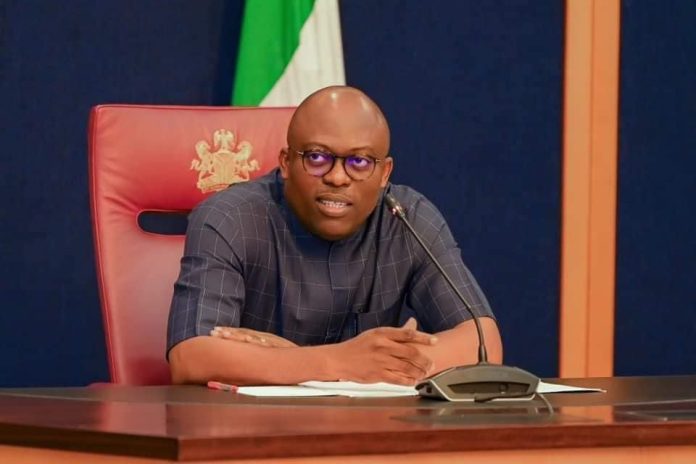
Fubara Dissolves Cabinet, Sacks Commissioners After Supreme Court Verdict

Rivers State Governor, Siminalayi Fubara, has relieved all commissioners and other public office holders in his administration of their duties with immediate effect.

The announcement was contained in a statement issued on Wednesday evening in Port Harcourt by the governor’s Chief Press Secretary, Nelson Chukwudi. The development follows the recent Supreme Court judgment, which reshaped the political landscape in the state.

During a valedictory session with members of his cabinet at Government House, Port Harcourt, held to mark Nigeria’s 65th Independence Anniversary, Governor Fubara expressed appreciation to the outgoing officials for their contributions to the state’s progress over the past two years.

“The governor highlighted the significance of Nigeria’s Independence, and called on all Nigerians to work together with Mr President to build a peaceful, secure, and prosperous country and a brighter future for all,” the statement read in part.

The governor further reassured the people of Rivers State of his renewed commitment to serve with vigour, while expressing gratitude for their unwavering support. He also extended good wishes to Nigerians on the Independence Day celebration.

The development comes against the backdrop of uncertainty surrounding Fubara’s cabinet since the end of the emergency rule imposed by President Bola Tinubu earlier this year. During the period of emergency administration, Vice Admiral Ibok-Ete Ibas (retd.), who oversaw the state, suspended all commissioners, advisers, and assistants appointed by Fubara, while also dissolving boards and suspending parastatal heads.

Since Ibas’ exit on September 18, the status of Fubara’s appointees had remained unclear. The Rivers State House of Assembly, during its first sitting after the lifting of emergency rule, had urged the governor to present a fresh list of commissioner-nominees for screening alongside the 2025 budget.

Governor Fubara’s decision now paves the way for the reconstitution of his cabinet as he prepares to reposition his administration in line with the court ruling and the expectations of Rivers people.

Elon Musk Hits $500 Billion Net Worth as Tesla Stock Surges

Tesla’s 2021 vehicle deliveries surge over 80%, projected to hit 1.5 million in 2022

Elon Musk has officially joined an unprecedented league of wealth holders, becoming the first person ever to see his fortune valued at $500 billion, Forbes revealed on Thursday. The achievement, largely fueled by his ownership stakes in Tesla and SpaceX, cements Musk’s dominance as the richest individual in the world.

The U.S. magazine estimated his wealth at $500 billion, which places him roughly $150 billion ahead of Oracle’s co-founder Larry Ellison. However, Forbes later made a minor revision, adjusting the estimate slightly to $499.1 billion.

Musk’s wealth is particularly challenging to measure compared to other billionaires, as many of his business ventures remain privately held and are not subjected to daily market valuations.

The Tesla and SpaceX founder had earlier crossed the $400 billion mark in December 2024, amid a surge of investor optimism tied to his proximity to then-incoming U.S. President Donald Trump. Musk was a regular presence at the White House during the opening months of Trump’s presidency. However, relations later deteriorated when Trump threatened to withdraw federal funding from Musk’s enterprises.

Tesla also experienced a slowdown in sales during that period, attributed partly to backlash against Musk’s political associations and his role in Trump’s workforce reduction measures.

More recently, Tesla’s performance has rebounded strongly. Market experts attribute this recovery to excitement around the company’s robotics and AI initiatives, coupled with increased demand ahead of the expiration of federal electric vehicle incentives in September.

Alongside Tesla and SpaceX, Musk controls several other ventures, including social media giant X, AI development company xAI, and neural technology startup Neuralink. Despite these projects, Tesla remains the cornerstone of his immense wealth.

Tesla has also announced an ambitious executive pay package for Musk that could be valued at up to $1 trillion if the automaker achieves an eightfold increase in market capitalization, while Musk continues to serve as CEO and meets demanding performance conditions.

BizWatchNigeria.Ng
Privacy Overview

This website uses cookies so that we can provide you with the best user experience possible. Cookie information is stored in your browser and performs functions such as recognising you when you return to our website and helping our team to understand which sections of the website you find most interesting and useful.