Nigeria’s bond market recorded a bullish performance last week as yields on federal government securities fell by 10 basis points to 15.86%, reflecting renewed investor confidence and sustained demand for naira-denominated assets.
The decline, observed across short-, mid-, and long-tenured instruments, came amid expectations of a potential interest rate cut by the Central Bank of Nigeria (CBN) during its November policy meeting.
Afrinvest Securities reported that short-term maturities dropped by 8 basis points, medium-term by 15, and long-term by 7, with overall yields averaging 15.86% by week’s end.
Analysts attribute the performance to strategic portfolio adjustments by institutional investors positioning ahead of the Debt Management Office (DMO) auction scheduled for this week.
Investor Sentiment Remains Strong
Market activity was notably robust, as investors shifted focus from riskier assets to government bonds in response to lingering macroeconomic uncertainty.
The DMO is set to reopen two key issues — FGN AUG 2030 and FGN JUN 2032 — with offer sizes expected around ₦130 billion each. Analysts forecast that the results from today’s auction will influence secondary market pricing through the week.
Broadstreet expectations suggest that discount rates across fixed-income assets will continue to decline if inflation maintains its downward trajectory and the CBN proceeds with a policy rate cut.
Financial experts believe that the ongoing rally highlights renewed investor confidence in Nigeria’s debt instruments, with yields still offering attractive real returns relative to inflation.
The Central Bank of Nigeria (CBN) has once again underscored its oversight role in Nigeria’s financial ecosystem by publishing draft guidelines for Automated Teller Machine (ATM) operations, ushering in a new era of digital-finance regulation at a pivotal moment.
These updated directives, which supersede all prior ATM regulations, arrive at a time when financial inclusion, cybersecurity and infrastructure resilience are closely interlinked with the nation’s ambition for a robust digital economy. Among the core mandates: banks issuing cards must deploy at least one ATM for every 5,000 cards issued by 2028 — with a progressive compliance schedule that begins with 30 per cent adherence by 2026.
That ratio is more than a numeric target. It signifies a strategic shift to broaden automated-banking access well beyond Nigeria’s traditional urban centres, to semi-urban and rural communities as part of the digital-inclusion drive. At the same time, the CBN’s requirement for deployment approvals suggests a deliberate attempt to avoid inefficient duplication and ensure each ATM installation aligns with a broader national payments-infrastructure architecture.
For consumers, one headline improvement lies in the refund timeframe for failed transactions — a persistent grievance in Nigeria’s banking environment. “On-us” transactions (within the same bank) now must be reversed nearly instantly, or at worst within 24 hours if manual intervention is needed. “Not-on-us” transactions (involving different banks) must be completed within 48 hours — a significant improvement over the previous 72-hour benchmark and a step closer to global real-time refund standards.
Additionally, the guidelines tighten transparency and oversight requirements. Banks must display fees clearly at ATM terminals and provide transaction receipts for all actions except balance enquiries — reinforcing consumer awareness and accountability.
Security receives renewed emphasis. Under the new rules, every ATM must include: high-definition cameras covering transaction activity (without capturing keystrokes); anti-skimming and anti-tampering devices; annual cryptographic-key changes; and full compliance with Payment Card Industry Data Security Standard (PCI DSS). These measures reflect a holistic shift toward “cyber-resilience by design” across Nigeria’s ATM ecosystem.
Operationally, banks must ensure maximal ATM downtime does not exceed 72 hours — a clear push toward better maintenance discipline and service-continuity. The CBN will conduct regular audits and banks are required to submit monthly compliance reports — covering transaction volumes, system failures, uptime data and customer complaints — by the 5th of each month. This introduces a real-time layer of regulatory intelligence into Nigeria’s banking oversight model.
For the banking sector, these requirements imply significant capital investment: new ATM units, enhanced cybersecurity infrastructure and expanded deployments outside major urban centres. Mid-tier banks may feel margins compress initially, but the regulation also creates new avenues — especially for partnerships with fintechs, independent ATM deployers (IADs) and payment-service providers.
Broader still, the directive feeds into the CBN’s larger strategic agenda: nurturing a secure, efficient and inclusive payments environment via the National Financial Inclusion Strategy (NFIS) and the evolving Cashless Policy. Rather than simply regulating, the CBN is redefining the architecture of trust in Nigeria’s digital-banking future.
In the long term, the reform is likely to yield dividends in terms of transactional efficiency, enhanced public confidence and cross-channel interoperability — with Nigeria positioning itself as a visible model for balanced financial innovation on the continent.
In summary, the new CBN ATM directive is more than a policy update — it’s a strategic inflection point toward a more resilient, secure and inclusive financial future for Nigeria.
Nigeria’s money-market interest rates declined this week following a substantial liquidity injection of N₦1.5 trillion from the Federation Account Allocation Committee (FAAC), which helped relieve funding pressure across the banking system. According to research by Cordros Capital Limited, the net long liquidity position rose to N₦2.05 trillion from N₦1.88 trillion a week earlier.
The sizable FAAC disbursement, combined with coupon payments and other money-market flows, played a critical role in cushioning the financial system. Although the Central Bank of Nigeria absorbed N₦827 billion via an Open Market Operation (OMO) auction to manage excess cash, the overnight lending rate fell by 24 basis points to 24.83 %, while the open-repo rate slipped by 4 basis points to 24.50 %. These movements signal improved funding conditions at the short end.
At the start of the week, the system liquidity opened at a net surplus of N₦956.71 billion — markedly lower than the N₦2.0 trillion recorded the prior week — largely attributed to increased borrowing via the CBN’s Standing Lending Facility (SLF), where deposit-money banks accessed over N₦960 billion to meet immediate obligations. Maturing Treasury Bills and FAAC inflows boosted liquidity as the week progressed, elevating system liquidity to N₦3.12 trillion by week’s end.
Monitoring data from Cowry Asset Limited reports a modest 10 basis-point dip in the Nigerian Interbank Borrowing Rate (NIBOR) to 24.82 %. Meanwhile, the Nigerian Interbank Treasury Bills True Yield curve reflected marginal adjustments as investors priced in both tighter liquidity and higher return expectations.
At the recent treasury-bills auction, the CBN offered N₦650 billion but allotted N₦391.6 billion across 91-day, 182-day and 364-day tenors amid strong demand. The 364-day instrument attracted N₦674.25 billion in subscriptions against a N₦450 billion offer, with an allotment of N₦316.56 billion at a stop rate of 16.14 %. The 182-day and 91-day tenors cleared at 15.50 % and 15.30 % respectively. In a parallel OMO auction earlier in the week, the 252-day bill drew N₦1.01 trillion in subscriptions and cleared at 19.84 %, while the 196-day paper closed at 19.50 %. In total the CBN allotted N₦827 billion, highlighting its willingness to satisfy strong market demand while maintaining a tight monetary stance.
The large FAAC inflow thus acted as a timely shock absorber for the Nigerian banking system, easing short-term funding pressures and allowing rates to edge lower. For participants in money-market operations, the current environment offers a window of somewhat improved funding conditions — though structural constraints remain.
Looking ahead, the key variables to watch include: central-bank mop-ups of excess liquidity, upcoming maturities of government paper, and potential shifts in FAAC disbursement patterns. Together, these will influence whether downward rate momentum persists or liquidity tightens once more.
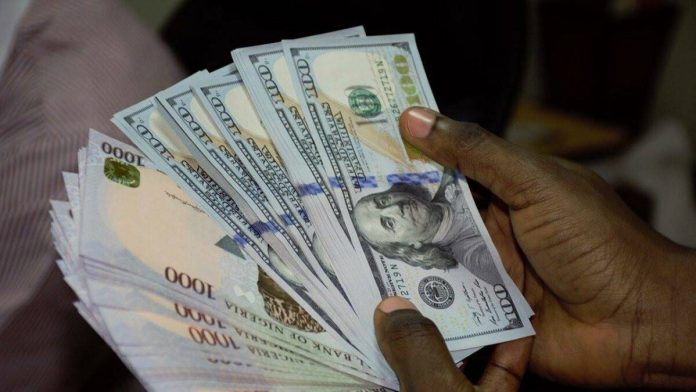
The exchange-rate gap between Nigeria’s official and unofficial currency markets expanded to approximately ₦23 per US dollar, sources from foreign-exchange channel checks report. Meanwhile, updated data from the Central Bank of Nigeria (CBN) shows the naira strengthened week-on-week in the official market, closing at ₦1,457 per USD from ₦1,475 previously.
On the official front, the currency’s marginal gain of ₦18 was supported by steady foreign-portfolio-investor (FPI) inflows and ample system liquidity. Forward-contract rates mirrored this strength: the one-month contract appreciated by +0.7 % to ₦1,491.57/USD, the three-month by +0.7 % to ₦1,541.95/USD, the six-month by +1.0 % to ₦1,613.89/USD and the one-year by +1.5 % to ₦1,753.43/USD, according to research firm Cordros Capital Limited.
In contrast, the parallel (black) market saw the naira slightly weaken to ₦1,480/USD, reflecting persistent FX-demand pressure and limited unofficial liquidity. Meanwhile, Nigeria’s external reserves ticked up by 0.40 % week-on-week to US $42.87 billion from US $42.70 billion — a support cushion driven by steady oil receipts, stronger non-oil-export inflows and a sustained trade surplus, all of which underpin the CBN’s broader FX-stability efforts.
Global energy markets tracker: Brent crude rose 8.0 % to US $66.13 per barrel, while US-listed WTI climbed 7.2 % to US $61.75, driven by tighter supply expectations as the OPEC+ maintained production cuts and Middle-East geopolitical tensions boosted disruption concerns. U.S. crude-stock declines and improved refinery margins added to the bullish backdrop.
“Rising non-oil exports and improving market confidence should underpin inflows, while externally, healthy FX reserves, a positive current-account position and a tilt toward global monetary easing are expected to support FX-market flows,” Cordros Capital stated.
Analysts at Cowry Asset Limited caution that near-term pressure on the naira remains probable given sustained FX demand and constrained liquidity. Yet they note that steady oil-receipts and gradual external-reserves rebuilding offer a modicum of support to the local currency. “We continue to monitor CBN interventions and global oil-price trends, which will shape sentiment and exchange-rate direction in the coming week,” the firm added.
In sum, the widening gap between Nigeria’s official and parallel FX markets signals deeper structural fissures in the country’s currency regime. While the official market benefits from formal-sector flows and the central bank’s buffer, the parallel market reflects underlying pressure from demand, informal channels and currency-access constraints.
For corporates, FX traders and investors in Nigeria, the message is clear: the naira may be supported in formal avenues, but divergence across market segments underlines persistent vulnerabilities and the ongoing need to monitor both macro-fundamentals and policy responses.
There’s something magical about the sound of thousands of feet moving in rhythm. The thump of music mixing with laughter and the shared energy of people who have come together for one reason. That is the VerveLife experience.
After an exhilarating run of satellite events across Nigeria, Uganda, and Kenya, VerveLife, powered by Verve, Africa’s leading payment card brand, is counting down to its grand finale in Lagos. On Saturday, November 1, 2025, the Eko Convention Centre, Victoria Island, will come alive for what promises to be Africa’s biggest fitness party.
Now in its 8th year, VerveLife has become a symbol of consistency, passion, and progress. A beacon for those who believe that fitness isn’t just a routine but a reflection of who we are and how we live. So, whether you’re a gym regular, a dance floor enthusiast, a wellness advocate, or just someone who loves good vibes, VerveLife 8.0 is where you belong.
This year’s theme, “Elev8” is a challenge to do more, to feel better, and to live brighter. It is about raising the bar, lifting your energy, and elevating your lifestyle. Get ready to sweat it out, dance like never before, and push your limits alongside thousands of other fitness lovers.
This year’s edition is supported by a dynamic network of partners including Google Play, Interswitch, Quickteller, Hygeia HMO, Carloha Chery, Reelfruit, Pocari Sweat, Amstel Malta and Africa Sport Network each bringing their unique touch to the VerveLife experience. From seamless registrations and health checks to refreshing breaks and exciting performances, every detail has been designed to elevate your day.
The day will kick off bright and early at 7 a.m. with VerveLife’s signature fitness party featuring an all-star lineup of Africa’s top fitness trainers, dance instructors, and wellness coaches. It will also feature several side attractions including the obstacle course arena, nutrition and lifestyle masterclasses, thrilling breakout sessions, a dedicated kiddies corner, and more. And when the sun goes down, the energy goes even higher!
The After party starts at 7 p.m. that same day, bringing the heat with live performances by some of Africa’s biggest music stars and DJs to keep the crowd moving long into the night. You’ve never seen a fitness event like this before!
So, Lagos, are you ready to Elev8? This is your chance to be part of Africa’s biggest fitness party, happening live at the Eko Convention Centre, Victoria Island, in less than a week.
You do not want to miss this, because when the beats drop and the energy rises, you will want to be right in the heart of it, moving, smiling, and living your best life.
Register now at myverveworld.com/life and follow our social media handles @Vervelife_ and @Vervecard for more exciting updates as we count down.
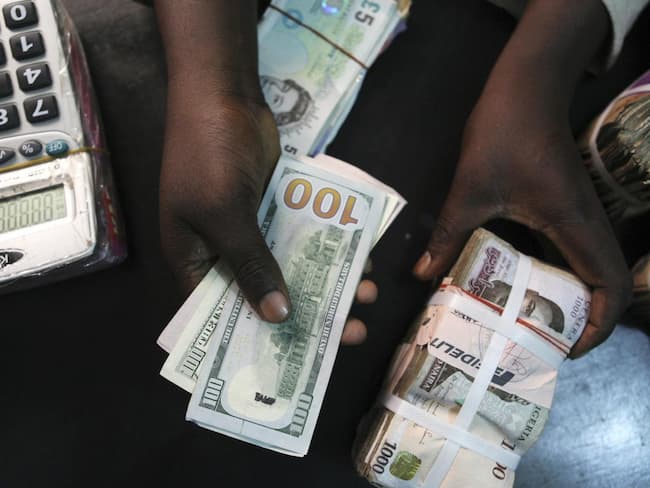
The exchange rate between the Naira and the US dollar, according to the data released on the FMDQ Security Exchange, the official forex trading portal, showed that the naira closed at 1480.00 per $1 on Monday, October 27th , 2025. The naira traded as high as 1455.00 to the dollar at the investors and exporters (I&E) window on Sunday.
Dollar to naira exchange rate today black market (Aboki dollar rate):
The exchange rate for a dollar to naira at Lagos Parallel Market (Black Market) players sell a dollar for ₦1499 and buy at ₦1480 on Sunday 26th October, 2025, according to sources at Bureau De Change (BDC).
Please note that the Central Bank of Nigeria (CBN) does not recognize the parallel market (black market), as it has directed individuals who want to engage in Forex to approach their respective banks.
Dollar to Naira Black Market Rate Today
Dollar to Naira (USD to NGN)
Black Market Exchange Rate Today
Selling Rate
₦1499
Buying Rate
₦1480
Dollar to Naira CBN Rate Today
Dollar to Naira (USD to NGN)
CBN Rate Today
Highest Rate
₦1463
Lowest Rate
₦1455
Please note that the rates you buy or sell forex may be different from what is captured in this article because prices vary.
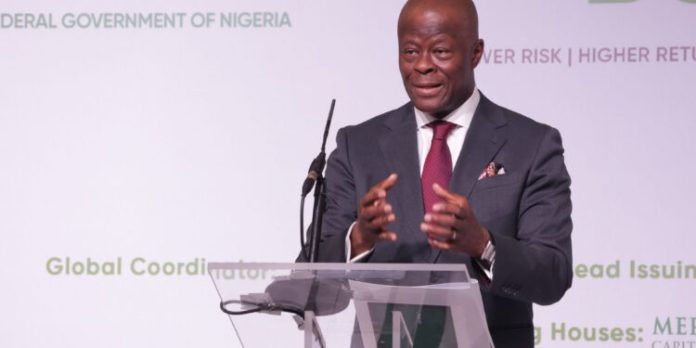
The Securities & Exchange Commission (Nigeria) (SEC) has revealed that over US $50 billion in cryptocurrency transactions were conducted by Nigerian users between July 2023 and June 2024. The Director-General, Emomotimi Agama, delivered the disclosure in a statement on Sunday, highlighting a striking disconnect between the volume of crypto flows and domestic participation in the formal capital-market system.
Dr Agama noted that fewer than 4 per cent of Nigeria’s adult population are active investors in traditional capital markets, with under three million registered participants. In stark contrast, he referenced data suggesting that over 60 million Nigerians engage daily in gambling activities — collectively spending an estimated US $5.5 million per day. “This reveals a paradox: a clear appetite for risk exists, but not the trust or access to channel that energy into productive investment,” he commented.
On a structural level, Nigeria’s market-capitalisation-to-GDP ratio stood at around 30 per cent — far behind South Africa (320 %), Malaysia (123 %) and India (92 %). Agama argued that the disparity underscores an urgent need to deepen financial inclusion and rebuild investor confidence. He further pointed out that Nigeria’s annual infrastructure-financing shortfall of US $150 billion significantly outpaces the contribution from capital markets, which saw just N₦1.5 trillion approved via Public Private Partnership (PPP) bonds. “This shows a misalignment between financial innovation and national priorities,” he stated.
Agama called for a transformed SEC — one that serves not only as regulator but also as enabler of private-sector-driven growth. He emphasised the importance of bridging the trust gap and improving access to formal investment channels, thereby enabling Nigeria’s risk-taking populace to channel funds into productive assets rather than speculative ones.
This development raises two key implications. First, the high volume of crypto activity signals that a substantial portion of Nigeria’s financially active population is operating outside regulated investment environments. Second, the formal capital market is under-leveraged, constrained by low participation, limited trust and insufficient infrastructure.
In effect, Nigeria faces a bifurcated investment landscape: a booming informal risk-channel via cryptocurrency, and a relatively thin formal capital-market structure. For policymakers and regulators, the challenge lies in converting the latent risk appetite into productive, regulated investment flows that support infrastructure financing and inclusive growth.
As Nigeria continues its financial-market evolution, the SEC’s disclosures mark an important signal that attention must shift from simply offering instruments to creating trust, access and channels that align with citizen behaviour and national economic priorities.
Nigeria’s Minister of Finance and Coordinating Minister of the Economy, Wale Edun, has assured citizens that the country’s economy is on a strong path toward recovery, signaling the beginning of a new phase of stability and growth.
In an official statement released on Sunday, titled “Nigeria Turning Towards Prosperity,” Edun expressed optimism that the nation has moved past its toughest economic challenges.
“Despite some historical setbacks and present challenges, I believe the hardest part of our journey is behind us. Nigeria has turned a decisive corner. The road ahead will demand discipline, but we are firmly on the right path,” the minister stated.
Macroeconomic Gains Since Tinubu’s Reforms
Edun explained that when President Bola Tinubu took office in 2023, Nigeria’s economy was teetering on the brink of collapse, plagued by fuel subsidies, multiple exchange rates, and high inflation.
According to him, the President’s immediate priority was to remove distortions, promote productivity, and rebuild investor confidence. Two years later, those reforms are showing tangible results.
Nigeria’s GDP grew by 4.23% in Q2 2025, marking the fastest pace in four years. Inflation, while still high, has eased to 18.02% after six consecutive months of decline.
The naira has also stabilized, narrowing the gap between official and parallel market exchange rates to about 1%, down from nearly 70% in 2023. Foreign reserves have climbed above $43 billion, the highest since 2019.
“These are not just numbers,” Edun said. “They represent the foundation for inclusive growth that benefits every Nigerian.”
Tackling Food Inflation and Supporting Households
The minister highlighted food inflation as one of the government’s key priorities, acknowledging that it had been the “heaviest burden” on citizens since the removal of fuel subsidies.
He revealed that food prices have begun to ease, citing that a bag of rice which cost around N120,000 in 2024 now averages N80,000 in major markets, while prices of garri, pepper, and tomatoes have also dropped.
To cushion the impact of reforms, 8.1 million households have received direct cash transfers as part of the government’s social intervention programme. The initiative aims to reach 15 million families, ensuring economic relief for the most vulnerable Nigerians.
“This is more than a safety net,” Edun said. “It ensures that the benefits of reform reach ordinary citizens while stabilizing household consumption.”
Debt Challenges and Fiscal Reforms
On Nigeria’s debt profile, Edun admitted that debt servicing remains a major fiscal burden but expressed confidence that new revenue measures would address it.
Nigeria’s fiscal revenue-to-GDP ratio currently stands at about 10%, one of the lowest in Africa. However, the recently enacted Nigeria Tax Act, signed into law by President Tinubu in June 2025, seeks to broaden the tax base and improve compliance.
The Act introduces a progressive tax system designed to protect low-income earners while adjusting rates for higher earners, reducing evasion and ensuring fairness.
“With the Revenue Optimisation and Assurance Programme, we’re creating fiscal space for investment in infrastructure, health, and education,” Edun noted.
Oil Sector Revival and Infrastructure Development
The Finance Minister highlighted improvements in oil production and refinery capacity as major contributors to Nigeria’s recovery. With enhanced security and reduced oil theft, production has rebounded to 1.68 million barrels per day, including condensates. Refinery projects like the Dangote Refinery expansion are also setting the stage for a stronger downstream sector.
Edun reaffirmed that public funds alone cannot meet Nigeria’s vast infrastructure needs. He said the government is leveraging public-private partnerships (PPPs) to finance large-scale projects such as the Ajaokuta–Kaduna–Kano gas pipeline and the Project Bridge 90,000 km fibre network, which are crucial for industrialisation and digital growth.
Confidence in Nigeria’s Economic Future
Edun pointed to growing confidence among investors as proof that Nigeria’s reform agenda is working. “Investors—domestic and foreign—are beginning to believe again. But this confidence must be nurtured through predictable policies and disciplined fiscal management,” he said.
The minister added that Nigeria’s medium-term target is to achieve 7% GDP growth by 2027/28, which he described as achievable through collaboration between government, the private sector, and citizens.
“If we stay united and committed, we will not only meet but exceed this target,” Edun concluded.
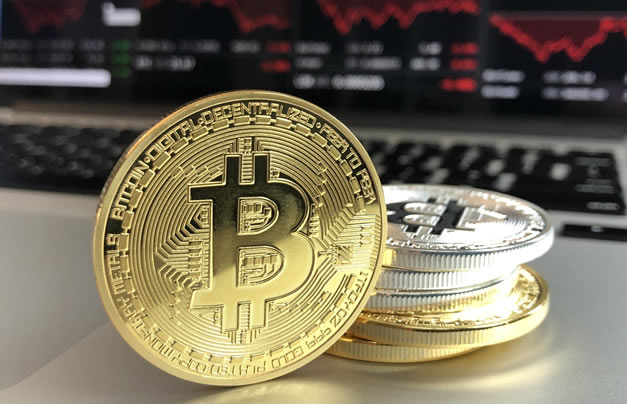
Despite an overall increase in the listed-crypto-asset market value of 1.62 % to approximately US $3.83 trillion, the leading digital-asset Bitcoin experienced a setback, falling to around US $113,400 on Sunday as retail-investor sentiment softened, according to trading data from CoinMarketCap.
The drop in Bitcoin’s price outpaced declines in major alternatives such as Ethereum, XRP, Solana and Cardano. Bitcoin briefly peaked at an intraday high of US $114,000 before pulling back. Meanwhile, Ether approached a retest of the US $4,100 level. Other cryptocurrencies traded as follows: BNB-USD at US $1,125 (down 0.11 %), XRP-USD at US $2.61 (up 0.06 %), and SOL-USD at US $197.
Liquidation analytics from CoinGlass show disparate outcomes across tokens: for example, XRP traders betting short positions suffered nearly five times more losses than long positions. Of US $5.95 million liquidated in XRP pairs, US $4.77 million were shorts and US $1.18 million were longs — marking a short-to-long wipe-out ratio of 404 %.
On the long-term supply front, Glassnode data reveals approximately 62,000 BTC moved out of inactive (‘cold’) wallets since mid-October — the first significant exodus in the second half of 2025, which typically tightens circulating supply and reduces selling pressure among long-term holders.
Bitcoin’s decline from its early-October all-time high of above US $125,000 brings its current trading price to roughly US $113,550, based on figures from The Block’s Bitcoin Price page.
Although the broader crypto-market cap rose, the divergence in individual asset performance signals ongoing caution among investors. Ether appears to be building a firmer base ahead of a possible recovery phase in November, but the pace of movement remains tentative.
In a marketplace marked by both fear and opportunity, the dynamic between liquidations, wallet-flows and supply constraints offers critical insight into near-term direction. For crypto investors, the current landscape underscores the importance of monitoring both sentiment and on-chain signals rather than relying solely on headline-price action.
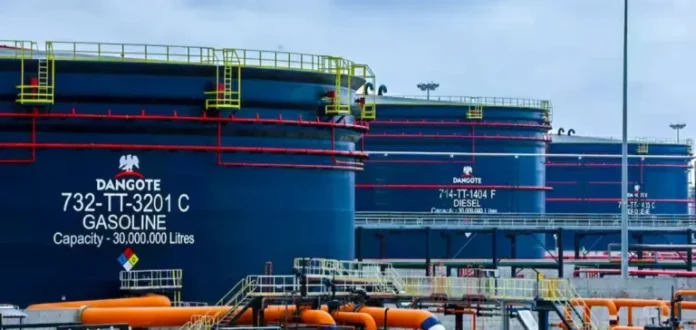
In a significant move set to reshape the global energy landscape, the Dangote Refinery has announced plans to expand its capacity from 650,000 barrels per day (bpd) to an unprecedented 1.4 million bpd.
The announcement was made on Sunday in Lagos by the President and Chief Executive Officer of the Dangote Group, Alhaji Aliko Dangote, during a media briefing attended by key industry figures, including the Chairman of First Bank, Mr. Femi Otedola.
Dangote described the expansion as a monumental step that will make the refinery the largest in the world, surpassing India’s Jamnagar Refinery upon completion.
“We are expanding the Dangote Petroleum Refinery from 650,000 barrels per day to 1.4 million barrels per day,” Dangote said. “Once completed, it will become the world’s largest single-train refinery.”
According to him, the construction phase will commence immediately, with about 65,000 workers required for the project—85 percent of whom will be Nigerians.
Power and Quality Upgrades
Dangote further disclosed that the facility’s power generation capacity will double from 500 megawatts (MW) to 1,000 MW to support the expansion and ensure uninterrupted operations.
The refinery is also set to upgrade its output quality to Euro 6 standard fuel, up from the current Euro 5 specification. This improvement aligns with global environmental and efficiency standards, positioning the refinery as a world-class operation.
Stock Market Listing and Economic Impact
The industrialist revealed that the refinery will be listed on the Nigerian Stock Exchange (NSE) in 2026, allowing Nigerians to become shareholders in one of the country’s most ambitious industrial projects.
Dangote expressed appreciation to President Bola Tinubu for his continued support, emphasizing that the expansion will further boost Nigeria’s refining capacity, reduce reliance on fuel imports, and enhance job creation.
“We are deeply grateful to President Tinubu for his encouragement and policies that continue to promote local investments. The expansion is expected to be completed within three years,” he added.
The Dangote Refinery, commissioned in 2023, is already Africa’s largest integrated refining facility. Its expansion to 1.4 million bpd reinforces Nigeria’s ambition to become a major player in global energy production and export.
Global beverage giant The Coca-Cola Company has registered a sweeping $393 million impairment loss tied to its former Nigerian subsidiary Chi Limited — a move that speaks to more than just a balance-sheet adjustment. Embedded in the company’s Q3 2025 financial disclosures, the charge signals how one of Africa’s largest consumer markets is prompting multinational firms to recalibrate rather than simply expand.
Coca-Cola’s entry into Chi Limited began with a major stake purchase in 2016, culminating in full ownership by 2019. At that time, the acquisition was heralded as a pivotal gateway into Nigeria’s fast-growing juice, dairy and value-added beverages segment. Chi’s home-grown brands such as Chivita, Hollandia and the licensed Caprisonne were widely regarded as market-leaders in the non-carbonated drink sector, which many analysts projected would surpass traditional fizzy-drink markets.
Yet the lofty expectations collided with a convergence of macro- and operational headwinds. Nigeria’s foreign-exchange volatility, persistent inflation, escalating input costs and pressured consumer purchasing power all chipped away at profitability in the fast-moving consumer-goods (FMCG) arena. In recognizing this, Coca-Cola’s impairment essentially acknowledges that the carrying value of Chi Limited on its books no longer reflects what the company expects to recover from the asset.
An impairment on the magnitude of $393 million is rare for an emerging-market subsidiary and typically accompanies a downward revision of long-term growth or earnings outlook. For Coca-Cola, the decision may mark both a financial correction and a strategic pivot, shifting emphasis back to core global beverage franchises and products with stronger margins.
Moreover, the move dovetails with Coca-Cola’s broader theme of portfolio rationalisation — divesting or writing down underperforming assets in emerging markets to streamline operations and sharpen focus. This is a recurring playbook among multinationals facing the uneven terrain of developing-economy expansion.
Into this gap steps UAC Nigerian Industries PLC (UACN), whose proposed acquisition of Chi Limited aligns with its consumer-goods growth strategy and deeper ambition in the beverages and dairy sectors. For UACN, integrating Chi offers a synergistic opportunity: leveraging local market insight, a more flexible cost base and a proven distribution network may better enable Chi’s brands to navigate the same headwinds that challenged Coca-Cola.
If the deal delivers as hoped, it stands to enhance UACN’s revenue streams, diversify its product offerings and create a stronger investor narrative — provided post-acquisition integration and operational efficiency are well-executed. Analysts suggest the acquisition could also improve investor sentiment around UACN, contingent on the company demonstrating effective change-management.
While the impairment is unlikely to imperil Coca-Cola’s global financial standing, it carries symbolic resonance. It underscores that even the world’s most capable beverage company can be vulnerable in emerging consumer markets where currency swings, infrastructure gaps and shifting consumption patterns change investment outcomes swiftly.
For investors and industry watchers, the development serves as an instructive reminder: success in Africa’s consumer-facing sectors lies not just in scale but in adaptability and local coherence. Multinationals may bring global best-practice, but indigenous firms often hold advantages in agility and contextual understanding.
Despite the immediate setback, Nigeria’s beverage market remains fundamentally attractive — driven by a young population, increasing urbanisation and a growing middle class. The key for investors is aligning product and price-strategies with local realities, rather than simply transplanting global models.
Ultimately, Coca-Cola’s $393 million impairment on Chi Limited should be seen not solely as a headline loss, but as part of a deeper rebalancing in global expansion strategy. For UACN, the acquisition may represent a calculated bet on local leadership. For investors, the story captures a central lesson in emerging-market dynamics: understanding the consumer pulse, not just international scale, is crucial.
As Nigeria’s beverage landscape continues to shift, Chi Limited’s transition from a global multinational subsidiary to a domestically-anchored asset under UACN may yet prove that strategic realignment, not retreat, will define success in Africa’s largest economy.
Interswitch, the leading African technology company focused on creating solutions that enable individuals and communities prosper, is set to premiere the seventh season of its national science competition, InterswitchSPAK, on Sunday, November 9, 2025.
This season will bring together exceptional students from secondary schools across various Nigerian states including Kaduna, Abuja, Abia, Rivers, Akwa Ibom, Ogun among others. Viewers can look forward to 13 exciting weeks of a riveting showcase of the nation’s brightest, young scientific talent on a national stage.
InterswitchSPAK, a flagship Corporate Social Responsibility (CSR) initiative of Interswitch, has grown into Nigeria’s premier platform for advancing STEM education, providing young students with the opportunity to demonstrate their knowledge, creativity, and potential.
The new edition of the TV broadcast will commence with the preliminary rounds on November 9, 2025. Over nine episodes, 81 students will compete, with this phase running until January 4th, 2026. The top 27 contestants will then advance to the semi-finals, airing from January 11th to 25th, 2026, culminating in the grand finale on February 1st, 2026, where nine finalists will compete for the top scholarship prizes.
Viewers can also catch the excitement on social media, through on the @InterswitchSPAK handles on YouTube, Facebook, and X every Sunday at 6pm and on LinkedIn, InterswitchGroup, at 5.30pm[CD1] also on Sundays. The show will spotlight key milestones from exceptional performances in the preliminaries to the emergence of the top nine contestants in the semi-finals, before the final showdown in February.
Commenting on the upcoming season, Cherry Eromosele, Executive Vice President, Group Marketing and Corporate Communications at Interswitch, said:
“Over the years, InterswitchSPAK has evolved beyond a competition into a platform that inspires excellence and showcases the remarkable potential of young Nigerians. Each season, we witness students push boundaries, demonstrate resilience, and shine brightly on the national stage. This seventh edition presents another opportunity to amplify that impact, empowering participants with knowledge, inspiration, and life-long skills that will shape not only their future, but also the future of our nation.”
Outstanding students will be rewarded with scholarships worth over ₦35 million including monthly stipends, brand new laptops and other exciting prizes. Beyond these prizes, InterswitchSPAK is anchored on a clear purpose, to build a pipeline of innovators, problem-solvers, and thought leaders who will shape the future of Nigeria and Africa through Science, Technology, Engineering, and Mathematics (STEM).
Now in its seventh year, InterswitchSPAK continues to reward academic brilliance, encourage innovation, and strengthen the role of STEM in nurturing the next generation of African leaders.
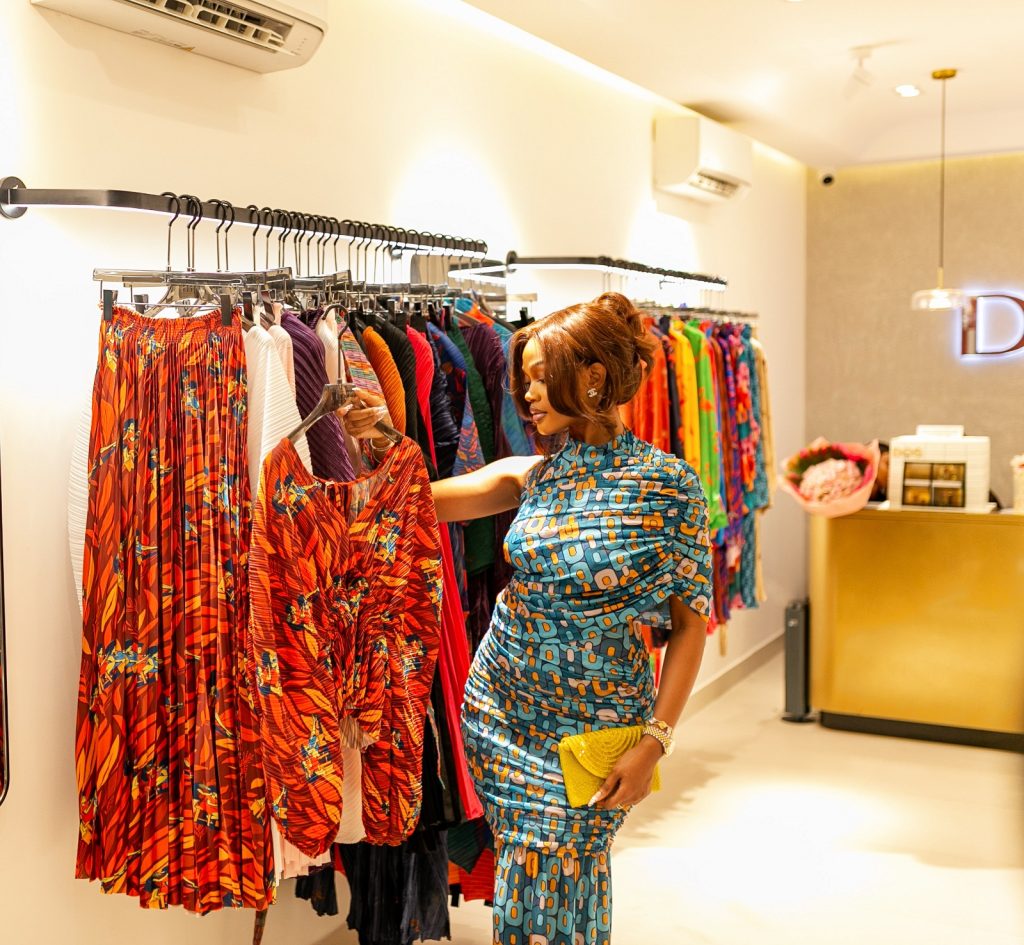
For DOS, the Legacy Dinner was a beautiful reflection of fifteen years of creativity, style, sisterhood, and storytelling through fashion. Hosted in the intimate warmth of the DOS Lekki store, located at 55a Akintunde Adeyemi Drive, Lekki, the womenswear brand founded by Debola Obanikoro, the evening gathered fashionistas, Influencers, loyal clients, and women who have, in one way or another, been part of the brand’s remarkable journey.
From Elizabeth Elohor to Diana Eneje, Style Connoisseur, Ify Okoye, Ifeoma Odogwu, Chika Uwazie, Onyeka Michael Agwu, and more gracefully hosted by Ozinna Anumudu, the event was filled with laughter, connection, and shared pride in a brand that has quietly defined Nigerian fashion for over a decade.
From the warm candlelight to the beautifully dressed tables adorned with florals, every detail told a story of grace and craftsmanship. Guests were treated to a five-course culinary experience by Tash Bistro, perfectly curated to complement the evening’s mood.
Between courses, stories and laughter flowed easily as guests reminisced about the pieces they’ve worn and the moments that made DOS more than a brand, a shared experience of womanhood and timeless pieces.
It wasn’t just a dinner, it was a toast to 15 years of vision, craft, and community. The highlight of the evening came when Debola Obanikoro, founder and creative director of DOS, shared a few heartfelt words about the brand’s 15-year journey, from its modest beginnings to becoming a household name in Nigerian fashion, and now expanding its story to London.
Her message was simple yet powerful: “DOS has always been about more than clothes; it’s about women, identity, and storytelling”. Every woman in the room, from loyal clients to friends of the brand, represented a piece of that legacy.
Staying relevant in fashion for 15 years takes more than beautiful designs, it takes consistency, purpose, and resilience. DOS has stayed true to its DNA through changing trends and evolving markets, continuing to tell stories of strength, femininity and understated confidence.
Through the years, DOS has built a community, not just of customers, but of women who see themselves reflected in every collection, every silhouette, and every detail.
As the evening drew to a close, guests clinked glasses to the next chapter, The DOS Lekki Store Launch, on Sunday, 26 October, at 55A Akintunde Adeyemi Drive, Lekki, a shopping experience that promises to usher in a new era for the brand. One story, one woman, one design at a time.
Fifteen years on, DOS remains a symbol of grace, growth, and grit, proof that true legacy isn’t just built, it’s worn.
A joint international operation led by INTERPOL and AFRIPOL has resulted in the arrest of several suspects in Nigeria allegedly connected to a $562 million cryptocurrency Ponzi scheme that defrauded investors in at least 17 countries.
The two-month enforcement action, dubbed Operation Catalyst, ran between July and September 2025 and targeted financial crimes associated with terrorism financing and money laundering across multiple African nations.
INTERPOL confirmed that the crackdown led to 83 arrests across six countries, including Nigeria, Kenya, and Angola, while over 160 persons of interest were identified. Authorities have traced illicit transactions worth approximately $260 million in both fiat and virtual currencies.
In Nigeria, 11 suspected terrorists, including alleged senior members of extremist organizations, were arrested as part of the same coordinated operation. Investigators discovered links between these individuals and a global crypto investment scam that presented itself as a legitimate trading platform but was ultimately tied to terrorism financing networks.
According to INTERPOL, the scheme operated across several African countries—among them Cameroon, Kenya, and Nigeria—and affected over 100,000 investors. The agency said multiple high-value crypto wallets connected to the operation are under forensic investigation, with transactions being analyzed for connections to terrorism-related funding.
In addition, a Red Notice has been issued for one of the alleged masterminds accused of defrauding investors of approximately $5 million through a complex system of wallets and crypto exchanges designed to obscure money trails.
So far, authorities have screened more than 15,000 individuals and entities and recovered about $600,000. INTERPOL noted that efforts are ongoing to trace and seize additional assets linked to both terrorism financing and financial fraud.
Valdecy Urquiza, INTERPOL’s Secretary General, described the operation as a “landmark in Africa’s cross-border collaboration against financial crime,” noting that it is the first time financial crime, cybercrime, and counterterrorism units across multiple countries have worked jointly to target terror financing channels.
Similarly, AFRIPOL’s Executive Director, Ambassador Jalel Chelba, highlighted the importance of inter-agency collaboration in tackling complex financial crimes, stating that unified action among African security agencies demonstrates the continent’s growing ability to combat evolving threats.
Operation Catalyst received analytical and cyber-intelligence support from several private-sector partners, including Binance, Moody’s, and Uppsala Security.
This development comes on the heels of Operation Serengeti 2.0, conducted between June and August 2025, which saw INTERPOL arrest 1,209 suspected cybercriminals and dismantle 11,432 malicious online infrastructures across Africa. That earlier effort recovered over $97.4 million linked to widespread online fraud.
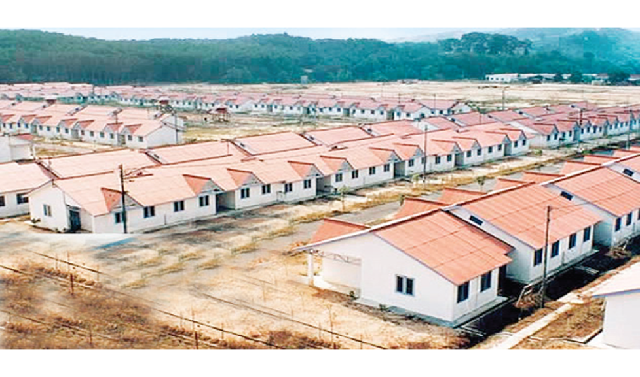
The Federal Government of Nigeria has unveiled standard sale prices for housing units under the Renewed Hope Estate Programme, an initiative by the Federal Ministry of Housing and Urban Development aimed at promoting affordable and equitable homeownership across the country.
In a statement issued by the Ministry’s Director of Press and Public Relations, Badamasi Haiba, the government confirmed that the new pricing framework will apply uniformly across all states where the estates are being developed.
Under the approved pricing structure, the Ministry announced that a one-bedroom semi-detached bungalow will cost N8.5 million, a two-bedroom unit will be sold for N11.5 million, while a three-bedroom semi-detached bungalow will cost N12.5 million.
According to Haiba, the uniform pricing policy was designed to ensure transparency, affordability, and fairness, giving equal access to Nigerians across different income levels and regions.
The Minister of Housing and Urban Development, Ahmed Dangiwa, emphasized that priority in allocation will be given to low- and middle-income earners, civil servants, private-sector employees with verifiable income, and Nigerians in the Diaspora seeking homeownership in the country.
Supporting this, the Permanent Secretary, Dr. Shuaib Belgore, explained that several flexible payment options have been introduced to enhance affordability. These include outright payment, mortgage plans, rent-to-own arrangements, and installment payment schemes.
Belgore further revealed that the sale of completed housing units across Nigeria’s northern and southern regions will commence shortly. Interested applicants can apply through the Renewed Hope Housing online portal at www.renewedhopehomes.fmhud.gov.ng or obtain forms from the Ministry’s headquarters and field offices nationwide.
Clarifying further, Haiba noted that the approved prices apply solely to Renewed Hope Housing Estates financed directly through the Ministry’s budget. The pricing does not cover Renewed Hope Cities in locations such as Karsana (Abuja), Janguza (Kano), and Ibeju Lekki (Lagos), which are being executed under Public Private Partnership (PPP) arrangements.
Nigeria’s gross external reserves have climbed to $42.865 billion, marking the country’s strongest reserve position in over five years. Economic projections reviewed by BizWatch Nigeria suggest the reserves could edge up to $43 billion by year-end, a development analysts describe as a reflection of improved foreign exchange inflows and a stabilizing macroeconomic outlook.
According to new data released by the Central Bank of Nigeria (CBN), the latest figures indicate that the nation’s external reserves can now cover approximately 12 months of imports, providing a crucial liquidity cushion for the economy. This performance surpasses pre-naira reform levels and underscores Nigeria’s strengthening foreign reserve management strategy.
Experts attribute the boost in reserves to increased hydrocarbon export earnings, a renewed surge in foreign portfolio investments (FPI), and consistent inflows from diaspora remittances. These factors combined have helped stabilize the nation’s foreign exchange market amid continued reforms by the apex bank.
The reserves opened the year at $40.877 billion, fluctuating modestly through the first and second quarters before reaching the current peak. This growth trajectory has been largely supported by improved oil production levels and robust participation by foreign investors in Nigeria’s fixed-income and equity markets.
Economic analysts believe that sustaining this momentum will depend on maintaining investor confidence, managing FX demand pressures, and enhancing export diversification. The CBN has emphasized its commitment to strengthening reserve buffers to ensure macroeconomic stability and resilience against external shocks.
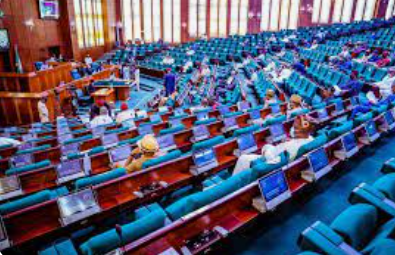
The House of Representatives has taken a significant step toward enhancing the independence of Nigeria’s foremost anti-graft agency, the Economic and Financial Crimes Commission (EFCC), by passing for second reading a bill to amend the EFCC (Establishment) Act, 2004.
The amendment bill, sponsored by Yusuf Gagdi, representing Pankshin/Kanke/Kanam Federal Constituency of Plateau State, seeks to strengthen the institutional autonomy of the EFCC and align its operations with global anti-corruption standards.
During Thursday’s plenary, presided over by the Deputy Speaker, Benjamin Kalu, Gagdi argued that the amendment was necessary to modernise the EFCC’s legal framework and empower it to effectively tackle evolving patterns of financial and economic crimes.
He noted that since the establishment of the EFCC Act in 2004, the landscape of financial crimes had expanded beyond conventional fraud to include cybercrime, cryptocurrency-related offences, illicit financial flows, terrorism financing, and real estate-linked money laundering.
“The EFCC operates under outdated provisions that do not adequately address these emerging realities,” Gagdi said. “Furthermore, the existing law does not provide sufficient safeguards for the Commission’s independence, leaving it vulnerable to political influence and external interference.”
A key highlight of the proposed amendment is the plan to limit the President’s unilateral power to remove the EFCC Chairman. Under the current law, the President can dismiss the Chairman at will, but the new proposal stipulates that such a decision must be ratified by a two-thirds majority of both chambers of the National Assembly.
Citing Section 3(2) of the existing Act, Gagdi stressed that the current framework grants the President sweeping powers that could undermine the Commission’s credibility and objectivity. He maintained that the amendment would restore public confidence in the EFCC and safeguard it from political manipulation.
“The bill presents a decisive step towards strengthening Nigeria’s anti-corruption framework,” he said. “It aims to ensure that the EFCC operates as an independent, professional, and transparent institution responsive to modern financial crime realities. This reform will also bolster Nigeria’s global reputation and promote good governance and economic stability.”
Supporting the motion, Chairman of the House Committee on Financial Crimes, Ginger Onwusibe, described the proposed amendment as long overdue, observing that the principal Act no longer reflects the complexities of contemporary financial offences.
The bill was subsequently referred to the House Committee on Financial Crimes for further legislative action.
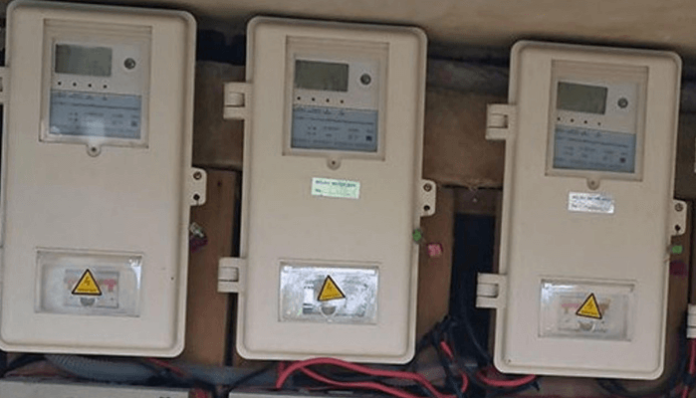
When the Nigerian Electricity Regulatory Commission (NERC) announced a ₦28 billion bailout for electricity distribution companies (DisCos) last month, it was greeted with cautious optimism and weary scepticism.
The new funds, earmarked for the procurement and free installation of meters for customers in tariff Bands A and B, form part of the Presidential Metering Initiative (PMI), which targets Nigeria’s estimated seven million unmetered electricity consumers. Yet, for many observers, the initiative feels like another replay of an old, costly drama.
Investigations by BusinessDay show that nearly ₦1.5 trillion has already been injected into previous metering interventions—spanning federal allocations, Central Bank of Nigeria (CBN) loans, and donor funding—with limited progress to show. Despite these massive investments, more than half of Nigeria’s 11.8 million active electricity customers remain unmetered and subjected to controversial estimated billing.
As of 30 June 2025, NERC data indicated that only 6,422,933 customers (54.3 percent) had been metered, leaving about 5.3 million still without meters.
The latest tranche—under the Meter Acquisition Fund (MAF)—was unveiled on 15 October and is being distributed among the 12 DisCos according to their customer base and operational needs. Major beneficiaries include Ikeja Electric, Eko Electricity Distribution Company, Ibadan Electricity Distribution Company, and Abuja Electricity Distribution Company.
According to NERC, the intervention represents “a decisive measure to eliminate estimated billing and deepen efficiency in electricity distribution.” But across the sector, doubts persist.
“The challenge isn’t about funding anymore—it’s about delivery and transparency,” said a senior executive at a Lagos-based meter manufacturing company who requested anonymity. “We’ve seen this before: funds released, promises made, and little impact on the ground.”
A History of Broken Promises
Nigeria’s metering journey is littered with failed schemes and mismanaged funds. The most prominent of these, the National Mass Metering Programme (NMMP), was launched in 2020 with a ₦200 billion CBN-backed facility to deliver one million meters in its pilot phase. By 2022, however, the project had been tainted by scandal after the CBN asked a Lokoja High Court to freeze 157 bank accounts linked to companies accused of diverting NMMP funds.
Less than 940,000 meters were reportedly delivered—many of which were never installed—while billions of naira remain unaccounted for.
Subsequent efforts, including NERC’s initial ₦21 billion MAF phase, also struggled. By mid-2025, only about 107,000 Band A customers had received meters under the scheme. Analysts argue that DisCos, burdened by debt and poor cash flow, have little incentive to accelerate metering, as unmetered consumers can be billed arbitrarily.
“The system rewards inefficiency,” said an Abuja-based power analyst. “As long as estimated billing persists, DisCos can inflate figures without accountability.”
Paying Twice, Waiting Forever
Frustrated by delays, many customers have tried to self-finance their meters under the Meter Asset Provider (MAP) scheme, introduced in 2018. While the programme allows customers to pay upfront and receive refunds through energy-use credits, complaints of non-refund and poor service abound.
“It feels like we’re punished for trying to do the right thing,” said Chidinma Eze, a small business owner in Isolo who paid ₦88,000 for a meter in 2022 but is yet to receive reimbursement.
Foreign Contracts, Local Frustrations
The World Bank’s Distribution Sector Recovery Programme—backed by a $500 million loan, including $155 million earmarked for 3.2 million meters—was expected to bring structure and international oversight. But disputes between local manufacturers and the Transmission Company of Nigeria (TCN) have stalled progress.
Local producers accuse TCN of sidelining Nigerian firms in favour of foreign suppliers, notably two Chinese companies reportedly awarded contracts worth over ₦100 billion for 1.25 million meters. The controversy has left hundreds of thousands of installations in limbo.
The Bigger Problem
With cumulative spending now exceeding ₦1.5 trillion, Nigeria’s metering gap remains stubbornly wide. Experts warn that the implications go beyond billing fairness.
“Metering is the backbone of a functional power market,” said energy economist Ayodele Olawande. “Without accurate measurement, you can’t determine true consumption, attract investors, or enforce accountability.”
Industry analysts argue that the core challenge lies not in regulation but in execution.
“Every new metering scheme recycles old players and old inefficiencies,” said a consultant who has worked on two previous interventions. “Until there’s political will to confront corruption and enforce delivery, Nigeria will keep spending billions to measure darkness.”
For now, the ₦28 billion bailout stands as yet another promise in a long line of metering pledges—haunted by the ghosts of ₦1.5 trillion spent and millions of consumers still waiting for the light of transparency.
The National Board for Technical Education (NBTE) has cautioned all professional and examination bodies in Nigeria to desist from the unauthorised conduct and award of National Diploma (ND) and Higher National Diploma (HND) certificates.
The warning was contained in a statement issued on Thursday in Kaduna by the NBTE’s Executive Secretary, Prof. Idris Bugaje, through the board’s Head of Media and Publicity, Mrs Fatima Abubakar.
Prof. Bugaje expressed concern over reports of certain professional and examination bodies purporting to design, conduct, and issue ND and HND certificates in various disciplines, describing such actions as illegal and a direct violation of the NBTE Act.
He emphasised that the NBTE remains the sole authority legally empowered under the Federal Government Decree No. 9 of 1977, as amended by Act No. 16 of 1985, to approve, accredit, and regulate all programmes leading to the award of ND and HND certificates in Nigeria.
According to the board, only accredited Technical and Vocational Education and Training (TVET) institutions—such as polytechnics, colleges of health, colleges of agriculture, colleges of nursing sciences, and other specialised institutions that meet approved standards—are authorised to run ND and HND programmes.
“The board will not hesitate to take appropriate regulatory and legal action against any professional or examination body found engaging in such unlawful practices,” the statement added.
The NBTE further advised stakeholders and the general public to ensure strict compliance with the regulations governing technical education in Nigeria, warning that any violation would attract sanctions.
In September, the board reiterated its commitment to sustaining a nationwide clampdown on unaccredited institutions falsely operating as polytechnics, a move aimed at safeguarding the integrity of Nigeria’s technical education system.
…NEC expands anti-crude theft committee to cover illegal mining operations
The Federal Government has announced a nationwide crackdown on illegal gold miners and mineral smugglers as part of efforts to protect Nigeria’s natural resources and boost government revenue.
The decision followed the National Economic Council’s (NEC) approval to expand the mandate of its Ad-hoc Committee on Crude Oil Theft Prevention and Control—chaired by Imo State Governor, Hope Uzodinma—to include the fight against illegal mining and mineral smuggling.
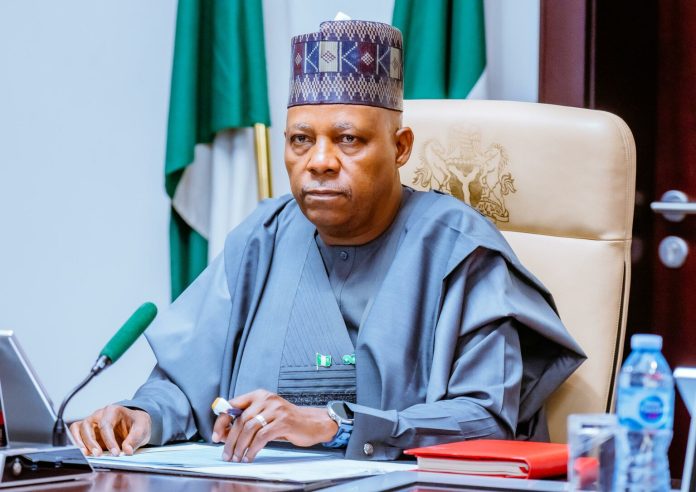
Briefing State House correspondents after the 153rd NEC meeting presided over by Vice President Kashim Shettima at the Presidential Villa, Abuja, Uzodinma said the expansion reflects the government’s determination to plug revenue leakages in the solid minerals sector.
“The National Economic Council Ad-hoc Committee on Crude Oil Theft Prevention and Control, which I chair, presented an interim report today to the Council. NEC received the report with satisfaction and expanded our Terms of Reference to now also take interest in solid minerals, because our solid minerals are being mined and stolen without adding to national revenue,” he said.
Uzodinma disclosed that the committee would collaborate with the Ministry of Solid Minerals Development, the Nigeria Extractive Industries Transparency Initiative (NEITI), and security agencies to curb gold smuggling, illegal quarrying, and unregulated mineral exports.
“Going forward, our committee, working with other government agencies, will ensure that revenue accruing from solid minerals such as gold and other resources is fully captured and protected from theft,” he added.
Originally established in August 2022 under former President Muhammadu Buhari to combat crude oil theft and pipeline vandalism, the ad-hoc committee was reconstituted by President Bola Tinubu in December 2023 amid declining oil production—then hovering between 700,000 and 800,000 barrels per day, far below Nigeria’s OPEC quota.
Nigeria’s illegal mining industry is a multibillion-naira underground economy, particularly in gold, lithium, and other precious minerals. According to NEITI, the country loses more than $9 billion annually to illicit extraction and smuggling.
Investigations show that over 80 per cent of mining operations in Nigeria are informal and unregulated, with many controlled by criminal syndicates and armed groups in the North-West and North-Central regions—turning mineral exploitation into a major source of funding for banditry and cross-border crimes.
To address the crisis, the Ministry of Solid Minerals in September 2024 revoked over 900 dormant mining licences and introduced a national gold reserve policy to strengthen traceability and promote value addition in the sector.
Uzodinma said the expanded committee will adopt a holistic approach, integrating the anti-mining drive into the existing national framework used to combat oil theft.
“Among other things, we recommended that NNPC, working with security agencies, should strengthen surveillance across creeks and offshore regions to prevent illegal entries and vessel movements. That same spirit will now guide our approach to the solid minerals sector,” he said.
The committee is expected to present its first progress report on the expanded mandate at the next NEC meeting in November.