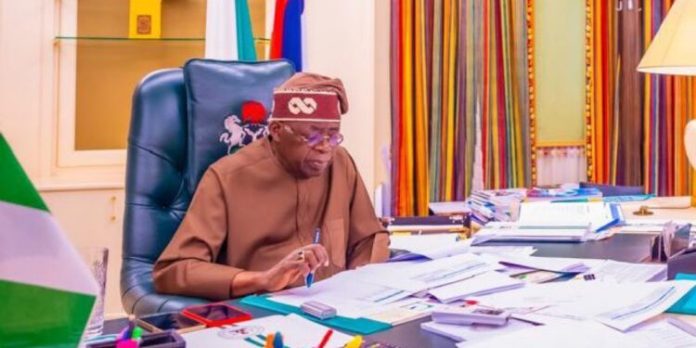
President Bola Ahmed Tinubu has revoked the presidential pardon previously granted to 175 inmates, including several convicted of drug trafficking, kidnapping, and fraud, after widespread public criticism of the clemency list announced on October 11.
According to a statement issued by Bayo Onanuga, the President’s Special Adviser on Information and Strategy, Tinubu ordered a comprehensive review of the list approved at the National Council of State meeting on October 9, 2025.
Following consultations with the Council and security agencies, the number of beneficiaries was reduced from 175 to 120, with several high-profile individuals—such as Maryam Sanda, convicted in 2020 for murdering her husband—removed from the list.
Onanuga said the decision was made “in view of the seriousness and national security implications of certain offences, and the need to uphold justice, fairness, and public confidence in the judicial system.”
The Presidency cited Section 175(1) and (2) of the 1999 Constitution as the legal foundation for the review, emphasizing that the concept of justice must balance the interests of the accused, the victim, and the state.
The new gazette, issued by the Attorney-General of the Federation, Lateef Fagbemi (SAN), detailed the revised pardon list and outlined new criteria for exercising presidential clemency. The Secretariat of the Presidential Advisory Committee on Prerogative of Mercy has also been relocated to the Ministry of Justice for closer oversight.
Fagbemi explained that some names were struck out after a due-process audit revealed that several convicts failed to meet the requirements for clemency. Others had their sentences reduced rather than fully pardoned to reflect a balance of mercy and justice.
Under the updated list, 15 inmates were granted early release based on good conduct, rehabilitation, and vocational training. Additionally, four prisoners on death row had their sentences commuted to life imprisonment for demonstrating remorse and consistent participation in reformation programmes.
Notably, the revised pardon list retains a few symbolic cases of historic injustice, including Herbert Macaulay, Maj.-Gen. Mamman Vatsa, and the Ogoni Nine activists, who were executed in 1995. It also includes four living former public officials—Anastasia Nwaobia, Hussaini Umar, Ayinla Alanamu, and Farouk Lawan—who were convicted of corruption but have since served their terms.
The Presidency reaffirmed that future pardon lists will undergo stricter scrutiny, with mandatory consultations with law enforcement and prosecuting agencies to prevent a recurrence of controversies.
President Tinubu expressed appreciation for the constructive public feedback and reiterated his administration’s commitment to justice reforms, fairness, and the promotion of restorative justice principles.
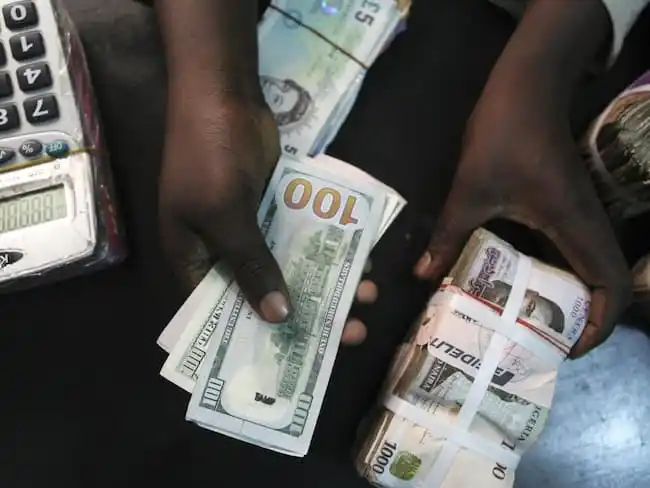
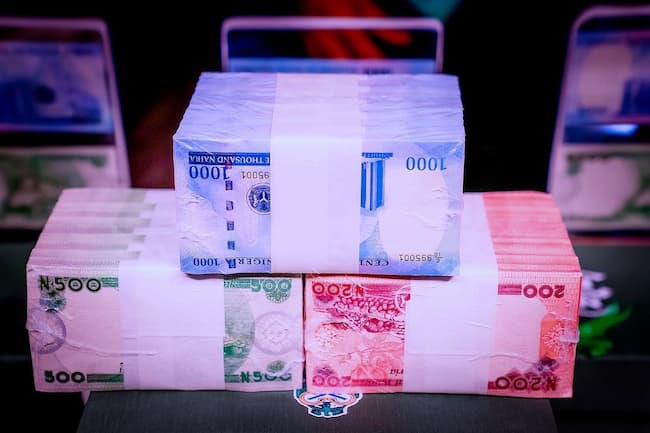
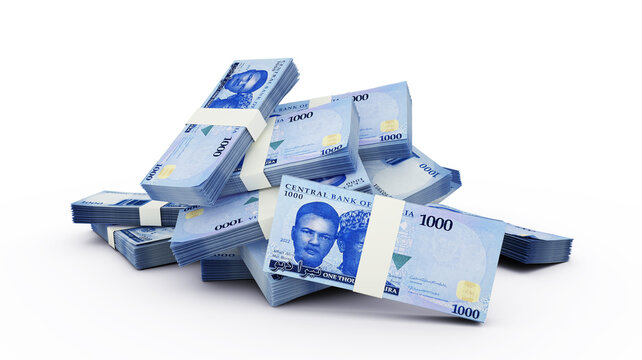
The exchange rate between the Naira and the US dollar, according to the data released on the FMDQ Security Exchange, the official forex trading portal, showed that the naira closed at 1480.00 per $1 on Thursday, October 30th , 2025. The naira traded as high as 1442.00 to the dollar at the investors and exporters (I&E) window on Wednesday.
Dollar to naira exchange rate today black market (Aboki dollar rate):
The exchange rate for a dollar to naira at Lagos Parallel Market (Black Market) players sell a dollar for ₦1495 and buy at ₦1480 on Wednesday 29th October, 2025, according to sources at Bureau De Change (BDC).
Please note that the Central Bank of Nigeria (CBN) does not recognize the parallel market (black market), as it has directed individuals who want to engage in Forex to approach their respective banks.
Dollar to Naira Black Market Rate Today
Dollar to Naira (USD to NGN)
Black Market Exchange Rate Today
Selling Rate
₦1495
Buying Rate
₦1480
Dollar to Naira CBN Rate Today
Dollar to Naira (USD to NGN)
CBN Rate Today
Highest Rate
₦1450
Lowest Rate
₦1442
Please note that the rates you buy or sell forex may be different from what is captured in this article because prices vary.
The Economic and Financial Crimes Commission (EFCC) has returned three properties, two luxury vehicles, and ₦1.1 million in cash to a fraud victim, Mr. Daniel Babatunde Attiogbe, following the conviction of a self-proclaimed spiritualist, Fatai Olalere Alli, popularly known as Baba Abore or Baba Osun, who defrauded him of over ₦200 million.
The assets were officially handed over on Wednesday in Ibadan by the EFCC Acting Zonal Director, Assistant Commander Hauwa Garba Ringim, on behalf of the Commission’s Executive Chairman, Mr. Ola Olukoyede.
In a statement, the Commission said the recovery was made in compliance with a court order secured after Alli’s conviction for obtaining money by false pretence under the guise of conducting spiritual cleansing to prevent “visions of untimely death.”
The forfeited assets include: a five-bedroom duplex with an adjoining three-bedroom bungalow at Kasumu Village, Odo-Ona Elewe, Ibadan;
A bungalow comprising two sets of three-bedroom flats at Plot 182, Block D, Lapiti Layout, Akanran Road, Amuloko;
A three-bedroom bungalow at Idi Ayunre Village, Oluyole Local Government Area of Oyo State;
A grey Honda Pilot SUV (Reg. No. LND 696 CK, Chassis No. 2HKY18414H621545);
A Toyota Corolla (Chassis No. 2T1BU40E49C142502); and
₦1.1 million in cash.
Speaking during the handover ceremony, Olukoyede, represented by Ringim, reiterated the Commission’s commitment to justice and transparency.
“Obeying court orders is mandatory, and as an agency of the Federal Government, we understand its importance. That is what we are doing here today. This demonstrates that the EFCC operates strictly within the ambit of the law and remains committed to transparency and accountability.” Olukoyede said.
He assured that the Commission would sustain its fight against economic crimes and ensure that fraudsters are brought to justice.
“We will stop at nothing to ensure that anyone tarnishing Nigeria’s image through fraudulent activities is made to face the law,” he added.
Receiving the documents, Attiogbe commended the EFCC for restoring his confidence in the justice system.
“I almost gave up, but the EFCC rekindled my hope after I submitted my petition. I sincerely thank the Commission, especially the Ibadan Zonal Office, for its professionalism and integrity,” he said.
The restitution followed a final forfeiture order granted by Justice Uche Agomoh of the Federal High Court, Ibadan, on November 13, 2024.
Alli, who was initially arraigned on a 33-count charge before it was amended to a single count, was convicted and sentenced to three years in prison. He was also ordered to sign an undertaking with the Department of State Services (DSS) to maintain good behaviour and desist from any future criminal activity.
The EFCC reaffirmed that the successful restitution serves as a reminder of its unwavering resolve to pursue financial crimes, protect citizens, and uphold the integrity of Nigeria’s justice system.
Nigeria’s Treasury Bills (T-bills) market maintained a stable performance on Wednesday as the average yield dipped marginally by one basis point to 17.39%, continuing its bullish momentum in the secondary market.
According to data from Meristem Securities Limited, the yield drop was broad-based across most maturities except for the June 2026 paper, which experienced mild selling pressure that pushed its yield higher by 12 basis points.
Analysts at CardinalStone Securities Limited noted that the modest yield contraction—averaging about 1bp across several maturities—was driven by investor bargain-hunting following recent adjustments in spot rates at last week’s auction. However, this was offset by an 11bps rise on the 04-Jun note, resulting in a flat closing yield.
Cordros Securities Limited reported that yields declined slightly across the short (-1bp) and mid (-1bp) segments, reflecting sustained demand for shorter-dated maturities of 85 and 176 days to maturity, respectively. The long end of the curve remained flat amid low activity.
Conversely, yields in the Open Market Operations (OMO) segment expanded by 10bps to close at 22.0%, as investors repositioned ahead of fresh central bank issuances.
Market experts believe the current yield trend reflects investors’ cautious optimism, balancing attractive short-term returns against Nigeria’s high inflation rate, which continues to erode real investment gains.
Despite softer trading volumes, analysts maintain that demand for short-term instruments remains resilient as investors seek stability in an uncertain macroeconomic environment.
The Federal Government has unveiled an ambitious plan to raise Nigeria’s livestock sector contribution to the national economy from $32 billion to $74 billion by 2035 under the newly launched National Livestock Growth Acceleration Strategy (NL-GAS 2025–2035).
Minister of Livestock Development, Dr. Idi Maiha, disclosed this during a Donor and Partnership Workshop held in Abuja, themed “Strengthening Strategic Partnership for Livestock Transformation.” The workshop brought together development partners, donors, and government agencies to galvanize support for implementing the new roadmap.
According to Maiha, the NL-GAS is a market-driven, private sector-led, and government-enabled blueprint designed to modernize Nigeria’s livestock industry and unlock its full economic potential.
“It is not just an aspiration—it is achievable,” he said. “With the right political will, strong private sector involvement, and donor partnership, Nigeria’s livestock industry can become a major driver of inclusive growth and food security.”
Maiha highlighted that the establishment of the Federal Ministry of Livestock Development in 2024 by President Bola Tinubu was a strategic move to position the sector as a pillar of food and nutrition security, climate resilience, and national economic diversification.
He noted that the initiative is aligned with Nigeria’s target of achieving a $1 trillion economy by 2030, emphasizing that the livestock sector alone is projected to contribute at least $74 billion to the GDP by 2035.
The minister added that the NL-GAS rests on ten strategic pillars aimed at addressing key industry challenges — including livestock value chain enhancement, animal health management, feed and fodder production, water resource optimization, peacebuilding, infrastructure development, and the empowerment of women and youth.
“Women and youth are the backbone of this transformation,” Maiha stressed. “Our goal is to double the national herd, boost productivity, and make Nigeria a global supplier of high-quality animal protein.”
Development partners reaffirmed their support for the initiative. Temitayo Omole, Programme Manager at the EU Delegation to Nigeria and ECOWAS, described livestock as a strategic area of interest for the EU, particularly in feed production, breeding, and animal health.
“We are already working with Nigerian ministries and agencies to address critical diseases such as Newcastle disease in poultry and PPR in ruminants through vaccine production,” Omole said.
Similarly, Dr. Hussein Gadain, the FAO Country Representative, said the UN agency has been working closely with the government and rural communities to promote sustainable livestock practices, disease eradication, and improved nutrition outcomes.
“Livestock is central to rural livelihoods and food systems,” he explained. “By strengthening this sector, we are helping millions of Nigerians access protein sources while improving national food security.”
The Federal Government has disbursed N2.3 billion to university-based unions to clear outstanding salary arrears and enhance staff welfare across tertiary institutions.
Minister of Education, Dr. Tunji Alausa, announced the release on Wednesday in Abuja while giving updates on the government’s ongoing engagements with the Academic Staff Union of Universities (ASUU) and other tertiary education unions.
Alausa said the intervention reflects the administration’s resolve to address long-standing welfare and funding challenges in the education sector through fiscal reforms, policy consistency, and constructive dialogue.
“A total of N2.311 billion has been released through the Office of the Accountant-General of the Federation to the universities,” Alausa said. “Benefiting institutions should begin to receive payment alerts anytime from now.”
He explained that the Ministry of Finance and the Office of the Accountant-General of the Federation are finalising the release of outstanding third-party non-statutory deductions and pension remittances to ensure full settlement of obligations.
The minister also disclosed that the government plans to integrate the Earned Academic Allowance (EAA) into the regular salaries of university staff beginning in 2026, to ensure predictable and sustainable payment structures.
In addition, funds have been released under the Needs Assessment of Nigerian Universities (NANU) project, with provisions for continued funding through the national budget to address infrastructure and manpower gaps.
Dr. Alausa emphasised that the government remains committed to peaceful engagement with the academic and non-academic unions, noting that most pending issues are being resolved through the Yayale Ahmed-led negotiation committee.
“Our discussions with the unions are being conducted truthfully and in good faith, the priority is to ensure all matters are handled responsibly and in the best interest of our education system.” He said.
He stressed that all financial commitments must align with approved budgetary provisions to ensure the long-term stability of the university system.
The minister reaffirmed that President Bola Tinubu’s administration will continue to prioritise education as a key pillar of national development, assuring stakeholders that the government remains open to dialogue in resolving lingering issues affecting the tertiary education sector.
The Federal Government has disbursed ₦2.3 billion to university-based unions to clear outstanding arrears, reaffirming its commitment to revitalising the nation’s tertiary education sector.
Minister of Education, Dr. Tunji Alausa, announced the release on Wednesday while briefing reporters on the government’s engagements with the Academic Staff Union of Universities (ASUU) and other campus-based unions.
According to Alausa, the funds were processed through the Office of the Accountant-General of the Federation (OAGF) as part of the government’s pledge to settle inherited obligations and enhance staff welfare.
“A total of ₦2.311 billion has been released to universities. Beneficiary institutions will begin to receive payment alerts soon,” the minister said.
He also disclosed that the government is finalising the release of third-party deductions and pension remittances to NUPEMCO and other relevant bodies. Additionally, the Earned Academic Allowance (EAA) will be integrated into university salaries starting from 2026, ensuring consistent payments.
Alausa confirmed that additional funds have been disbursed under the Needs Assessment of Nigerian Universities project, with corresponding budgetary allocations for continuity.
He stressed that President Bola Tinubu remains focused on sustainable education financing, noting that recent reforms and payments have addressed several long-standing challenges in the sector.
“Our government will continue to honour all realistic and financially sustainable commitments to the university community,” Alausa assured.
Nigeria’s National Assembly has granted approval for President Bola Tinubu to raise $2.347 billion from international lenders to finance the 2025 budget deficit and refinance maturing Eurobonds.
The legislative approval also includes the issuance of a $500 million debut sovereign sukuk in the international capital market to fund major infrastructure projects and diversify the country’s funding sources.
The decision followed the adoption of reports from both the Senate and the House of Representatives Committees on Aids, Loans, and Debt Management. In the lower chamber, Speaker Tajudeen Abbas presided over the plenary where the report was presented by Hon. Abubakar Hassan Nalaraba.
According to the report, lawmakers approved a new external borrowing of ₦1.84 trillion (equivalent to $1.229 billion) at the exchange rate of ₦1,500 per dollar as stipulated in the 2025 Appropriation Act. The funds will help bridge the ₦9.27 trillion budget deficit.
President Tinubu had earlier sought legislative backing, citing sections 21(1) and 27(1) of the Debt Management Office (Establishment) Act, 2003, which require parliamentary approval for all new external borrowings.
He noted that the loans would be sourced through various instruments, including Eurobonds, syndicated loans, or bridge financing facilities, depending on prevailing global market conditions.
Analysts say the approval marks a key step toward strengthening Nigeria’s fiscal capacity and ensuring the timely execution of the 2025 budget.
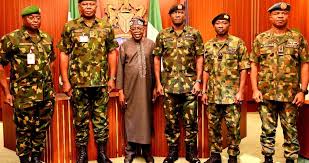
The Senate has confirmed Nigeria’s four new service chiefs following extensive screening sessions in Abuja, where each nominee presented comprehensive strategies aimed at building a smarter, self-reliant, and technology-driven military.
The confirmations came after President Bola Ahmed Tinubu, last week, forwarded the names of Lt-Gen Olufemi Oluyede (Chief of Defence Staff), Maj-Gen Waidi Shaibu (Chief of Army Staff), Rear Admiral Idi Abbas (Chief of Naval Staff), and Air Vice Marshal Sunday Aneke (Chief of Air Staff) to the Senate for approval.
During the screening, the nominees unveiled distinct yet complementary blueprints focused on local defence production, inter-service cooperation, troop welfare, and technological innovation as key drivers of national security reform.
Chief of Defence Staff, Lt-Gen Olufemi Oluyede, underscored the urgent need for Nigeria to invest in domestic military production, describing dependence on imported weapons as “unsustainable and economically draining.”
“No nation can claim true sovereignty without control over its defence production; we must develop the capacity to produce, equip, and defend the nation from within.” Oluyede stated. “
He also emphasised emerging threats such as cyber warfare, misinformation, and internal security lapses, stressing that the welfare of troops must reflect their sacrifices.
Chief of Army Staff, Maj-Gen Waidi Shaibu, pledged to modernise counter-terrorism and counter-insurgency operations through technology, intelligence gathering, and improved troop morale.
“The welfare of our soldiers is central to maintaining fighting power. We will prioritise living conditions, ensure prompt financial support, and expand access to quality healthcare and education.” He said.
Shaibu further committed to enhancing night-fighting capabilities, retraining special forces, and strengthening the Operation Safe Corridor (OPSC) programme for the rehabilitation of repentant insurgents, calling for a whole-of-society approach to sustainable peace.
Chief of Naval Staff, Rear Admiral Idi Abbas, ruled out the creation of a new Coast Guard, arguing that the Nigerian Navy’s constitutional mandate already covers coastal security and maritime defence.
“Resources should go into upgrading existing platforms and logistics, not creating parallel structures,” he said.
Abbas revealed plans to deploy drones, digital surveillance, and a new Special Operations Command in Makurdi to safeguard inland waterways and combat oil theft and piracy. He also stressed the importance of community engagement and coordination with civil and law enforcement agencies in maritime operations.
Air Power and Adaptive Warfare
Chief of Air Staff, Air Vice Marshal Sunday Aneke, emphasised the need for adaptability, intelligence, and innovation to stay ahead of contemporary threats.
“The enemy you are fighting went to school — he is as smart as you. Your greatest mistake is to think of him as ragtag,” he warned.
A seasoned pilot with over 4,300 flying hours and multiple advanced degrees, Aneke pledged to drive intelligence integration, cost efficiency, and joint operations among the armed forces.
“Security is not a solo effort,” he said. “The Air Force, Navy, and Army must operate as one cohesive unit.”
His agenda focuses on adaptive warfare, continuous training, and technological innovation to ensure the Nigerian Air Force remains agile and proactive against evolving security challenges.
Senate Commendation and Outlook
Senate President Godswill Akpabio commended the nominees for their professionalism, depth, and patriotism, describing their collective vision as one that reflects “a new generation of military leaders ready to defend Nigeria with intellect, innovation, and integrity.”
He noted that their shared priorities — self-reliance in defence production, technology-driven operations, troop welfare, and inter-agency synergy — align with President Tinubu’s broader national security reforms.
With their confirmation, the new service chiefs now face the task of transforming their ambitious visions into actionable strategies in a complex security environment marked by insurgency, cyber threats, oil theft, and resource constraints.
Their unified doctrine, however, signals a clear direction: to build a self-sufficient, well-equipped, and technologically superior Nigerian Armed Forces committed to protecting the nation with unity and innovation.
The Nigerian naira appreciated against the US dollar in the official foreign exchange market, driven by improved dollar supply and strong liquidity inflows.
According to figures released by the Central Bank of Nigeria (CBN) on Tuesday, the official spot exchange rate rose by 67 basis points to close at ₦1,448.2050 per dollar, reflecting a notable appreciation from the previous session.
During the trading day, the exchange rate fluctuated between ₦1,445.00 and ₦1,456.00 per dollar before settling at ₦1,448.2050. Market analysts attributed the gain to sustained foreign exchange inflows and moderated demand pressures.
Meanwhile, Nigeria’s external reserves held steady at $42.87 billion, despite ongoing discussions to increase external borrowing. The reserves figure comes as oil prices extended their decline for a third consecutive session due to geopolitical uncertainties and anticipated output adjustments by OPEC+.
Brent crude fell by 54 cents, or 0.83%, to $64.36 per barrel, while US West Texas Intermediate (WTI) dropped by $1.23, or 2.01%, to close at $60.08.
Similarly, gold prices weakened to a three-week low as fading optimism over US–China trade negotiations reduced demand for the metal. Spot gold fell by 1.09% to $3,954.91 per ounce, and US gold futures dipped by 1.06% to $3,970.24 per ounce.
In a market commentary, AIICO Capital projected a cautious outlook for the next trading session, noting that “oil prices are likely to remain under pressure due to oversupply concerns, while gold could see modest recovery supported by expectations of a softer US dollar and potential rate cuts.”
The naira gained further strength against the US dollar in the official market, closing at ₦1,444.42 per dollar on Wednesday, amid renewed foreign exchange inflows and expanding reserves.
Data from the Central Bank of Nigeria (CBN) revealed that the official rate appreciated from ₦1,448.2050 recorded the previous day. The spot rate peaked at ₦1,450.00 per dollar during intraday trading, reflecting sustained market activity and improved liquidity levels.
Analysts note that the naira’s appreciation signals reduced pressure on dollar supply as the market stabilises. The currency’s steady performance also coincides with an increase in Nigeria’s gross external reserves, which rose to $43.109 billion — the highest since 2019.
CBN data showed the latest figure represents a sharp improvement from the previously reported $48.862 billion before the data update pause, marking renewed confidence in Nigeria’s external position and financial stability.
Economists suggest that a stable reserves position could further strengthen the local currency’s resilience in the coming weeks, especially as the apex bank continues its policy reforms to attract foreign investment.
The Federal Government has announced the release of shortlisted candidates for the Computer-Based Test (CBT) in the ongoing recruitment exercise for four key paramilitary agencies under the Ministry of Interior.
This was disclosed in a statement issued on Wednesday in Abuja by the Secretary of the Civil Defence, Correctional, Fire and Immigration Services Board (CDCFIB), retired Major General Abdulmalik Jubril.
According to the statement, the shortlisted candidates are those who applied to the Nigerian Correctional Service (NCoS), the Nigeria Immigration Service (NIS), the Federal Fire Service (FFS), and the Nigeria Security and Civil Defense Corps (NSCDC).
Jubril advised applicants to visit the Board’s official recruitment portal — https://recruitment.cdcfib.gov.ng — from Thursday, October 30, 2025, to confirm their selection status and obtain details of their CBT schedule.
“From Thursday, October 30, 2025, candidates are to check if they have been shortlisted for the next stage of the exercise, as well as the centers for the Computer-Based Test.” Shortlisted candidates should also take note of their venue, date, and time for the examination. The statement read. “
The Board warned applicants to disregard fake websites and ensure they access only the official recruitment portal to avoid being defrauded.
The News Agency of Nigeria (NAN) earlier reported that a total of 1,911,141 Nigerians applied for the Board’s recruitment exercise before the portal closed on Monday, August 11, 2025.
The release of the shortlist marks a major step in the federal government’s effort to strengthen national security and emergency response services through fresh recruitment across the paramilitary agencies.
The Chairman and Chief Executive Officer of Air Peace Limited, Allen Onyema, has lauded President Bola Ahmed Tinubu for the decisive policy interventions that enabled the airline’s successful launch of its Abuja–London Heathrow route and the consequent reduction of international airfares.
Speaking during an interview on ARISE News on Wednesday, Onyema said President Tinubu’s backing was instrumental in achieving the milestone, which has seen ticket prices on the Nigeria–London route drops from as high as $13,000 to about $3,000.
“I want to congratulate President Bola Ahmed Tinubu for pulling this off. This is a clear example of how government can pave the way for the private sector to thrive,” Onyema said. “No nation develops without empowering its private sector. It is the private sector that translates government vision into reality.”
The Air Peace boss commended the administration’s efforts in restoring fairness to Nigeria’s aviation market, noting that the president’s intervention compelled foreign airlines to reduce their fares significantly.
“President Tinubu did the right thing for this country. His intervention forced international carriers to cut their prices drastically — from $13,000 to as low as $3,000. Nigerians can now afford to fly again,” he added.
His remarks followed the successful commencement of Air Peace’s direct flight from the Nnamdi Azikiwe International Airport, Abuja, to London Heathrow Airport on Sunday — a first for any Nigerian airline.
In a statement issued through his aide, the Minister of Aviation and Aerospace Development, Mr. Festus Keyamo, described the flight as a landmark moment for Nigeria’s aviation sector.
“The flight took off this morning, Sunday, October 26, 2025, and is expected to arrive this evening in London, marking a major milestone for Nigeria’s aviation industry,” the statement read.
Onyema said the development has brought healthy competition to the industry, forcing international carriers to review their pricing structures.
“Even Britons on our flights are happy because competition has finally arrived. Air Peace has made flying affordable again,” he stated.
He revealed that the airline now operates 14 weekly flights between Nigeria and the United Kingdom, covering both Lagos–London Gatwick and Abuja–London Heathrow routes — a first in Nigeria’s aviation history.
“This is the first time a Nigerian carrier will operate both the Lagos–London Gatwick and Abuja–London Heathrow routes simultaneously,” Onyema said. “It has opened the corridor not just to Europe but to the world, allowing passengers to connect to America, Canada, and Asia through London at reduced costs.”
He stressed that even passengers who do not fly Air Peace are benefiting from lower fares across all airlines. “Air Peace cannot carry everyone, but at least Nigerians now have a choice,” he added.
Onyema also commended Keyamo for his commitment to implementing the president’s aviation vision, highlighting the restoration of international aircraft leasing options for Nigerian airlines after more than 15 years.
“I cannot stop praising Festus Keyamo. This administration has restored confidence in the sector. By signing the Cape Town Convention Practice Direction, Nigeria has attracted major global leasing companies once again,” he said.
The airline chief also applauded the government’s removal of the 4% Free On Board (FOB) levy on imported aircraft parts, describing it as a responsive policy that encourages investment.
“We are not asking for money — only for supportive policies. When we raised concerns about the levy, the president acted swiftly. That is what a listening government does,” he noted.
However, Onyema warned against what he described as a “pull-him-down” attitude among some individuals opposed to indigenous success stories.
“Destroying a company like Air Peace, which employs over 10,000 Nigerians, would hurt the nation. When people lose their jobs, insecurity rises,” he cautioned.
Reaffirming his commitment to national pride, Onyema said Air Peace’s success represents the collective achievement of Nigeria.
“Air Peace is not about Allen Onyema — it’s about Nigeria. Each time our aircraft flies the national flag into London, it showcases what Nigerians can accomplish when government and the private sector work hand in hand,” he said.
Earlier in June 2025, Minister Keyamo had disclosed that the landmark flight was the outcome of sustained diplomatic negotiations to enforce reciprocity in international air travel agreements. He explained that the breakthrough followed a letter dated August 1, 2024, from the Ministry of Aviation to the UK Secretary of State for Transport, Rt. Hon. Louise Haigh, seeking equitable treatment for Nigerian airlines.
Week 10 Pool Result for Sat 10 Sept 2022 – UK 2022/2023
Now you can find the Week 20 pool fixtures 2025: pool fixtures for this week, this week pool fixtures, football pools results and fixtures, pool fixtures this week, classic pool fixtures, Aussie pool fixtures, UK pool fixtures, advance pool fixtures, Australia pool fixtures, pool panel results, pool result today Saturday, pool results and fixtures this week, fortune soccer pool fixtures.
Find all the Week 20 pool fixtures on Bizwatchnigeria.ng as soon as they are released by the FPA (Football Pools Authority).
Pool Fixtures For This Week: 20; SEASON: UK 2025/2026
If you’re one of the many Nigerians using ChatGPT for work, study, or creativity, you might want to check your billing email. OpenAI, the company behind the world’s most popular AI chatbot, has quietly announced that its paid users in Nigeria will soon be charged more.
No, the company didn’t raise prices — the Nigerian government did. Starting November 1, 2025, OpenAI will begin collecting 7.5% Value Added Tax (VAT) from Nigerian users subscribed to ChatGPT Plus, its premium plan. That means the familiar $20 monthly bill (roughly ₦31,500) will now rise to about ₦33,862.50. It’s not a massive jump, but it’s enough to make users pause and think: “Wait — we’re taxing AI now?”
What’s Really Changing
OpenAI sent out notification emails to Nigerian subscribers in early October, explaining that VAT would now apply to all billable products and asking users to update their billing details — including their Tax Identification Number (TIN).
If this feels familiar, that’s because it is. Netflix, Apple, Google, Amazon, and Meta (yes, Facebook and Instagram’s parent company) have all introduced VAT charges for Nigerian users in recent years. In other words, OpenAI is simply joining the queue of global tech companies adapting to Nigeria’s evolving digital tax framework.
And honestly, this move was inevitable. As Nigeria’s economy becomes increasingly digital, tax regulators want a slice of the revenue flowing out of the country through foreign tech subscriptions.
So, Why Tax AI?
You might wonder — why would anyone tax a chatbot? It doesn’t sell movies or phones or deliver food. But under Nigerian law, digital services are now treated just like physical goods.
The Value Added Tax (Amendment) Act of 2020 extended VAT collection to “electronic, digital, and remote services.” Section 10 makes it clear that if a company outside Nigeria provides paid digital services used in Nigeria, it must collect VAT on behalf of the Federal Inland Revenue Service (FIRS). It’s not personal — it’s policy.
From a policy standpoint, the logic makes sense. Local Nigerian businesses already pay VAT on sales, while international platforms often didn’t. That imbalance meant foreign firms could undercut local ones. By enforcing VAT collection on platforms like ChatGPT, the government aims to level the playing field.
There’s also a global context here. Countries from the UK to Kenya have started taxing foreign digital platforms. As the digital economy expands, governments are trying to capture lost tax revenue — and Nigeria, with one of Africa’s largest tech user bases, isn’t sitting this one out.
How It Affects Users in Nigeria
Let’s be clear: free ChatGPT users won’t feel a thing. The free version stays exactly as it is — no charges, no taxes. But if you’re on ChatGPT Plus, you’ll start noticing the slightly higher bill in your next renewal cycle. For many Nigerians — freelancers, content creators, coders, and students — ChatGPT has quietly become an essential work companion.
So, an extra ₦2,300 a month might sting a little. Still, there’s a silver lining. Paying VAT also means OpenAI will issue more transparent, tax-compliant invoices. That’s great news for registered businesses and freelancers who need proper receipts for accounting or tax deductions. So while the cost increases, the process becomes cleaner.
A Small Change With a Bigger Meaning
At first glance, this may look like just another tax. But step back a bit — it’s actually a glimpse into how Nigeria’s economy is adapting to a digital-first world.
For years, global tech companies earned millions in Nigeria without directly contributing to public revenue. Now, the FIRS wants its share — and honestly, it’s not an unreasonable demand. If people use a product here, why shouldn’t the government earn from it?
There’s also the symbolism. Taxing something as intangible as AI signals that Nigeria’s tax system is maturing. It’s not just about oil or imported goods anymore; it’s about digital tools, software, and the online services that shape our daily lives.
And while no one enjoys paying more, these small policy changes often lay the groundwork for larger economic reforms. Who knows — maybe someday, those extra few naira will fund better digital infrastructure or education. (We can hope, right?)
What You Should Do Now
If you’re already a ChatGPT Plus subscriber, here’s what’s worth noting:
You don’t need to resubscribe. VAT will be automatically added to your next payment.
Check your billing email for the updated invoice breakdown.
Add your TIN (if you have one) in your OpenAI billing settings for proper record-keeping.
VAT applies from November 1, 2025 — not before.
For casual users, this is a good time to reflect on whether the Plus plan truly fits your needs. The premium tier offers faster performance, access to GPT-4, and priority use during peak hours. But if you only use ChatGPT for the occasional email draft or creative prompt, the free version might still serve you just fine.
Zooming Out: What This Means for the Future
Beyond the numbers, this move tells a broader story. It’s about how the lines between technology, economics, and governance are blurring. AI is no longer just a buzzword — it’s infrastructure. And like all infrastructure, it’s entering the realm of regulation, taxation, and public accountability.
For professionals and businesses, this shift is a reminder: as the digital economy expands, compliance will matter more than ever. Whether you’re a startup using foreign software tools or a freelancer billing international clients, taxes are now part of the conversation.
And for the average user, it’s one more sign that AI isn’t some faraway concept anymore. It’s here, it’s taxable, and it’s shaping the way we live and work in Nigeria. So yes, your ChatGPT subscription just got a little pricier — but it also just became a little more “real.”
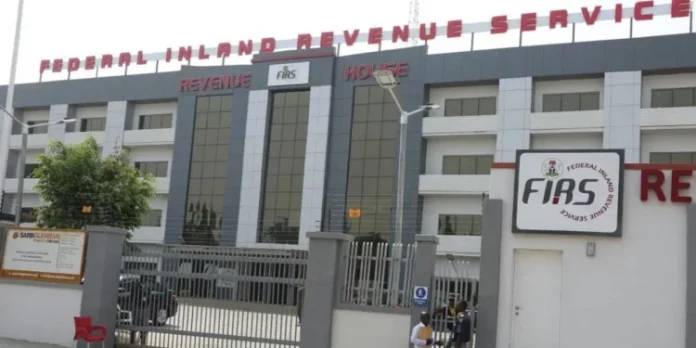
The Federal Inland Revenue Service (FIRS) has directed banks, stockbrokers, and other financial institutions to begin deducting a 10 per cent withholding tax (WHT) on interest earned from short-term securities, signalling a major policy shift aimed at broadening Nigeria’s tax base.
According to a circular released by the agency, the new measure applies to treasury bills, corporate bonds, promissory notes, and bills of exchange, with the tax to be deducted at the point of payment. This replaces the previous exemption regime designed to stimulate investor participation in Nigeria’s financial markets.
Scope and Exemptions
While the directive affects a wide range of short-term investment instruments, interest earned on Federal Government bonds will remain exempt from the tax.
FIRS clarified that investors will be granted tax credits for the amounts withheld, except in cases where the deduction constitutes a final tax. The new policy is expected to alter investor appetite, particularly among those drawn to short-term instruments for their liquidity and competitive returns.
Compliance and Enforcement
FIRS Executive Chairman, Zacch Adedeji, emphasised the importance of strict compliance, warning that defaulters would face penalties in line with tax laws.
“All relevant interest-payers are required to comply with this circular to avoid penalties and interest as stipulated in the tax law,” Adedeji stated.
The circular, which was addressed to banks, discount houses, stockbrokers, corporate bond issuers, primary dealer market makers, financial institutions, and government agencies, reinforces provisions under Sections 78(1) and 81(1) of the Companies Income Tax Act (CITA), as amended, as well as the 2024 Withholding Tax Regulations.
FIRS, however, did not provide projections for the expected revenue inflow from the policy.
Understanding Withholding Tax
Withholding tax is a form of advance tax deducted at source from specific payments to individuals or companies. The payer is responsible for remitting the deducted amount to the tax authority on behalf of the recipient.
According to FIRS, the applicable WHT rates are as follows:
Rents on properties – 10%
Dividends or company profits – 10%
Interest on bank deposits or securities – 10%
Royalties – 5%
The agency noted that the new measure aligns with its broader objective of improving compliance, strengthening domestic revenue mobilisation, and ensuring fairness in the tax system.
Investor Reactions and Implications
Analysts say the introduction of the 10% withholding tax could reshape Nigeria’s short-term investment landscape, potentially affecting demand for instruments such as treasury bills and corporate notes.
Market watchers, however, note that the move could also help diversify government revenue sources amid fiscal pressures, while encouraging more sustainable investment behaviours among market participants.
The directive underscores FIRS’s continuing drive to enhance tax transparency and accountability, while ensuring that both corporate and individual taxpayers meet their statutory obligations under Nigeria’s evolving fiscal framework.
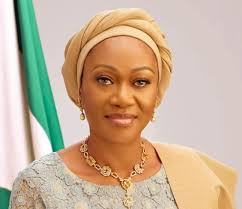
Nigeria’s First Lady, Senator Oluremi Tinubu, has reaffirmed the nation’s determination to eliminate tuberculosis (TB) by 2030, emphasising that the sustainability of Nigeria’s TB response must be anchored on domestic capacity rather than external assistance.
Speaking as the Special Guest of Honour at the 39th Stop TB Partnership Board Meeting held in Manila, the Philippines, Mrs Tinubu said the Federal Government is intensifying efforts to reduce donor dependence, strengthen health systems, and ensure that progress toward ending TB remains on track despite global challenges.
Addressing more than 180 delegates from 47 countries, the First Lady noted that Nigeria has maintained strong performance in its TB response despite temporary reductions in donor support.
“In 2025, Nigeria recorded no decline in the number of people diagnosed and treated for tuberculosis. This stands as a testament to the power of country ownership and the unwavering commitment of Nigerians driving this response forward, even in the face of uncertainty,” she stated.
Mrs Tinubu highlighted that sustained leadership, community engagement, and coordinated national efforts remain central to Nigeria’s TB control strategy. She stressed that the fight against TB must begin at the grassroots level, as the disease continues to pose a global public health threat.
“Tuberculosis remains the world’s deadliest infectious disease and a threat to everyone because it is airborne. It claims about 1.3 million lives every year,” she said.
The First Lady expressed concern that Nigeria is among the eight countries responsible for two-thirds of global TB cases, with an estimated 479,000 Nigerians developing the disease and over 150,000 dying from it in 2023.
“These are not just statistics, they represent mothers, fathers, sons, and daughters whose lives compel us to act with urgency and compassion,” she added.
Mrs Tinubu, who serves as both a Global and National Stop TB Champion, commended the Federal Ministry of Health and Social Welfare, the Stop TB Partnership, and other stakeholders for expanding access to testing, diagnosis, and treatment, as well as integrating TB services into primary healthcare systems nationwide.
The Chair of the Stop TB Partnership Board and Secretary of Health of the Philippines, Teodoro Herbosa, also addressed the forum, describing TB as not only a public health issue but a major development challenge. He called for greater use of artificial intelligence and digital technologies in TB detection and treatment.
“The digital transformation of TB care must be pursued and sustained,” Herbosa urged.
In her remarks, the Executive Director of the Stop TB Partnership, Dr Lucica Ditiu, underscored the importance of robust data systems and domestic ownership in achieving global TB elimination goals.
She revealed that within just two months, across five countries, newly deployed grant facilities enabled screening for 8,000 people, diagnosis of 5,000, and preventive treatment for 3,000.
Dr Ditiu stressed that stronger political commitment, resilient health systems, and the active engagement of civil society, communities, and TB survivors are vital to sustaining progress.
Also present at the event was Nigeria’s Coordinating Minister of Health and Social Welfare, Professor Muhammad Ali Pate, who reaffirmed the country’s dedication to building on recent gains and mobilising domestic resources for TB control.
The 38th edition of the Stop TB Partnership Board Meeting was previously hosted by Nigeria in Abuja in 2024.
The European Union (EU) Delegation to Nigeria and ECOWAS, in collaboration with the Presidential Initiative for Unlocking the Healthcare Value Chain (PVAC) and the National Institute for Pharmaceutical Research and Development (NIPRD), is set to host a high-level Nigeria–EU Health Investment Forum on October 30, 2025.
Themed “Made in Nigeria. Made for Health,” the forum aims to accelerate industrialisation, strengthen regulatory frameworks, and catalyse sustainable investments in Nigeria’s healthcare and pharmaceutical sectors. The event will take place at the Bola Ahmed Tinubu International Conference Centre in Abuja.
According to the organisers, the forum will bring together senior government officials, private sector leaders, development partners, and investors to explore strategies that will enhance local manufacturing, boost healthcare delivery, and promote Nigeria’s role as a regional hub for pharmaceutical innovation.
EU Ambassador to Nigeria and ECOWAS, Gautier Mignot, described the initiative as a milestone in advancing health sovereignty and local production across West Africa.
“This forum brings together government, industry, research, and investors to turn ambition into action for health sovereignty and local production. Through the Global Gateway, the EU and Team Europe are investing in people, systems, and innovation to transform how health products are made, distributed, and accessed across Nigeria and the ECOWAS region,” Mignot stated.
He reaffirmed the EU’s commitment to building a healthier and more self-reliant Africa, adding that the forum would serve as a platform to formalise new partnerships, foster sustainable investments, and strengthen Nigeria’s health security.
Director-General of NIPRD, Dr Obi Adigwe, said the forum underscores Nigeria’s readiness to lead Africa’s health manufacturing revolution.
“It will connect policy, innovation, and investment while showcasing NIPRD’s role in promoting evidence-based research that supports local pharmaceutical production. Our vision is to make ‘Made in Nigeria, Made for Health’ a reality with lasting impact across the country and the continent,” Adigwe said.
He added that the collaboration between the EU, PVAC, and NIPRD would transform Nigeria’s research outcomes into viable industrial solutions, ensuring equitable access to safe, affordable, and high-quality medicines.
The National Coordinator of PVAC, Dr Abdu Mukhtar, also highlighted the initiative as a major step toward unlocking private sector participation in the healthcare value chain.
“Through this collaboration with the EU and NIPRD, we are creating the conditions for large-scale private investment, expanding domestic manufacturing, and harnessing the economic potential of Nigeria’s health sector. This initiative will drive growth, innovation, and employment,” Mukhtar stated.
During the forum, participants are expected to sign key agreements under the Team Europe Initiative on Manufacturing and Access to Vaccines, Medicines, and Health Technologies in Africa (MAV+), as well as a regional accord to be implemented by the West Africa Health Organisation (WAHO) under the Team Europe Sexual and Reproductive Health and Rights (SRHR) Flagship.
These agreements will seek to harmonise SRHR policies, expand access to essential health products, and strengthen accountability mechanisms across West Africa.
In addition, PVAC, Bayer AG, and Chromedix Pharmaceuticals Ltd. are expected to announce a strategic partnership aimed at positioning Nigeria as a continental centre for pharmaceutical manufacturing, innovation, and health sovereignty.
The one-day event will feature high-level policy showcases, deal-signing sessions, and panel discussions centred on sustainability, resilience, and equitable access to healthcare — reinforcing Nigeria’s commitment to building a stronger and more self-reliant health system.
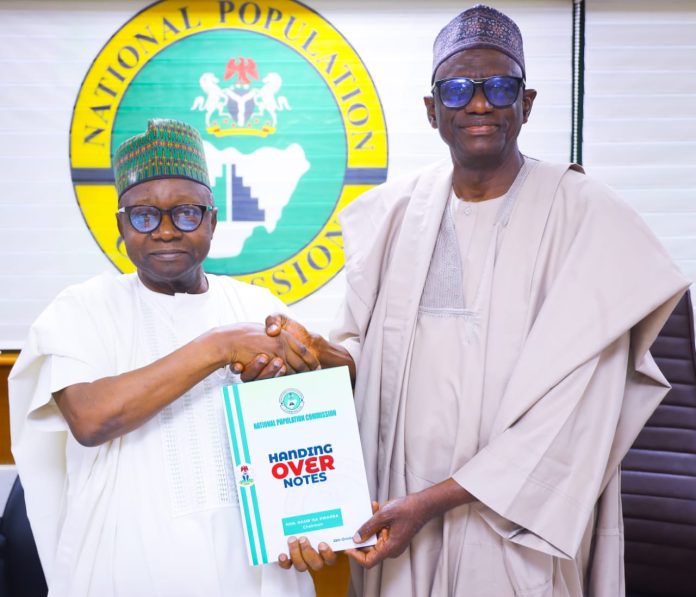
The Chairman of the National Population Commission (NPC), Hon. Nasir Isa Kwarra, has formally concluded his five-year tenure, handing over the leadership of the Commission to the Federal Commissioner representing Niger State, Muhammad Dattijo, who will serve in an acting capacity pending the swearing-in of the substantive Chairman, Hon. Aminu Yusuf, by President Bola Tinubu.
The brief but symbolic handover ceremony, held on Tuesday at the NPC Headquarters in Abuja, was attended by Federal Commissioners, the Director-General, Directors, and staff of the Commission.
In a statement issued by the Commission on Wednesday, Kwarra expressed gratitude to the management and staff for their cooperation and support throughout his tenure.
The statement read in part, “Hon. Kwarra expressed appreciation to the Federal Commissioners, Management, and Staff of the NPC for their unwavering support and dedication throughout his five-year tenure. He highlighted the Commission’s progress in strengthening data collection systems, digitising the Civil Registration and Vital Statistics (CRVS) system, and advancing preparations for the forthcoming National Population and Housing Census.”
Kwarra attributed the Commission’s achievements to teamwork, professionalism, and a shared commitment to national development.
The event featured tributes, emotional farewells, the signing of official handover notes, and a presentation of a farewell gift to the outgoing Chairman.
Appointed in 2020 by former President Muhammadu Buhari, Kwarra’s leadership coincided with one of the most critical phases in the Commission’s history — the build-up to Nigeria’s first population and housing census in nearly two decades. The last national census was conducted in 2006.
During his tenure, the Commission recorded significant milestones in digital mapping and enumeration area demarcation, introducing technological innovations aimed at modernising census operations and enhancing data accuracy.
Although the census initially scheduled for 2023 was postponed due to the transition of government, stakeholders have expressed optimism that the incoming substantive Chairman will consolidate on the gains recorded and steer the Commission toward completing the long-awaited national census, a vital exercise for evidence-based planning and equitable development across Nigeria.
salary of a woman. euro banknotes in hands on a green background. Income of women in European countries
The euro continued its upward momentum against the US dollar on Wednesday, climbing to $1.1653 as traders increased bets on an imminent rate cut from the US Federal Reserve.
The EUR/USD pair rose for the fifth consecutive session, marking its longest rally in several months. Although the pair briefly surpassed $1.1665, it struggled to maintain the momentum, hovering just below that level as dollar selling intensified across global markets.
The US dollar traded mixed against major G10 currencies as investors reacted to cautious remarks from Japanese officials regarding exchange rate movements. The greenback’s recent retreat followed a weeklong rally against the yen, which ended after a positive meeting between US President Donald Trump and Japan’s Prime Minister Takaichi.
European traders are now anticipating the European Central Bank’s (ECB) upcoming rate decision, along with Germany’s flash inflation report, third-quarter GDP data, and labor market figures scheduled for October 30.
Elsewhere, GBP/USD traded lower, approaching 1.3250 as investors awaited the Bank of England’s consumer credit data and financial statistics. The USD/JPY pair fell to multi-day lows of 151.70, while Japan’s consumer confidence report is expected to provide further direction.
In commodities, West Texas Intermediate (WTI) crude slipped below $60 per barrel, and gold prices retreated to a four-week low near $3,870 per ounce, with silver making a mild recovery from five-week lows.
Market analysts widely expect the Federal Reserve to cut interest rates by 25 basis points after weaker-than-expected September Non-Farm Payrolls data, which showed job growth of only 95,000. With core inflation now easing to 2.8%, the Fed appears justified in adopting a more dovish stance.
“This scenario mirrors the Fed’s 2019 policy pivot that triggered prolonged dollar weakness,” analysts at Marc to Market noted. They added that traders might consider positioning for further dollar declines, with potential breaks below the 98.50 support level on the US Dollar Index (DXY).
As the ECB decision approaches, implied volatility in EUR/USD options remains elevated, with the pair testing its 100-day moving average. Analysts believe the dollar’s softness could persist, while a dovish Fed tone may lend short-term support to precious metals.
Despite recent profit-taking, gold’s dip could present buying opportunities for long-term investors anticipating renewed upside once monetary policy eases further.