









Home Blog Page 4

Global Markets Mixed As US Tech Giants Like Nvidia And Alphabet Weigh On Equities

Amid downturns in prominent American technology shares, worldwide stock exchanges displayed varied results over the past week, highlighting differing trends across regions as market participants dealt with milder inflation figures, year-end investment realignments, and shifts in central bank strategies.

Market moods fluctuated globally due to currency exchange movements, while debates on Wall Street centered on potential overvaluation in artificial intelligence sectors amid escalating expenditures.

In the United States, key benchmarks declined from the previous week, driven by underperformance in tech-heavy areas that dampened overall confidence. The NASDAQ Composite fell by 0.70% on a weekly basis, and the S&P 500 decreased by 0.57%, as traders analyzed the latest moderated inflation numbers and pondered the schedule for Federal Reserve interest rate reductions.

Experts from Anchoria Securities Limited identified sell-offs in rapidly expanding companies including Nvidia, Alphabet, and Microsoft, along with prudence in anticipation of annual portfolio adjustments, as factors fueling the downturn.

On the other hand, European exchanges advanced, supported by positive expectations regarding declining inflation and possible backing from monetary authorities.

The UK’s FTSE 100 climbed by 1.46% week-over-week, Germany’s DAX index gained 0.26% week-over-week, and France’s CAC 40 increased by 0.14%. In total, the pan-European Euro Stoxx 50 advanced by 0.60%, indicating widespread stability throughout the area.

Importantly, market attitudes were bolstered by the European Central Bank’s choice to keep borrowing costs unchanged, holding its primary lending rate at 2.15% and indicating that although price pressures are subsiding, officials are wary of hasty relaxations.

This position offered comfort to investors that interest rate decreases might occur further into 2026, encouraging investment enthusiasm without causing instability. In Asia, attitudes were more restrained, with China’s FTSE A50 dropping by 0.60% week-over-week due to ongoing worries about strains in the real estate industry and sluggish revival in economic activity.

Ongoing structural expansion hurdles and restrained government incentives keep pressuring Chinese stocks, solidifying a guarded perspective for the area as 2026 approaches.

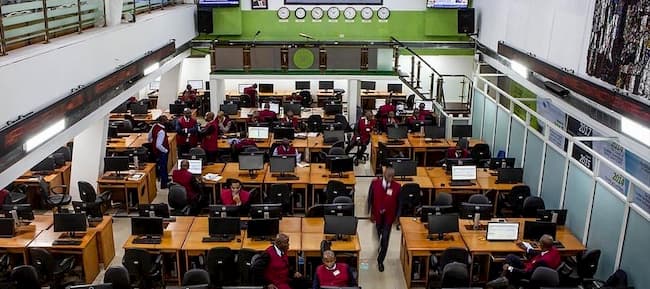
Nigeria’s NGX All-Share Index ended the week positively, continuing its ascent with a 1.76% gain from the prior week to settle at 152,057.38 points.

Investor demand for leading stocks such as BUAFOODS (up 6.02%), BUACEM (up 4.94%), NESTLE (up 10.00%), FIRSTHOLDCO (up 42.70%), and GUINNESS (up 33.01%) offset losses in entities like GTCO (down 2.00%), PRESCO (down 1.38%), and NB (down 3.52%), as the ratio of advancers to decliners improved to 1.56x, showing expansive optimism across the exchange.

Across industries, five out of six tracked segments finished higher, including Banking (up 2.75%), Consumer Goods (up 4.51%), Insurance (up 3.07%), Industrial Goods (up 0.72%), and Pension (up 1.89%), whereas Oil and Gas (down 0.17%) ended lower.

Total market value rose accordingly by 1.76% week-over-week to ₦96.94 trillion, with the NGX All-Share Index year-to-date performance at 47.73%.
Fubara Explains Shift Of Housing Projects Outside Port Harcourt

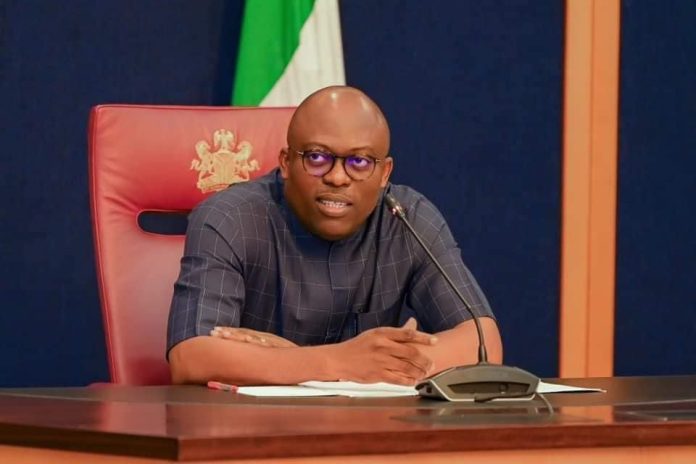
Rivers State Governor, Siminalayi Fubara, has said his administration is moving major housing developments away from Port Harcourt city centre to decongest the metropolis and drive economic growth in new districts.

Fubara stated this during the commissioning of Phase 1 of the Greater TAF City housing project along Obirikwere Airport Road, where keys were handed over to the first set of beneficiaries.

The governor said the strategy is part of a broader urban planning approach aimed at repositioning Rivers State as a high-income economy. He explained that relocating large housing projects outside the city centre would create new development corridors and reduce pressure on existing infrastructure.

According to him, the Greater TAF City project, developed in partnership with TAF Africa Global Limited, is designed to ensure Rivers State is no longer viewed as a one-city state. He noted that the land was acquired by the previous administration through the Greater Port Harcourt City Development Authority to support outward urban expansion.

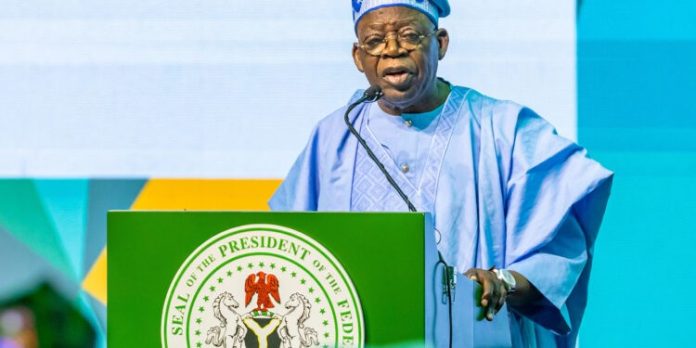
Fubara said the initiative aligns with President Bola Tinubu’s Renewed Hope Agenda for the housing sector. He disclosed that the project is part of a larger plan to deliver 20,000 housing units across the state, with 1,000 units already completed in the first phase.

The governor linked access to housing with improved social security, noting that adequate housing helps reduce crime by addressing basic survival needs.

He also revealed that the project faced legal and bureaucratic challenges at inception, including multiple lawsuits over land ownership, but said the administration was able to overcome them.

Fubara urged land allottees in the area to begin development immediately and reaffirmed his administration’s support for the completion of the full 20,000-unit housing scheme, targeted mainly at middle-income earners.

The Managing Director of TAF Africa Global Limited, Mustapha Njie, said the project spans 1,000 hectares and features mixed-use housing with supporting infrastructure, adding that the development has received continental recognition for its public-private partnership model.

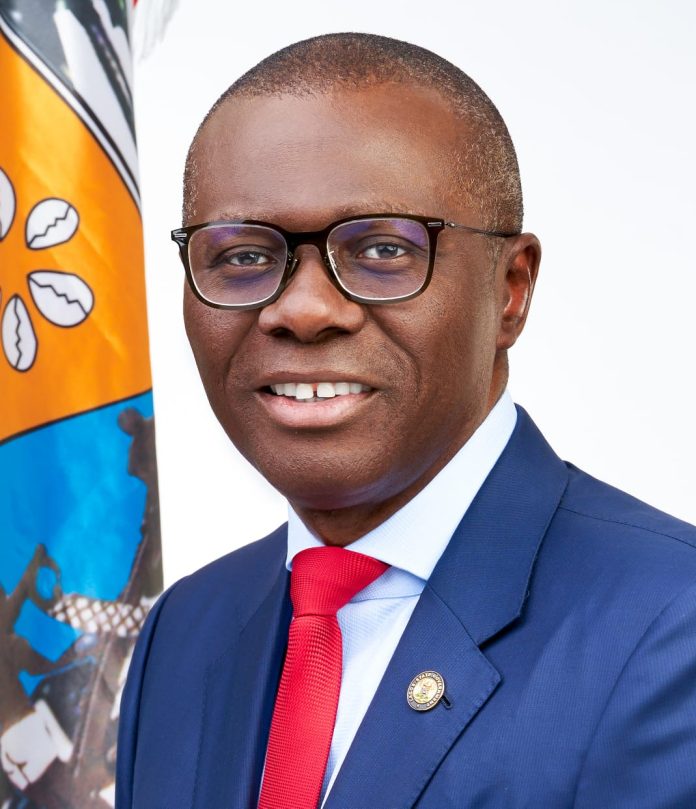
Sanwo-Olu Calls For Public-Private Partnership To Bridge Housing Gap

Lagos State Governor, Babajide Sanwo-Olu, has said strong collaboration between government and the private sector is essential to addressing the housing deficit in the state.

Sanwo-Olu spoke at the 6th Lagos Real Estate Marketplace Conference organised by the Lagos State Real Estate Regulatory Agency (LASRERA). The event focused on infrastructure investment, innovation and affordable housing in Lagos.

The governor said affordable and sustainable housing cannot be delivered by government alone. He noted that private developers, financial institutions and investors must play an active role in building an inclusive housing sector for residents.

According to him, housing goes beyond physical structures and is closely linked to human dignity, economic productivity and social stability. He added that government’s role is to serve as an enabler, regulator and partner rather than the sole provider of housing.

Also speaking at the event, the Commissioner for Housing, Moruf Akinderu-Fatai, said Lagos has gained global attention due to its development strategies and housing initiatives aimed at positioning the state as Africa’s model megacity.

He said regulatory agencies such as LASRERA are critical to ensuring that innovation in the housing and construction sector does not compromise public safety or compliance.

The Special Adviser to the Governor on Housing, Barakat Odunuga-Bakare, described the conference as a platform for collaboration between government and private sector stakeholders. She said Lagos is strengthening partnerships with international players to improve its real estate infrastructure and adopt global best practices.

Breaking: All 130 Abducted Students From Niger State Regain Freedom

The final group of students and teachers abducted from St. Mary’s Catholic School in Papiri, Rafi Local Government Area of Niger State, has reportedly been freed.

A security official involved in the rescue operation confirmed to Premium Times that this release accounts for all victims taken during the attack on November 21. While the exact number of newly released individuals could not be independently verified, Sunday Dare, the Special Adviser on Media and Public Communication to President Bola Tinubu, confirmed via X that 130 pupils are now safe.

“Another 130 abducted Niger State pupils released. None left in captivity,” he stated succinctly on Sunday.

The abduction occurred when gunmen stormed the boarding school on motorcycles around 2:00 a.m., moving methodically from dormitory to dormitory before forcing their captives into nearby forests. Days after the incident, the Christian Association of Nigeria reported that 50 children managed to escape during the chaos, while many others were taken.

In response to the abduction, the Federal Government established a security cordon around border communities. President Bola Tinubu deployed ground troops and initiated aerial surveillance across Niger, Kebbi, and Kwara states to track the kidnappers. In a show of commitment, he canceled an official trip to oversee the rescue efforts personally and ordered the temporary closure of schools in Niger State and other high-risk areas.

On December 8, security forces successfully secured the release of approximately 100 abductees, leaving an unspecified number in captivity until this latest breakthrough. With the release of these 130 individuals, the total number of rescued victims now stands at 230.

Sources indicate that the freed students and teachers are currently being transported to Minna, the capital of Niger State, where they will undergo medical evaluations and be reunited with their families. However, as of now, neither the Federal Government nor the Niger State Government has issued an official statement regarding this development.

FG Disburses ₦32bn To States For Primary Healthcare, Insurance

Tinubu Appoints Mandate Secretaries For FCTA

The Federal Government has approved the disbursement of over ₦32 billion to the 36 states and the Federal Capital Territory to strengthen primary healthcare delivery and expand health insurance coverage.

The approval was granted at the fourth quarterly meeting of the Ministerial Oversight Committee (MOC) for 2025, held on Friday in Abuja by the Federal Ministry of Health and Social Welfare.

The Permanent Secretary of the ministry, Kachallom Daju, said the release of funds under the Basic Health Care Provision Fund (BHCPF) reflects the federal government’s commitment to predictable financing, transparency and accountability in the health sector.

According to her, the quarterly rhythm of the MOC meetings has been firmly established, enabling closer monitoring of health sector performance across federal, state and local government levels. She said the funds will support improved service delivery at primary healthcare centres, boost health insurance enrolment and strengthen accountability mechanisms.

Daju added that the inclusion of civil society organisations, the private sector and the Association of Local Governments of Nigeria has improved coordination, particularly at the level of local government-managed health facilities.

The Executive Director of the National Primary Health Care Development Agency, Muyi Aina, said regular disbursements have contributed to increased utilisation of primary healthcare services, improved immunisation coverage and higher uptake of essential health services nationwide.

Aina disclosed that from January 2026, BHCPF disbursements will follow new guidelines that provide differentiated funding based on service volume. Low-volume facilities will receive ₦600,000 per quarter, while high-volume facilities will receive ₦800,000, replacing the previous flat-rate system.

The Director-General of the National Health Insurance Authority, Kelechi Ohiri, said health insurance coverage has improved steadily, adding that the sector will focus on accelerating impact in 2026 to deliver better health outcomes for Nigerians.

KLT Customs Command Strengthens Interagency Collaboration To Enhance Security, Accountability

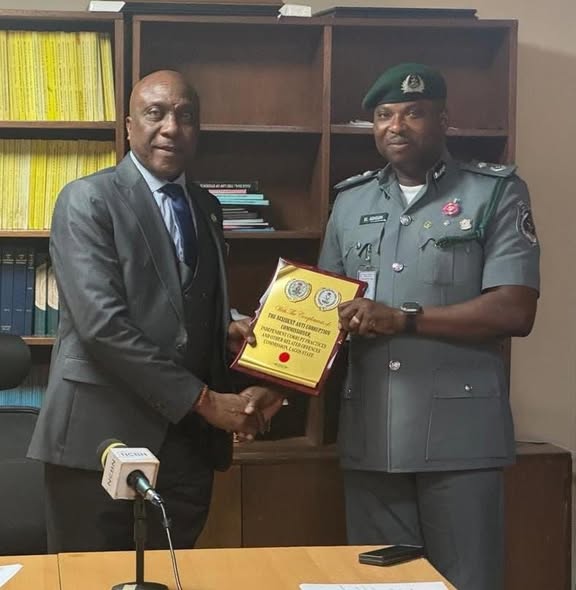
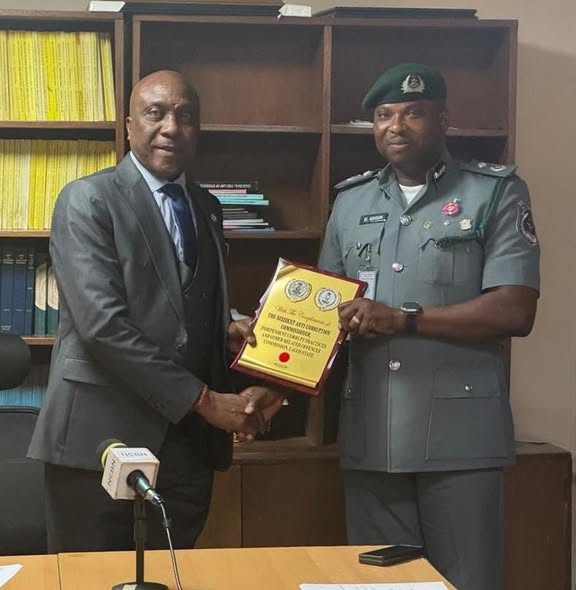
The Nigeria Customs Service, Kirikiri Lighter Terminal Command, has intensified efforts to strengthen inter-agency cooperation through courtesy visits to the Lagos office of the Independent Corrupt Practices and Other Related Offences Commission and the Zonal Headquarters of the Nigerian Correctional Service, Zone A, Lagos.

The visits, which took place on Wednesday, 17 December 2025, were led by the Acting Customs Area Controller, Deputy Comptroller of Customs, Bolaji Adigun, as part of a broader strategy to deepen institutional partnerships, enhance operational efficiency and promote professionalism across government agencies.

At the ICPC Lagos office, the Acting Customs Area Controller emphasised the importance of sustained collaboration in the fight against corruption and the promotion of accountability in the public sector.

He noted that strong partnerships with anti-graft agencies were crucial to strengthening internal control mechanisms within the Customs Service, enhancing compliance, and reinforcing public confidence in government institutions.

In his remarks, the Resident Anti-Corruption Commissioner of Lagos, Alexander Chukwura, described the visit as timely and strategic. He commended the KLT Command for its proactive engagement, noting that corruption thrives where institutions operate in isolation.

He assured the Service of the ICPC’s readiness to work closely with it to promote transparency, strengthen compliance frameworks and entrench a culture of accountability.

Comptroller Adigun later visited the Zonal Headquarters of the Nigerian Correctional Service Zone ‘A’, where he met with the Assistant Controller General, Zone ‘A’, Jude Agboje, and other senior officers. He emphasised the importance of closer coordination among security and law enforcement agencies in addressing emerging security and operational challenges, stressing that effective information sharing and joint initiatives are vital to national security and institutional effectiveness.

In his response, Agboje praised the Acting Customs Area Controller’s leadership and commitment to interagency synergy. He stated that stronger partnerships would enhance intelligence-driven operations and improve service delivery across agencies.

Agboje also commended the KLT Command for its Corporate Social Responsibility project within the correctional facility, describing the initiative as impactful and worthy of recognition.

He pledged sustained collaboration between the two agencies, assuring that they would pursue joint initiatives, share expertise, and support shared strategic objectives.

Petrol Station Workers Urge IPMAN To Provide Health Insurance

IPMAN

Petrol station workers have called on the Independent Petroleum Marketers Association of Nigeria (IPMAN) to extend health insurance coverage to employees in the downstream petroleum sector.

The appeal covers pump attendants, cleaners, security personnel, managers and other staff working at petrol stations operated by independent marketers across the country.

The call followed the recent launch of a health insurance scheme by the Nigerian National Petroleum Company Limited (NNPCL) for workers in its retail outlets. Labour advocates described the initiative as timely and a benchmark for the sector.

In a statement issued on Sunday in Kaduna, the Convener of the Concerned Petrol Station Workers, Ibrahim Zango, urged IPMAN to replicate the NNPCL programme to improve worker welfare and well-being.

Zango said petrol station workers face daily health and safety risks, including exposure to toxic fumes, fire hazards and long working hours, making access to healthcare protection essential.

According to him, health insurance should not be treated as a luxury but as a basic right, especially in an industry with high occupational risks. He said denying workers access to healthcare undermines productivity and dignity.

Zango also noted that rising healthcare costs and the current economic hardship have worsened the vulnerability of workers who earn modest wages. He said a single illness could wipe out a worker’s income.

He called on IPMAN to take immediate steps to provide health insurance coverage for workers under its membership, adding that proactive action would help protect lives and ensure a stable and motivated workforce in the downstream petroleum sector.

African Sovereign Bonds See Yield Drops Amid Shifting Global Interest Rate Trends

FGN Bond For Jan. 2021 Oversubscribed

Sovereign bonds from African nations experienced an upswing as international investors realigned their holdings in response to evolving worldwide interest rate patterns, incorporating changes in petroleum costs.

The United States adjusted its federal funds rate downward by 25 basis points on three occasions, while the European Central Bank (ECB) has held steady on its rates, and the Bank of England has adopted a more lenient approach unexpectedly.

Economic landscapes across Africa are evolving rapidly through various reforms, with Ghana at the forefront by reducing rates by 1,000 basis points over the year. Nigeria maintains a stricter policy with rates at 27% against an inflation figure of 14.45%.

Egypt’s economic situation is under strain but shows promise thanks to substantial funding from Qatar and backing from international financial institutions, set to propel forward progress.

Issuers tied to oil, such as Nigeria and Angola, attracted considerable purchase activity, alongside reasonable interest in Egypt, Ghana, and other prominent African issuers offering higher returns to offset associated risks.

Fueled by value-seeking trades, Nigeria’s sovereign bonds bounced back, showing an average yield reduction of -4 basis points from the prior week, settling at 7.10% versus the previous 7.14%.

In particular, the bonds maturing on 16-FEB-2032 (-12 bps), 28-SEP-2033 (-12 bps), and 28-NOV-2027 (-14 bps) saw the most substantial yield decreases during this timeframe. Experts at Anchoria Securities Limited link this to revitalized trader confidence in light of ongoing changes and optimism for expansion.

The fluctuating yet affirmative trading in African sovereign bonds was shaped by alterations in international borrowing costs, shifts in oil values, and important economic indicators from the U.S., as communicated by AIICO Capital Limited to its clients.

The period kicked off positively, bolstered by gains in longer-term U.S. Treasuries, appealing entry points, and supportive market conditions that heightened appeal for lucrative assets in developing economies.

Around the middle of the week, the atmosphere turned somewhat negative as oil values declined, shorter-term U.S. yields rose, and ambiguity surrounding forthcoming U.S. figures prompted limited realizations of gains in specific bond terms.

AIICO informed clients that nevertheless, focused acquisition remained apparent, especially for Nigeria’s 2029 issuance, reflecting interest based on perceived worth.

After U.S. consumer price data came in lower than anticipated and employment figures held steady, worldwide rates stabilized, and enthusiasm for risk rebounded, sparking fresh acquisitions as the week wrapped up.

During its December 2025 gathering, the Bank of England (BoE) lowered its key lending rate by 25 basis points to 3.75%, reducing costs to levels not seen since 2022.

This move highlights the bank’s reaction to diminishing price pressures and indications of a slowing job market, confirming its shift toward leniency as the economy aligns more with set objectives.

Inflation in the UK dropped to 3.20% annually in November 2025, from 3.80% the month before, per statistics from the Office for National Statistics (ONS). This represents the lowest level since the middle of 2023 and demonstrates ongoing reduction in inflationary trends.

The European Central Bank (ECB) opted to maintain its rates, keeping the primary refinancing rate at 2.15% and indicating that although inflation is decreasing, officials are wary of rushing into reductions.

This position reassured markets that potential rate decreases might occur in 2026, fostering risk willingness without causing instability.

With consistent oil pricing, minimal trader commitments, and competitive pricing comparisons, the market concluded the week on a slight upward note, as the typical benchmark yield fell by 10 bps to 7.07%.

Experts foresee a guardedly optimistic environment in the coming week, aided by demand for bargains and possible relaxations in global rates, although trading volumes could be subdued because of the holidays.

“We anticipate a favorable outlook shortly, reinforced by projections of declining worldwide yields and continued trader interest in Nigerian assets,” remarked Anchoria Securities Limited.

Nigerian Stock Market Sees N1.67 Trillion Boost From Robust End-of-Year Surge

Capital Market Records N6bn Gains As CBN Maintains Rate

Investors in the Nigerian stock market experienced substantial gains totaling N1.67 trillion amid a powerful rally toward the close of the year, driven by widespread enthusiasm in various sectors on the Nigerian Exchange (NGX).

Market experts observed that a strong willingness to take on risk prevailed in the Nigerian stock arena, as extensive purchasing activity spread through prominent blue-chip companies, major corporations, and those with solid underlying fundamentals in anticipation of the festive season.

The typical seasonal boost at year’s end, along with portfolio enhancement efforts, played a significant role, according to a report from Cowry Asset Management Limited, bolstering optimistic outlooks and elevating numerous stocks to new peaks over the past 52 weeks.

The primary gauge, known as the All-Share Index, advanced by 1.76% over the week, concluding at 152,057.38 points, prolonging the upward momentum at year’s end and highlighting ongoing trust in banking and consumer-oriented equities.

As market participants eagerly built up their holdings, the cumulative returns for the year improved to 47.73%, as detailed in various broker analyses.

The overall value of the NGX, or market capitalization, echoed this upward trend, increasing by 1.76% to reach N96.94 trillion, inching nearer to the notable milestone of N100 trillion.

Thanks to heightened risk engagement, the worth of equity holders’ investments climbed by N1.67 trillion within a single week. Trading volumes shifted dramatically toward positivity, indicating revived involvement and widespread optimism.

Analysts in the field pointed out that this was plainly shown in the market’s overall direction, which ended at a robust 1.57x ratio, featuring 55 stocks that rose compared to 35 that fell. The volume of shares traded weekly skyrocketed by 125.2% to 9.85 billion shares, and the total value of transactions leaped by 212.6% to N305.89 billion.

These transactions occurred in 126,637 separate deals, as noted by Cowry Asset Limited, emphasizing a clear resurgence in aggressive trading and enhanced market fluidity.

Performance across sectors was predominantly upward, with five out of the six monitored areas ending on a high note. The consumer products category spearheaded the gains with a 2.75% increase, propelled by impressive showings from GUINNESS and CHAMPION BREWERIES.

The financial services sector was right behind, up by 2.73%, as traders ramped up stakes in reliable entities like FIRSTHOLDCO and AFRIPRUD. The manufacturing sector also posted notable progress, rising 1.09% thanks to demand for BUA CEMENT and BERGER.

Both the insurance and commodity benchmarks saw modest upticks of 0.96% and 0.34%, respectively, aided by targeted investments in OKOMU OIL, SUNU ASSURANCES, and SOVEREIGN TRUST INSURANCE.

The only sector to decline was oil and gas, which slipped slightly by 0.17% due to limited selling in JAPAUL GOLD and ETERNA.

In terms of standout performers, ALUMINIUM EXTRUSION COMPANY (ALEX) led the pack with an impressive 59.4% rise over the week, trailed by MECURE at 44.9%, FIRSTHOLDCO at 42.9%, GUINNESS at 33.0%, and NPF Microfinance Bank at 20.6%.

On the flip side, LIVESTOCK FEEDS, JAPAUL GOLD, INTERNATIONAL ENERGY INSURANCE, FTN COCOA, and STANBIC IBTC experienced drops of 11.4%, 10.5%, 9.9%, 9.8%, and 9.3%, respectively, as certain traders secured gains or adjusted their asset allocations.

From a technical perspective, Cowry Asset Limited indicated that the market continues to exhibit a strong upward trajectory, maintaining a sequence of escalating peaks and troughs.

That said, the company highlighted that indicators of momentum for some actively traded securities are starting to indicate potential overstretching, hinting at brief periods of stabilization or minor retreats.

“These interruptions are considered beneficial in the larger positive framework and are expected to offer new opportunities for those with a mid-term horizon.

“As we approach the holiday period, the overall mood in the market is anticipated to stay favorable, albeit more discerning.

“Shifts between sectors are likely to continue, with attention directed toward companies boasting sturdy basics, fair pricing, and transparent profit prospects.

“Although some selling for profits could limit rapid increases, any dips in prices are poised to draw in value seekers, preserving the general upward inclination. In the meantime, our recommendation remains for traders to invest in companies with strong fundamentals,” the advisory firm concluded.

Nigeria Customs Seizes 20 Diverted Containers Worth ₦769.5m

…As CGC Adeniyi Vows No Safe Haven for Economic Saboteurs

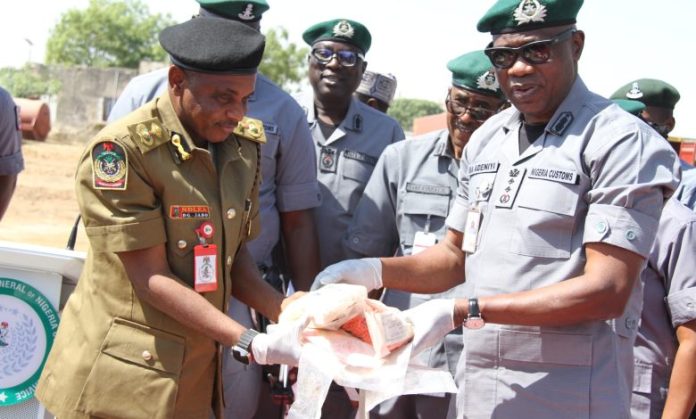
The Nigeria Customs Service (NCS) has intercepted 20 diverted transit containers with a total Duty Paid Value (DPV) of ₦769,533,666 across the axis of Kano/Jigawa Area Command, following intelligence-driven enforcement operations aimed at curbing cargo diversion and safeguarding government revenue.

The Comptroller-General of Customs, Bashir Adewale Adeniyi, disclosed this development during a press briefing held in Kano on Friday, 19 December 2025.

He explained that the seizures, which occurred between the second and fourth quarters of 2025, were part of the Service’s sustained efforts to detect and dismantle organised cargo diversion networks.

According to the Comptroller-General, cargo diversion poses a serious threat to national revenue, security, and Nigeria’s credibility within the global trading system. “Cargo diversion is a grave offence that undermines government revenue, compromises national security, and damages Nigeria’s standing in international commerce. The Nigeria Customs Service will not hesitate to deploy all lawful measures to detect, deter, and punish offenders,” he stated.

The seized containers were found to contain various items, including vitrified tiles unlawfully diverted from the Kano Free Trade Zone with a DPV of ₦228.6 million, diesel engine oil, polyester materials, used clothing, printed and lace fabrics, medical consumables, and Zamzam bottled water. Some of the items are classified as prohibited imports under the Common External Tariff (CET) regulations.

The Comptroller-General further disclosed that while one container remains under detention pending the conclusion of legal processes, two containers of medical consumables were forfeited to the Federal Government following a judgment delivered by the Federal High Court, Kano Division, on 10 December 2025.

He also confirmed the arrest, prosecution, and conviction of Abdulrahman Sani Adam for the offence of container diversion. The offender was sentenced to three years’ imprisonment with an option of a ₦3 million fine, a development Adeniyi described as a strong deterrent against future violations.

To further strengthen transit cargo monitoring, the Comptroller-General announced the near-nationwide deployment of electronic container tracking devices. He noted that the system enables real-time monitoring, route compliance, and tamper alerts from ports to inland destinations.

The CGC reaffirmed its commitment to service, trade facilitation, revenue protection, and border security, warning that smugglers and their collaborators will face prosecution, forfeiture, and loss of trading privileges.

Importers, agents, and logistics operators were urged to adhere strictly to approved transit procedures and report any suspicious activities to the nearest Customs office.

Four Arrested For Possession Of Banned Fireworks In Imo

The Imo State Police Command has apprehended four individuals for allegedly possessing and distributing illegal fireworks and various pyrotechnics in the Owerri metropolis.

In a statement released on Sunday night, police spokesperson Henry Okoye emphasized that anyone found in possession of or distributing fireworks will face arrest and prosecution.

The suspects include:

Victor Amadi, 29

Moses Okoro, 31

Ebuka Onye, 28

Isaac Amadi, 23

The arrests were made following a series of intelligence-led raids across different locations in Owerri. Okoye reported that significant quantities of prohibited fireworks and related items were seized during these operations.

He reiterated the command’s strict ban on the use, sale, and distribution of fireworks, knockouts, bangers, and all other explosive devices within Imo State. “Individuals found violating this directive will be prosecuted to the fullest extent of the law,” he stated.

Okoye also urged residents, particularly parents and traders, to refrain from engaging in activities related to these dangerous items.

He encouraged the public to remain vigilant and report any suspicious behavior to the nearest police station. In closing, the Imo State Police Command reaffirmed its commitment to safeguarding lives and property, wishing all residents a safe, peaceful, and joyful festive season. Residents are reminded to celebrate responsibly.

Petrol Station Workers Urge IPMAN To Implement Health Insurance

The Independent Petroleum Marketers Association of Nigeria (IPMAN) is facing calls to extend health insurance coverage to petrol station workers, including pump attendants, cleaners, security personnel, managers, and other staff within the downstream petroleum sector.

This appeal comes on the heels of the Nigerian National Petroleum Company Limited’s (NNPCL) recent launch of a health insurance scheme for workers at its retail outlets nationwide, a move that labor advocates have applauded as both timely and commendable. In a statement released on Sunday, Ibrahim Zango, Convener of the Concerned Petrol Station Workers, urged IPMAN to follow NNPCL’s lead.

 He emphasized that ensuring the welfare of workers employed by independent marketers is crucial for the industry. “The NNPCL initiative has set a benchmark that should be adopted across the downstream petroleum sector,” Zango stated, asserting that workers’ health must be prioritized rather than treated as an afterthought. Petrol station employees face significant health risks daily, including exposure to toxic fumes, fire hazards, and prolonged working hours, making access to healthcare protection vital.

“These workers deserve adequate protection, whether employed by NNPCL outlets or independent marketers. Their lives are equally valuable, and their contributions are essential to the industry.” Zango remarked,

He argued that health insurance should be recognized not as a luxury, but as a fundamental right for every worker, especially in a sector characterized by high occupational hazards.

“Access to health insurance is a basic necessity that every worker is entitled to,” he asserted, warning that denial of such coverage undermines both productivity and dignity. Zango also addressed the leadership structure of the Concerned Petrol Station Workers, clarifying that it was formed out of necessity rather than through a formal election process. This leadership arose in response to the significant challenges faced by petrol station workers, including poor welfare conditions and a lack of representation.“

The circumstances compelled workers to unite and advocate for their rights,” he explained, while stressing the importance of establishing formal leadership to enhance coordination and engagement with stakeholders in the downstream sector.

With the current economic climate exacerbating healthcare costs and the financial vulnerability of petrol station workers, many of whom earn modest salaries, Zango highlighted the urgency of the situation.

“Given the harsh economic realities, workers cannot afford to wait indefinitely for relief. Rising healthcare costs mean that a single illness could deplete a worker’s entire income,” he warned.

He called upon IPMAN to take immediate and decisive action to provide health insurance for its members across the country. “Proactive measures by IPMAN would not only protect lives but also cultivate a stable and motivated workforce capable of sustaining operations within the downstream petroleum sector,” Zango concluded.

Quickteller’s Insomniaq Debuts With Powerful Line-Up Of Top Nigerian Artists

Quickteller, one of Africa’s foremost digital payments platforms under the Interswitch Group, has announced the official artist line-up for the maiden edition of InsomniaQ, a first-of-its-kind, all-night music and entertainment experience set to elevate Lagos’ iconic December experience.

The unveiling sets the stage for an electrifying night of unforgettable performances and immersive moments. The maiden edition will run from the evening of December 21 into the early hours of December 22, 2025, at the Ballroom of the Lagos Continental Hotel, Victoria Island.

Leading the lineup is Made Kuti and his band, whose distinct Afrobeat rhythms will set a powerful musical tone for the night. Joining him are some of Nigeria’s most celebrated acts, including Patoranking, Dr Sid, Niniola, Loud Urban Choir, Alternate Sound, and the soulful Brymo. Guests will also enjoy energetic DJ sets from DJ Xray, DJ Toh Bhad, and Maze Xtreme, ensuring non-stop music from dusk till dawn.

InsomniaQ is designed to keep audiences awake, connected, and fully immersed in culture-rich, high-octane entertainment. With a line-up this dynamic, the event reaffirms Quickteller’s commitment to creating extraordinary experiences that bring people together.

Speaking on the announcement, Olawale Akanbi, Divisional Head, Growth Marketing (Merchants and Ecosystem), Interswitch, highlighted the brand’s intention to curate a line-up that truly resonates with its audience.

“We are proud to present a lineup that reflects the richness and diversity of our music culture. For the first edition of InsomniaQ, it was important to select artists whose craft, energy, and artistry connect deeply with our audience. Each performer brings something distinct, and together, they embody the quality and cultural depth we envisioned for this experience. We are excited to deliver a night that will be unforgettable in every sense,” Akanbi said.

Attendees can look forward to high-energy performances, soulful renditions, dance-floor moments, and artistic collaborations that elevate the experience beyond a typical performance showcase. From live bands to powerhouse vocalists and dynamic DJs, InsomniaQ is shaping up to be one of the season’s most anticipated entertainment highlights.

With the line-up now revealed, anticipation continues to build as fans prepare for a night filled with rhythm, culture, and pure adrenaline. Quickteller invites the public to join the experience and create lasting memories at the debut edition of InsomniaQ.

Interswitch Group Unveils Quickteller InsomniaQ Vision At Media Briefing Ahead Of December 21st Debut

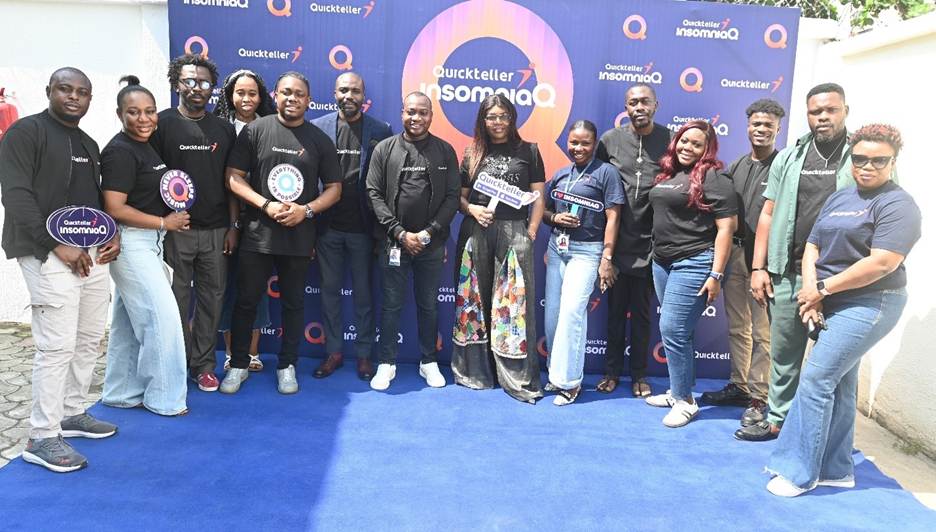
Quickteller, Africa’s leading digital payments platform powered by the Interswitch Group, has unveiled InsomniaQ, its new music and culture experience, at a media briefing held recently, in Lagos.

The briefing brought together members of the media and key stakeholders for an exclusive preview of InsomniaQ, a first-of-its-kind, all-night music and lifestyle experience designed to redefine Lagos’ December entertainment calendar. Scheduled to run from the evening of December 21 into the early hours of December 22, InsomniaQ is positioned as a 12-hour non-stop celebration of African music, creativity, and cultural expression.

Speaking at the briefing, Cherry Eromosele, Executive Vice President, Group Marketing and Communications, Interswitch Group, described InsomniaQ as a natural extension of Quickteller’s deep connection to moments that matter most to its consumers.

“InsomniaQ represents a cultural statement for us. Quickteller has always shown up in people’s everyday lives as an enabler of convenience and connection, and with InsomniaQ, we are stepping into culture in a way that feels authentic, immersive, and reflective of the energy that defines Lagos in December. The experience has been intentionally created to spotlight African talent, creativity, and storytelling, while offering attendees an unforgettable, all-night journey through sound, art, and lifestyle,” Eromosele said.

Also speaking at the briefing, Olawale Akanbi, Divisional Head, Growth Marketing (Quickteller Ecosystem), Interswitch, shared the thinking behind the event’s distinctive all-night format. He said:

“InsomniaQ was born from a desire to do something truly different. Something bold that mirrors the rhythm, energy, and spirit of Lagos in December. This is a city that doesn’t sleep during the festive season, and InsomniaQ was designed to reflect that pulse by creating an immersive, all-night experience that brings people together through music, culture, and shared moments. Beyond the performances, it’s about community, creative expression, and celebrating African talent in a way that feels fresh, exciting, and culturally relevant.”

Designed to appeal to music lovers, cultural enthusiasts, and December returnees alike, InsomniaQ blends diverse African soundscapes with immersive experiences, reinforcing its positioning as a new must-attend destination within Nigeria’s December entertainment landscape.

According to Interswitch, ‘Quickteller InsomniaQ conceptually taps straight into the circadian rhythm – that invisible metronome that signals alertness and productivity in daylight, and as night falls, it cues rest and recovery. While biology whispers rest, ideas, creativity and hustle pulse after dark, and InsomniaQ exists for that exact hour when inspiration ignores bedtime. Because if your rhythm says night is for dreaming, Quickteller InsomniaQ says some dreams are built wide awake…’

The media briefing also highlighted Quickteller’s broader commitment to initiatives that go beyond payments, supporting lifestyle experiences, creativity, and the continued growth of Africa’s entertainment ecosystem.

As anticipation builds toward the maiden edition of InsomniaQ, Quickteller has encouraged the public to stay connected and be part of what promises to be one of December’s most anticipated cultural experiences.

Interested attendees can join the waitlist via http://insomniaq.quickteller.com/ and follow Quickteller on social media for real-time updates via @Quickteller on (Facebook & X/Twitter), and @quicktellerng (Instagram).

Electronic Payments Push FG Revenue Above Target By N88.73bn

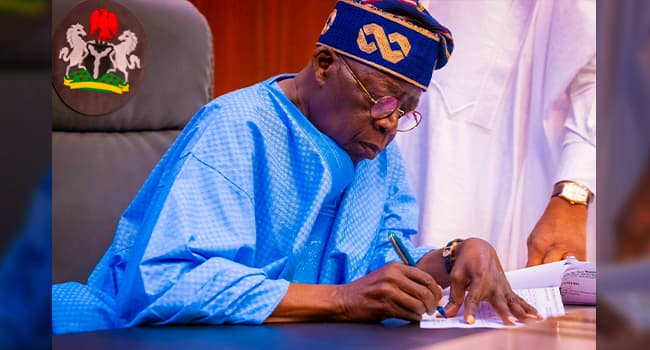
Tinubu Authorizes Appointment Of New CEOs

The Federal Government has exceeded its revenue target by N88.73 billion for the first half of 2025, driven largely by a surge in electronic transactions. The data is from the 2025–2027 Medium Term Expenditure Framework released by the Budget Office.

Based on a full-year EMTL revenue projection of N230 billion, the half-year target of N134.17 billion surged to N222.90 billion, representing a 66.1 percent outperformance. Corporate Income Tax collections of N5.86 trillion slightly exceeded the prorated target of N5.44 trillion, a 7.6 percent overperformance. Value-Added Tax receipts also surpassed expectations, reaching N4.82 trillion, N439.22 billion above the half-year target.

Despite these gains, net non-oil revenue, including solid minerals, totalled N12.14 trillion by June 2025, falling short of projections by N1.81 trillion, or 13 percent. The shortfall highlights ongoing challenges in tax collection and economic activity outside the oil sector.

Oil and gas revenue underperformed significantly. Gross receipts were projected at N51.04 trillion for 2025, but by July only N11.17 trillion had been realised, a performance rate of just 37.5 percent. After statutory deductions, net inflows to the Federation Account stood at N9.61 trillion, N15.78 trillion below the half-year target. Weak crude production, price volatility, and limited refining margins contributed to the shortfall, increasing pressure on non-oil revenue to fill the gap.

The strong performance of the EMTL line reflects the growing adoption of digital financial services in Nigeria. Electronic transactions through mobile money, bank transfers, and other channels have deepened, with the Nigeria Inter-Bank Settlement System reporting N284.9 trillion spent electronically in the first quarter of 2025. This represents a 22 percent increase from N234.4 trillion recorded in Q1 2024.

The NIBSS Instant Payment platform, launched in 2011, enables real-time interbank transactions across multiple electronic channels including internet banking, mobile apps, USSD, POS, and ATMs. The surge in digital payments has helped the government exceed its non-oil revenue target despite weak oil earnings.

Tinubu Seeks Repeal Of 2024 And 2025 Budgets, Extends 2025 Cycle

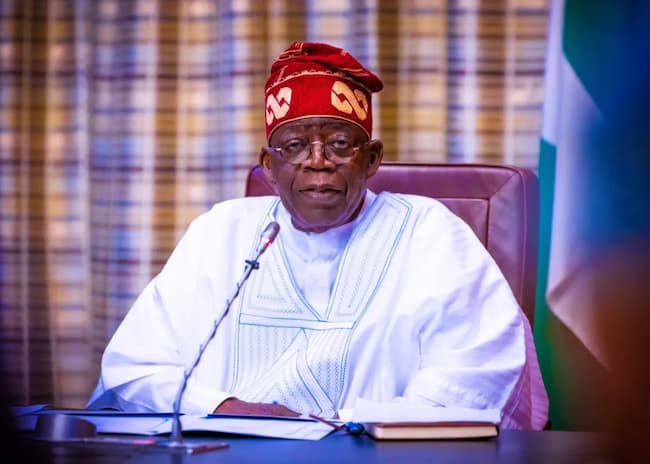
President Bola Tinubu has asked the House of Representatives to repeal and re-enact the 2024 and 2025 budgets and extend the 2025 budget implementation cycle to 31 March 2026.

The request was contained in a letter from the President read by Speaker Rt. Hon. Abbas Tajudeen on Friday. This comes ahead of Tinubu’s presentation of the 2026 Appropriation Bill to the National Assembly.

In the letter, the President explained that the bills seek to repeal the 2024 Appropriation Act of N35.06 trillion and re-enact it with a revised total expenditure of N43.56 trillion. The revised 2024 budget authorises N1.74 trillion for statutory transfers, N8.27 trillion for debt service, N11.27 trillion for recurrent spending, and N22.28 trillion for capital projects up to 31 December 2025.

For 2025, Tinubu proposed reducing the budget from N54.99 trillion to N48.32 trillion while extending it to 31 March 2026. The President said the move is part of a broader fiscal reform measure aimed at eliminating overlapping budgets and strengthening planning, execution, and accountability across government expenditure cycles.

Tinubu said the proposed bills would accommodate expenditure items not previously recognised and introduce a revised capital implementation target of 30 percent. Extending the 2025 budget would ensure full release of the 30 percent capital allocation to Ministries, Departments, and Agencies, improving project execution and budget performance. He described the move as part of fiscal reforms to end overlapping budgets that weaken planning, execution, and accountability.

In June, the Senate approved a second extension of the implementation period for the 2024 capital component of the national budget from June 30, 2025 to December 31, 2025. The January-to-December budget implementation cycle was established during the tenure of the 9th National Assembly. On December 18, 2024, the National Assembly approved extending the 2024 budget’s lifespan to June 2025. Last week, the federal government directed Ministries, Departments, and Agencies to carry over 70 percent of their approved 2025 capital allocations to 2026. A circular issued by the Budget Ministry instructed that 2026 budget proposals must largely be composed of funds already allocated in 2025 and that new capital projects are not permitted.

Sanwo-Olu Attracts Global Investors At Lagos Housing Marketplace

Governor Babajide Sanwo-Olu has called on multinational real estate investors to partner with Lagos State in providing dignified and affordable housing, as the city positions itself to become a thriving 21st-century mega city.

The governor made the appeal at the Sixth Lagos Real Estate Marketplace Conference, held at Eko Hotels and Suites, Victoria Island, which attracted over 2,000 participants, including investors from America, the Middle East, and Asia. The event was organised by the Lagos State Real Estate Regulatory Authority (LASRERA) under the Office of the Special Adviser to the Governor on Housing. The theme of the conference was: “Shaping the Future of Lagos Megacity: Infrastructure, Innovation and Affordable Housing.”

Sanwo-Olu said Lagos had evolved into one of the world’s most dynamic urban economies but noted that accelerated growth has brought new challenges that must be addressed. He stressed that housing is central to the state’s development agenda, linked closely to transportation, infrastructure, energy, climate resilience, and economic opportunities.

“Provision of housing in the 21st century is not just about buildings; it is about human dignity, economic productivity, social stability, and the kind of city we choose to become,” the governor said. He added that affordable housing must be accessible, close to workplaces, and integrated with enabling infrastructure such as roads, rail, power, water, and drainage.

Sanwo-Olu encouraged the use of Public-Private Partnerships, structured finance, land optimisation, and demand-led planning to bridge the housing gap. He emphasised the government’s role as enabler, regulator, and partner, rather than sole provider, assuring investors of transparency and improved security to safeguard their investments.

“To our local developers, Lagos believes in you. To our international partners, Lagos is open, ready and serious. This state remains one of the safest, most stable, and best-governed investment destinations in Africa,” he said.

Barr. Barakat Odunuga-Bakare, Special Adviser to the Governor on Housing, described the conference as an “intellectual theatre of ideas,” noting that previous editions had prompted regulatory reforms and policy shifts, including the New Tenancy Bill now under review by the Lagos House of Assembly.

Keynote speaker Dr. Muiz Banire, SAN, former Lagos Commissioner for Environment, stressed that the government’s housing vision must outlive individual policies. He also called for strict adherence to the unified master plan, protection of highway setbacks, and stronger environmental laws to ensure the city remains habitable.

15.2 Million Housing Units In Nigeria Structurally Defective – Minister

Real Estate: Govt Needs To Pay Attention To Housing Deficit - Fagbadebo

The Federal Government has revealed that about 15.2 million housing units across Nigeria are structurally inadequate, raising concerns about safety, habitability, and access to basic services.

The disclosure was made by the Minister of Housing and Urban Development, Ahmed Musa Dangiwa, in a statement on Wednesday. According to the minister, the affected homes physically exist but fail to meet minimum standards for safety, durability, decent living conditions, and access to essential infrastructure such as water, sanitation, and electricity.

Dangiwa said the findings were produced under the National Housing Data Initiative and presented by the National Housing Data Technical Committee in Abuja. The assessment used internationally recognised tools including the Household Crowding Index, Adequate Housing Index, and Composite Index Methodology, drawing data from the National Population Commission, National Bureau of Statistics, Central Bank of Nigeria, and other housing institutions in line with World Bank standards.

The minister emphasised that Nigeria’s housing challenge extends beyond the shortage of new homes and includes widespread structural inadequacy in existing buildings. He called for a focus not only on constructing new houses but also on upgrading existing housing stock, regenerating deteriorating neighbourhoods, and improving infrastructure and public services.

Dangiwa noted that housing inadequacy is also linked to affordability gaps, limited access to land, weak housing finance systems, and regional disparities. Data shows Kano State has the highest level of housing inadequacy, while Bayelsa State has the lowest, based on the Adequate Housing Index.

To tackle the problem, the ministry is establishing a National Housing Data Centre, expected to become operational by mid-January 2026. The centre will support policymaking, housing finance access, investment planning, and large-scale housing delivery.

The minister highlighted ongoing initiatives under the Renewed Hope Estates and Cities Programme. Renewed Hope Cities are large-scale developments across the six geopolitical zones and the Federal Capital Territory, implemented through public-private partnerships. Renewed Hope Estates are smaller housing clusters of about 250 units, funded directly by the Federal Government with state governments providing land and subsidised infrastructure.

Despite these efforts, Dangiwa said Nigeria still faces a severe housing deficit, estimating that closing the gap would require at least 550,000 new units annually at a projected cost of ₦5.5 trillion over the next decade.

Nigeria’s Music Industry Generates $600m Annually, Minister Says

Nigeria’s music industry generates an estimated $600 million annually and is projected to more than double in size over the next decade, reaching $1.03 billion by 2033, the Minister of Art, Culture, Tourism and the Creative Economy, Hannatu Musawa, has said.

The figures were revealed in the foreword to Basslines to Billions: Nigeria’s Music Market Intelligence Report, the first-of-its-kind publication designed to provide hard data on the country’s music ecosystem.

Developed in collaboration between the National Council for Arts and Culture and investment advisory firm RegalStone Capital, the report examines revenue streams, employment potential, and Nigeria’s position in the global music value chain.

“Nigeria’s music is more than an art form,” Musawa wrote. “It is an engine of enterprise and soft power.” The report estimates current annual revenues at roughly $600.7 million (about N901.6 billion) and projects growth at an average annual rate of 7%, reaching approximately $1.03 billion (N1.5 trillion) by 2033.

The report situates music within Nigeria’s broader creative economy, which is projected to generate more than 2.5 million new jobs by 2030. Digital exports in music, film, design, and other creative sectors are rising steadily, reinforcing Nigeria’s cultural influence across the continent.

Revenue for Nigerian artists flows from multiple channels, including streaming royalties, live performances, festivals, brand partnerships, publishing, songwriting, and social media monetization. Live performances remain the dominant source of income, accounting for between 65.7% and 74% of total earnings in 2024.

Despite its growth, the sector faces structural challenges such as gaps in financing, infrastructure, and policy coordination. Musawa described the report as a “signal of intent” to ground cultural policy in evidence and improve access to sustainable financing for creators.

The report’s release coincides with a string of high-profile achievements by Nigerian artists globally. Notably, singer Ayra Starr surpassed one billion total views on YouTube, becoming the first Nigerian female artist to achieve the milestone, driven largely by her hit “Rush,” which has amassed more than 458 million views.

Earlier data from Nairametrics showed Nigerian artists earned over N58 billion in Spotify royalties in 2024, more than doubling the 2023 figures and marking a fivefold increase from 2022.

Burna Boy, Olamide Make Former President Obama’s Favourite Music Of 2025

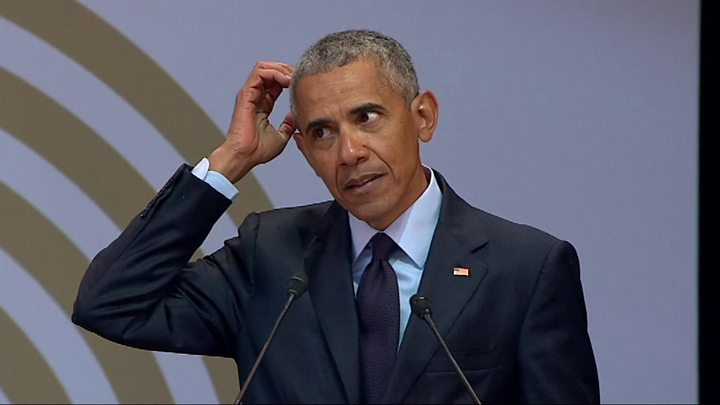
Former United States President Barack Obama has included songs by Nigerian Afrobeats stars Burna Boy and Olamide in his annual list of favourite music for 2025.

The lists, released on Thursday, also featured books and movies selected by Obama. On the music list, he named Burna Boy’s Tatata featuring Travis Scott and Olamide’s 99 featuring Daecolm, Seyi Vibez, Asake, and Young John.

British-Nigerian singer Obongjayar’s Not In Surrender was also among the selections. American artists Kendrick Lamar, SZA, Lady Gaga, Gunna, and Canadian rapper Drake were included as well.

Sharing the lists via his X handle, Obama wrote: “As 2025 comes to a close, I’m continuing a tradition that I started during my time in the White House: sharing my annual lists of favorite books, movies, and music. I hope you find something new to enjoy.”

The annual lists have become a highly anticipated tradition, giving fans insight into Obama’s cultural interests and introducing global audiences to a mix of established and emerging artists.

BizWatchNigeria.Ng
Privacy Overview

This website uses cookies so that we can provide you with the best user experience possible. Cookie information is stored in your browser and performs functions such as recognising you when you return to our website and helping our team to understand which sections of the website you find most interesting and useful.