Ample liquidity in the Nigerian banking system helped anchor funding rates despite significant outflows from the recent settlement of the Federal Government’s Sukuk issuance. As at the close of trading, money market rates moved in mixed directions, buoyed by an estimated N1.6 trillion in net system liquidity.
According to a market update, financial system liquidity remained elevated, largely supported by continuous inflows into the Central Bank of Nigeria’s (CBN) Standing Deposit Facility (SDF). CardinalStone Partners Limited noted that this liquidity surplus persisted even after the Debt Management Office (DMO) settled N300 billion in Sukuk bonds.
Short-term benchmark interest rates stayed relatively stable, holding around 26.5%, as the market experienced little to no pressure at the CBN’s lending window. Reflecting improved liquidity conditions, the Nigerian Interbank Offered Rate (NIBOR) declined across all tenors. Cowry Asset Management reported that the overnight, 1-month, 3-month, and 6-month rates fell by 4 basis points (bps), 32bps, 18bps, and 40bps, respectively.
However, money market rates reflected mixed sentiments. While the Open Buy Back (OBB) and Open Repo Rate (OPR) were unchanged at 26.50%, the overnight lending rate inched up by 9bps to close at 26.95%. Analysts expect interbank rates to remain steady in the short term, barring any unexpected liquidity shocks.
In an effort to moderate excess liquidity, the Central Bank conducted two Open Market Operations (OMO) auctions, each offering N600 billion worth of bills. The auctions were met with strong investor demand, effectively absorbing the impact of over N900 billion in maturing OMO bills.
In the broader fixed-income market, the Nigerian Interbank Treasury Bills True Yield (NITTY) curve declined across most tenors, except for the 3-month benchmark, which rose by 12bps. Meanwhile, sentiment in the secondary market for Nigerian Treasury Bills remained bullish, with average yields falling by 2bps to 20.66%.
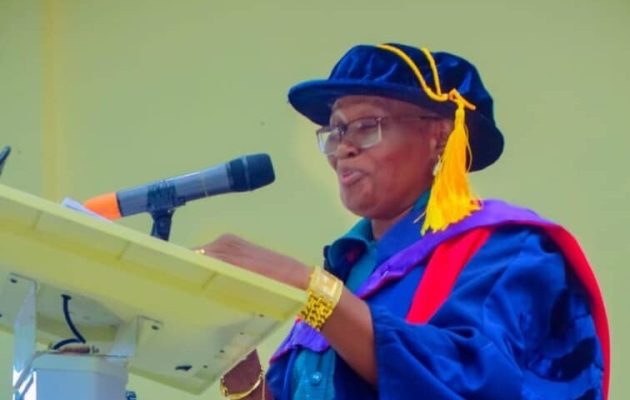
A Professor of Media and Educational Technology at Ajayi Crowther University, Oyo State, Ronke Ogunmakin, has called on the Nigerian government to significantly improve the quality of teaching and learning resources across all levels of education.
Delivering the institution’s 21st inaugural lecture titled “The Message Delivered in a Multimedia Context for Teaching and Learning”, Prof. Ogunmakin emphasised the urgent need for robust educational infrastructure, particularly digital and multimedia tools, to enhance the teaching profession and improve student outcomes.
Ogunmakin, who also serves as Dean of the Faculty of Education, stressed that quality education is rooted in structured pedagogy, well-trained teachers, and the availability of modern instructional resources.
“There is a need to prioritise learning by starting with clear learning objectives and selecting appropriate technologies for their delivery,” she said.
The seasoned academic, drawing on her over four decades of experience in media and education, highlighted the transformative power of multimedia in the classroom. She noted that when properly integrated, multimedia tools can increase student engagement, support interactive and inclusive learning, and cater to diverse learning styles.
According to her, “Multimedia fosters inclusivity by delivering development messages to disadvantaged and socially excluded groups, including students with special needs. It is a powerful tool for addressing educational inequality.”
Prof. Ogunmakin also pointed out the infrastructural challenges hampering the effective use of multimedia in schools, particularly in rural areas, where the lack of electricity remains a major barrier. She advocated for alternative power solutions such as solar and microhydro systems to ensure uninterrupted learning.
In light of recent educational challenges, including the dismal performance of over 4,000 teachers in the 2025 Batch ‘A’ Professional Qualifying Examination (PQE) conducted by the Teachers Registration Council of Nigeria (TRCN), the professor underscored the need for continuous teacher training and capacity development in digital pedagogy.
She further recommended upgrading the bandwidth of major online education platforms, including enhancing the capacity of the National Education Research Network, to support the growing demand for online learning. She also urged partnerships with telecom operators and digital platforms to strengthen online security and ensure sustainable access to digital education.
“The integration of blended learning using sustainable technologies is key—not just during emergencies, but also as a long-term solution for resilient education,” she concluded.
Her lecture sparked renewed calls among education stakeholders for urgent reforms in Nigeria’s teaching sector, with many agreeing that embracing technology and prioritising teacher training are essential to addressing the systemic challenges facing the country’s educational system.
The Federal Government has commissioned a Digital Village in Ibwa 2, Kura community, Gwagwalada Area Council of the Federal Capital Territory, Abuja, as part of its commitment to enhancing digital inclusion in underserved rural areas.
The initiative, spearheaded by the Federal Ministry of Communications, Innovation and Digital Economy, was launched in collaboration with Huawei Nigeria and Globacom. It provides high-speed internet access, e-learning infrastructure, and telemedicine services aimed at transforming remote communities into digitally empowered ecosystems.
Speaking at the launch, Minister of Communications, Innovation and Digital Economy, Dr. Bosun Tijani, said the project is in line with President Bola Ahmed Tinubu’s directive to drive inclusive digital development across the country.
“We are privileged to have a President who is committed to the progress of every Nigerian, regardless of their location,” Dr. Tijani stated. “This initiative is part of the President’s mandate to ensure that every citizen can harness the opportunities that digital technology offers.”
The minister described the mobile phone as a “window to the world,” highlighting its potential to connect individuals to education, financial services, healthcare, and family. However, he noted that over 20 million Nigerians, particularly in the northern regions, still lack access due to limited connectivity infrastructure.
“To address this gap, the President has approved the deployment of 7,000 connectivity kits, such as the one installed here in Kura,” he said. “This community is the first beneficiary, and with proper use, more installations will follow.”
The Digital Village features free public Wi-Fi, internet-enabled classrooms with Huawei’s IdeaHub smart boards, and digitally equipped health centres capable of delivering telemedicine services. The entire infrastructure is powered by solar energy to ensure sustainability.
Dr. Tijani also commended Huawei Nigeria for its comprehensive support beyond connectivity. The company donated digital learning devices, provided teacher training, and renovated the local school to incorporate remote learning capabilities. The local health centre was also upgraded with medical kits, workstations, and telemedicine equipment.
“They’re not just building infrastructure—they’re investing in people,” Tijani noted.
Huawei Nigeria’s Enterprise Managing Director, Mr. Terrens Wu, reiterated the project’s people-centred focus, stating that the Digital Village initiative is designed to improve lives, not merely deploy technology.
“Digital villages are about people—empowering farmers to access market prices, enabling students to learn online, and allowing pregnant women to receive medical advice—all from their mobile phones,” Wu said. “It’s about breaking barriers and creating access.”
He added that the initiative is anchored on three pillars: connectivity, education, and healthcare.
Also speaking, Mr. Kazim Kaka, Head of Globacom’s Northwest Division, underscored the importance of public-private partnerships in driving rural connectivity.
“This goes beyond telecom services. It’s about giving every Nigerian a fair opportunity to thrive in the digital age,” he said.
The traditional ruler of Ibwa 2 Kura, Alhaji Abubakar Shuaibu, lauded the project, describing it as a transformational development for the community.
“Today, our village looks like London,” he remarked. “We now have network, devices, and upgraded school and health facilities. Though we still need more teachers and medical personnel, this is a remarkable step forward.”
The Digital Village currently caters to over 12,000 residents. The Ministry announced that additional rural communities will be integrated into future phases of the programme.
In a bold move to reshape the city’s skyline and redefine luxury residential living, Grenadines Homes, a subsidiary of Palton Morgan Holdings, has unveiled its latest development – Paramount Twin Towers – a five-star residential complex located in the heart of Oniru, Victoria Island.
Rising 13 floors and offering panoramic views of the Atlantic Ocean, Paramount Twin Towers promises a unique blend of opulence, security, and community living. The project, designed in collaboration with acclaimed ECAD Architects – the firm behind Kingsway Tower and Heritage Place – features an array of exquisite homes including studio apartments, maisonettes, and penthouses.
At the launch ceremony, Deputy Commercial Director of Grenadines Homes, Adeola Idris Salami, described the development as more than just a residence. “The concept behind Paramount Twin Towers is simple yet powerful: provide five-star living in the home you deserve,” she said. “It is a sanctuary and a lifestyle statement.”
The homes are fitted with modern kitchens, open-plan lounges, and floor-to-ceiling windows, allowing residents to enjoy sweeping ocean views just 200 metres from their doorstep. Complementing the residences are high-end amenities such as landscaped gardens, walking tracks, wellness centres, children’s play areas, prayer spaces, a banquet hall, cinema lounge, and a fully equipped gym – all crafted to promote a vibrant and inclusive residential community.
“This is what we mean by convenient luxury, most buyers are looking at this as a high-yield investment, especially for short-term rentals.” Salami noted.
The project is expected to be delivered between December 2025 and March 2026, with construction already nearing the final stages. As housing inventory in premium locations like Oniru continues to diminish, the development has attracted strong interest from both homebuyers and investors. A flexible payment structure – including an initial 40 percent deposit – has further boosted its appeal.
Describing the vision behind the project, Peter Reven, Director of Project and Construction Management at Palton Morgan Holdings, said, “Paramount Twin Towers is not just a residence; it is a statement of success and refined living. It is tailored for high-achieving individuals who desire both serenity and connectivity in Lagos’ vibrant urban setting.”
Also speaking at the event, Head of Brand and Marketing, Folake Johnson, underscored the development’s focus on experience and exclusivity. “Luxury today is not just about architecture – it’s about the lifestyle it affords. Paramount Twin Towers will set a new benchmark for five-star living in Lagos,” she said.
The fully gated complex will offer 24/7 concierge services, advanced CCTV surveillance, robust fire safety systems, and dedicated accessibility features – including ramps and specially designated parking – ensuring top-tier security and inclusivity.
Hey fam, welcome back to your favorite Thursday gist session where we dissect real-life dramas like seasoned surgeons, no anesthesia, just vibes. Today, we’re opening the emergency file on those unexpected texts that slide into your phone at 11:43 p.m. or on a random Tuesday morning:
“Hey… I’ve been thinking about you. Just checking in.” Oh really? Because, where have you been since January?! Let’s talk about it.
Let’s be honest: That “just checking on you” message usually comes with invisible baggage. Half the time, it’s not really about you. It’s either:
A guilty conscience knocking. Boredom disguised as concern. Curiosity in fine clothing. Or your ex trying to see if your emotional door is still unlocked. And the worst part? Sometimes we reply because… well, we’re also lowkey lonely or highkey nosy. Don’t lie. God is watching you.
When people “check in,” what are they really doing?
They’re easing their guilt. You’ve been off their radar for 8 months. No birthday text, no response to your calls, but boom — “Just checking in.” Translation: I feel bad for ghosting, and I hope one text will erase all the nonsense I did. They’re testing the waters. Especially the exes. They want to see if you’ve healed, if you’ve upgraded, if someone else now calls you “baby,” or if you’re still emotionally available like Jumia on Black Friday. They want something. “Hey babe, just checking on you” can quickly turn into “Can you send me small airtime?” or “Are you home this weekend?” Bros, be direct abeg. They’re just confused. Some people genuinely don’t know what they want. So they appear and disappear like network service in the village. But wait, sometimes it’s real. Yes o. Not all “checking on you” messages are toxic. Some people genuinely thought of you and wanted to know if you’re breathing, eating, and not crying into your pillow at night. The trick is learning to discern.
How?
Check patterns. Is it consistent care or random pop-ups? Do they listen when you respond or ghost after “I’m fine”? Is this the only time they remember you, when they need closure? What to do when the text lands in your phone:
If your peace has been premium lately, don’t invite chaos by responding. If it’s someone you still value, respond with boundaries. If you’re unsure, pray before you reply. Because Satan too dey use “just checking on you.”
Be careful with recycled access. Every message doesn’t deserve a reply, and every “I’ve missed you” isn’t rooted in love. Sometimes people miss the version of you that tolerated their foolishness — not the real you.
And that’s a wrap on this week’s Thursday Chronicles! Whether you reply or archive that text, remember: you are not a rehab center for confused people. Protect your peace, your energy, and your growth. And next time someone texts you “just checking on you,” check your blood pressure first, it might save your sanity.
Catch you next Thursday, legends. Until then, stay sharp, stay sane, and drink water , the real one, not emotional mineral.
In a bold move to boost technical and vocational education across the country, the Federal Government of Nigeria has introduced a new initiative that provides students in technical colleges with a monthly stipend of ₦45,000. This development was announced by the Executive Secretary of the National Board for Technical Education (NBTE), Professor Idris Bugaje, during a media briefing in Abuja.
Professor Bugaje disclosed that the stipend is part of the broader Technical and Vocational Education and Training (TVET) policy, which is being funded through a ₦120 billion education grant provided under President Bola Tinubu’s administration. The grant will be disbursed through the Nigerian Education Loan Fund (NELFUND) and is aimed at revitalizing interest in technical and vocational learning nationwide.
According to Bugaje, technical education in Nigeria has seen a significant decline in both interest and institutional support since the 1980s. He emphasized the importance of reversing this trend by incentivizing enrollment and reshaping public perception of technical training.
“With this stipend, we aim to make technical colleges more attractive to young Nigerians,” he said. “Graduates of these institutions will not only earn National Skills Qualifications but will also be better positioned to secure employment locally and internationally.”
He described the current efforts as a renaissance in technical education, highlighting how vocational education enjoyed prominence during the colonial era and the early years of independence. However, he lamented the decline in recent decades, noting that there are currently only 129 technical colleges compared to over 15,000 senior secondary schools across the country.
Bugaje was quick to clarify that the ₦45,000 monthly payment is a grant and not a loan, stressing that beneficiaries will not be required to repay the funds. “This is not a loan scheme. It’s a non-repayable grant aimed at drawing more youths into technical and vocational studies,” he reiterated.
The stipend, according to him, forms a critical part of the government’s renewed focus on skill acquisition and employment readiness, which aligns with national development goals.
NSE Reiterates Commitment to Making Capital Accessible to FG at Sukuk N100 billion Listing
The Federal Government’s latest Sovereign Sukuk issuance has recorded overwhelming investor interest, attracting ₦2.205 trillion in subscriptions for a ₦300 billion offering. The Debt Management Office (DMO) made the announcement in Abuja, stating that the Series VII Sukuk achieved a staggering 735% subscription rate, underscoring growing public confidence in this ethical investment instrument.
Initially introduced in 2017, the Sovereign Sukuk was designed to diversify the country’s investment base and offer opportunities for broader citizen participation in infrastructure financing. This seventh issuance reinforces the success of that objective, with subscribers ranging from individual retail investors to institutional stakeholders including non-interest banks, traditional banks, pension fund managers, and asset management firms.
The DMO highlighted that funds raised from this Sukuk will be directed towards critical infrastructure development projects, including the construction and rehabilitation of roads and bridges across all six geopolitical zones and the Federal Capital Territory (FCT). This funding approach aligns closely with President Bola Tinubu’s Renewed Hope Agenda, where infrastructure is a key driver of national growth.
In a recent investor forum held on May 12 in Abuja, the Director-General of the DMO, Patience Oniha, reflected on the progress since the Sukuk’s inception. She noted that the government has successfully raised ₦1.09 trillion from previous issuances, which has funded the construction or refurbishment of over 4,100 kilometers of roadways and nine major bridges nationwide.
According to Oniha, the popularity of the Sukuk program stems from its transparent, project-based structure. She emphasized that the funds are strictly tied to infrastructure projects, which not only guarantees tangible results but also offers investors the satisfaction of contributing to national development.
“The success of the Sukuk reflects its role in fostering financial inclusion and expanding the domestic capital market,” Oniha said. “Beyond monetary returns, investors also benefit from knowing they are part of critical infrastructure upgrades that improve road safety, reduce travel time, and stimulate economic activity.”
She also pointed out additional socio-economic impacts of the projects funded by Sukuk, such as improved access to public services like education and healthcare, better market connectivity for rural farmers, and the creation of thousands of job opportunities.
Investors in the Sukuk receive biannual income returns, making it both a secure and rewarding option for ethical investment. With each successive offering being oversubscribed, the Sukuk is proving to be a mainstay in the government’s strategy for sustainable infrastructure financing.
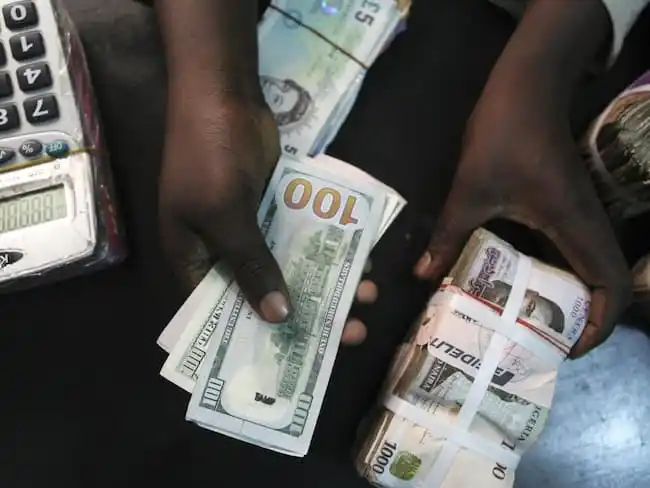
The exchange rate between the Naira and the US dollar, according to the data released on the FMDQ Security Exchange, the official forex trading portal, showed that the Naira closed at 1625.00 per $1 on Thursday, May 29, 2024. Naira traded as high as 1589.00 to the dollar at the investors and exporters (I&E) window on Wednesday.
Dollar to naira exchange rate today black market (Aboki dollar rate):
The exchange rate for a dollar to naira at Lagos Parallel Market (Black Market) players buy a dollar for ₦1621 and sell at ₦1625 on Wednesday 28th May, 2025, according to sources at Bureau De Change (BDC).
Please note that the Central Bank of Nigeria (CBN) does not recognize the parallel market (black market), as it has directed individuals who want to engage in Forex to approach their respective banks.
Dollar to Naira Black Market Rate Today
Dollar to Naira (USD to NGN)
Black Market Exchange Rate Today
Buying Rate
₦1621
Selling Rate
₦1625
Dollar to Naira CBN Rate Today
Dollar to Naira (USD to NGN)
CBN Rate Today
Highest Rate
₦1595
Lowest Rate
₦1589
Please note that the rates you buy or sell forex may be different from what is captured in this article because prices vary.
President Bola Tinubu has declared that his administration’s bold tax reform agenda is already yielding measurable results, describing it as one of the most impactful achievements of his two years in office. In a statement marking the second anniversary of his administration on Thursday, Tinubu highlighted a significant rise in Nigeria’s tax-to-GDP ratio—from 10% to over 13.5% by the end of 2024—as a testament to the success of recent tax policy reforms.
“This progress stems from deliberate improvements in tax administration and the implementation of policies designed to make the system fairer, more efficient, and growth-oriented,” he said.
According to the President, reforms have focused on eliminating the burden of multiple taxation, particularly for small businesses, to encourage their formalization and expansion.
“We’re easing the tax load on low-income households while increasing their disposable income,” Tinubu said. “Essential goods and services—such as food, education, and healthcare—are now subject to zero percent VAT. In addition, rent, public transportation, and renewable energy have been fully exempted to further reduce living costs.”
He stressed that his administration had ended the practice of indiscriminate and opaque tax waivers, replacing them with transparent, targeted incentives that support key sectors like manufacturing, technology, and agriculture.
“These reforms are not solely about increasing government revenue,” Tinubu noted. “They’re also about stimulating inclusive economic growth and creating opportunities—especially for the youth.”
He cited the government’s efforts to create a more accommodating tax environment for digital jobs and remote work as part of a broader strategy to empower Nigeria’s growing youth population.
Tinubu also pointed to trade facilitation improvements, such as the National Single Window project, which has streamlined cross-border trade processes, cut delays, and improved Nigeria’s global competitiveness.
In a further move to ensure transparency and accountability in the tax system, the President announced plans to establish a Tax Ombudsman—an independent institution tasked with protecting the rights of vulnerable taxpayers and ensuring fairness, particularly for small businesses.
He concluded by outlining a broader fiscal strategy aimed at guiding the country toward long-term stability.
“We are laying the foundation for a more sustainable future through a new national fiscal policy framework,” Tinubu said. “It will ensure fair taxation, responsible borrowing, and disciplined public spending.”
“These reforms are intended to lower the cost of living, advance economic justice, and foster a business-friendly environment that attracts investment and supports all Nigerians. We are building a system where prosperity is shared, and no one is left behind.”
The Federal Government has launched new specialised Higher National Diploma (HND) programmes in Artificial Intelligence (AI), Cybersecurity, Software Engineering, and Networking, in a bid to align Nigeria’s education system with global technological advancements.
This was disclosed by the Executive Secretary of the National Board for Technical Education (NBTE), Prof. Idris Bugaje, during an interview with the News Agency of Nigeria (NAN) in Abuja.Speaking on the achievements of President Bola Tinubu’s administration after two years in office, Bugaje described the initiative as a major step towards equipping Nigerian students with the digital competencies needed to thrive in the Fourth Industrial Revolution.
“We have unbundled traditional HND programmes into more targeted skill areas,” he explained. “This restructuring is already in motion, and under the Nigeria Skills Qualification Framework (NSQF), we are introducing more specialised training modules.”
Bugaje noted that the reforms go beyond curriculum updates and extend into the digital transformation of governance across technical institutions. A key component of this shift, he said, is the implementation of a digital accreditation system powered by AI.
“For instance, the new AI-driven accreditation platform helps monitor compliance with academic standards, detect faculty duplication, and reduce malpractices. If a lecturer is listed on multiple polytechnic websites, the system flags it automatically, helping us maintain transparency and integrity,” he said.
Under the new process, institutions are now required to upload detailed data about their infrastructure, equipment, and staff onto a centralised digital platform—eliminating the need for frequent physical site visits.
“This approach cuts costs, reduces logistical risks, and curbs potential manipulation of accreditation procedures,” he added. However, Bugaje clarified that institutions located in remote areas without stable internet access would temporarily rely on accredited third-party vendors to submit reports for NBTE review.
He further explained that the digital accreditation system operates in line with the Minimum National Academic Standards (MNAS), which set clear benchmarks for every National Diploma (ND) and Higher National Diploma (HND) programme in terms of curriculum, facilities, and faculty requirements.
The NBTE boss emphasised that both the digital accreditation system and the new tech-focused academic offerings are designed to modernise Nigeria’s polytechnic education system and make it globally competitive.
“Nigeria must embrace technology in both education and economic planning,” Bugaje stated. “This is how we can drive sustainable growth and position ourselves for prosperity in the digital era—just as many Southeast Asian countries have done.”
Chelsea roared back to beat Real Betis 4-1 in the UEFA Conference League final in Wroclaw on Wednesday, becoming the first club to claim all four major European trophies.
Manuel Pellegrini’s Real Betis caught the favourites cold in Poland through an early goal from Abde Ezzalzouli but Enzo Maresca’s team were a changed side in the second half.Two goals in five minutes changed the complexion of the game, with man-of-the-match Cole Palmer creating both openings for Enzo Fernandez and Nicolas Jackson.
Substitute Jadon Sancho made the game safe in the 83rd minute, finishing from an tight angle and Moises Caicedo added gloss to the scoreline. It means Chelsea become the first club to win the full set of Champions League, Europa League, Conference League and the now-defunct Cup Winners’ Cup.
It is also the first silverware for the club since Todd Boehly’s consortium took over from former owner Roman Abramovich in 2022, following an era of unprecedented success for the club.
After a bright start from both sides, Betis broke the deadlock in the ninth minute through Ezzalzouli, who scored the goal against Fiorentina that took his side to the final.
Malo Gusto lost the ball in midfield and Betis surged forward. Captain Isco produced a clever pass to find Ezzalzouli on the edge of the box and the Moroccan drilled a left-footed shot across Filip Jorgensen.
Minutes later Marc Bartra tried his luck from distance as Betis pressed for a second, but this time Jorgensen was equal to the task, producing a flying save.
Urged on by their massed ranks of fans at Wroclaw stadium, Betis went close again when Johnny Cardoso’s shot from inside the box was deflected behind by Benoit Badiashile, with Chelsea clinging on.
The Premier League side were enjoying the bulk of possession but struggling to create meaningful chances, with Betis defending well and Isco, a five-time Champions League winner with Real Madrid, pulling the strings.
As half-time approached Betis goalkeeper Adrian raced off his line to deny Enzo Fernandez but Chelsea went in at half-time goalless.
– Palmer magic –
Maresca brought on Chelsea captain Reece James for the struggling Gusto at the break. The Betis boss was forced a change when goalscorer Ezzalzouli was forced off, with Jesus Rodriguez coming on to replace him.
Chelsea were level in the 65th minute following a fine move down the right after Cole Palmer produced a fine cross to pick out Fernandez.
The midfielder got between two defenders to head the ball down and past Adrian. Suddenly Chelsea’s tails were up and the fans behind the goal were in full voice.
In the 70th minute Palmer produced some magic on the edge of the box before producing a delightful cross which hit Jackson’s chest and went in.
Jackson should have scored a second goal but a heavy touch allowed Adrian to gather. But Sancho made it 3-1 when he combined with fellow substitute Kiernan Dewsbury-Hall and Caicedo added a fourth.
Victory for Chelsea breaks an astonishing cycle of wins for Spanish teams. Taking into account World Cups, European Championships, Champions League and the UEFA Cup/Europa League, of the previous 27 men’s finals involving Spanish teams, all 27 had had Spanish winners.
Four Spanish club sides had been defeated in that time, but in all cases by fellow La Liga sides. Earlier, the centre of Wroclaw was packed with fans from both clubs, with green-and-white clad Betis fans outnumbering their English rivals. Poland’s interior minister said police made 28 arrests after supporters clashed in the city’s market square.
The naira depreciated further against the US dollar across multiple foreign exchange (FX) markets, as Nigeria’s gross external reserves declined for the third straight day.
Market participants are anticipating further intervention from the Central Bank of Nigeria (CBN), following a $50 million injection the previous day. During Tuesday’s session, the USD/NGN pair traded within a range of ₦1,589.50 to ₦1,595.00.
By the close of trading, the naira had weakened by 44 basis points, settling at ₦1,590.75 per dollar. Analysts at AIICO Capital project that the naira will remain within its current trading band barring any major economic disruptions.
In the parallel market, the local currency fell further to ₦1,620 amid a surge in demand. The CBN’s data showed that external reserves fell to $38.518 billion, down from $38.561 billion recorded last week—marking the third consecutive decline after recent inflows. Analysts attribute the drop to sustained FX market interventions by the central bank.
Despite a wave of FX inflows from exporters, the CBN injected $190 million into the market last week and added another $50 million on Tuesday to stabilize the naira amid dwindling oil revenue.
According to a macroeconomic update by Verto FX, the central bank has been injecting between $50 million and $100 million daily. However, market consensus suggests these interventions are intended more to maintain liquidity than to decisively stabilize the exchange rate.
On the global commodities front, oil prices rose over 1% on Wednesday due to mounting supply concerns. This follows OPEC+’s decision to maintain current output levels and the U.S. ban on Chevron’s Venezuelan crude exports. Brent crude gained 91 cents (1.42%) to reach $65 per barrel, while West Texas Intermediate (WTI) climbed $1.08 (1.77%) to $61.97.
Gold prices remained relatively stable, with spot gold trading at $3,295.43 an ounce as investors awaited the release of minutes from the U.S. Federal Reserve’s latest policy meeting.
Looking ahead, the upcoming summer driving season is expected to drive higher crude oil demand. With non-OPEC+ production remaining flat in the first half of 2024 and potential wildfire-related disruptions in Canada, the market is increasingly dependent on OPEC+ to meet supply needs.
Oil prices rose on renewed investor optimism following a U.S. court ruling that blocked former President Donald Trump from imposing sweeping global tariffs on imports, a decision that sparked increased risk appetite across global markets.
International benchmark Brent crude climbed by 1.62% to trade at $65.36 per barrel. Similarly, U.S. benchmark West Texas Intermediate (WTI) advanced 1.69%, settling at $62.69 per barrel—up from $61.65 in the previous session.
The U.S. Court of International Trade ruled Wednesday that Trump exceeded his executive authority by invoking the International Emergency Economic Powers Act (IEEPA) to implement the so-called “Liberation Day” tariffs on April 2, without Congressional approval. The three-judge panel issued a permanent injunction, effectively halting the enforcement of the tariffs.
The court’s decision added uncertainty to the future of Trump’s trade policies, especially as a July deadline for potential enforcement approaches. However, for now, the ruling has buoyed market sentiment, with traders interpreting the decision as a positive development for global trade stability.
On the geopolitical front, oil markets are also tracking the possibility of fresh U.S. sanctions on Russian oil exports. Former President Trump issued a stark warning on Tuesday, saying Russian President Vladimir Putin was “playing with fire” amid continued military strikes on Ukraine.
Reports earlier in the week indicated that Trump is weighing new sanctions against Moscow, following heightened tensions and stalled peace negotiations. In response, Russian Foreign Minister Sergey Lavrov stated on Wednesday that a new round of talks with Ukraine would be announced “in the very near future.” The last direct negotiations were held in Istanbul on May 16, mediated by Türkiye.
Meanwhile, attention is turning to the upcoming OPEC+ meeting scheduled for Saturday. Eight key member nations—including Saudi Arabia, Russia, Iraq, the UAE, Kuwait, Kazakhstan, Algeria, and Oman—may agree to further ease their voluntary production cuts.
These eight countries, which had pledged to cut a combined 2.2 million barrels per day (bpd), began gradually increasing output in April. In May, they raised production by 411,000 bpd and have signaled a similar increase for June.
The prospect of increased supply, combined with persistent demand weakness, has fueled concerns about a potential market surplus, even as geopolitical tensions continue to add volatility to oil prices.
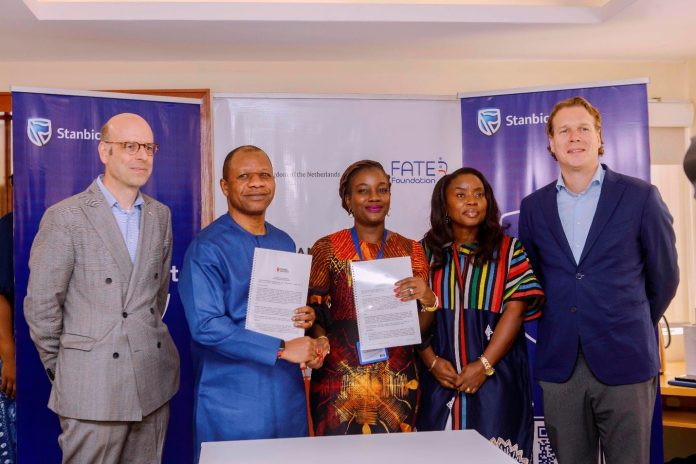
From L-R:; Michel Deelen, Consul General, Kingdom of the Netherlands; Wole Adeniyi, Chief Executive, Stanbic IBTC Bank; Adenike Adeyemi, Executive Director, FATE Foundation, Sonia Onovughakpo Fajusigbe, Economic Policy Adviser & Business Developer Entrepreneurship, Youth Employment and Healthcare of the Consulate General of the Kingdom of the Netherlands, Lagos and Jurriaan Middelhoff, Ambassador for Youth, Education & Employment, Ministry of Foreign Affairs, Netherlands at the partnership signing ceremony held in Lagos Nigeria)
Orange Corners Nigeria (OCN), an initiative of the Kingdom of the Netherlands, implemented by FATE Foundation, welcomed Stanbic IBTC, a leading financial services provider in Nigeria, as a private partner. This partnership marks a significant milestone in the programme’s mission to support young entrepreneurs in Nigeria with the skills, knowledge, and support they need to create sustainable economic opportunities within their communities and to build a thriving entrepreneurial ecosystem in Nigeria.
OCN was launched in Nigeria in 2019 with the support of the Consulate General of the Kingdom of Netherlands in Lagos. The model in Nigeria is a Business Incubator, an innovation fund, and a student ambassador programme. OCN’s vision is to contribute to a thriving entrepreneurial ecosystem, by providing economic opportunities, skills, and the right networks for youth with innovative business ideas.
Michel Deelen, Consul General, Kingdom of the Netherlands, said while giving his welcome address, ’’Orange Corners is the expression of our belief in the youth of Nigeria. From inception the plan was to do this together with the private sector and we are very pleased to have found a partner in Stanbic IBTC”
The official partnership commemoration ceremony took place on Friday, May 16, 2025, at the Embassy of the Netherlands in Victoria Island, Lagos Nigeria. “We’re excited to partner with Stanbic IBTC to advance Orange Corners Nigeria’s mission of fostering a thriving entrepreneurial ecosystem, where young people can turn their innovative ideas into successful businesses. This partnership will enable us to provide more comprehensive support, mentorship, and opportunities for growth, ultimately driving innovation and job creation in Nigeria.” Adenike Adeyemi, Executive Director, FATE Foundation said at the ceremony.
In attendance were Michel Deelen, Consul General, Kingdom of the Netherlands; Jurriaan Middelholf, Ambassador for Youth, Education & Employment, Ministry of Foreign Affairs, Netherlands, Wole Adeniyi, Chief Executive, Stanbic IBTC Bank; Adenike Adeyemi, Executive Director, FATE Foundation, Sonia Onovughakpo Fajusigbe, Economic Policy Adviser & Business Developer Entrepreneurship, Youth Employment and Healthcare of the Consulate General of the Kingdom of the Netherlands, Lagos Bambo Adebowale, Dean & Director, The FATE School; Tosin Leye- Odeyemi. Head Sustainability, Risk and Capital Management, Stanbic IBTC Holdings, Great Ukazim, Program Manager, Orange Corners Nigeria; and a few staff members of Stanbic IBTC and FATE Foundation.
Mr Wole Adeniyi, Chief Executive, Stanbic IBTC Bank stated “We are going to help catalyse more entrepreneurs and also help the youth. It goes with what we are doing with SME businesses, we are going to be able to scale more, empower them more, and also provide access to financing that will help to support the economy.”
At the ceremony, some current OCN cohort incubatees and alumni members had the opportunity to speak about their businesses, the positive impact that the OCN programme has had on them and their businesses, and the challenges that they are experiencing as aspiring entrepreneurs.
FATE Foundation is Nigeria’s foremost enterprise development organisation that seeks to harness the strong entrepreneurial culture of Nigerians by providing aspiring entrepreneurs with business incubation, growth, and accelerator support required to fully explore their innovative potential, to start, grow and scale their businesses with the mission to foster wealth creation by promoting businesses and entrepreneurial development among Nigerians.
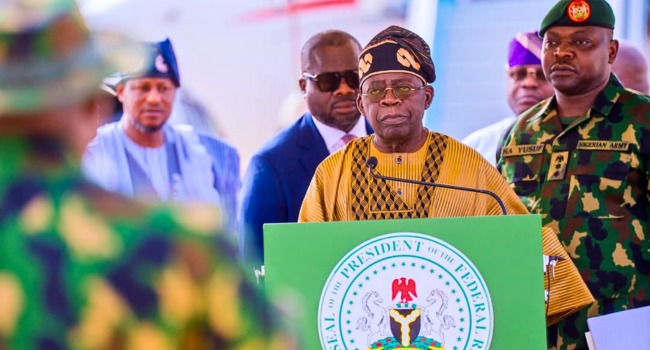
President Bola Ahmed Tinubu, on Wednesday, marked the second anniversary of his administration, highlighting the bold reforms and measurable progress made since he assumed office in May 2023.
Addressing Nigerians in a nationwide broadcast, Tinubu saluted the “resilience and undaunted spirit” of citizens, emphasising that the country is now on a firm path to economic stability and inclusive growth.
Recalling the state of the nation when he took over, Tinubu noted that “the economic and general situation of the country I inherited required that we redirect the country’s affairs with a bold and new vision.” He defended the immediate removal of fuel subsidies and the unification of the foreign exchange windows as necessary steps to prevent national collapse.
“These two were no longer sustainable and have become a chokehold on our nation’s neck, strangling our nation’s future,” the President said.
According to him, the administration’s Renewed Hope Agenda has been focused on restoring economic health, improving national security, reforming governance, and reducing poverty. While acknowledging the difficulties faced by Nigerians due to reforms, Tinubu maintained that the alternative would have led to a “fiscal crisis, runaway inflation, external debt default, and a plunging Naira.”
He announced that inflation is beginning to ease, especially for staple foods like rice, while the oil and gas sector is experiencing recovery with rig counts up by over 400% in 2025 compared to 2021. New investments in the sector have reached over $8 billion.
On fiscal performance, Tinubu revealed that Nigeria’s deficit has dropped from 5.4% of GDP in 2023 to 3.0% in 2024, with the country recording over N6 trillion in revenue in Q1 2025 alone. He also disclosed that external reserves rose from $4 billion in 2023 to over $23 billion by end of 2024, and that the country had paid off its IMF obligations.
Tax reforms were among the major milestones of the administration. “By the end of 2024, our tax-to-GDP ratio rose from 10% to over 13.5%,” he said. The reforms aim to simplify taxation for small businesses, eliminate multiple taxation, and exempt basic services such as food, education, healthcare, and renewable energy from VAT.
To further promote transparency, Tinubu announced the establishment of a Tax Ombudsman to protect vulnerable taxpayers. He added that a new national fiscal policy would guide future decisions on taxation, borrowing, and spending.
The President also reported major strides in the solid minerals sector, healthcare delivery, and education. Over 1,000 Primary Health Centres have been revitalised, with another 5,500 being upgraded. Additionally, six new cancer centres are being established, free dialysis is being piloted in tertiary hospitals, and Health Insurance coverage has grown from 16 million to 20 million people.
On security, Tinubu assured citizens that his administration remains committed to protecting lives and property. “In some areas of the northwest… our gallant armed forces have restored order,” he stated, adding that high-risk roads are now safer and farming activities have resumed.
He praised the dedication of military and intelligence agencies, urging continued collaboration to defeat banditry and other threats. “Every Nigerian deserves to live without fear,” he said.
On youth and human capital development, Tinubu cited the activities of the National Agency for Science and Engineering Infrastructure (NASENI) as a testament to youth-led innovation. Programmes like Innovate Naija and Irrigate Nigeria have created jobs, restored dignity to work, and inspired digital transformation.
In agriculture, he stated that the federal government has launched initiatives to stabilise food prices, support farmers, and invest in mechanised farming.
The administration has also prioritised infrastructure, with road construction projects ongoing across all geopolitical zones and significant investments in electricity infrastructure, including off-grid solar energy.
Tinubu announced plans for the Motherland Festival to showcase Nigeria’s culture and creative industries to a global audience. He also emphasised the importance of the Nigerian diaspora, highlighting initiatives like the diaspora bond and non-resident Bank Verification Numbers to facilitate their contributions.
As he concluded the anniversary address, President Tinubu expressed optimism about the future. “Our journey is not over, but our direction is clear… By the Grace of God, we are confident that the worst is behind us… Together, we will build a stronger, more inclusive Nigeria that we can all be proud of.”
The National Drug Law Enforcement Agency (NDLEA) has arrested two individuals attempting to traffic cocaine while posing as pilgrims en route to Saudi Arabia for the annual Hajj pilgrimage.
Chairman and Chief Executive Officer of the NDLEA, Brigadier General Buba Marwa (retd.), disclosed the arrest on Wednesday during the opening of the Inter-Ministerial Committee on Drug Control meeting held in Abuja.
Marwa revealed that the suspects had ingested the illicit drug, pretending to be devout Muslims undertaking a religious journey. “Just a few days ago, we arrested two would-be pilgrims going to Saudi Arabia for the Hajj. They swallowed cocaine, pretending to be going to the country to pray,” he said.
The NDLEA boss raised alarm over the disturbing trend of criminal syndicates exploiting religious activities, particularly Hajj, to facilitate international drug trafficking. He cited past cases in which unsuspecting pilgrims were used as drug couriers without their knowledge.
“Two years ago, three women were deceived by individuals who offered to sponsor their Hajj trip. Before departure, they were handed a bag to deliver to a supposed relative in Saudi Arabia. Unknown to them, the lining of the bag had cocaine sewn into it,” Marwa recounted.
Despite financial limitations affecting the full implementation of the National Drug Control Master Plan (NDCMP) 2021–2025, Marwa reaffirmed the agency’s determination to tackle the country’s drug challenges. “We remain resolute, drawing strength from our shared vision and collective responsibility. A significant step forward is the amendment of the NDLEA Act, which will enhance the agency’s institutional capacity to reduce drug supply,” he said. According to him, the amended Act has been passed by the National Assembly and is awaiting presidential assent.
Reviewing the agency’s performance under the strategic pillars of the NDCMP in 2023 and 2024, Marwa said the NDLEA recorded notable progress in combating drug-related offences.
“Under the Supply Reduction pillar, our operations led to the arrest of 31,334 drug offenders, including 6,839 convictions. We also seized over 4.3 million kilograms of assorted illicit drugs and destroyed more than 426 hectares of cannabis farms,” he disclosed.
On the demand reduction front, the NDLEA provided counselling and rehabilitation services to 19,033 individuals battling substance abuse.
Also speaking at the event, the Attorney General of the Federation and Minister of Justice, Prince Lateef Fagbemi, SAN—represented by the Director of Public Prosecution, Mr Mohammed Abubakar—expressed optimism that the amended NDLEA Act would strengthen Nigeria’s drug control framework once signed into law by President Bola Tinubu.
“The Ministry of Justice has worked closely with the NDLEA to ensure our legal system supports the agency’s anti-drug efforts. In addition to the ongoing legislative reforms, we are also supporting initiatives to manage the proceeds of crime, which are essential to dismantling the financial infrastructure of drug trafficking networks,” he added.
Interswitch Group, one of Africa’s leading integrated payments and digital commerce companies, has emphasized the imperative for African technology players to champion locally relevant innovation that are tailored to the continent’s realities and nuances.
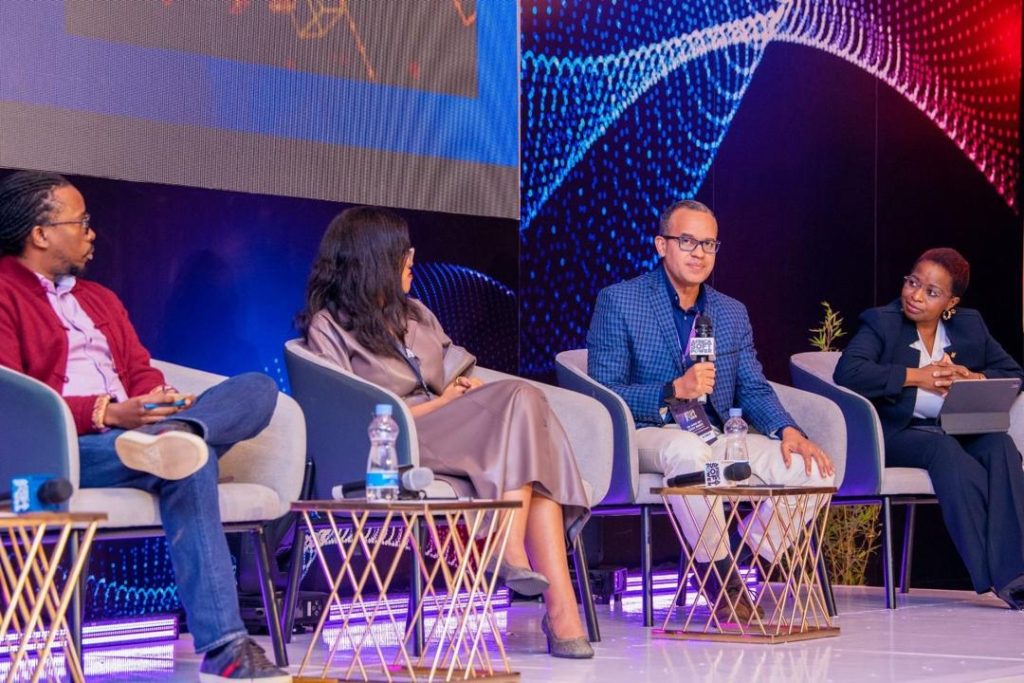
Speaking at the recently concluded 2025 Africa Soft Power (ASP) Summit in Nairobi, Kenya, Key industry players and leaders at the Summit 2025 summarily called for greater economic self-determination and stronger artificial intelligence governance as the continent seeks to reduce dependence on foreign capital and prevent unregulated technology deployment.
The 4th edition of the two-day summit, running through May 22nd – 23rd, brought together thought leaders, policymakers, investors, and innovators from Nigeria, Kenya, South Africa, Tanzania, and other African nations to address leadership, investment, and technological development challenges.
The discussions at the summit highlighted the current reality that most African startup capital Decision-makers remain external to the Continent, limiting the ecosystem’s potential, and called for unified perspective towards challenging this longstanding reality.
Speaking at the summit, Interswitch Group, represented by Bernard Kinara, Country General Manager in Kenya asserted that the company, as a fintech leader proudly rooted in Africa remains resolutely championing technology solutions that connect and empower individuals, businesses, and communities, to drive prosperity across the continent. He noted that beyond her role as a pioneering innovator in the digital payments & commerce space, Interswitch is always enthused at opportunities to advocate and advance the conversation around digital transformation geared towards enabling financial inclusion.
Speaking on a pivotal panel discussion themed “Inclusive Leadership & Disruptions: Shaping Growth and Navigating Global Shifts”, He highlighted Interswitch’s impact – being the continent’s first fintech/payments unicorn – in strengthening cross-ecosystem linkages and partnerships by bringing together fintechs, banks and other financial service delivery enablers; in advancing borderless payments and cross-country value-exchange; and in driving required affirmative action on the social development front through the creation of opportunities for women and youth through corporate responsibility and sustainability initiatives; such as #InterswitchSPAK, in line with the organization’s corporate purpose – inspiring Africa to greatness through innovation, value-creation and excellence.
He furthermore highlighted AI’s potential to democratize access through natural language coding tools that break down gender and linguistic barriers, while cautioning against biases in AI systems.
The summit also discussed topical themes such as AI Models, Sovereignty, and Democratizing Access, and highlighted the necessity of policy autonomy in the global digital landscape, citing successful regulatory actions by governments in Uganda and Nigeria against multinational tech platforms.
Philip Ikeazor, Director General of Financial System Stability at Nigeria’s Central Bank, emphasized that anti-money laundering and fraud detection standards are becoming mandatory, with AI supporting but policy leading these efforts.
However, challenges remain around weak data protection and low digital literacy, which policy must address. The AI governance panel emphasized AI literacy for policymakers and the public, advocating tailored education approaches to ensure that AI tools solve practical problems for farmers, creatives, and civil servants. A technologist noted the paradox of rising public AI awareness alongside skepticism, reinforcing the need for transparent, trustworthy AI systems.
The Africa Soft Power Summit 2025 assembled Leaders, Innovators, and Creatives from across the Continent to address challenges in leadership, infrastructure, and technological development, with participants calling for frameworks that prioritize African decision-making and economic sovereignty. The discussions covered infrastructure, digital finance, and artificial intelligence, with a consistent theme of moving beyond external dependence toward sustainable, locally-driven development models.
Interswitch remains a leading technology-driven company focused on the digitization of payments and commerce across Africa. Founded in Nigeria in 2002, Interswitch disrupted the traditional cash-based payments value chain in Nigeria by supporting the introduction of electronic payments processing and switching services, and launched Verve, Africa’s premier and leading domestic EMV-standard chip and pin payments card scheme.
Today, Interswitch is a leading player with critical mass across Africa’s developing financial ecosystem and is active across the payments value chain, providing a full suite of omni-channel payment solutions. Interswitch’s vision is to make payments a seamless part of everyday life in Africa, and its mission is to create transaction solutions that enable individuals and communities to prosper across Africa. Interswitch’s broad network and robust payments platform have been instrumental to the development of the Nigerian payments ecosystem and provide Interswitch with the infrastructure to expand across Africa.
The Federal Government has defended its proposed $24 billion borrowing initiative, assuring Nigerians that the plan does not translate to an immediate increase in the national debt burden.
In a statement issued on Wednesday, the Director of Information and Public Relations at the Federal Ministry of Finance, Mohammed Manga, clarified that the loans are project-specific and structured under a multi-year rolling plan spanning from 2024 to 2026.
According to Manga, the loans will be disbursed over time, typically within five to seven years, and are targeted at critical sectors such as power transmission, irrigation for food security, nationwide fibre optic deployment, security equipment including fighter jets, and rail and road infrastructure.
He emphasised that most of the proposed loans would be sourced from international development partners including the World Bank, African Development Bank, French Development Agency, European Investment Bank, Japan International Cooperation Agency (JICA), China Eximbank, and the Islamic Development Bank. These institutions, he noted, offer concessional financing with favourable terms and long repayment periods, supporting the country’s development agenda.
The government also revealed that the borrowing plan covers both federal and state-level projects, with at least 10 states—Abia, Bauchi, Borno, Gombe, Kaduna, Lagos, Niger, Oyo, Sokoto, and Yobe—slated to benefit.
“This borrowing plan does not imply immediate or full-scale borrowing,” Manga explained. “Actual borrowing is subject to annual budgetary allocations. For instance, the external borrowing for 2025 is projected at $1.23 billion and is scheduled for the second half of the year.”
Addressing concerns over Nigeria’s debt profile, the government stated that the debt service-to-revenue ratio, which peaked at over 90 percent in 2023, is on a downward trajectory. It attributed this improvement to fiscal reforms, including the cessation of inflationary monetary practices and increased revenue from government enterprises and the Nigerian National Petroleum Corporation (NNPC).
The government reiterated that substantial investment in infrastructure, energy, transportation, and agriculture is crucial to steering the economy toward sustainable and inclusive growth. It stressed that the borrowing plan is guided not merely by the volume of debt but by the expected utility, sustainability, and economic returns of the financed projects.
“All borrowed funds will be channelled toward projects that enhance growth and are closely monitored to ensure efficient utilisation,” the statement noted.
It further stated that the borrowing plan aligns with the provisions of the Fiscal Responsibility Act 2007 and the Debt Management Office (DMO) Act 2003 as a key component of the Medium-Term Expenditure Framework (MTEF).
Reaffirming its commitment to fiscal discipline, transparency, and accountability, the Federal Government assured that ongoing tax reforms and revenue-enhancing measures would bolster financial stability. It called for continued public engagement and legislative oversight in achieving long-term economic resilience and national prosperity.
The Federal Government has secured a $134 million loan facility from the African Development Bank (AfDB) to enhance seed and grain production nationwide, as part of efforts to strengthen food security. Minister of Agriculture and Food Security, Senator Abubakar Kyari, disclosed this during the launch of the 2024/2025 National Dry Season Farming program in Calabar.
Kyari said the loan will support the reintroduced dry season farming initiative under the National Agricultural Growth Support Scheme-Agro Pocket (NAGS-AP) project. The scheme aims to ensure year-round agricultural production and improve food availability across the country.
“In response to the current food crisis, the Federal Government declared a state of emergency on food production to ensure access to affordable, nutritious food for all Nigerians,” Kyari said.
He revealed that under the 2023/2024 dry season farming, 107,429 wheat farmers and 43,997 rice farmers had already received support. For the 2024 wet season, 192,095 farmers cultivating rice, maize, sorghum, millet, soybean, and cassava across all 36 states and the FCT were also assisted.
Highlighting Cross River State’s role in leading wheat production efforts in the south, the minister noted that over 3,000 farmers in the state had been enlisted for wheat cultivation.
Under the current dry season program, 250,000 wheat farmers will be supported with subsidised inputs to cultivate 250,000 hectares, with an expected output of 750,000 metric tonnes. Another 150,000 rice farmers will also benefit in this phase, targeting an output of 450,000 metric tonnes.
Kyari also announced a $1 billion agriculture mechanisation program approved by the Economic Council, led by the Greener Hope Agric Mechanisation Consortium. Over the next ten years, the initiative will establish 1,000 agro-service centres and deploy 2,000 tractors annually, creating around 600,000 jobs for youths.
To cushion food inflation, the government has begun selling 30,000 metric tonnes of milled rice nationwide at a subsidised price of ₦40,000 per 50kg bag. This move is expected to reduce rice prices and ease pressure on other staples.
The minister added that the government had released 42,000 metric tonnes of assorted food commodities from the Strategic Food Reserve to the National Emergency Management Agency (NEMA) for distribution across the country, alongside 20 trailers of rice per state.
In response to the ginger blight outbreak, the ministry has disbursed ₦1.6 billion to support affected farmers in Kaduna and Plateau states and developed a ginger master plan to boost self-sufficiency and exports. Efforts have also been made to enrich food value through crop fortification with vitamin A and pest control initiatives, including aerial operations to combat trans-boundary infestations.
Kyari reaffirmed that the ministry’s priorities under the Renewed Hope Agenda include achieving food security, improving infrastructure and transportation, and enhancing governance for effective service delivery.
The Federal Government has reaffirmed its commitment to borrowing only within sustainable and manageable limits, in line with the Debt Management Office (DMO)’s debt sustainability framework. This assurance was contained in a statement issued in Abuja on Wednesday by the Director of Information and Public Relations at the Ministry of Finance, Mohammed Manga.
The statement follows President Bola Tinubu’s recent request for the National Assembly’s approval of the 2024–2026 External Borrowing Rolling Plan. The plan includes proposals to secure $21.5 million and 15 billion Yuan in external loans, along with a €65 million grant, as part of the government’s broader strategy to finance critical development projects.
Manga explained that the borrowing plan is a vital component of the Medium-Term Expenditure Framework (MTEF), in compliance with the Fiscal Responsibility Act of 2007 and the DMO Act of 2003.
“The plan outlines external borrowing projections for both the federal and sub-national governments over a three-year period and is supported by detailed appendices covering project scope, loan terms, implementation timelines, and other key information,” the statement read.
He noted that the rolling plan provides a strategic, forward-looking approach to borrowing, helping to avoid inefficient, ad-hoc debt practices and allowing for better financial planning. However, Manga clarified that inclusion in the borrowing plan does not automatically translate into immediate debt accumulation.
“Actual borrowings are implemented annually and tied to the national budget. For instance, the 2025 budget proposes an external borrowing component of $1.23 billion, which has not yet been drawn and is scheduled for the second half of the year.”
The plan encompasses projects across multiple states, including Abia, Bauchi, Borno, Gombe, Kaduna, Lagos, Niger, Oyo, Sokoto, and Yobe. He emphasized that most of the loans are project-tied, with multi-year disbursement timelines spanning five to seven years. The funding is intended for key sectors such as power transmission, irrigation for food production, nationwide fibre optic infrastructure, rail and road development, and national security—including the procurement of fighter jets.
The federal government intends to source most of the financing from development partners such as the World Bank, African Development Bank (AfDB), French Development Agency (AFD), European Investment Bank (EIB), Japan International Cooperation Agency (JICA), China EximBank, and the Islamic Development Bank (IsDB). These lenders offer concessional loans with favorable terms and extended repayment periods.
Manga also pointed out that Nigeria’s debt service-to-revenue ratio has begun to improve, decreasing from a peak of over 90% in 2023. He added that the government has ceased relying on the inflationary and unsustainable “Ways and Means” financing from the Central Bank.
“With increased revenue expected from NNPC Limited, improved oversight of government-owned enterprises, and recovery of legacy debts, we are making significant fiscal progress,” he said.
He concluded by emphasizing the administration’s focus on using borrowing strategically to spur long-term, inclusive growth.
“The overarching goal is to shift the economy onto a trajectory of rapid, sustained, and inclusive development. Achieving this requires significant investment in transportation, energy, agriculture, and other infrastructure. Our debt strategy is guided not just by how much we borrow, but by how effectively the funds are used to generate economic returns and drive national development.”