MultiChoice Nigeria has slashed the price of its DStv decoder by 50%, reducing it from ₦20,000 to ₦10,000 in a bid to attract new customers and address a recent drop in subscriptions.
The company announced the price cut on Tuesday, stating it forms part of a broader strategy to reward loyalty, enhance value, and make its offerings more accessible to Nigerian households.
Chief Executive Officer, John Ugbe, described the move as a key part of the company’s ongoing ‘We Got You’ campaign. “We want to ensure our customers feel appreciated and have access to the best entertainment every day,” he said. “The campaign is about making premium content more accessible and showing that DStv is more than just football — it’s a home for movies, dramas, kids’ shows, and news.”
In addition to the decoder price slash, MultiChoice also introduced a limited-time promotional offer: subscribers who pay in full for their current DStv package between June 16 and July 31, 2025, will be upgraded to the next package tier for free.
The company said both initiatives are direct responses to the economic realities facing many Nigerians. This comes on the heels of MultiChoice’s loss of 1.4 million subscribers across Africa between March 2023 and March 2025.
It also follows a series of price hikes on DStv and GOtv bouquets — first in April 2023, then November 2023, and most recently in May 2024 — which have drawn criticism from subscribers.
With this latest campaign, MultiChoice is repositioning DStv as a daily value platform, encouraging viewers to explore a wider range of content beyond sports, and ultimately strengthen its foothold in the competitive pay-TV market.
Oil prices rose on Wednesday as investors weighed escalating geopolitical tensions in the Middle East against stronger-than-expected demand indicators from the United States.
Brent crude, the international benchmark, climbed 0.4% to $67.15 per barrel, up from $66.86 at the previous session’s close. Similarly, US West Texas Intermediate (WTI) crude rose by 0.5% to $65.05 per barrel, compared to $64.72 in the prior session.
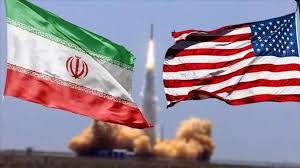
The price gains were driven in part by renewed fears of supply disruptions following the fragile ceasefire between Israel and Iran. Although Israeli Prime Minister Benjamin Netanyahu declared the 12-day conflict over—claiming Iran’s nuclear program had been “dismantled”—tensions remain high.
Netanyahu warned of further strikes if Tehran resumed its nuclear ambitions, stating in a social media video, “Iran will not have a nuclear weapon.” However, US intelligence assessments suggest the strikes only temporarily delayed Iran’s progress, raising concerns that the conflict could reignite.
Tensions flared again after Israel reported intercepting two Iranian drones and accused Iran of launching a ballistic missile early Tuesday—actions that prompted retaliatory Israeli strikes on a radar site in Tehran. President Donald Trump acknowledged ceasefire violations from both nations, saying, “I’m not happy with Iran either, but I’m really unhappy with Israel going out this morning.”
The renewed instability has sparked concerns over the security of oil shipments through the Strait of Hormuz—a vital route for about 20% of global oil supply. Any disruption to this corridor could have significant implications for global energy markets.
Meanwhile, bullish demand signals from the US offered additional support for prices. The American Petroleum Institute (API) reported a 4.27 million-barrel drop in US crude inventories last week, far exceeding analysts’ expectations of a 600,000-barrel decline. The data suggests stronger consumption in the world’s largest oil market.
Traders now await official figures from the US Energy Information Administration (EIA), set for release later today. A confirmed inventory drawdown is likely to further reinforce upward momentum in oil prices.
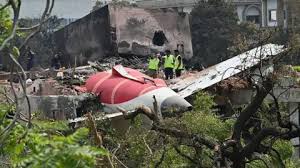
A malfunctioning pilot seat has been identified as the cause of the fatal Air India Boeing 787 crash that claimed 270 lives, according to a preliminary investigation report.
The report revealed that a faulty locking mechanism caused the captain’s seat to slide backward during takeoff. As the seat abruptly shifted, the captain’s hands unintentionally pulled the throttle levers into idle, cutting engine thrust just seconds after liftoff. The sudden power loss led the aircraft to stall and crash into a nearby building housing medical workers.
+26 seconds: Aircraft stalls at an altitude of 214 feet
Efforts by the co-pilot to recover control were hindered by the captain’s reclined position, according to the report.
Investigators also pointed to critical design flaws in the Boeing 787’s throttle system, noting the absence of safety mechanisms such as reverse-motion protection and weight-based throttle lockouts.
In response to the findings, aviation regulators — including the FAA and EASA — have ordered immediate inspections of all Boeing 787 pilot seats. Air India has grounded 12 aircraft with similar maintenance histories, while Boeing has pledged to redesign the pilot seat by 2026.
The crash resulted in the deaths of passengers, crew members, and residents of the impacted building. A British national was the sole survivor of the tragedy.
A final report is expected in July, with global aviation authorities vowing stricter inspection protocols and broader safety reforms across the industry.
A preliminary assessment by the US Department of Defense has revealed that recent American airstrikes on Iran’s nuclear sites fell short of eliminating the country’s nuclear capabilities, merely delaying its progress by a few months.
According to intelligence sources cited by CBS News, Iran’s enriched uranium stockpile remains intact, and only minimal damage was inflicted on its centrifuges. The US military had targeted three critical nuclear facilities — Fordo, Natanz, and Isfahan — deploying “bunker buster” bombs intended to penetrate deep underground structures. However, officials confirmed that the bulk of the destruction was confined to surface-level infrastructure.
While the entrances to two facilities were sealed and some equipment damaged, most of the sensitive underground machinery reportedly escaped significant harm. The Pentagon’s findings suggest that Iran’s nuclear programme is still operational and could resume at full pace with time and resources.
Despite the report, the White House strongly rejected the assessment. President Donald Trump dismissed the leaked analysis as misinformation spread by a “low-level loser in the intelligence community,” asserting that the sites were “completely destroyed.”
“This is one of the most successful military strikes in history,” Trump claimed, while Defence Secretary Pete Hegseth reinforced that the campaign “obliterated Iran’s ability to create nuclear weapons.”
Not all US officials agreed. Democratic Congressman Brad Sherman questioned the effectiveness of the strikes, noting the lack of clarity on whether the attacks neutralised Iran’s uranium stockpile or its long-term production capacity. “All indications, including Vice-President Vance’s statement, suggest we didn’t get the stockpile,” he said in an interview with the BBC.
Iran, for its part, downplayed the impact. A senior official at Iran’s state broadcaster claimed the targeted sites had been evacuated in advance, and critical materials were relocated, thus avoiding a “major blow.”
Meanwhile, conflicting accounts have emerged. An Israeli source quoted by Saudi media outlet Al Hadath alleged that most of Iran’s enriched uranium was buried under rubble — a claim not yet corroborated by satellite imagery, which shows surface-level craters but no conclusive evidence of deep underground damage.
David Albright, head of the Institute for Science and International Security, noted that while the attack disrupted Iran’s programme, rebuilding was possible with sufficient investment and time. He warned that Iran remains under tight international surveillance and could face further strikes if nuclear activities resume.
In retaliation, Iran launched missiles at the Al-Udeid Air Base in Qatar, which hosts US troops. The attack was intercepted, and no casualties were reported.
Despite the Pentagon’s more cautious assessment, both the US and Israel continue to frame the strikes as a strategic success. Israeli Prime Minister Benjamin Netanyahu declared that two “existential threats” — Iran’s nuclear and missile capabilities — had been significantly reduced.
The developments have further escalated regional tensions and cast doubt on the possibility of renewed nuclear negotiations, with Iran’s Supreme Leader recently expressing skepticism over any future dialogue with Washington.
Let’s face it—waiting for the next iPhone drop is basically a corporate holiday at this point. For business-class professionals and the tech-savvy crowd alike, the yearly Apple keynote isn’t just about gadgets; it’s about timing your upgrade, securing that pre-order slot, and staying ahead in the digital arms race. So, when will Apple officially launch the iPhone 17 lineup? Buckle up, because we’re about to lay it out.
Let’s start with what we know, or at least what we’re 90% sure of. Apple’s iPhone keynotes always land in the first half of September—except when they don’t, but we’ll get to that. It’s tradition at this point, like budget meetings in Q4 or surprise audits in May.
Now, this year’s keynote? All signs point to Tuesday, September 9, 2025. If Apple sticks to form (and it usually does), this is the sweet spot. It’s post-Labor Day, it dodges 9/11, and it avoids overlap with Berlin’s IFA expo—because let’s be honest, no one’s skipping Berlin just to watch Tim Cook say “Good morning.”
Some whispers online even say Monday, September 8, could sneak into contention. But Tuesday feels right. If you’re the type who likes to pencil in these things like it’s earnings season, mark that down.
2. Which Models Are Coming? More Than Just the Basics
Okay, let’s clear up the naming conventions because Apple doesn’t always make it simple. You’re not just getting an “iPhone 17.” You’re looking at:
iPhone 17 (base model)
iPhone 17 Pro
iPhone 17 Pro Max
iPhone 17 Air (or whatever slick marketing name Apple lands on for the ultra-thin variant)
No delays have been rumored so far, which is a relief—unlike in 2017 and 2018 when Apple staggered releases for the X and XR, respectively. Unless something dramatic happens in the supply chain (and let’s be real, with global logistics, it’s not impossible), you can expect all four to be announced at the same event.
3. So, When Can You Pre-Order This Thing?
Pre-orders usually open that same week. If the keynote is on Tuesday, September 9, you can expect pre-orders to go live Friday, September 12. That gives folks a few days to pick their model, argue over storage sizes, and stress over whether to go Graphite Black or Deep Blue.
Now, here’s an inside tip Apple veterans know: the “pre-pre-order” window often goes live the night before—Thursday, September 11 in this case. It’s not an official order window, but it lets you configure your phone so that you can check out faster when the real deal opens. Think of it as saving your shopping cart before Black Friday.
4. And the Actual Release? Mark Your Calendar
You’re probably wondering when you’ll actually get the phone in hand. Based on Apple’s historical rhythm, if the keynote happens on Sept. 9 and pre-orders open Sept. 12, then you’re looking at an official launch on Friday, September 19, 2025.
That’s when the trucks roll out, the lines form, and the FedEx delivery windows become sacred. Unless there’s a production snag (which, let’s not jinx it), all four models—regular, Pro, Pro Max, and Air—should drop on that date.
But—if Apple pushes the keynote to the following week for any reason, then expect a Friday, September 26 release instead. Less likely, but hey, it’s not off the table.
5. What’s Up With the iPhone 17 Air?
Now, this one deserves a little side-note. Rumors are swirling about the iPhone 17 Air—an ultra-slim, possibly ultra-light device that might just be the thinnest iPhone yet. Think of it as the MacBook Air of the smartphone world. Apple’s probably banking on aesthetics here, pitching to the crowd that cares just as much about feel as they do function.
Will it be cheaper? Maybe. Will it sacrifice battery for sleekness? Possibly. But style sells—and for professionals who want a secondary business phone that doesn’t bulk out their pocket, this might be the one.
6. iOS 26: The Software That’ll Tie It All Together
The iPhone 17 family will ship with iOS 26, which is already in its developer beta cycle. That’s important because Apple times the general release of iOS updates with new hardware drops. So, even if you’re not upgrading your phone, your existing one will likely feel new(ish) come mid-September.
Beta testers are already spotting new privacy settings, notification customizations, and tweaks to Siri’s tone—some say she’s less robotic, others say she’s just sassier. Either way, the software will land around the same time, so expect a refresh across devices.
7. Looking Ahead: iPhone 18 Will Shake Things Up
Now, here’s a curveball: 2026 might be the year Apple breaks its own rules.
CNET and other industry watchers have suggested that starting with the iPhone 18, Apple could change its release rhythm. Entry-level models might launch earlier in the year, while Pro versions arrive later—perhaps to give each tier its moment in the spotlight. For supply chain nerds and launch planners alike, that’s a big deal.
If you’re the type who plans device budgets ahead—especially for corporate rollouts—this is something to keep in mind. This fall, though? You’re still safe. Expect all four iPhone 17 models together, just like it’s always been.
Wrapping Up — So, What Should You Do?
Let’s be honest. Whether you’re buying for yourself, your team, or your brand’s image (yes, we see those mirror selfies with the Apple logo peeking out), timing your upgrade right matters.
Here’s the short version:
Keynote Date? Probably Tuesday, September 9, 2025
Pre-Orders? Friday, September 12
In-Store/Delivery Release? Friday, September 19
Models Dropping? iPhone 17, 17 Pro, 17 Pro Max, and likely the 17 Air
Next Year? Might be the end of the “fall drop” era as we know it
So—set your reminders, charge your wallet, and maybe start deciding now if you really need 1TB of storage. Because once Apple fires that starter pistol, it’s every early adopter for themselves.
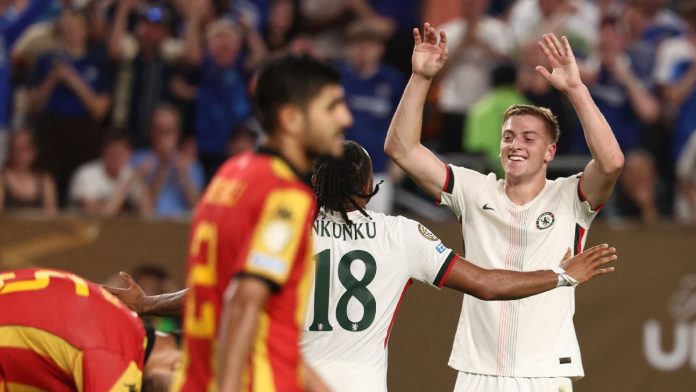
Chelsea FC booked their place in the last 16 of the FIFA Club World Cup with a confident 3-0 triumph over Tunisian giants Esperance on Tuesday evening. The match, held at Lincoln Financial Field in sweltering conditions, saw goals from Tosin Adarabioyo, Liam Delap, and Tyrique George as the London side bounced back from their recent loss to Flamengo.
Head coach Enzo Maresca’s team displayed control and composure in a match that tested players’ endurance due to extreme heat, with temperatures hovering around 30°C (86°F) even late into the night. The win confirms Chelsea’s second-place finish in Group D behind Flamengo and eliminates Esperance from the competition.
Delap Opens Chelsea Account in Style
The match marked a milestone for 21-year-old forward Liam Delap, who netted his debut goal for Chelsea in only his third appearance since joining from Ipswich Town. Delap, who previously missed clear opportunities against Flamengo, was praised by Maresca for his positioning and persistence.
“He had three great chances against Flamengo, and that tells us he’s in the right place. We know he’ll score goals — there’s no doubt,” said Maresca in his post-match comments.
Breakthrough Before the Interval
Despite Chelsea’s dominant possession in the first half, it wasn’t until injury time that the deadlock was broken. A well-placed free-kick by Enzo Fernandez found Adarabioyo, whose header nestled in the bottom corner for the opener in the 45+3rd minute.
Moments later, Fernandez turned provider again. His quick pass found Delap with his back to goal — the forward spun expertly and buried a low strike past Esperance goalkeeper Bechir Ben Said, doubling Chelsea’s advantage just before the whistle.
Late Flourish Seals Victory
With both sides making several substitutions, including Mamadou Sarr and Andrey Santos getting rare minutes for Chelsea, the Premier League club remained firmly in control. Santos nearly made an impact with a shot that was initially awarded as a penalty following a handball — only for VAR to reverse the decision.
The third and final goal arrived deep into stoppage time when Tyrique George took advantage of a goalkeeper error to cap off the night for Chelsea in front of a 32,937-strong crowd.
Rotations Amid Blistering Heat
Maresca made eight changes to the starting XI following the Flamengo loss, citing the extreme weather conditions in Philadelphia as a key reason. Only Delap, Fernandez, and Malo Gusto retained their spots as fresh legs were introduced, including young defender Josh Acheampong, who came close to scoring in the first half.
“I said it before — rotating the squad was non-negotiable under these conditions. The guys who played did well, and now it’s about recovery and focus for the next challenge,” Maresca explained.
Benfica Await in Round of 16
Chelsea now shift focus to their Round of 16 clash with Portuguese champions Benfica in Charlotte this Saturday. Benfica earlier topped Group C with a win over Bayern Munich, setting up a mouth-watering encounter between the two sides.
It will be the first meeting since Chelsea edged Benfica in the 2013 UEFA Europa League final, and Maresca knows the road ahead only gets tougher.
“Benfica are a top-tier club with quality players and an excellent manager. From 32 teams, we’re now in the last 16, and our next goal is to reach the quarterfinals,” Maresca added.
Should Chelsea progress, they’ll face either Palmeiras or Botafogo of Brazil in the quarterfinal stage.
Esperance Coach Reflects
Despite the defeat, Esperance head coach Maher Kanzari remained proud of his team’s efforts against one of Europe’s elite.
“We faced a world-class opponent and couldn’t match their level tonight. Still, we didn’t embarrass ourselves,” said Kanzari.
As Chelsea continue their journey in the Club World Cup, Maresca and his squad remain focused on building momentum and chasing global glory.
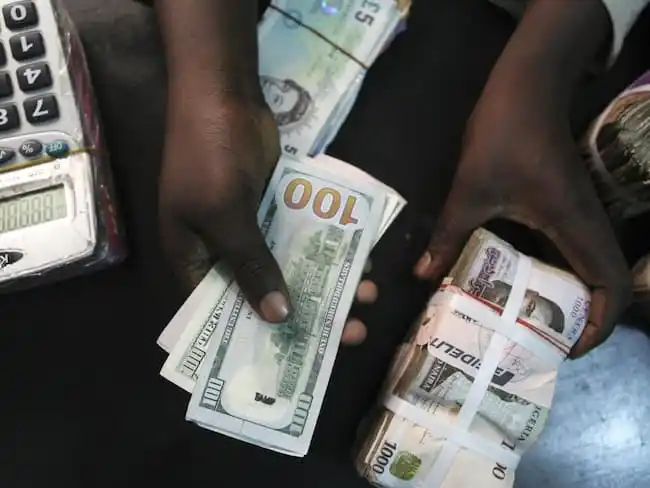
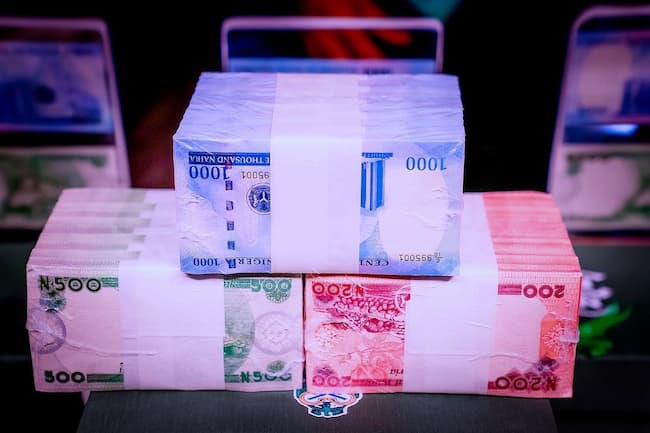
The exchange rate between the Naira and the US dollar, according to the data released on the FMDQ Security Exchange, the official forex trading portal, showed that the naira closed at 1605.00 per $1 on Wednesday, June 25th, 2025. The naira traded as high as 1547.00 to the dollar at the investors and exporters (I&E) window on Tuesday.
Dollar to naira exchange rate today black market (Aboki dollar rate):
The exchange rate for a dollar to naira at Lagos Parallel Market (Black Market) players buy a dollar for ₦1580 and sell at ₦1605 on Tuesday 24th June, 2025, according to sources at Bureau De Change (BDC).
Please note that the Central Bank of Nigeria (CBN) does not recognize the parallel market (black market), as it has directed individuals who want to engage in Forex to approach their respective banks.
Dollar to Naira Black Market Rate Today
Dollar to Naira (USD to NGN)
Black Market Exchange Rate Today
Buying Rate
₦1580
Selling Rate
₦1605
Dollar to Naira CBN Rate Today
Dollar to Naira (USD to NGN)
CBN Rate Today
Highest Rate
₦1550
Lowest Rate
₦1547
Please note that the rates you buy or sell forex may be different from what is captured in this article because prices vary.
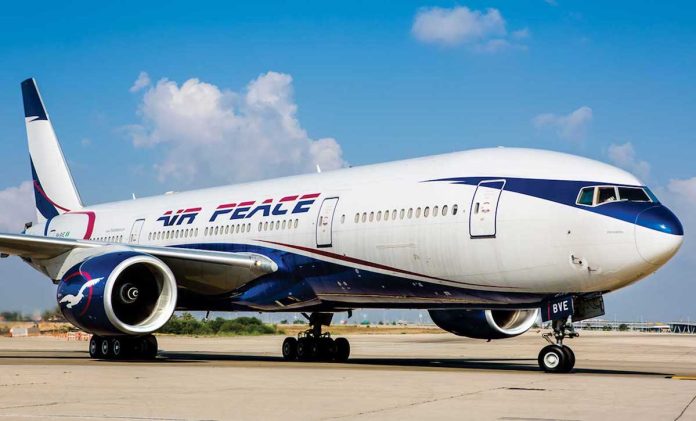
Air Peace has taken delivery of its first Embraer 190 aircraft, marking a significant step in its fleet expansion and commitment to strengthening regional operations. A second aircraft of the same model is expected to arrive by July 2025.
The 118-seater jet, registered as 5N-CEF, landed at the Murtala Muhammed International Airport in Lagos on Sunday. This is the first time the airline is incorporating the Embraer 190 into its fleet, which is aimed at enhancing connectivity across Nigeria and West Africa.
Speaking on the development, Air Peace spokesperson Osifo-Whiskey Efe described the acquisition as a strategic move to support the airline’s growing network. “This aircraft type introduces greater operational efficiency, environmental friendliness, and passenger comfort. With its 2-2 seating configuration and spacious, quiet cabin, it’s an ideal fit for many of our routes,” he said.
Efe added that the aircraft allows the airline to connect more cities seamlessly and improve service to underserved destinations.
He reiterated the airline’s long-term vision of improving air travel access across Nigeria through sustained investments in modern, efficient aircraft. “With over 30 aircraft in our fleet, Air Peace continues to lead the aviation sector in West Africa,” Efe said. “In May 2025, we achieved an average on-time performance of 85% across our domestic network, reflecting our reliability and dedication to quality service.”
Looking ahead, the airline plans to expand its operations further in the third quarter of 2025 with the launch of new domestic routes, increased regional coverage, and the introduction of additional international services—all anchored on its ongoing fleet growth.
In a major boost for Nigeria’s dairy industry and food security ambitions, Qatari dairy conglomerate Baladna has announced plans to set up a multi-million-dollar integrated food production facility in Ogun State.
The investment, which is expected to significantly reduce Nigeria’s dependence on dairy imports, was unveiled during a courtesy visit to Governor Dapo Abiodun in Abeokuta by a high-level delegation from Baladna, led by the company’s Head of Products and Solutions Architecture, Mr. Aidan Thomas Iynan, alongside the Executive Secretary of the Nigeria Investment Promotion Commission (NIPC), Aisha Rimi.
Speaking during the visit, Iynan noted that Baladna currently responsible for supplying over 95% of Qatar’s fresh dairy products, operates the world’s largest single-site dairy farm, powered by strategic investments from the Qatari government. He expressed optimism that Nigeria, with its rich agricultural potential, can replicate similar success.
Highlighting Baladna’s international expansion, Iynan referenced the company’s partnership with Algeria, which is projected to produce 1.7 billion litres of milk annually, meeting half of Algeria’s national demand. He said Nigeria’s dairy industry could achieve even greater results, especially amid the global climate crisis and growing food security concerns.
“We can build farms that are highly efficient, with world-class yields—not just in dairy and meat, but also in crop production,” Iynan stated. He added that the company’s visit was also to begin discussions on land acquisition and initiate feasibility studies in partnership with the Ogun State government.
Echoing the need for urgent action, NIPC boss Aisha Rimi noted that despite having Africa’s largest cattle population, Nigeria still imports between $1.3 billion and $1.5 billion worth of dairy annually. She cited ongoing reforms such as the National Dairy Policy, the newly created Ministry of Livestock Development, and the expansion of the National Livestock Transformation Plan as critical to repositioning the industry.
Governor Abiodun, in his remarks, welcomed Baladna’s entry into Nigeria, describing the company as the kind of strategic partner required to realise the Renewed Hope Agenda in agriculture.
“If you could meet 35% of Qatar’s milk demand in a single month and achieve total self-sufficiency within six, I am confident Nigeria will be no different. You won’t be dealing with deserts here; it’ll be a walk in the park.” He stated.
The governor assured the investors of his administration’s full support, promising a seamless collaboration that would accelerate the investment’s impact on job creation, GDP growth, and sustainable agriculture.
Baladna’s prospective entry is being hailed as a transformative step for Nigeria’s dairy value chain. The project is expected to modernise livestock systems, drive rural economic development, and position Ogun State as a hub for agribusiness excellence.
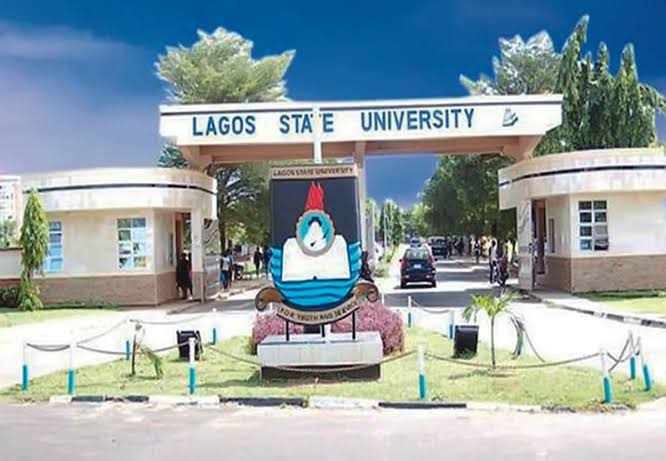
The Lagos State University Students’ Union (LASUSU) has reaffirmed its dedication to the welfare and development of students as it celebrates 35 years of impactful student leadership and advocacy.
Addressing journalists during a press conference to unveil activities lined up for the anniversary celebration, LASUSU President, Joldie Adebobola, described the milestone as a reflection of the union’s resilience and commitment to promoting inclusivity, leadership, and student-centred progress.
Adebobola highlighted the union’s achievements under his administration, including the execution of landmark infrastructural projects and student-oriented programmes aimed at enhancing campus life.
“Some of the key projects include the construction of sitting arenas at the Faculties of Education and Management Sciences, the installation of digital screenboards across campus, and the mounting of solar-powered streetlights to improve safety and visibility,” he stated.
The president also spotlighted initiatives such as LASUSU Mindwave, a mental health awareness summit that prioritises psychological well-being, and LASUSU Freshers’ Week, a vibrant welcome programme for new students designed to ease their transition into university life.
Beyond physical projects, Adebobola revealed that the union had successfully negotiated significant wins for students. These include a drastic reduction in the Nigeria University Games Association (NUGA) participation fee—from ₦10,000 to ₦1,000—and the cancellation of Computer-Based Test (CBT) fees for students in 200 to 400 level.
Looking ahead, the union president announced a series of transformative programmes in the pipeline, such as Ability Unleashed, an inclusion-driven initiative aimed at empowering students with disabilities, and the LASUSU Trade Fair, which will showcase and support student-led businesses.
“Additionally, preparations are underway for the official launch of the LASUSU Brigade,” he said. “This body will embody discipline and excellence, supporting traffic control, campus safety, logistics, and ceremonial duties within the university.”
The week-long celebration kicked off with the press briefing and includes a series of events such as an anniversary lecture titled ‘Redefining Student Leadership in the 21st Century: Challenges and Prospects’, a sports day, and Ojude LASU, a cultural day dedicated to celebrating identity, diversity, and heritage on campus.
Adebobola concluded by expressing gratitude to the student body for their trust and reaffirmed the union’s commitment to deepening its legacy of service, innovation, and responsive leadership.
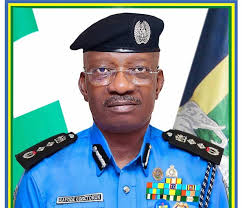
The Inspector General of Police (IGP), Kayode Egbetokun, has confirmed the arrest of 53 suspects linked to recent violent attacks in Benue and Plateau States, following a directive from President Bola Ahmed Tinubu for the immediate apprehension of all perpetrators involved in the killings.
Speaking at a press briefing on Tuesday at the Force Headquarters in Abuja, the IGP disclosed that the series of coordinated attacks occurred between June 13 and June 23, 2025. Contrary to earlier reports suggesting hundreds of casualties, Egbetokun clarified that police investigations revealed that 47 people were killed, 27 sustained injuries, and hundreds were displaced across affected communities.
He described one of the deadliest incidents as the June 13 invasion of Yelwata Community in Guma Local Government Area of Benue State, where armed militias stormed the area, killing residents indiscriminately and razing homes.
“This was a calculated, terror-fuelled assault on innocent civilians. In response, we swiftly deployed tactical squads, Special Forces, and Intelligence Response Teams to restore calm and track down those responsible.” Egbetokun said.
He confirmed that 26 suspects directly linked to the Yelwata massacre have been arrested. All are currently in custody and have reportedly confessed to their roles in the attack. Items recovered from the suspects include two General Purpose Machine Guns and eight AK-47 rifles, believed to have been used during the deadly raid.
The IGP said preparations were underway to arraign the suspects in court.
In another incident, nine people were killed and three injured on June 22, when a mob attacked a passenger bus travelling from Zaria through Plateau State. Police operatives intervened to rescue 22 other passengers from the attack. Twenty-two suspects have since been arrested in connection with the incident and will also face prosecution.
Egbetokun also confirmed the arrest of five individuals over the June 23 killing of two truck passengers in the Agan Area of North Bank, Makurdi, Benue State.
Decrying the surge in retaliatory violence and mob justice, the IGP described the trend as deeply alarming and warned that such actions threaten the rule of law and national stability.
“The recent trend of reprisal killings, where innocent citizens are murdered in retaliation for crimes committed by others, is barbaric, senseless, and dangerous; it does not bring justice—it only fuels hatred, inflames tension, and perpetuates violence.”
He condemned the rise in jungle justice and emphasised that no individual or group has the right to take the laws into their own hands. He reaffirmed the rights of all Nigerians to life, dignity, and fair trial.
Egbetokun vowed that under his leadership, the Nigeria Police Force would pursue all criminal elements, whether planners or executors, responsible for attacks on communities.
“We will leave no stone unturned until every individual responsible for the killing of innocent Nigerians is brought to justice. Nigeria will not bow to terror. Our people will not be silenced by fear. We are not retreating, we are advancing.” He said.
He urged the public to remain calm and continue cooperating with security agencies by providing credible information that could aid investigations and arrests.
The police boss reiterated that reinforcements have been deployed to sensitive areas in Benue and Plateau States to prevent further violence and reassure residents of their safety.
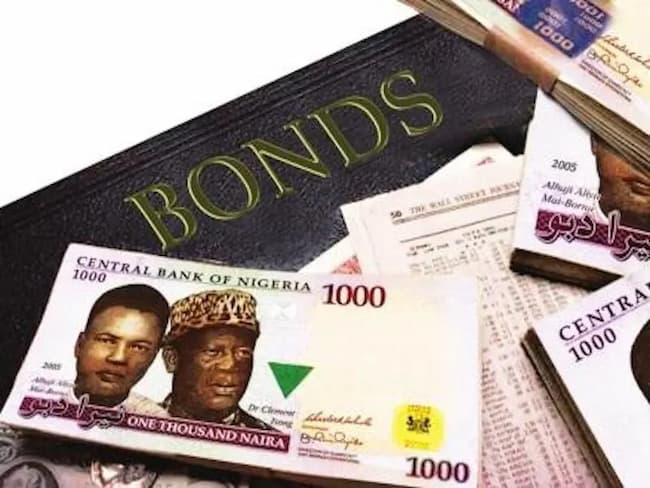
Yields on Federal Government of Nigeria (FGN) bonds took a notable dip in the secondary market this week as investors reacted to limited supply and unmet demand from the most recent primary auction led by the Debt Management Office (DMO).
A significant volume of bids at the primary market auction went unfulfilled, prompting investors to re-enter the secondary market aggressively in search of viable naira-denominated fixed-income assets. This development follows the release of the DMO’s Q2 issuance calendar, which hinted at a tighter-than-usual supply outlook for government bonds.
According to CardinalStone Securities Limited, while investors showed renewed interest in available bonds, their enthusiasm was somewhat restrained by relatively low coupon rates, resulting in cautionary optimism. The average bond yield dropped approximately 30 basis points compared to the final auction rate.
The secondary market experienced an overall decline in mid-tenor yields, sliding by around 12 basis points as trading levels adjusted to reflect the auction stop rates. On average, bond yields settled at 18.44% as investors recalibrated their positions.
Heightened demand followed the DMO’s allotment of ₦100 billion across the 2029 and new 2032 bond issues, priced at stop rates of 17.90% and 17.95%, respectively. This influx of activity led to a broader yield compression of 15 to 20 basis points across various maturities.
Financial analysts at AIICO Capital Limited noted that despite prevailing tight liquidity conditions in the market, demand for FGN securities remained strong. They projected that the fixed-income market would likely retain a mixed-to-bullish tone in the near term, driven by continued scarcity and investor repositioning.
“While some investor segments remain hesitant due to constrained liquidity and modest returns, the relative scarcity of fresh bond issues is pushing buyers back into the secondary space,” the firm explained.
The combination of unmet demand, constrained supply, and cautious but active trading points to a recalibrated yield environment, which could influence government borrowing strategies and monetary policy expectations heading into the second half of 2025.
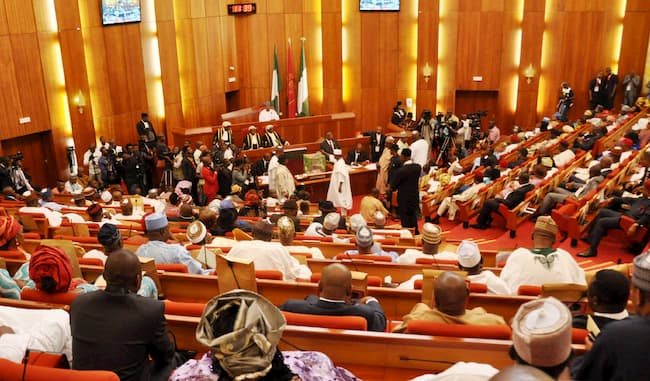
The Nigerian Senate has officially approved a second extension for the execution of the capital segment of the 2024 national budget, shifting the deadline from June 30 to December 31, 2025. This resolution emerged during Tuesday’s plenary session after lawmakers swiftly debated and passed an amendment bill to the existing Appropriation Act in a single sitting.
The legislative measure seamlessly progressed through all three readings without delay, signaling widespread agreement across the upper chamber. Deputy Senate President, Senator Jibrin Barau, confirmed the resolution following the Senate Committee on Supply’s report adoption.
Senator Solomon Adeola, who chairs the Senate Committee on Appropriation, led the motion and justified the need for an extended implementation period. He reminded the assembly that the capital component of the 2024 budget had previously been extended on December 18, 2024, and was originally set to expire by the end of June 2025.
Adeola noted that various ministries, departments, and agencies (MDAs) still had substantial allocated funds that remained unutilized. “This extension is crucial to ensure that these funds are fully and appropriately deployed,” he emphasized.
He further pointed out that several vital infrastructure projects across the country are nearing completion and require additional time to avoid becoming abandoned. “The amendment ensures that the capital budget remains active until the end of 2025 to allow these initiatives to reach their intended outcomes,” Adeola added.
During deliberations, Senator Yahaya Abdullahi (APC-Kebbi) raised concerns about delayed payments to contractors and workers who have completed government-related tasks. “People have committed resources and yet remain unpaid. This raises questions about possible cash flow issues,” he said. He called on the National Assembly leadership to engage President Tinubu directly on the matter.
Senator Abdul Ningi (PDP-Bauchi) echoed this sentiment, urging the appropriation committee to provide clearer insight into the country’s revenue situation. “We must understand whether these delays stem from revenue shortages or if other factors are impeding budget disbursements,” he said.
Supporting the extension, Senator Seriake Dickson (PDP-Bayelsa) highlighted the necessity of the move to prevent government activities from stalling. “While none of us are entirely satisfied with the prevailing financial management climate, this step is essential to maintain government operations,” he explained.
Concluding the session, Deputy Senate President Barau reiterated the Senate’s confidence in the Appropriation Committee’s oversight capabilities. He also lauded President Tinubu, describing him as a proactive and patriotic leader who would address the matter with urgency. “He is a leader who always acts in the best interest of Nigeria,” Barau stated.
The National Youth Service Corps (NYSC) has refuted claims that it extended the service year of a corps member, Rita Uguamaye, popularly known as Raye, as punishment for her public criticism of President Bola Tinubu’s administration.
Raye recently gained widespread attention on social media after posting a viral video on her TikTok account, @talktoraye, where she expressed deep frustration over Nigeria’s worsening economic crisis.
In the video, she lamented the rising cost of living and financial hardship, describing Lagos as a “smelly state” with poor living conditions. She also criticised President Tinubu, branding him a “terrible leader” and questioning the government’s efforts to alleviate citizens’ suffering.
Following the viral video, Raye alleged that she was being harassed by NYSC officials who reportedly asked her to take the video down. She claimed that she was being threatened for speaking out, although the NYSC has not officially commented on the allegation.
The situation sparked widespread reactions, with notable figures such as former Vice President Atiku Abubakar and human rights activist Omoyele Sowore condemning the alleged threats to her freedom of expression.
On Tuesday, Sowore shared a screenshot of a headline that read, “NYSC punitively extends Raye’s service year by 2 months for criticising Tinubu’s administration over hardship.” He described the alleged move as unacceptable and vowed to mobilise a protest at the NYSC Passing Out Parade if the matter was not addressed.
“This Asiwaju Bola Ahmed Tinubu regime might go down with Rita Raye’s National Youth Service Corps matter. We will mobilise down to the Passing Out Parade, except Rita is allowed to complete her NYSC national service without let or hindrance.” Sowore warned.
However, when contacted by PUNCH Metro, the NYSC’s Acting Director of Press and Public Relations, Carol Embu, denied any such extension had been approved. She explained that decisions regarding service extensions are made at the point of a corps member’s passing out and must follow established guidelines.
“Who is Sowore? Does he work with the NYSC?” Embu queried. “How can she be given an extension when she’s still serving? I don’t understand what you people are talking about.”
The NYSC’s clarification comes amid growing public discourse around free speech, youth engagement, and the consequences of government criticism in Nigeria.
The Nigeria Customs Service, Western Marine Command, has reinforced its maritime patrol operations to combat smuggling and protect Nigeria’s economic interests along coastal and inland waterways.
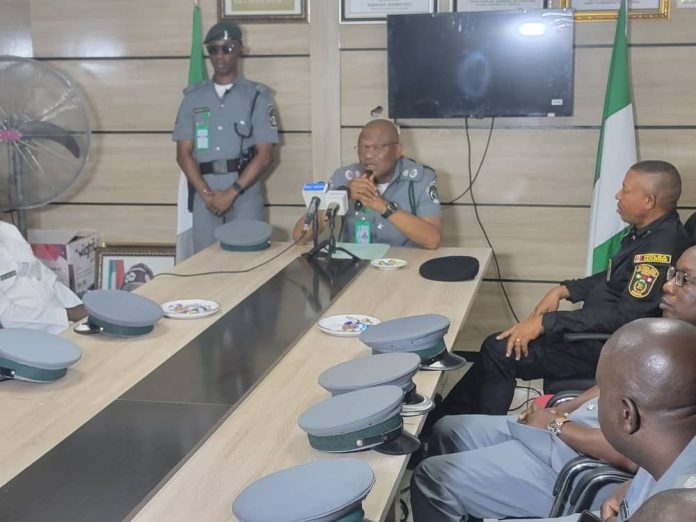
Speaking at a press briefing on Tuesday, 24 June 2025, at the Command’s headquarters in Ibafon-Apapa, Lagos, the Customs Area Controller (CAC), Comptroller Patrick Ntadi, announced that the Command recorded significant seizures with a Duty Paid Value (DPV) of over ₦352 million.
He noted that a series of coordinated operations along maritime routes led to the interception of smuggled goods, including narcotics, and prohibited imports.
His words, “These operations resulted in the interception of various shipments of illegal and smuggled goods which threaten the economic stability and social well-being of our nation.”
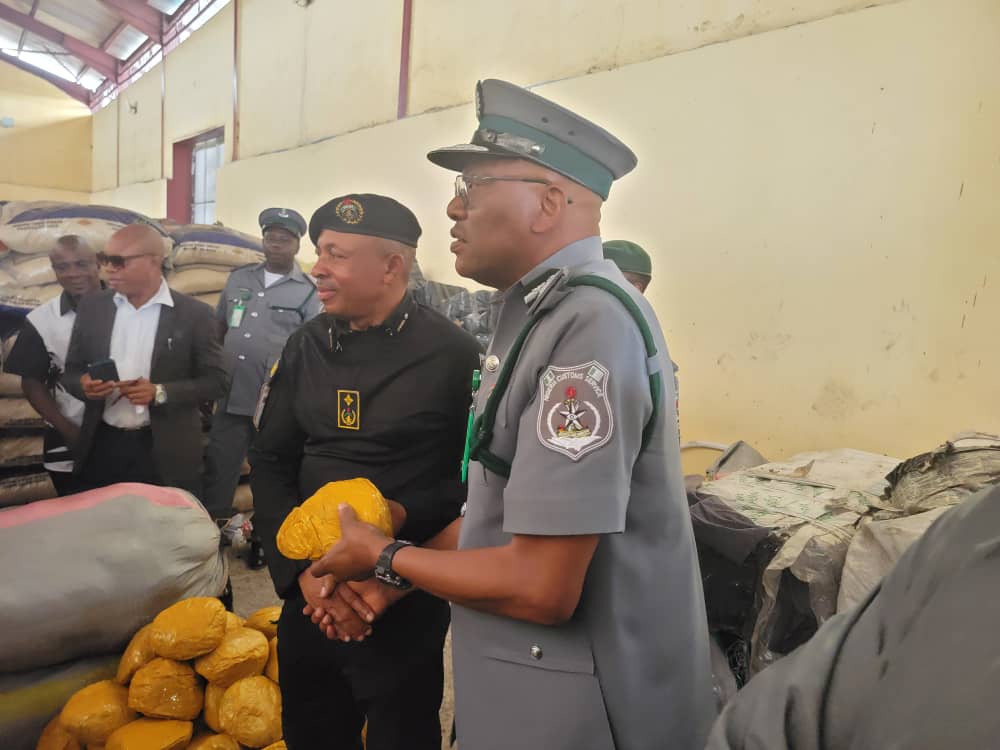
Details of the seizures include; 481 loaves of Cannabis Sativa, 2,017 bags of foreign parboiled rice, four locally constructed fibre boats, five wooden boats, 72 bundles of foreign textile material, and bags of sugar, with a total Duty Paid Value (DPV) of ₦352,952,200.
“These confiscations deal a significant blow to the criminal networks behind the illicit trade. They also reaffirm our commitment to protecting our borders and ensuring that lawful trade and commerce thrive within our economy”, the CAC stated.
Highlighting the operational success, Comptroller Ntadi credited the achievement to the motivational leadership of the Comptroller-General of Customs, Adewale Adeniyi, coupled with enhanced intelligence gathering and robust interagency collaboration.
He noted that the deployment of additional patrol vessels has boosted the Command’s operational efficiency, enabling officers to monitor hard-to-reach areas across the waterways.
The CAC urged citizens to remain vigilant and report any suspicious activity on the waterways.
On his part, the Acting Commander of the National Drug Law Enforcement Agency (NDLEA), Morrison Udoh, reaffirmed the importance of collaborative enforcement.
Udoh emphasised that stronger ties between agencies will enhance the fight against drug trafficking and broader smuggling operations.
The Nigerian naira continued its downward slide against the US dollar, falling to ₦1549.03 as demand for the greenback exceeded available foreign exchange (FX) supply. According to the Central Bank of Nigeria (CBN), transactions were completed within a tight band of ₦1547.50 to ₦1550.50 before the official rate settled at ₦1549.03.
This dip came despite CBN’s intervention, which saw $86.6 million injected into the FX market last week. Additional inflows came from foreign portfolio investors, exporters, and non-bank corporates. However, the last two days have seen significantly reduced market liquidity, triggering two consecutive days of exchange rate increases.
Data reveals that total weekly FX inflows stood at $1.03 billion, with foreign investors accounting for 67.29% of the total — their highest contribution in five weeks. This affirms consistent foreign interest in Nigeria’s fixed-income securities, as highlighted in a market report by Coronation Research.
Non-bank corporates followed with 13.36%, exporters contributed 10.87%, and other sources made up the remaining 0.17%. While inflows helped cushion demand pressure temporarily, market watchers believe the naira’s movement will depend on sustained capital injection by FPIs and corporate exporters.
Coronation Research noted that while mild appreciation is possible if inflows hold steady, persistent demand pressures could stall gains. The firm also highlighted the gap between official and parallel market rates as an ongoing concern, indicating a possible FX market imbalance.
Globally, crude oil prices experienced a significant drop amid easing geopolitical tensions. Brent crude tumbled by $3.29 (4.6%) to $68.19 per barrel, while West Texas Intermediate (WTI) crude slipped by $3.20 (4.7%) to $65.31.
The decline followed announcements of a ceasefire between Iran and Israel, though US President Donald Trump accused both sides of breaching the truce. Gold also dipped, shedding 1.6% to trade at $3,313.63 per ounce, reflecting reduced appetite for safe-haven assets.
Oil analysts predict that OPEC+ may soon approve a production hike of 400,000 barrels per day, which could drive oil prices down to the $60–$65 range due to rising global output and slowing demand.
The Economic and Financial Crimes Commission (EFCC) has taken into custody several former top executives of the Nigerian National Petroleum Company Limited (NNPCL) over an alleged $7.2 billion financial scandal linked to refinery rehabilitation projects in Kaduna, Warri, and Port Harcourt.
Umar Isa, the former Chief Financial Officer of NNPCL, was arrested for his role in the release of funds earmarked for the maintenance of the three major refineries. Also detained is Jimoh Olasunkanmi, former Managing Director of the Warri Refinery.
The arrests mark the beginning of an expansive probe into alleged abuse of office, misappropriation, and financial kickbacks involving former high-ranking NNPCL officials. Others under investigation include Tunde Bakare, Managing Director of the Warri Refinery; Ahmed Dikko, ex-MD of Port Harcourt Refinery; and Ibrahim Onoja, also a former MD of the Port Harcourt facility.
EFCC spokesperson Dele Oyewale was unavailable for comments at press time.
The arrests follow revelations from the Senate Committee on Public Accounts, led by Senator Aliyu Wadada, which flagged financial irregularities across multiple fiscal years of NNPCL’s audited statements from 2017 to 2023. Eleven formal queries have since been issued to the NNPCL’s finance department.
President Bola Tinubu had previously acted to overhaul the NNPCL Board on April 2, 2025, citing the need for institutional reform and operational efficiency. According to presidential aide Bayo Onanuga, the decision was aimed at improving investor trust, stimulating local content, and driving economic growth.
Among those dismissed was Group Chief Executive Officer Mele Kyari, who had served since July 2019 and turned 60 in January 2025. Despite public calls for his resignation, Kyari was retained until his eventual removal alongside Board Chair Pius Akinyelure and others appointed in November 2023.
The new leadership team includes Bashir Ojulari as Group CEO and Ahmadu Kida as non-executive chairman. Other members of the reconstituted 11-man board are Adedapo Segun, Bello Rabiu, Yusuf Usman, Babs Omotowa, Austin Avuru, David Ige, Henry Obih, Lydia Jafiya, and Aminu Ahmed.
The EFCC’s investigation may widen in scope as more NNPCL-linked projects come under scrutiny.
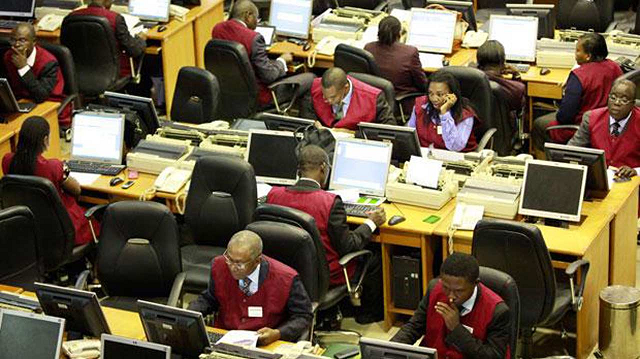
The total market capitalisation of the Nigerian Exchange (NGX) soared to ₦75.58 trillion on the heels of an impressive ₦764 billion gain, as local equities sustained a bullish rally. This surge was fueled by heightened investor demand, particularly in medium to large-cap stocks, leading the market to close on a high note once again.
Market momentum continued to build with the All-Share Index climbing by 1,211.17 points, settling at a historic peak of 119,790.82 — a 1.02% increase from the previous close. As of today, the year-to-date (YTD) gain stands at 16.4%, affirming growing investor confidence in the Nigerian bourse.
Driving the upward trend were substantial buying activities in notable stocks such as DANGSUGAR, OKOMUOIL, WAPCO, and ELLAHLAKES. This wave of interest pushed daily market performance indicators into strong positive territory.
According to market reports from Atlass Portfolio Limited, trading volume and value soared by 30.77% and 10.10%, respectively, compared to the previous session. A total of 854.77 million shares, worth ₦23.48 billion, changed hands across 21,933 deals.
ROYALEX topped the volume charts with 13.71% of total market volume traded, followed by FIDELITYBK (11.11%), ACCESSCORP (7.36%), ZENITHBANK (4.53%), and UBA (4.46%).
In value terms, OKOMUOIL dominated, accounting for 14.04% of the total turnover. DANGSUGAR, OKOMUOIL, UPDC, and BETAGLAS led the gainers’ list with 10% price increases. Close contenders included CHAMPION (+9.98%), ELLAHLAKES (+9.90%), CWG (+9.90%), NEIMETH (+9.83%), and CILEASING (+9.79%).
Meanwhile, DAARCOMM emerged as the worst performer of the day, shedding 7.81%. Other laggards included PRESTIGE (-5.56%), ARADEL (-4.06%), FIRSTHOLDCO (-3.93%), LEGENDINT (-2.87%), and VERITASKAP (-2.00%).
Market breadth closed significantly positive, with 61 gainers outweighing 22 decliners. Sector-wise, the industrial sector advanced the most, climbing 3.13%, followed by consumer goods (+2.01%), banking (+0.94%), and insurance (+0.06%). The oil & gas sector, however, declined by 1.51%.
The overall result was a ₦764.13 billion boost in market capitalisation, reinforcing the NGX’s strong performance trajectory.
In a new wave of fuel price adjustments, the Nigerian National Petroleum Company Limited (NNPC Ltd) and major downstream players have raised pump prices of Premium Motor Spirit (PMS), commonly referred to as petrol, with consumers in Abuja now paying as much as ₦945 per litre at NNPC stations.
Across Lagos, pump prices were similarly reviewed upward, with NNPC outlets selling PMS for ₦915 per litre — marking increases of ₦35 in Abuja and ₦45 in Lagos from the prior rates of ₦910 and ₦870, respectively.
Independent oil marketers have also joined the price hike, pushing rates to as high as ₦955 per litre in parts of Abuja, representing a jump of ₦60 from the earlier ₦895. In Lagos, independent filling stations are now dispensing petrol between ₦915 and ₦950 per litre, depending on location and operator.
In other South-Western states like Ogun, retail prices hovered between ₦915 and ₦950. Notably, stations linked with Dangote’s partners — including MRS, AP, and Heyden — were seen retailing at ₦925 per litre in Lagos and ₦935 in Ogun.
NNPC outlets also reflected the new pricing structure, despite claims from station managers that the current stock was procured before the price hike. According to multiple sources, filling stations are adjusting their prices preemptively amid fears of further volatility.
The revision comes on the heels of Dangote Petroleum Refinery’s recent increase in its ex-depot price of PMS, moving it from ₦825 to ₦880 per litre. This shift triggered an industry-wide ripple effect, culminating in revised pump prices across various channels.
In Abuja’s Kubwa area, the NNPC retail station at the Federal Housing junction displayed the new ₦945 per litre rate prominently, while another NNPC mega station on Obasanjo Way also reflected the revised pricing.
Lagos residents also reported new prices at several stations. In Igando and along the Badagry Expressway, NNPC-branded stations reflected the ₦915 rate. Meanwhile, MRS, one of Dangote Refinery’s distribution allies, raised pump prices to ₦925 per litre, up from the previous ₦875.
Other retail marketers were not left out. TotalEnergies now dispenses PMS at ₦910 per litre, while independent retailers like Oluwafemi Arowolo Petroleum in Iba have adjusted prices to ₦920.
There are growing indications that prices may climb even higher in the coming weeks. Supply hubs in Lagos — including Pinnacle, NIPCO, and Wosbab — have revised their ex-depot prices to between ₦920 and ₦925 per litre, citing a sharp uptick in upstream supply chain costs and international crude oil volatility.
Industry data from petroleumprice.ng revealed that Dangote Depot recently concluded sales at ₦905 per litre. Meanwhile, NIPCO Lagos saw the steepest increase with a ₦25 spike, translating to a 2.72% rise — the highest among surveyed depots.
Other depots such as Fynefield, TSL, and Ever posted depot rates as high as ₦940/litre, while WOSBAB, Rainoil, and First Fortune have attempted to hold prices steady at ₦920.
With deregulated market dynamics and ongoing instability, these recurring increases are raising inflationary concerns, especially for commuters and small businesses who now face higher operational costs and dwindling profit margins.
Globally, tensions between the United States and Iran have added a layer of uncertainty to oil markets. An alleged joint airstrike by U.S. and Israeli forces on Iranian nuclear facilities over the weekend has sent shockwaves across international energy markets.
In retaliation, Iran reportedly launched six missiles targeting U.S. military installations in Qatar and Iraq. The missile strikes caused loud explosions in Doha, prompting Qatar’s government to confirm the assault on the U.S.-operated Al Udeid base, calling it a “flagrant violation of sovereignty.”
Oil prices initially surged on the news, with expectations of supply chain disruptions pushing Brent crude to its highest level since January. However, prices later retreated, with Brent futures falling to $71.66 per barrel and West Texas Intermediate (WTI) dropping to $68.32.
Commenting on the ongoing market turbulence, Olatide Jeremiah, Chief Executive Officer of PetroleumPrice.ng, noted that “marketers are now engaging in speculative pricing due to heightened tension at the depots.”
He continued, “Depot-level price increases have become detached from crude oil price movements. While global crude prices have only risen by around 3%, depot fuel prices have jumped more than 10%. Eventually, these hikes will cascade down to the retail pumps.”
As Nigerians grapple with the growing cost of living, many are bracing for more adjustments in the price of petrol — a core driver of economic activity and household spending.
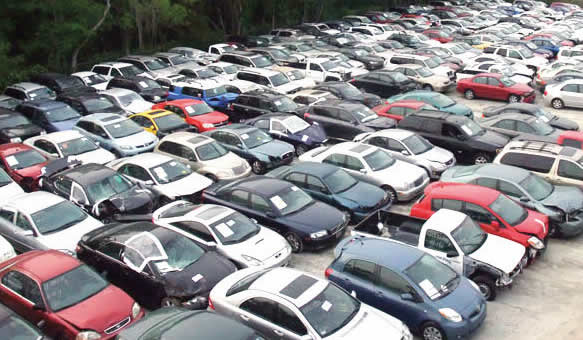
Buying a Tokunbo car in Nigeria—whether it’s from Berger in Lagos or shipped directly from Cotonou—is like threading a needle in a storm. You’re hoping for good value, but one overlooked issue and boom—your “sweet deal” becomes a money pit.
Now, that’s not to scare you, but let’s be honest: in Nigeria, used cars come with stories. Some good, some tragic. Your job? Figure out which is which before the money changes hands. So, let’s get into the nitty-gritty—the 11 checks you should absolutely, positively, without-fail run through before you buy a Tokunbo vehicle in Nigeria.
1. Start With the VIN or Prepare to Be Sorry
Think of the Vehicle Identification Number (VIN) as the car’s DNA. Every scratch, crash, and cross-country haul—it’s all recorded. Get that number and plug it into a platform like AutoCheck, Carfax, or even local services that give you access to import and accident history.
If a seller hesitates to hand over the VIN or gives you a report that looks sketchy, don’t rationalize it—just walk away. There are too many decent options out there to start your car-buying journey with suspicion.
2. Pop the Hood—Don’t Just Gawk at the Body
This isn’t a beauty contest. That shiny exterior might be hiding an engine that’s practically coughing its last breath. Here’s what you need to do:
Pull out the dipstick and check the engine oil—dirty oil means poor maintenance.
Look under the car for leaks—oil, coolant, transmission fluid. Any of those is a bad sign.
Start the car and listen closely. A steady hum is fine. Rattling, loud ticking, or smoke? Problem.
One more thing—don’t let the seller rush you. A proper engine check takes time.
3. Check the Chassis Like You’re Looking for Clues in a Crime Scene
Because frankly, you are. Bent frames, weld marks, rust under the body—these are the footprints of past accidents. Some sellers do a great job cleaning up the surface but forget the underside tells a deeper story.
If the car was imported from snowy parts of the U.S. or Canada, be extra wary—salt from winter roads is a silent killer of chassis steel.
4. The Transmission Test Is the Deal Breaker
Take it for a spin. Not around the corner—an actual test drive on open road. Pay attention to how it shifts. Automatic? It should be butter-smooth. Manual? Gear changes should be clean and firm.
If you notice jerking, gear slipping, or weird sounds when accelerating—your wallet should start itching because a bad transmission is costly to fix.
5. Look Down—Your Tires Are Talking
Uneven wear on the tires often means more than just age. It could be:
Suspension issues
Wheel misalignment
Chassis problems
Bounce the car lightly. If it rocks excessively or you hear knocking sounds over bumps, the shocks might be gone. Suspension repairs aren’t cheap, especially if you’re fixing multiple components at once.
6. Dashboard Lights Are the Car’s Way of Begging for Help
When you start the car, all warning lights should come on for a second, then disappear. If any stay on—especially the check engine, ABS, or airbag lights—take that seriously.
Don’t guess. Use a diagnostic scanner or ask the mechanic to plug one in. That tiny blinking light could mean anything from a faulty sensor to a busted catalytic converter.
7. The Interior Tells You How the Car Was Treated
You can tell a lot about a car’s past by sitting in it for five minutes:
Sagging roof lining? Poor storage.
Faded dashboard? Sun exposure.
Torn seats or broken AC controls? Rough handling.
Damp smell or wet carpets? Flood damage. Run!
And let’s face it—if the previous owner couldn’t keep the inside tidy, you really think they changed the oil regularly?
8. Don’t Just Tap the Brakes—Test Them for Real
Brake performance isn’t something to guess. On your test drive, ask yourself:
Does the brake pedal respond quickly?
Any squeaking, grinding, or screeching?
Does the car pull to one side or does the steering wheel shake when you brake?
Nigerian roads are unpredictable. You don’t want to find out your brakes are weak when danfo drivers are swerving in traffic.
9. Paint Jobs Can Lie—So Can Body Panels
Look at the exterior in broad daylight, not in a dim car park. Here’s what to watch:
Different shades of paint on panels? Probably repainted after a crash.
Bubbling paint or rough textures? Body filler (putty)—a cover-up.
Use a small magnet to check metal panels. If it doesn’t stick evenly, the panel might’ve been filled or replaced.
Don’t forget the windshield and windows—cracks and fogging mean more expenses.
10. Documents Must Be Water-Tight, Not Half-Baked
This is Nigeria. If your car papers aren’t intact, you’re just borrowing problems. What you must confirm:
Original customs duty certificate
Bill of lading
Form M
Vehicle registration documents
Proof of ownership (plus the seller’s valid ID)
If the seller starts fumbling or says “Oga, I go bring am later,” politely say, “don’t worry, keep your car.”
FRSC won’t take “he said he’d bring it” as an excuse when you’re flagged down.
11. Always Bring a Trusted Mechanic—No Matter What You Think You Know
Yes, you’ve watched YouTube tutorials. Maybe you’ve even bought a car before. Still—bring a mechanic.
Why? They can:
Catch tampered odometers
Check for hidden accident damage
Tell you if the asking price is fair
Save you from buying a car that looks perfect but drives like a worn-out generator
Mechanics see things the average buyer won’t notice, no matter how “sharp” you think you are.
Final Thoughts
Here’s the thing—the Nigerian car market isn’t going anywhere. So why rush and regret? Ask questions, inspect thoroughly, and take your time. The more detailed you are, the better your odds of driving away with something you’ll actually enjoy—not just endure. And remember: A good Tokunbo car doesn’t just save you money—it gives you peace of mind. That’s priceless.