









Home Blog Page 168

100 Heartfelt Happy New Month Messages and Prayers for July 2025

Happy New Month July Messages

As Nigeria steps out of June and embraces the dawn of July 2025, a renewed sense of hope and reflection fills the atmosphere. Across homes, workplaces, and communities from Abuja to Lagos and beyond, the tradition of exchanging New Month messages remains a powerful cultural ritual—one that speaks to the soul of togetherness and optimism in uncertain times.

In many Nigerian homes, the first day of a new month is not just another date on the calendar—it’s a fresh opportunity for blessings, prayers, and renewed motivation. From emotional reassurances to faith-filled declarations, New Month greetings have evolved into cherished expressions of goodwill, resilience, and unity.

Whether shared through WhatsApp, SMS, or spoken over breakfast tables, these messages often bear powerful intentions: the hope for success, the prayer for peace, and the desire for joy in the journey ahead. They serve not only as a reflection of cultural warmth but also as emotional anchors in a world that often feels chaotic.

To usher in July 2025, BizWatch Nigeria has curated a list of 100 carefully crafted Happy New Month messages, wishes, and prayers that resonate with every heart—no matter where you are or what you’ve been through. These messages are suitable for friends, family, colleagues, clients, and even personal journaling. Each one is designed to uplift, encourage, and inspire as we all set new goals for the month ahead.

100 Heartfelt Happy New Month Messages and Prayers for July 2025

  1. Welcome to July! May this month open new doors of breakthrough, peace, and progress for you and your household.
  2. As July begins, may every step you take lead you closer to success and fulfillment.
  3. May the winds of July bring you favour, clarity, and contentment. Happy New Month!
  4. I declare divine answers to your secret prayers this July. Walk in confidence!
  5. July comes with a fresh start—may abundance and laughter fill your days.
  6. May God’s peace, which passes all understanding, guard your heart this entire month.
  7. Congratulations on seeing July! May this new month never bring you sorrow.
  8. It’s another opportunity to begin again. Happy New Month to you and your loved ones.
  9. Let July be filled with endless joy, growth, and prosperity for you.
  10. This month shall overflow with divine intervention, uncommon favour, and breakthroughs.
  11. May the supernatural locate your address and deliver blessings beyond your imagination.
  12. Your efforts shall bear fruit and stress will be replaced with peace.
  13. July marks your season of harvest—may you reap bountifully with gladness.
  14. Loss shall be far from you, and joy shall be your constant companion.
  15. Grace shall advocate for you where your words fall short. Happy New Month!
  16. Prepare for pleasant surprises—the heavens are smiling on you this month.
  17. You won’t need to compete to be seen. Your light will shine effortlessly.
  18. Let July replace every pain with gain and disappointment with destiny moments.
  19. Each day this month will deliver a reason for thanksgiving.
  20. Your steps this July will align with purpose, and doors of elevation will open.
  21. May divine favour speak for you this month like never before.
  22. Fresh hope and new courage will fill your heart this July.
  23. What was withheld from you before shall be released this month.
  24. Your household is covered with divine security and serenity.
  25. Every attack against your progress this month shall be null and void.
  26. This month begins the journey to your next level of greatness.
  27. Your helpers will find you, and your enemies shall fail in their plans.
  28. Welcome to a month where your petitions receive divine approval.
  29. In all you do this July, may you operate with wisdom and excellence.
  30. Smiles will not leave your face, and sorrow shall be far from you.
  31. May the universe conspire in your favour until your destiny is fulfilled.
  32. The Lord’s hand will carry you this month and lift you beyond limits.
  33. There shall be no tragedy near your home or heart.
  34. You shall move from one level of glory to another.
  35. Every dream shall take shape, and every effort shall yield fruit.
  36. Strength shall meet you in weakness; wisdom shall guide your decisions.
  37. July shall overflow with peace like a river and joy like a fountain.
  38. You will be remembered for honour and kindness.
  39. Your voice will be heard, valued, and respected in the right places.
  40. From mess to miracle—your transformation this month shall be evident.
  41. Your blessings will not be delayed. July shall be your reward month.
  42. That miracle you’ve waited for will come speedily and surely.
  43. You will walk in divine direction, sound health, and clear purpose.
  44. Grace shall accomplish what effort alone could not.
  45. This July shall be a platform for greater exploits in your life.
  46. Your needs shall be met and your barns shall overflow.
  47. Get ready for celebrations and uncontainable joy!
  48. Fresh opportunities will knock at your door throughout this month.
  49. You are shielded from evil and harm every day of July.
  50. Happy New Month! May testimonies never depart from your lips.

More Uplifting New Month Quotes and Blessings

  1. Like sunlight, your life will radiate positivity and purpose. Happy New Month!
  2. Wishing you days of laughter, nights of calm, and a heart full of gratitude.
  3. Everything you touch this month will blossom beyond expectations.
  4. May the riches of July overflow into every area of your life.
  5. New doors, new dreams, and new dimensions await you this month.
  6. Goodbye to the old—welcome July with open arms and high hopes.
  7. May heaven favour you in every sphere of your life this month.
  8. May this month begin a lifetime of joy, stability, and peace.
  9. Proverbs 4:18 – Your path shall shine brighter and brighter each day.
  10. Look forward with confidence and walk boldly toward your goals.
  11. Like eagles soar, you shall rise to new heights.
  12. The struggles of yesterday are replaced with the promises of today.
  13. Greet this new month with enthusiasm—your destiny awaits!
  14. Songs of victory shall fill your home this month.
  15. Step forward with boldness—this is your moment.
  16. Let God guide your steps and order your breakthroughs.
  17. Embrace sunny days and peaceful nights. Welcome to July.
  18. Conquer every challenge and pursue every opportunity.
  19. Believe in yourself—you’re more capable than you realize.
  20. Life is short—smile, love, forgive, and shine through this month.
  21. Seek divine direction in all your plans this July.
  22. Health, happiness, and fulfilment shall be your portion.
  23. Let go of yesterday and embrace the newness of today.
  24. Don’t just exist—thrive in this new season.
  25. Celebrate this new chapter. You’ve earned it.
  26. Shame is far from you; glory will crown your efforts.
  27. All forces against your destiny are rendered powerless this month.
  28. Expect the best. Prepare for testimonies. Happy New Month!
  29. Wealth, joy, and divine peace will locate you.
  30. The enemy’s plans over your life shall fail completely.
  31. Your family is built to win—this month proves it again.
  32. Stay confident. Heaven has your back this month.
  33. You will not miss any divine opportunities.
  34. Your expectations shall come to pass in full.
  35. All your endeavours this month will receive divine endorsement.
  36. Every loss shall be turned into gain. Trust the process.
  37. Like the unstoppable dawn, your rise is inevitable.
  38. You are a channel of blessing and a source of light.
  39. Laugh hard. Love deep. Live fully this month.
  40. Miracles will overtake you before July ends.
  41. This shall be your most impactful month yet.
  42. The months ahead will only get better—starting with July.
  43. July brings a fresh wave of testimonies for you.
  44. No one shall dim your light. Shine freely!
  45. Your name shall echo in rooms of influence and honour.
  46. You’ll accomplish what seemed impossible last month.
  47. Your joy will be full and your steps ordered.
  48. This month ushers in divine acceleration.
  49. Nothing will stand between you and your testimony.
  50. Welcome to a glorious July 2025—your month of favour and fulfilment.

Fluminense Knock Out Inter Milan To Advance To Club World Cup Quarterfinals

Fluminense secured their place in the quarterfinals of the FIFA Club World Cup with a shock 2-0 triumph over Italian giants Inter Milan on Monday, showcasing clinical precision in a high-stakes clash played in the sweltering heat of Charlotte, North Carolina.

The Brazilian club wasted no time in taking control of the match, striking as early as the third minute. German Cano capitalized on a deflected cross, rising to head the ball through the legs of Inter’s goalkeeper Yann Sommer from close range—an electric start that set the tone for the encounter.

Fluminense maintained the pressure throughout the opening half. In the 30th minute, Jhon Arias fired a shot that Sommer failed to hold, allowing Samuel Xavier a chance at the rebound, only for his effort to miss the far post by inches. Moments later, Ignacio thought he had added a second, but his goal was chalked off by the automated offside review system, with margins razor-thin.

Despite Inter Milan dominating possession, it was Fluminense who consistently created the more dangerous chances. Sommer was called into action again in the 62nd minute, denying Arias with a spectacular diving save to his left after a powerful strike from outside the box.

Inter Milan captain Lautaro Martinez nearly sparked a comeback with a late flurry of efforts. He forced veteran goalkeeper Fabio, still going strong at 44, into back-to-back saves in the 80th and 82nd minutes, and then rattled the post just moments later with a low-driven shot.

But Fluminense sealed the result in stoppage time. A throw-in led to Hercules finding space on the edge of the penalty area, and the substitute kept his composure to drill a low shot into the bottom right corner. The goal sent the Brazilian supporters in the stands into jubilation, as the South American side delivered a tactical and emotional masterclass.

Speaking after the game, Fluminense captain Thiago Silva expressed pride in both his teammates and his personal journey back from injury.

“It’s an emotional moment for me and for the team,” Silva told DAZN. “Just ten days ago, I didn’t know if I would make it. The medical staff worked hard to get me ready, and today we got our reward. We beat a top club in extreme conditions.”

With this result, Fluminense joins compatriots Palmeiras in the quarterfinal stage, marking a strong Brazilian presence in this year’s expanded tournament. They now await the outcome of the Manchester City versus Al Hilal fixture to determine their next opponent.

A potential rematch with Manchester City—who defeated Fluminense 4-0 in the 2023 Club World Cup final—could be on the cards if the English club advances as expected.

For Inter Milan, the loss concludes a difficult run of fixtures following their heavy 5-0 defeat to Paris Saint-Germain in the UEFA Champions League final just a month ago. They also finished narrowly behind Juventus in the Serie A title race.

Inter head coach Cristian Chivu acknowledged the team’s fight but admitted that tactical surprises and Fluminense’s defensive discipline made the difference.

“We gave everything we had, especially after conceding early,” Chivu said in his post-match comments. “They defended deep with five at the back and were incredibly structured. We tried changing formations and pushed harder in the second half with two strikers in a 4-4-2 setup. Still, today wasn’t our day.”

Fluminense’s progression sets up what could be a thrilling quarterfinal, with the South Americans brimming with confidence and momentum after toppling one of Europe’s elite.

Al-Hilal Stun Manchester City In Club World Cup Thriller As Saudi Football Claims Landmark Victory

In a night of extraordinary drama at the Camping World Stadium in Orlando, Saudi Pro League giants Al-Hilal pulled off one of the most remarkable upsets in Club World Cup history by defeating Premier League powerhouse Manchester City 4-3 in a gripping round-of-16 clash.

While Monday evenings in the United States are typically reserved for professional wrestling broadcasts, it was the beautiful game that delivered the night’s most riveting entertainment. Brazilian forward Marcos Leonardo netted the match-winner, sealing a historic victory that reverberated across continents and sent reigning English champions City crashing out of the tournament.

Broadcast pundit and former England international Andros Townsend captured the global sentiment during his commentary on DAZN: “Al-Hilal have just shocked the football world.”

The hero of the night, Leonardo, dedicated his performance to his mother, who recently emerged from a life-threatening condition after spending over two months in intensive care.

“It’s been a very tough period,” said Leonardo. “My mother spent 70 days in the ICU. Today, she’s doing well, and I thank God for that. When I scored, I thought of her immediately. She was able to watch the match tonight.”

For Al-Hilal head coach Simone Inzaghi, the victory marked a dramatic turnaround in fortunes. Just weeks ago, Inzaghi departed Inter Milan following a 5-0 Champions League final humiliation at the hands of Paris Saint-Germain. Still acclimating to life at Al-Hilal and without key players Salem Al-Dawsari and Aleksandar Mitrović due to injury, Inzaghi hailed the grit of his team.

“The players deserve full credit for this result,” Inzaghi said in his post-match remarks. “We knew Manchester City’s quality and that overcoming them would be like climbing Mount Everest without oxygen. But the boys gave everything on the pitch. This win is for Al-Hilal’s family, Saudi Arabia, and every supporter with us tonight.”

Al-Hilal earned their Club World Cup spot by winning the 2021 AFC Champions League. Though the newly expanded 32-team tournament has drawn mixed reviews, this latest fixture may have given it newfound legitimacy.

Initially trailing 1-0 at halftime—thanks to several critical saves by goalkeeper Yassine Bounou—Al-Hilal mounted a spectacular second-half comeback. Twice City equalized, but it was Leonardo’s decisive strike that ultimately settled the match.

As the final whistle blew, coaching staff and substitutes stormed the pitch in jubilation. Blue and white club flags waved alongside Saudi national colors in the stands, as fans chanted and sang long into the night. The concourses overflowed with supporters celebrating the victory, while Saudi journalists embraced emotionally inside the press room.

One reporter, overwhelmed by the moment, entered the media zone with raised arms, shouting “Mabrook!”—Arabic for “Congratulations”—as if unable to believe what had just unfolded.

The triumph marked the first time an Asian club had defeated a European side in an official FIFA tournament, breaking a long-standing trend: European teams had claimed 18 wins in 20 prior encounters, with the remaining two ending in draws.

A correspondent from Saudi sports outlet Arryadia described the win as “one of the greatest moments in the history of Saudi football,” though still placing it behind the national team’s unforgettable 2-1 upset over Argentina at the 2022 FIFA World Cup in Qatar.

Saudi Arabia’s ambitions in global football have been fueled by heavy investment. More than £700 million has been funneled into player acquisitions in the Pro League, and the signing of global superstar Cristiano Ronaldo by Al-Nassr in 2023 marked a new era for the sport in the Gulf.

The Kingdom is also set to host the 2034 FIFA World Cup, a decision surrounded by both excitement and controversy. FIFA President Gianni Infantino has defended the choice, suggesting that the tournament could help foster social progress in the region. Nonetheless, organizations like Amnesty International have raised serious concerns, calling the move “reckless” given Saudi Arabia’s human rights record.

FIFA’s fast-tracked and largely unopposed bidding process for the 2034 World Cup has drawn criticism for its lack of transparency. With Australia, the only other serious contender, withdrawing from the race, many felt the outcome was inevitable.

Back on the pitch, Al-Hilal’s players are now demanding global recognition. Serbian midfielder Sergej Milinković-Savić, who joined the club from Lazio in 2023, addressed the skepticism surrounding players choosing the Saudi league over Europe.

“Let’s see if they continue to criticize us,” Milinković-Savić said. “We’ve proven ourselves against Real Madrid, Salzburg, Pachuca—and now Manchester City. This league deserves respect.”

Senegalese defender Kalidou Koulibaly, who scored in extra time, emphasized that the team’s drive was never in doubt.

“We faced one of the world’s strongest teams tonight,” Koulibaly said. “But we knew we had the talent to compete. We just wanted to show the world what Al-Hilal is truly capable of.”

FG Yet To Engage GenCos Over ₦4.7tn Debt Despite Promises

Nearly two months after promising a meeting with power generation companies (GenCos) over the ₦4.7 trillion debt owed them, the Federal Government has yet to initiate any formal discussions.

Last month, government officials had indicated plans to pay ₦2 trillion of the debt before the end of the next quarter. However, GenCos have confirmed that no communication has been received regarding payment or the proposed meeting with President Bola Tinubu.

Joy Ogaji, Chief Executive Officer of the Association of Power Generation Companies, disclosed that the GenCos are still awaiting contact from the government, despite assurances made after a meeting with the Minister of Power in May, where immediate action on the debt was promised.

During the May meeting, it was stated that the government would clear part of the debt in cash, while the balance would be settled using financial instruments such as promissory notes over six months. However, as of now, no payments have been made, and no date has been set for the promised meeting with the President.

GenCos have repeatedly highlighted the challenges the debt has created, including difficulties in paying for gas supply, maintaining plants, and managing loans amid the naira’s depreciation and rising operating costs.

Currently, the government owes GenCos ₦2 trillion for power supplied in 2024, while legacy debts stand at ₦1.9 trillion. Documents show that between January and December 2024, GenCos issued invoices worth ₦2.7 trillion, of which only ₦762 billion was paid, leaving an outstanding ₦1.94 trillion and reflecting a recovery rate of just 28 per cent.

The debt burden has placed the power sector under severe strain, with some GenCos warning of possible shutdowns due to an inability to pay gas suppliers. Operators have also raised concerns about how the government plans to offset the debt, given that the 2025 budget allocates only ₦900 billion for the power sector.

Stakeholders warn that without urgent intervention, the liquidity crisis could lead to further instability in the power sector, undermining electricity supply across the country and derailing efforts to improve power generation capacity.

Oil Firms Remit N57bn To Host Communities In 2024 – NUPRC

Oil and gas companies operating in Nigeria remitted a total of N57.07 billion to Host Community Development Trusts (HCDTs) in 2024, the Nigerian Upstream Petroleum Regulatory Commission (NUPRC) has disclosed.

The remittance, representing three per cent of the companies’ actual annual operating expenditure for the preceding year, aligns with the requirements of the Petroleum Industry Act. With this latest payment, total contributions to the Host Community Development Trusts now stand at N65.15 billion, including N8.45 billion remitted in 2023.

According to the commission, 207 applications for HCDTs were received, out of which 154 trusts were approved, and 136 have been successfully registered with the Corporate Affairs Commission.

On project implementation, the report indicated that 32 fund managers have been approved to oversee disbursements, with 187 projects currently ongoing across the various trusts.

The NUPRC also highlighted ongoing work on its digital portal, HostComply, designed to support compliance tracking, fund allocation, reporting, and dispute resolution within the HCDT framework. However, key modules covering fund distribution matrices, conflict resolution, and ESG performance reporting are still under development.

“Significant progress has been made on HostComply. Data from the previous system has been migrated, and gaps are being progressively addressed. While some modules are operational, others such as dispute resolution and conflict management are still in development,” the commission noted.

Outstanding components include modules for fund managers, vendors, fines and penalties, ESG reporting, incident management, HCDT billing, sabotage value calculation, workflow approvals, and fund distribution matrices.

Reflecting on challenges encountered in the previous year, the commission stated that petitions and litigations delayed the incorporation of some HCDTs and the establishment of governance structures. Additionally, the delayed deployment of the HostComply portal hindered effective monitoring and stakeholder engagement.

The Host Community Development Trust framework, established under the Petroleum Industry Act 2021, aims to address the development needs of communities impacted by petroleum operations, promoting sustainable prosperity and peaceful coexistence between licensees and host communities.

In a separate update, the NUPRC reported that 361 contracts and procurements were carried out in 2024. Out of these, 170 projects were completed, one was terminated, while 190 remain ongoing.

CBN, Anti-Graft Agencies To Oversee Student Loan Disbursement

A committee comprising representatives from the Central Bank of Nigeria, the Economic and Financial Crimes Commission, the Independent Corrupt Practices and Other Related Offences Commission, and the Federal Ministry of Education has been established to monitor the disbursement of student loans to beneficiary institutions across the country.

The move aims to ensure transparency and accountability in the student loan process while safeguarding public funds.

According to the Nigerian Education Loan Fund (NELFUND), over N38.2 billion has been released to 206 institutions as institutional charges, separate from the N34.8 billion currently disbursed as monthly stipends to students under the scheme.

Director of Corporate Communications at NELFUND, Oseyemi Oluwatuyi, confirmed the committee’s formation, stating that it would oversee disbursement to ensure integrity, equity, and effective utilisation of the funds.

“The committee is tasked with monitoring disbursements to ensure integrity, equity, and effective utilisation of public funds in the implementation of the student loan scheme,” Oluwatuyi said.

He added that NELFUND remains committed to transparency, responsible governance, and collaboration with stakeholders to ensure that eligible Nigerian students receive the support they need to pursue their education.

So far, over N73 billion has been disbursed under the scheme in the form of institutional and upkeep loans, with 366,247 students currently benefiting.

US, Nigeria Strengthen Soybean Trade To Tackle Protein Deficiency

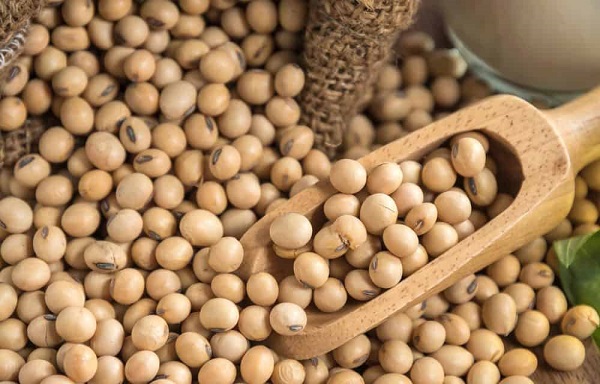
Protein Deficiency

The United States and Nigeria are deepening collaboration to address Nigeria’s rising protein deficiency through expanded agricultural trade, with a focus on US soybean exports. At the “Nigeria: NOW” conference in Lagos, hosted by the US Soybean Export Council, key public and private sector stakeholders—including poultry producers, nutritionists, and agribusiness leaders—gathered to discuss practical solutions to Nigeria’s protein gap.

Acting US Consul General in Lagos, JoEllen Gorg, described the event as “a pivotal milestone in creating a pathway for mutual prosperity and shared economic success.” She noted that by addressing Nigeria’s protein needs and promoting best agricultural practices, the US Soy industry is helping build a resilient agricultural sector that supports long-term food security and economic stability in Nigeria.

Gorg reaffirmed the US Mission’s commitment to connecting US agribusinesses with Nigerian firms, stating, “This partnership is crucial in helping export-ready US companies build business relationships with Nigerian agribusinesses, training Nigerians in new agricultural practices, and promoting the use of US soy in Nigeria’s feed and food industries.”

The event drew notable Nigerian leaders, including former President Olusegun Obasanjo, Oyo State Governor Seyi Makinde, and Lagos State Commissioner for Agriculture and Food Systems, Abisola Olusanya, highlighting the significance of the US-Nigeria partnership in addressing nutrition challenges.

Data presented at the conference showed Nigeria’s average protein consumption at 45.4 grams per person daily, below the global average of 64 grams and the FAO’s recommended 60 grams. With a population of over 236 million, the gap underscores the need for targeted interventions.

According to the USDA Foreign Agricultural Service, Nigeria’s 2023/24 soybean production was estimated at 1.15 million metric tons, falling short of domestic demand, particularly for animal feed. To address this, Nigeria resumed imports of US soybeans in 2024, bringing in 62,100 metric tons after a six-year break—a move stakeholders see as a promising step towards improving protein availability.

Jim Sutter, CEO of the US Soybean Export Council, emphasised the role of trade in supporting food security and economic growth, stating, “US Soy is at the forefront of collaborating with its partners as a reliable supplier.”

Robert Alpers, a generational US Soy farmer and United Soybean Board Director, highlighted the sustainability commitment of US farmers, saying, “We are committed to producing more using fewer resources while reducing our environmental footprint.”

The conference underscored that expanding targeted trade, strengthening trust, and exchanging knowledge between the US and Nigeria will help close the country’s nutrition gap while supporting food security and economic stability.

Complete Individual Cost To Attend A Nigerian Federal University In 2025

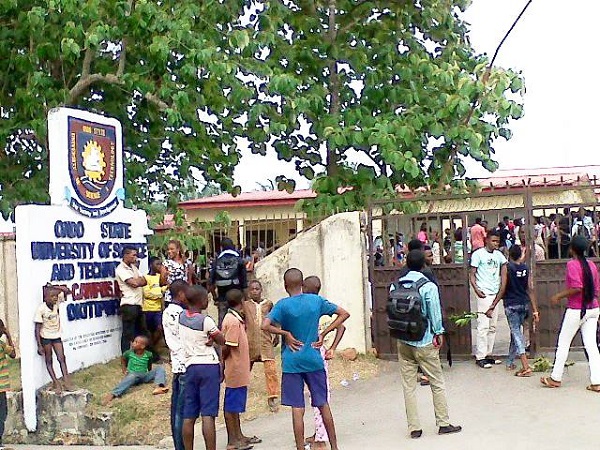
Ondo State University

So, you’ve finally got that admission letter into a federal university in Nigeria. Congrats! But after the confetti settles, reality kicks in—and one question starts ringing louder than a lecture hall microphone: how much is this going to cost me, really?

Let’s not sugarcoat it. With inflation still punching holes in everyone’s pocket and naira volatility refusing to chill, sending a child—or yourself—to university in 2025 isn’t as “cheap” as it once was. Federal universities may not charge the outrageous tuition of private institutions, but don’t be fooled—costs add up fast.

Here’s a brutally honest breakdown of what it actually costs to attend a federal university in Nigeria in 2025.

1. The “Welcome Package” You Pay for Yourself – Acceptance & Registration Fees

Here’s the thing: the celebration of getting into university ends abruptly at the bank counter. Once you’ve been offered admission, you’re expected to pay acceptance fees pronto—typically between ₦20,000 and ₦25,000.

Next comes a flurry of other compulsory payments—registration fees, student union dues, examination fees, departmental charges, you name it. That’s another ₦15,000 to ₦20,000 down the drain.

💡 Running total so far: ₦40,000–₦45,000

And we haven’t even started lectures yet.

2. Academic Fees – Not “Free,” Just Less Painful

Now, let’s talk tuition—or the version of it federal universities charge. It’s relatively low, yes, but don’t expect it to be a token amount anymore. Depending on your faculty, academic session fees range between ₦10,000 and ₦20,000. Engineering, law, and medical students, especially, see the higher end.

Add ₦5,000 to ₦10,000 for technology fees, departmental development levies, and—because this is Nigeria—some vague administrative “charges.”

💡 Running total: ₦15,000–₦30,000

3. Hostel Living – The Good, the Bad, and the Generator Noise

If you plan to live on campus, you’re in luck… kinda. Hostel fees are relatively affordable but comfort isn’t guaranteed. A shared room in an average federal university costs between ₦15,000 and ₦25,000 per semester. Want a bit more privacy? A private room will cost ₦30,000 to ₦40,000.

But wait—there’s more. Utility charges like water and light (because PHCN is never predictable) can tack on another ₦5,000 per semester, unless it’s somehow already covered.

💡 Hostel range: ₦20,000–₦45,000 per semester

4. Off-Campus Living – Freedom Isn’t Free

If you’re gunning for better amenities—or just can’t deal with sharing a room with four snorers and a broken ceiling fan—off-campus housing might be your plan.

But off-campus life means real-life rent. A shared flat near campus runs anywhere between ₦50,000 and ₦100,000 per semester, and landlords often demand 6 months’ rent upfront. Add ₦10,000 or more for NEPA bills, water, and possibly generator fuel.

💡 Off-campus living: ₦60,000–₦110,000 per semester

Let’s be honest—off-campus freedom comes with the hidden tax of survival.

5. Feeding – Eba Ain’t Free, My Friend

If you’re staying on campus and eating in the cafeteria, one meal typically costs around ₦1,000. Multiply that by three meals a day, and again by 150 days in a session… you’re already hitting ₦150,000.

Cooking for yourself off-campus sounds cheaper, right? Think again. Once you add gas, ingredients, and the occasional Uber Eats—sorry, “Mama Put” delivery—it shoots up. Off-campus students often spend ₦200,000 or more on food per session.

💡 Food budget: ₦150,000–₦200,000 per session

6. Textbooks, Handouts & The “Can I Photocopy That?” Life

You’ll need books. And you’ll pay for them. For a typical student, textbooks and materials cost ₦20,000 to ₦30,000. If you’re in a science, engineering, or health-related field, expect ₦35,000–₦40,000 thanks to lab manuals and specialised resources.

Then there’s final-year project costs—typing, printing, binding… all of it. Toss in another ₦5,000–₦10,000 when the time comes.

💡 Academic materials: ₦25,000–₦40,000 per session

7. Transport & “Soft” Expenses – The Hidden Drain

Transportation may seem minor, but it adds up like compound interest. If you take the campus shuttle (₦500 per ride), twice a day for 150 days, that’s another ₦150,000 just for moving around. That’s not counting trips to town, home during breaks, or emergency Uber rides when it rains.

Then you’ve got personal expenses—data, clothes, maybe the occasional suya and malt when life gets hard. This category is sneaky. It creeps past ₦30,000–₦50,000 without even trying.

💡 Transport & personal stuff: ₦180,000–₦200,000 per session

Okay, Let’s Crunch the Total

So, what are we looking at per session?

  • On-campus students (minimum): ₦560,000
  • Off-campus students (maximum): ₦670,000

That’s not counting strike breaks (which can mean extra rent or extra semesters) or surprise levies that pop up like uninvited guests. And yes—many students still rely on handouts from parents, side hustles, or scholarships just to keep going.

Planning Ahead: What Smart Students (and Parents) Are Doing Now

Many families are setting up termly savings goals so they’re not caught off guard. Some students are taking up part-time gigs—graphic design, online tutoring, or content creation—to cushion their pockets. And more parents are forming co-operatives or using thrift savings (ajo or esusu) to beat the semesterly squeeze.

And guess what? Some universities are testing digital textbooks and cashless meal vouchers, which might reduce textbook costs and limit cafeteria price hikes. Fingers crossed, right?

Final Thought: Education Still Matters—but So Does the Budget

No matter how you slice it, federal universities are no longer “almost free.” The good news is, with a little financial planning—and a lot of patience—you can survive and even thrive. You might even graduate without completely bleeding your parents dry.

Dangote Refinery Cuts Petrol Price To N840/Litre Amid Stabilizing Global Oil Market

The Dangote Petroleum Refinery has announced a reduction in the ex-depot price of Premium Motor Spirit (PMS), commonly referred to as petrol, slashing it from N880 to N840 per litre. This price cut officially took effect on June 30, according to a statement released by Dangote Group spokesperson, Anthony Chiejina.

The adjustment comes after a brief price hike in response to geopolitical tensions in the Middle East. Earlier, prices surged to N880 per litre due to the ripple effect of the Israel-Iran conflict, which caused crude oil prices to spike to nearly $80 per barrel.

Market analysts believe the new rate reflects a recalibration based on improving supply chain dynamics and reduced volatility in global oil markets. Fuel marketers and retail distributors aligned with Dangote—such as MRS, AP, and Heyden—are now expected to revise their pump prices to match the latest refinery pricing.

Industry sources had earlier indicated a likely shift in petrol pricing this week, and the updated rate reinforces ongoing efforts to ensure price stability amid Nigeria’s deregulated downstream sector.

The move is also seen as part of Dangote Refinery’s broader strategy to gain deeper market penetration by leveraging scale and efficiency, especially in a landscape marked by high import dependence and fluctuating forex rates.

Telcos Begin $1bn Network Upgrade As New Equipment Arrives

Telcos Urge FG To Remove Nuisance Tax On Recharge Cards

Nigeria’s major telecommunications operators have begun a $1 billion nationwide network upgrade, deploying equipment from Chinese manufacturers to tackle persistent service quality issues and expand digital access.

The Nigerian Communications Commission (NCC) confirmed that shipments of equipment started arriving in June, with deployment now underway as operators work to meet a year-end deadline for visible service improvements.

“The ordered equipment has started arriving, and deployment has already started in earnest,” said NCC Executive Vice Chairman Aminu Maida. “Operators are on course to meet the Q4 deadline for significant Quality of Experience enhancements.”

This large-scale investment marks a turning point for Nigeria’s telecom industry, which has struggled with underinvestment and financial strain due to inflation, rising energy costs, and foreign exchange challenges. The $1 billion spend more than doubles the previous year’s capital expenditure, following the approval of a long-awaited 50% tariff increase earlier this year, providing operators with the financial room to reinvest in critical infrastructure.

Operators are focusing on expanding 4G coverage, laying groundwork for broader 5G deployment, and reducing network congestion. The regulator has received and is monitoring deployment strategies from all major operators.

“As the regulator, we are collaborating closely with operators to streamline deployment plans, ensuring accountability while navigating the complex dependencies of a nationwide upgrade,” Maida noted.

The upgrades are expected to significantly improve call quality, boost internet speeds, and expand rural coverage for over 160 million telecom subscribers. The NCC highlighted that the investment will also advance Nigeria’s digital economy, valued at over $75 billion, by supporting broadband penetration and enhanced user experiences.

Maida acknowledged the scale and complexity of the effort, noting that importation, customs clearance, and deployment across Nigeria’s vast landscape require time and meticulous planning. However, he assured that subscribers will begin to notice service improvements before the end of the year.

“This is a significant undertaking, but Nigerians can expect clear improvements in service quality by year-end,” Maida stated.

Industry leaders have welcomed the upgrade, emphasizing its importance for subscribers and the wider economy. With the clearance of longstanding USSD debts by banks and the recent tariff adjustment, operators are now better positioned to fund critical infrastructure improvements.

However, industry experts caution that manufacturing and logistics timelines mean that benefits may take months to materialize fully. Equipment production can take up to 90 days, with shipping, customs, and regulatory clearances adding additional weeks, while on-ground deployments face site-specific challenges.

Despite these challenges, the upgrade is seen as a critical step toward achieving reliable connectivity, improved internet speeds, and resilient infrastructure in one of Africa’s largest telecom markets. The NCC emphasized that it will maintain strict oversight throughout the process to ensure that operators deliver on their commitments and that the benefits reach consumers across urban and rural areas.

SSANU Threatens Fresh Strike Over Withheld Salaries

The Senior Staff Association of Nigerian Universities (SSANU) has urged the Federal Government to immediately release the remaining two months of withheld salaries owed to its members who participated in the 2022 nationwide strike.

This demand was made in a communiqué issued after the union’s 51st National Executive Council (NEC) meeting held at Aliko Dangote University of Science and Technology, Wudil, Kano State, and signed by its National President, Mohammed Ibrahim.

SSANU also criticised the recurring delay in salary payments to federal university workers, who often receive their salaries weeks after other federal employees have been paid. The union called for the urgent harmonisation of salary payments across federal and state institutions to ensure fairness within the system.

Expressing disappointment over the government’s silence on the renegotiation of the 2009 FG/SSANU agreement, the union described the delay in resuming substantive discussions as unacceptable. It demanded the immediate recommencement and timely conclusion of the renegotiation process to address outstanding welfare concerns and prevent another industrial crisis in the university system.

SSANU further criticised the “inequitable” distribution of the ₦50 billion Earned Allowance, noting that only 20 per cent (₦10 billion) was allocated to non-teaching unions, including SSANU, NASU, and NAAT.

“This allocation is unjust, discriminatory, and fails to acknowledge the indispensable role SSANU members play in the effective functioning of Nigerian universities,” the communiqué stated, adding that the allocation violates the Memorandum of Understanding signed with the Joint Action Committee of NASU and SSANU in August 2022.

The union also condemned the government’s persistent disregard for Memoranda of Understanding and other duly negotiated agreements, warning that if the pattern continues, SSANU would be compelled to explore all lawful means to enforce compliance.

On national issues, SSANU expressed concern over the rising insecurity across the country, particularly the recent mass killings in Benue, Plateau, and other states. It called on the Federal Government to declare a national emergency on security, invest in modern security infrastructure, and address the root causes of violence, including poverty, youth unemployment, and social injustice.

Regarding the economy, SSANU noted that recent reforms, including fuel subsidy removal and currency unification, have worsened the cost of living for Nigerians, with inflation and rising food prices eroding workers’ purchasing power.

The union urged the government to implement targeted social protection measures, such as food subsidies, fuel vouchers, and conditional cash transfers, to cushion the effects on low-income earners.

“NEC calls on the Federal Government to demonstrate sincerity, commitment, and responsiveness in addressing our demands,” the statement read.

SSANU reaffirmed its commitment to promoting equity and good governance within the university system, adding that it would continue to protect the rights and welfare of its members across the country.

CBN Injects N745 Billion In OMO Bills Auction At Nearly 24% Yield

In a significant move to curb excess liquidity in the Nigerian financial system, the Central Bank of Nigeria (CBN) has successfully allotted N745.4 billion in Open Market Operation (OMO) bills to investors. The apex bank initially offered N600 billion across two tenors via a competitive auction, aiming to absorb the surplus cash flow in the money market.

This strategic issuance follows a period of robust liquidity, primarily driven by the absence of treasury bill auctions and the maturity of previously issued bills. As a result, the financial market was awash with funds, prompting the CBN’s intervention.

Reports from CardinalStone Securities revealed that investor appetite remained healthy, with a bid-to-offer ratio of 1.3x. The central bank ultimately sold only the longest-tenor instruments, offering a compelling stop rate of 23.99%—an attractive yield for institutional investors.

Market analysts have noted that this sizable allotment is likely to tighten liquidity in the banking sector ahead of fresh inflows from maturing OMO instruments. Over the past week, investor interest has intensified in the long-end of the curve, with yields dipping by 50 basis points to 25.90%.

Meanwhile, short- and mid-tenor OMO instruments recorded slight declines in yields—2 basis points and 12 basis points respectively—bringing them to 26.14% and 27.19% per annum. The average OMO yield, according to Coronation Merchant Bank, now stands at 26.41%, down from 26.70% the week before.

Liquidity levels in the Nigerian financial system ended the week on a high, closing at N1.58 trillion—up substantially from N401.22 billion—mainly due to the inflow from the Federation Accounts Allocation Committee (FAAC).

NNPC Ltd Reports ₦6 Trillion Revenue In May As Oil Output, Pipeline Projects Advance

The Nigerian National Petroleum Company Limited (NNPC Ltd) has posted a revenue of ₦6.008 trillion for May 2025, up slightly from ₦5.972 trillion in April, reflecting improved performance in crude oil and condensate production.

In its latest Monthly Report Summary, the national energy firm disclosed a 14% increase in profit after tax, which rose to ₦1.054 trillion in May compared to ₦926 billion the previous month.

The company recorded a steady rise in production, with crude oil and condensate output averaging 1.63 million barrels per day (mbpd), up from 1.61mbpd in April. Peak production for the month hit 1.72mbpd. While crude volumes held steady at 1.35mbpd, condensate output climbed to 0.28mbpd from 0.26mbpd.

Natural gas production inched up to 7.352 billion standard cubic feet per day (bscfd), compared to April’s 7.354bscfd. However, gas sales slightly declined to 4.185bscfd from 4.240bscfd.

On the trading front, crude oil and condensate sales witnessed notable growth, reaching 24.77 million barrels in May—up from 22.16 million barrels in April—marking the highest monthly sales since February.

Despite the positive upstream metrics, NNPC’s downstream operations showed strain. Fuel availability at NNPC Retail outlets dropped to 62% in May, down from 70% the previous month. Analysts attribute this to potential distribution or supply chain challenges amid the ongoing market-based pricing regime.

Strategic projects also saw continued progress. The OB3 gas pipeline project hit 96% completion, while the flagship Ajaokuta-Kaduna-Kano (AKK) pipeline reached 81%. Upstream pipeline availability remained resilient at 98%.

In a bid to reinforce its infrastructure, NNPC carried out turnaround maintenance across critical assets, including the Trans Escravos Pipeline and flow stations at OML 40 and OML 17.

The company also highlighted its Corporate Social Responsibility efforts. In May, the NNPC Foundation completed over 6,000 cataract surgeries nationwide, distributed startup kits to 531 NYSC members, and supplied advanced medical equipment to hospitals in Kano and Anambra states.

These developments underscore NNPC’s ongoing evolution into a commercially oriented, transparent national energy firm focused on delivering long-term value.

FG Launches 250-Unit Residential Project In Calabar Under Renewed Hope Initiative

Lagos Housing Scheme Seeks To Reduce Growing Deficit

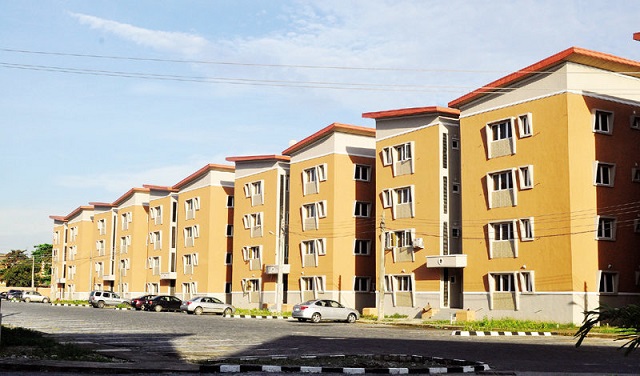
In a renewed effort to close Nigeria’s housing gap, the Federal Government has unveiled plans to develop 250 residential units in Calabar, the Cross River State capital. This development forms part of the national Renewed Hope Housing Scheme, an ambitious initiative designed to provide affordable, scalable housing for Nigerians.

Minister of Housing and Urban Development, Mr. Ahmed Dangiwa, disclosed this during a courtesy visit to the Obong of Calabar, His Eminence Edidem Ekpo Okon Abasi-Otu V. The minister stated that the project will be implemented in two phases of 125 units each, comprising one-bedroom, two-bedroom, and three-bedroom configurations. Each unit is designed with modular expandability, allowing future growth in alignment with occupants’ financial capacity and evolving family needs.

The scheme, a central part of the Federal Government’s broader plan to reduce the national housing shortfall, will also generate economic opportunities in the region. According to Dr. Francis Ekpenyong, the Head of the Renewed Hope Housing Programme, the project has been contracted to eight companies: four tasked with construction and the remaining four responsible for infrastructure like roads, power supply, and potable water systems.

Expected to be completed within six months, the housing initiative is projected to create at least 1,000 direct and indirect employment opportunities for Cross River residents, thereby boosting local economic activity.

Commending the government’s choice of Calabar for the scheme, the Obong of Calabar called for a timely and quality execution of the project. He further urged both the contractors and government officials to involve the local community in the process to ensure transparency and inclusiveness.

In a show of support, the Obong donated 25 hectares of land for the development, illustrating how traditional institutions can play a collaborative role in national development. Dr. Ekpenyong praised the gesture, highlighting that partnerships between government agencies and traditional rulers are vital for successful project implementation.

The Renewed Hope Housing Scheme is already underway in 12 other states, and the Calabar project is expected to serve as a benchmark for future developments across the country. With Nigeria’s housing deficit estimated at over 17 million units, this initiative represents a critical step toward sustainable urban development.

If effectively implemented and well-managed, the project in Calabar could significantly enhance housing access, elevate living standards, and spur broader economic benefits.

Nigerian Stock Market Contracts As Sell-Off Pressures Equity Investors’ Holdings

Stock Exchange Closes Trading Week With N30bn Gain

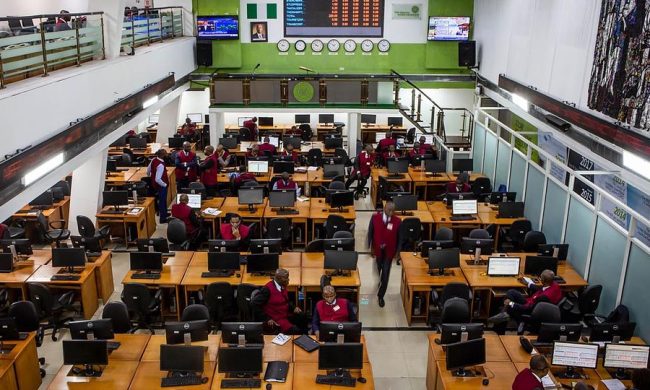
The Nigerian equities market began the week on a bearish note, as heavy sell-side activity led to a drop in market capitalization and investor wealth on the Nigerian Exchange (NGX). The bourse experienced a sustained decline for the third consecutive trading session, amid what analysts describe as an overbought market condition.

Stockbrokers processed a high volume of sell orders, leading to slight downward movement in key indices. The All-Share Index dipped by 17.19 points, settling at 119,978.57, while the overall market capitalization declined by approximately ₦10.89 billion to close at ₦75.95 trillion.

Despite the broad negative sentiment, market breadth remained marginally positive, with 32 stocks recording gains against 31 decliners. Analysts from Atlass Portfolio Limited noted that investors adopted a cautious approach in the absence of strong economic triggers, resulting in a sentiment-driven market environment.

Profit-taking was particularly evident in medium and large-cap equities in the banking and industrial sectors, which dragged the broader market. Sector-wise, the banking index led the losses with a 1.09% drop, followed by the industrial sector at 0.42% and oil & gas at 0.29%. Conversely, the consumer goods and insurance sectors provided some relief, gaining 0.79% and 0.69% respectively.

Nonetheless, trading activity surged significantly. Data showed that total trade volume skyrocketed by 224.70%, while trade value leaped by 246.87%. Over 2.03 billion units valued at ₦44.34 billion were exchanged in 25,172 transactions.

OANDO topped the volume and value charts, accounting for 26.16% of the total traded volume and 45.91% of total transaction value. Other major contributors included ACCESSCORP, UACN, ELLAHLAKES, and CAVERTON.

CWG emerged as the top gainer with a 10% increase, followed closely by CAVERTON, NEIMETH, FTNCOCOA, and MEYER, all of which recorded gains close to the daily cap. On the losers’ list, LEARNAFRCA posted a full-day loss of 10%, leading the pack of 31 declining stocks, which included JBERGER, LEGENDINT, VFDGROUP, and WAPCO.

While short-term sell-offs have weighed on the market, analysts maintain that underlying fundamentals remain strong. The market outlook remains cautiously optimistic, pending the emergence of significant economic drivers.

Naira Rallies As CBN Bolsters Forex Liquidity With $96 Million Injection

Federation Account Amasses Over ₦5trn In 6months- RMAFC

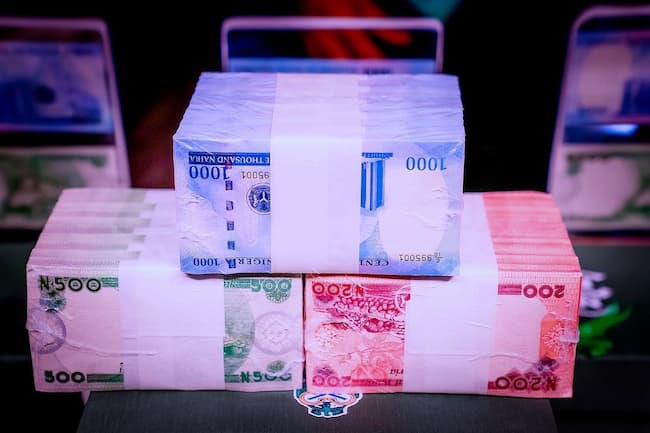
The Nigerian naira posted a gain against the US dollar following a $96.3 million intervention by the Central Bank of Nigeria (CBN) into the official foreign exchange (FX) market. This strategic move helped stabilize the naira amid cautious investor optimism and eased demand pressures in the FX window.

According to the latest data from the CBN, the official spot rate closed at N1,529.71 per US dollar on Monday, down from N1,539.23 recorded at the end of the previous trading week. Analysts attribute the naira’s appreciation to increased forex supply and renewed interest from foreign portfolio investors.

Coronation Research reported that FX inflows into the Nigerian market reached approximately $1.03 billion last week. Portfolio investors, who remain the dominant contributors to Nigeria’s FX liquidity for the sixth consecutive week, accounted for 36.98% of inflows. Non-bank corporates followed closely with 27.56%, exporters with 22.39%, and other sources comprising the remaining 13.06%.

The parallel market also reflected the trend, with the naira appreciating by 1.90% to settle at N1,575 per US dollar. Analysts believe that the continued inflow of funds from foreign investors and exporters has helped strengthen confidence in the naira and maintain liquidity in the FX market.

Despite a moderate decline in external reserves, market watchers expect the naira to remain relatively stable in the near term, buoyed by a mix of CBN intervention, foreign portfolio inflows, and corporate forex supplies.

Coronation analysts, however, flagged potential risks, including declining oil prices and fluctuating production levels, which could affect future FX receipts from crude oil exports. They emphasized that sustained investor interest in fixed income securities could further support the currency, provided FX reserve buffers are maintained and intervention strategies remain active.

The naira’s performance signals improving sentiment in the currency market, especially as the CBN continues efforts to stabilize the economy and restore investor confidence.

FG Sets August 1 Deadline For Visa Overstayers As Amnesty Portal Opens

FG Declares September 27 Public Holiday

The Federal Government has given foreign nationals in Nigeria until August 1, 2025, to regularise their stay or face stiff penalties under a renewed crackdown on visa overstayers. Interior Minister, Olubunmi Tunji-Ojo, announced on Monday that an online immigration amnesty portal would open in July, allowing foreigners with expired visas to legalise their status before enforcement begins.

“Once the amnesty period is over, we will implement the law 100 per cent, and there will be penalties for overstaying in Nigeria,” Tunji-Ojo stated during a stakeholders’ session on immigration reforms at the Nigeria Immigration Service headquarters in Abuja.

The minister urged diplomatic missions to inform their citizens to use the window to avoid fines and possible bans.

As part of broader immigration reforms introduced in April, the Federal Government began enforcing a $15 daily surcharge for each day a visitor overstays beyond the date stamped in their passport, with a three-month grace period extending to July 31.

From August 1, visitors who have overstayed will face accrued surcharges and entry bans: a five-year ban for overstays of six months and a 10-year ban for overstays of a year or more, according to NIS guidelines.

The amnesty portal will enable holders of expired visa-on-arrival permits, single-entry visas, and lapsed residence cards to apply online, upload supporting documents, and receive clearance without visiting immigration offices.

E-Visa System Gains Traction

Tunji-Ojo also revealed that over 14,000 visa applications have been processed in six weeks under Nigeria’s new electronic visa regime.

He emphasised that the e-visa system is designed to improve ease of entry, enhance transparency, and boost economic growth without compromising national security.

“When someone needs a visa to Nigeria, and all they seek is who knows the minister or the CG of Immigration, that is not how to grow a country. We must make it easy while protecting national security,” he said.

Cost Savings and Process Automation

The minister disclosed that the government saved nearly ₦1 billion annually by scrapping manual archiving of passport and visa documents in 2023, redirecting resources towards digital infrastructure and data integrity.

The passport automation initiative, which began in January 2024, has eliminated the need for physical forms and middlemen. Applicants now complete forms, pay fees, and upload documents online, with biometric capture and passport collection handled in streamlined 20-minute appointments.

By May 2025, 99 per cent of passport applications were processed end-to-end digitally, helping clear a backlog of over 200,000 passports and reducing opportunities for corruption.

“If you want to kill corruption, kill scarcity,” Tunji-Ojo noted, reflecting on how digital systems have removed bottlenecks that fuel graft.

E-CERPAC and TWP Set to Launch

The Federal Government is set to launch the electronic Combined Expatriate Residence Permit and Aliens Card (e-CERPAC) and an electronic Temporary Work Permit (e-TWP) within weeks, further digitising immigration services.

Tunji-Ojo warned against past practices where Temporary Work Permits were repeatedly renewed to evade the law, stating that automation will enforce compliance.

Immigration Service’s Technological Expansion

Comptroller General of Immigration, Kemi Nandap, highlighted new services under the e-visa regime, including online visa applications, e-CERPAC, Landing and Exit Cards, and digitised Temporary Work Permits.

“These digital solutions leverage technology to streamline processes, enhance security, and improve the experience for travellers and stakeholders,” she said.

She added that the e-CERPAC simplifies residence permit processes for foreign nationals, while digitisation of the Temporary Work Permit reduces processing time and increases efficiency.

With the phased rollout of these reforms, the Federal Government aims to enhance security, ensure compliance with immigration laws, and support economic growth by facilitating legitimate travel and investment in Nigeria.

Debt Is Up, Fuel Is Down, Hope Is On Hold — Welcome To H2!

It’s Monday, June 30, and here we are halfway through 2025, like reaching the apex of a rollercoaster that’s already given us enough ups and downs to last a lifetime. Nigeria’s economy is putting on a show: headlines are flashing sugar highs with stock rallies, bitter pauses in debt, and one-man performances from the biggest refinery on the continent, all playing out in front of a crowd that’s part hopeful, part exasperated, and all Lagos.

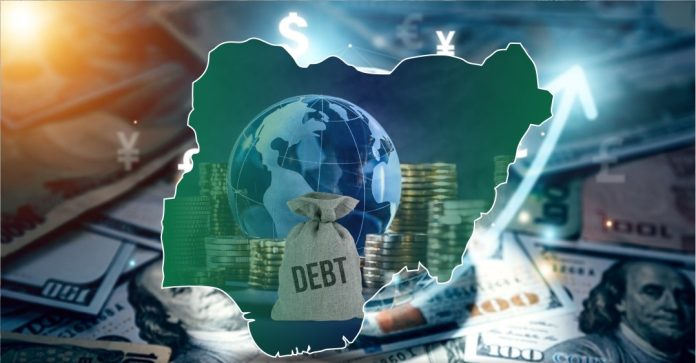
First stop: debt city. According to the Debt Management Office, as of March 31, Nigeria’s public debt sits at a face‑melting ₦149.39 trillion. That’s up ₦27.72 trillion from a year ago (a 22.8% jump) and another ₦4.72 trillion since December 2024. Imagine owing enough to buy every danfo, keke, and car in Lagos, and still needing more! The naira’s fall isn’t helping either: of that debt, ₦70.63 trillion is external, with the currency slump making that number look even more monstrous.

But it’s not all red lights. Over at Dangote Refinery, they’re playing hardball: come August 15, their 650,000-barrel-per-day plant rolls out direct fuel supply to marketers and heavy users, completely cutting out middlemen. They’ve invested around ₦720 billion in 4,000 CNG trucks and 100 new stations, promising to absorb over ₦1 trillion in yearly logistics costs. This means cheaper, cleaner fuel, and possibly 15,000 new jobs. But it also has traders sweating; some fear the refinery is about to pull a monopoly stunt.

And just when you think that’s the end of the gist, guess again! Dangote’s refinery has officially sent out its first major shipment of gasoline to Asia this month. Yes, we’re exporting now! Who says Nigerian-made products can’t make global waves?

So what does all this mean for the average Naija hustler? We’re hitting H2 with debt high on the national balance sheet, but there’s real potential for relief, if fuel prices finally drop and the refinery stays true to its promise. We’re seeing forward-thinking infrastructure, but also the risk of big boys squeezing out the little guys.

Meanwhile, we’re still coping with skyrocketing prices, generator fees, and those unending “I’m broke” texts at 2 AM. But we’re Nigerians, we adapt, invent, and laugh through it all. Debt becomes comedy (“Oya, where my share?”), bond auctions become chat group memes, and refinery headlines become Sunday night water‑cooler talk.

Now we roll into H2 with hopeful anxiety: we want that debt to flatten, the naira to stabilize, and Dangote’s bold moves to benefit everyone, traders, job seekers, fuel users. Until then, we’ll keep doing what we do best: joke, tag friends (“Market correction? Na market haircut”), and laugh softly at the absurdity of it all.

So here’s to the next 182 days: may they bring more wins than woes, more fuel in tanks than fuel in our jokes, and less debt on the national ledger, and hopefully more smiles in roadside chats.

Happy H2, Nigeria, let’s make the second half count!

How To Start Investing In The Nigerian Stock Market Before The Year Runs Out

NGX Records N60bn Trading

It used to be that talking about stocks in Nigeria felt like something only suited for grey-haired bankers or distant uncles who wore safari suits and loved to name-drop “Chevron shares.” But that’s changing fast. These days, regular folks—engineers, creatives, tech bros, even the odd pepper-seller with a smartphone—are tuning into the NGX (Nigeria’s stock market) and asking the big question:

“How do I get in?”

So, if you’re brand new to the world of Nigerian equities but have heard about trillion-naira profits flying around, this guide is for you. No fluff, no financial jargon gymnastics—just a plain, slightly spicy walkthrough of how to start investing in Nigerian stocks today.

1. First things first—Why is everyone suddenly talking stocks?

Let’s cut to it: under President Tinubu’s administration, the Nigerian stock market added over ₦40 trillion in investor value. That’s no small beans. Even more interesting? Almost all the big-name stocks outpaced inflation in 2024. Imagine beating inflation in Nigeria. That alone deserves a trophy.

The NGX All-Share Index is hitting record highs, foreign investors are circling back in, and key reforms in oil, forex, and banking are restoring confidence. Even Dangote is lining up to list his petrochemical division. That’s major. Basically, the Nigerian stock market is having its glow-up moment. And people are noticing.

2. So what exactly is a stock?

Let’s not assume everyone grew up with Bloomberg running in the background. A stock (or share, or equity—all same WhatsApp group) is a piece of a company you can buy. You own a slice of that business. If it does well? You earn dividends or sell your slice later for more money than you paid. It’s like buying a plot of land in a developing area—if the area booms, so does your return. Except this time, it’s companies like MTN Nigeria, GTBank, Seplat, BUA Cement, and Stanbic IBTC.

3. Who’s even allowed to buy Nigerian stocks?

Short answer: You.

Anyone—yes, even you scrolling this on your phone—can invest in the stock market. You’ll need a few basics: a smartphone, a bank account, a BVN, and a valid ID. Oh, and a registered Nigerian stockbroker (more on that in a minute). Whether you’re in Lagos traffic or living abroad, it’s entirely possible to own part of Nigeria’s biggest companies.

4. Okay, so how do I start?

Here’s the actual playbook.

a. Learn the basics

Don’t jump in blind. Understand what moves stock prices—things like inflation, government policies, company profits, and sometimes, Twitter rumors (no joke). Read financial sites like Bizwatch Nigeria, Proshare, Bloomberg, or even NGX’s own website. No need to be a guru overnight, but get familiar with terms like “All-Share Index,” “dividends,” and “market cap.” Think of it as learning the traffic signs before driving.

b. Choose a registered stockbroker

This one’s important. You can’t just walk into a company and say, “I want shares.” You need a licensed stockbroker—someone authorized by the Securities and Exchange Commission (SEC) to help you buy and sell shares.

There are traditional brokers with brick-and-mortar offices, but also digital-first ones like Meritrade, and Bamboo that let you buy Nigerian stocks from your phone. Just be sure they’re SEC-registered. This isn’t MMM or Yahoo, my friend.

c. Open a CSCS account

Here’s where it gets official. Every Nigerian investor must have a Central Securities Clearing System (CSCS) account. Think of it like a bank account, but for your stocks. Your broker usually helps with this—no stress. It’s where your shares are “kept” digitally. That way, you don’t end up like that uncle with no proof of ownership.

5. What do you need to open an account?

You’ll typically need:

  • A valid ID (NIN, international passport, driver’s license)
  • Bank Verification Number (BVN)
  • Utility bill (for proof of address)
  • Passport photograph

Some brokers also ask for KYC (Know Your Customer) forms. It’s standard compliance stuff, so don’t sweat it.

6. Market orders, limit orders—what do these things mean?

Let’s break it down.

  • Market Order: “Buy this stock right now at the going price.”
  • Limit Order: “Buy this stock only if it hits ₦50.”

Market orders are for when you want in fast. Limit orders are for when you’ve got a price in mind and some patience. Knowing when to use each can be the difference between buying high and smart investing.

7. Don’t just “buy and pray”—know your strategy

Here’s the thing—investing isn’t magic. There are strategies:

  • Long-term investing: You buy shares and hold for years, riding out the storms.
  • Dividend investing: You go after companies that consistently share profits.
  • Growth investing: You bet on companies expected to expand rapidly.

Whatever your vibe, understand the risks. The market can move sideways—sometimes for months. So don’t invest money you can’t afford to leave untouched. And maybe don’t chase “hot tips” from your barber either.

8. What should you actually buy?

No one can tell you exactly what to buy—unless they have a time machine. But here are some solid blue-chip names on the NGX that have stood the test of time:

  • MTN Nigeria
  • Dangote Cement
  • BUA Foods
  • Nestlé Nigeria
  • GTCO (GTBank)
  • Zenith Bank
  • Airtel Africa
  • Seplat Energy

You don’t need to go all-in at once. Start small, get comfortable, and scale gradually.

9. When should you sell?

Let me say something that’s not said enough: You don’t need to sell just because everyone else is. If the company is still strong, profits are healthy, and you don’t need the money urgently—relax. But if your goals change, or something fundamental in the company shifts? Maybe it’s time to cash out. Investing isn’t a race. It’s more like planting trees. You water them, ignore the noise, and one day, you get shade (or fruit—or both).

10. Final thoughts

Let’s be real—there’s never a “perfect” time to invest. But 2025, with its current economic reforms, increased foreign interest, and strong corporate earnings, is one of the better times we’ve seen in a long while. The market’s hot. But more importantly, it’s accessible. And in a country where the naira doesn’t always stretch far enough, putting your money where it might actually grow makes more sense than ever. So yeah—take the leap. Smartly, slowly, but surely.

Top 7 Online Money Traps Draining Young Nigerians’ Wallets

With mobile internet and digital finance platforms within easy reach, many young Nigerians are falling into new online money traps. From flashy lending apps to influencer-promoted “investment hacks,” these traps quietly drain savings, create debt cycles, and encourage impulsive spending before users realise the damage.

Recognising these pitfalls is the first step toward protecting your finances.

Below are seven of the most common online money traps currently ensnaring Gen Z and millennials in Nigeria, why they are so tempting, and how to avoid them:

  1. Instant Microloan Apps with Hidden Fees
    Apps that promise quick cash with minimal paperwork often hide processing charges and high daily interest rates. Small loans can quickly balloon into large debts as fees compound, hurting credit scores and limiting future borrowing power.
  2. Social Media “Investment Hacks”
    Influencers promoting forex, crypto, or stock “tips” often promise guaranteed returns. Many young Nigerians pour money into unregulated tokens or shady platforms, only to lose their funds when markets turn or operators disappear.
  3. Subscription Trap Services
    Free trials for premium content, study materials, or fitness programmes often require card details and auto-renew at high rates. Many forget to cancel on time, leading to unexpected charges that are difficult to reclaim.
  4. Peer-to-Peer Gift and Challenge Circles
    Informal online “giving challenges” or social savings circles ask for small contributions with promises of future payouts or recognition. Without proper oversight, these schemes often collapse, leaving contributors out of pocket and embarrassed.
  5. In-App Purchase Traps
    Games and lifestyle apps encourage microtransactions for skins, filters, or extra lives. These small payments may seem harmless but can add up to significant monthly expenses for regular users.
  6. Affiliate-Driven Flash Sales
    Influencers sharing time-limited discount codes create a fear of missing out, prompting young shoppers to buy non-essential items. The rush to “save” often ends in cluttered wardrobes and empty accounts.
  7. Automated Round-Up Savings with Hidden Costs
    Some apps round up purchases to the nearest naira and save the difference automatically but may charge hidden subscription fees or misuse users’ data. What seems like a simple savings tool can become costly without clear terms.

How to protect yourself:
1. Read terms carefully before signing up or linking your card.

2. Be sceptical of offers that promise quick or guaranteed returns.

3. Set personal spending limits and monitor small transactions.

4. Seek financial advice from trusted sources before investing.

By staying vigilant, young Nigerians can avoid these traps and build healthier financial habits while navigating the digital economy.

BizWatchNigeria.Ng
Privacy Overview

This website uses cookies so that we can provide you with the best user experience possible. Cookie information is stored in your browser and performs functions such as recognising you when you return to our website and helping our team to understand which sections of the website you find most interesting and useful.