






Home Blog Page 164

Baobab Plus Nigeria Partners With LAPO Microfinance Bank To Expand Access To Clean Energy For Millions Of Nigerians

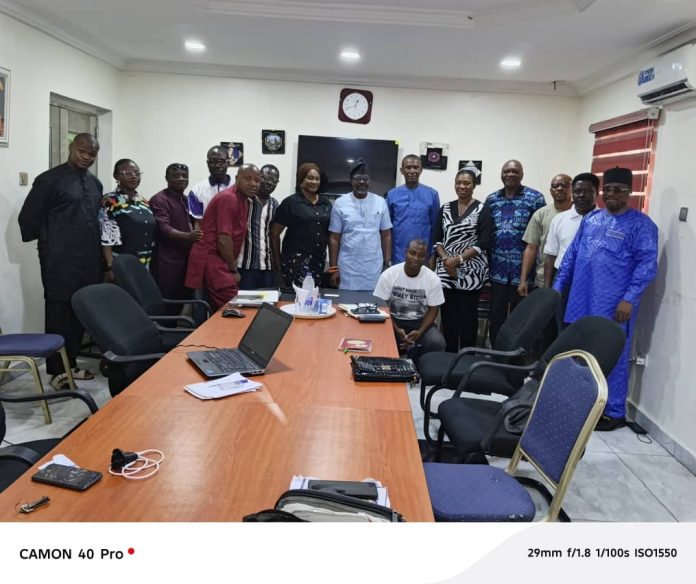
In the commitment to accelerate access to clean and affordable energy solutions across the country, Baobab+ Nigeria, a leader in solar energy and digital inclusion, is proud to announce a strategic partnership with LAPO Microfinance Bank, the largest microfinance institution in Nigeria with over 500 branches in 34 states including the FCT, Abuja, and 6 million active clients.

This partnership aims to make Baobab+ solar products such as Solar Home Systems, Solar Generators and Solar Power Stations available to more Nigerians through flexible financing plans provided by LAPO Microfinance Bank.

With this reach extended to over 100,000 local communities in rural and peri-urban areas including individuals, families, and small business owners who face energy insecurity and high electricity costs can now enjoy reliable, renewable energy at affordable rates.

According to the Group CEO of Baobab+, Mr. Kolawole Osinowo, “At Baobab+, our mission has always been to democratize access to clean energy and digital technology, especially for underserved populations. Through this partnership with LAPO Microfinance Bank, we are bringing that mission to life by offering more people the opportunity to power their homes and businesses sustainably and affordably.”

With over three decades of experience in providing financial services to low-income individuals, LAPO Microfinance Bank boasts of an expansive branch network and deep community trust. Through this collaboration, customers will be able to walk into any LAPO branch and finance Baobab+ solar products through convenient repayment plans tailored to their income level.

Speaking at the signing, Cynthia Ikponmwosa, Managing Director of LAPO Microfinance Bank, noted that the agreement reinforces the bank’s long-standing commitment to sustainability. “LAPO Microfinance Bank began its journey into the sustainability space as far back as 2012, with initiatives focused on financial inclusion and environmental responsibility.

This partnership marks a new phase in that journey, enabling us to finance clean energy solutions that improve livelihoods, reduce carbon footprints, and close the energy access gap for millions of Nigerians”, she said.

This launch comes at a crucial time when over 86 million Nigerians continue to face the challenges of inconsistent electricity supply, fuel price volatility, and rising energy costs. Baobab+ solar solutions not only provide an environmentally friendly alternative but also help reduce daily operational costs for small businesses and improve the quality of life for households.

Baobab+ and LAPO Microfinance Bank partnership reinforces both organizations’ commitment to empowering Nigerians with innovative solutions that bridge the energy access gap and drive inclusive growth. Essentially, access to energy is also a foundational driver of economic development, health, education, and social inclusion

Customs, Agencies Must Consult More With Stakeholders For Better Policies In Maritime – Dr Mustapha

Dr Azeez Mustapha, Managing Director of AZ Logistics, a leading logistics company in the maritime sector, has emphasised the necessity for the Nigerian Customs Service (NCS) and other regulatory bodies to engage more closely with industry stakeholders. He made this assertion during his address at the Congress of Nigerian Maritime Media Practitioners (CONMMEP) monthly roundtable forum in Lagos.

He urged agencies to seek collaborative opportunities and gain deeper insights into the unique challenges faced by the industry. “The regulator must engage with the real players and stakeholders in the maritime sector—those who understand the problems and can discuss viable solutions. However, regulators tend to consult only among themselves. I previously advised the former Minister of Transportation, Rotimi Amaechi, that when suggestions are presented to the government, they often get buried, and this must change. Policy should be informed by the input of genuine industry players.”

Dr Mustapha added, “Improvement is a personal journey. When you seek to enhance yourself, you can then improve society. Before the ports concession in 2006, we were burdened with excessive paperwork. Today, we benefit from seamless operations facilitated by technology, though bottlenecks with government agencies remain.”

He expressed frustration over the lack of government responsiveness, stating, “We continually offer ideas to the government, yet someone somewhere often disregards these solutions, leading us back to the status quo. This situation reflects a broader government failure. When the government falters, all associated entities suffer. Shipping lines exploit this environment to extract maximum profit from the industry.”

Speaking on recommendations for overcoming logistical challenges, he recounted a successful shipment for one of their clients: “We managed a consignment from Nigeria to Singapore, which was cleared before the flight even arrived. Upon landing, it was delivered directly to the consignee. The client was initially sceptical until we provided proof of delivery documentation. They were pleasantly surprised, having expected a four-day wait. This level of efficiency is what we strive for here, but it is challenging in Nigeria, where every government agency seeks to extract fees from each container, leading to unnecessary delays.”

Addressing issues of insecurity, Dr Mustapha explained how his company adapts to ensure customer satisfaction: “In insecure areas like South Sudan, we collaborate with partners and agents to facilitate seamless operations. We often work with reputable insurance providers, sometimes based outside Nigeria. We also deliver to the northern regions of the country. As long as the client can cover the costs, we will ensure delivery. It is a challenge, but we navigate it through our partnerships.”

FG Puts Obasanjo-Era Presidential Jet Up For Sale In Switzerland

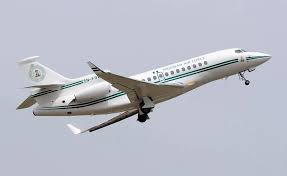
The Federal Government has listed its 20-year-old Boeing 737‑700 Business Jet for sale in Switzerland, marking a significant step in efforts to streamline Nigeria’s presidential air fleet. The aircraft, originally purchased in 2005 during President Olusegun Obasanjo’s administration for $43 million, is now listed with AMAC Aerospace in Basel, Switzerland, following months of maintenance and inspections to prepare it for sale.

The move comes after President Bola Tinubu transitioned to using a refurbished Airbus A330-200 in August 2024 amid economic concerns and the need to reduce the cost of maintaining the presidential fleet. Despite the acquisition of the Airbus, the President has also used a San Marino-registered BBJ since February 2025.

The Boeing BBJ-737, which served as the primary presidential aircraft under multiple administrations, became increasingly expensive to maintain, especially after a mechanical incident during a trip to Saudi Arabia in April 2024. Although it underwent partial refurbishment in July 2024, including new carpeting and upgrades to the first-class section, the aircraft is now being retired due to rising maintenance costs and safety considerations.

The BBJ, registered as 5N-FGT, features a five-zone layout configured to carry 33 passengers and eight crew members, including a VIP stateroom with a bed, a conference room, first-class and business-class seating, and full-service galleys. It also offers connectivity via Ka-Band Wi-Fi and is equipped with advanced avionics and safety systems.

Powered by two CFM56-7BE engines with 3,821 hours since new, the aircraft also includes an auxiliary power unit and is equipped for intercontinental flights with eight auxiliary fuel tanks providing a total capacity of 70,000 pounds.

The aircraft’s exterior retains its white and green livery, reflecting Nigeria’s national colours, while the interior was updated in 2024 to enhance passenger comfort.

With over 19 years in service, the sale of the BBJ aligns with the government’s commitment to reduce the size and cost of the presidential fleet, which currently consists of around 10 aircraft, including Gulfstream and Falcon jets, along with Agusta helicopters operated by the Nigerian Air Force under the supervision of the Office of the National Security Adviser.

The listing notes that interested buyers can contact AMAC Aerospace directly for pricing details, while the aircraft undergoes B1-B2 inspections in Basel, with previous C1-C2 inspections completed in July 2024.

Efforts to obtain official comments on the sale from the Presidency were unsuccessful as of the time of reporting.

How Nigerians Can Avoid Hidden Bank Charges And Preserve Their Hard-Earned Money

Banks Kick Off N6.98 Charges For USSD Payments

For millions of Nigerians, the frustration of checking a bank account balance only to find unexplainable deductions is a common experience. From seemingly minor transaction fees to stealthy deductions labeled vaguely as “maintenance,” the cost of banking in Nigeria is quietly piling up for the average account holder. But financial experts insist that with a few informed decisions, Nigerians can minimize or eliminate these unnecessary expenses.

Here are nine strategic ways to outsmart bank charges and keep more of your money in your account.

1. Choosing the Right Account Type Can Save You Monthly Losses

The foundation of avoiding excessive fees begins with your account type. Certain accounts are designed with salaried workers or high-volume users in mind and come with lower maintenance costs.

Recommendation:

Review account offerings from several banks, focusing on salary savings or digital-only accounts from fintech platforms like Kuda and VBank. Many of these offer zero maintenance fees and reduced service charges. Additionally, maintaining a minimum balance may exempt you from recurring charges, depending on your bank’s policy.

2. Limit Your ATM Withdrawals to Avoid Steady Charges

While ATMs are a go-to for quick cash, Nigerian banks typically allow only 3–4 free withdrawals monthly. Beyond that, fees of up to ₦35 per transaction apply.

Smart Alternatives:

Adopt a habit of withdrawing larger sums less frequently. For everyday transactions, rely more on USSD codes, which often incur fewer or no charges, especially for airtime purchases and bill payments.

3. Go Digital with Mobile Banking to Sidestep Teller Fees

Using a banking hall to complete transactions in this digital age is not only inefficient but also costly. Many banks still charge fees for over-the-counter services.

Best Practice:

Download your bank’s mobile app and become familiar with its features. Consolidate payments into fewer transactions to reduce charges. Also, look out for in-app transfer promos, especially during off-peak periods.

4. Cut Down SMS Alert Charges by Opting for Email Notifications

Frequent SMS notifications for every transaction can accumulate to over ₦200 monthly. Though useful, these alerts come at a cost.

Cost-Saving Tip:

Switch to email alerts, which most banks offer for free. Alternatively, bundle your SMS notifications or review your account weekly using your bank’s mobile app to stay informed.

5. Keep a Close Eye on Your Monthly Statements

Unexplained charges labeled vaguely as “other fees” often go unnoticed unless monitored closely.

What You Should Do:

Make it a habit to download and review your e-statements monthly. Look for repeated deductions or hidden charges, and promptly report any suspicious activity. Customers have successfully reversed unjustified charges by filing timely complaints.

6. Reduce Costs on Inter-Bank Transfers

Sending money across different banks—such as from GTBank to Access Bank or Zenith to UBA—usually attracts fees ranging from ₦10 to ₦50 per transaction.

Pro-Tip:

Limit inter-bank transfers by consolidating your transactions within a primary bank. Fintech platforms such as Opay, Palmpay, and Kuda also offer free or low-cost transfers that can significantly cut your monthly expenses.

7. Avoid the Banking Hall—It’s a Hidden Cost Trap

In-person teller services are not only time-consuming but often come with unannounced fees.

Modern Options:

Take advantage of ATM deposit functions or mobile cheque deposits if available. Use banking apps or POS machines for bill payments instead of visiting the bank physically. These alternatives save both time and money.

8. Stamp Duty on Deposits—Here’s How to Work Around It

Any current account deposit above ₦10,000 attracts a mandatory ₦50 stamp duty charge. While this is a Central Bank of Nigeria (CBN) directive, informed customers can still manage their transaction patterns to avoid frequent charges.

Tactical Tip:

Use savings accounts where possible, as they’re exempt from stamp duty. When making personal deposits, keep them below the ₦10,000 threshold if practical. For business operations, aim for fewer but more efficient transactions to reduce the cumulative impact.

9. High-Volume Users Can Negotiate for Better Terms

If you’re a business owner, freelancer, or vendor handling regular large-scale transactions, you might qualify for a customized account plan with flat-rate fees.

What You Can Do:

Discuss options with your bank’s customer service manager or relationship officer. Ask specifically about professional or SME-tailored accounts that reduce per-transaction costs.

Bonus Tip: Stay Informed About CBN Policies and Bank Promotions

Changes in banking regulations and promotional fee waivers can significantly impact how much you spend on transactions.

Stay Updated:

Follow your bank’s official social media pages or subscribe to their newsletters. Also, visit the CBN’s website (cbn.gov.ng) regularly to stay abreast of policy changes affecting banking fees.

Conclusion

Avoiding bank charges in Nigeria doesn’t require expert-level finance knowledge. Simple steps like monitoring your account, switching alert types, using mobile apps, and asking the right questions can result in noticeable savings over time.

In a country where every naira counts, being intentional about your banking habits could mean more financial security, less stress, and greater control over your income.

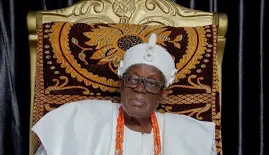
Rasheed Ladoja Set To Ascend Throne As Ibadan’s 44th Olubadan

Nearly a year ago, on July 12, 2024, the late Olubadan of Ibadanland, Oba Owolabi Olakulehin, ascended the revered throne in a grand ceremony at the historic Mapo Hall. Oyo State Governor Seyi Makinde presented him with the staff of office during an event attended by President Bola Tinubu, governors, ministers, traditional rulers, industry leaders, and other dignitaries.

Oba Olakulehin became the second Olubadan to reign from a dedicated palace after Oba Yesufu Oloyede Asanike, with the newly inaugurated ultramodern palace at Oke-Aremo, provided by Governor Makinde, serving as his official residence. Traditionally, each Olubadan had ruled from his personal residence upon ascension.

To become Olubadan, one must progress through either of Ibadan’s two principal chieftaincy lines: the Balogun (military) line and the Otun (civil) line. The late Olakulehin ascended from the Balogun line after waiting 38 years, starting from the rank of Jagun Balogun.

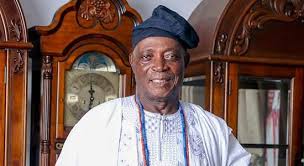
Following his passing, the throne now moves to the Otun line, where former Oyo State Governor Rasheed Ladoja, the Otun Olubadan, is next in line to become the 44th Olubadan.

Here are key facts about the incoming Olubadan, Rasheed Ladoja:

  1. Born on September 24, 1944, in the Gambari area of Ibadan.
  2. Attended Ibadan Boys High School (1958–1963) and Olivet Baptist High School (1964–1965).
  3. Studied chemical engineering at the University of Liège, Belgium (1966–1972).
  4. Elected to the Nigerian Senate in 1993 during the short-lived Third Republic under the United Nigeria Congress Party.
  5. Became a director at Standard Trust Bank Limited in 2000.
  6. Elected Governor of Oyo State in April 2003 under the PDP, taking office on May 29, 2003, with the backing of political heavyweight Alhaji Lamidi Adedibu.
  7. Fell out with Adedibu over appointments and governance, leading to political challenges.
  8. Impeached on January 12, 2006, and replaced by his deputy, Christopher Adebayo Alao-Akala.
  9. The Appeal Court overturned his impeachment in November 2006, and the Supreme Court affirmed this decision, leading to his reinstatement on December 12, 2006.
  10. Lost the PDP nomination for a second term and supported Action Congress candidates in the 2007 local government elections.
  11. Arrested by the EFCC in August 2008 over alleged mismanagement of N1.9 billion from the sale of government shares during his administration.
  12. Briefly remanded in prison before being granted bail of N100 million on September 5, 2008.
  13. Contested the governorship under the Accord Party in 2011 and 2015 but lost to Senator Abiola Ajimobi.
  14. After stints with the Accord, ADC, and ZLP, he withdrew from active politics to focus on his traditional chieftaincy responsibilities.
  15. On August 12, 2024, the late Oba Olakulehin formally presented Ladoja with the ceremonial beaded crown he had previously declined during the administration of Governor Abiola Ajimobi.

As Ibadan prepares to welcome Rasheed Ladoja as the 44th Olubadan, his ascension marks a new chapter for the ancient city, blending his years of political experience with the deep-rooted traditions of Ibadan’s unique chieftaincy system.

Benin, Togo Owe Nigeria Over $11m For Q1 2025 Electricity Supply

Benin and Togo owe Nigeria over $11 million for electricity supplied in the first quarter of 2025, according to data from the Nigerian Electricity Regulatory Commission (NERC). The debt stems from bilateral agreements under which Nigeria’s generation companies supply electricity to its neighbours. While Benin made a partial payment, Togo did not make any payments during the period, resulting in a combined debt exceeding $11 million.

Overall, Nigeria invoiced six international customers a total of $17.24 million for electricity exports in Q1 2025 but recovered only $5.8 million, representing about 34% of the billed amount. The Niger Republic was the only country to fully settle its invoice, paying $3.03 million.

The low recovery rate has raised concerns about the sustainability of Nigeria’s cross-border electricity trade, as defaults by neighbouring countries could worsen liquidity challenges facing the country’s generation and transmission companies.

Experts warn that unless payment enforcement is strengthened, continued defaults could discourage investments in Nigeria’s power sector, undermining efforts to expand electricity supply across West Africa.

With regional energy demand rising, Nigeria’s role as a power exporter will increasingly depend on ensuring timely payments from its customers to maintain the viability of cross-border electricity trade and support the growth of the country’s power sector.

Week 2 Pool Result For Sat 12, Jul 2025, Aussie 2025

Week 2 Pool Fixture for Sat 16, July 2022: Aussie 2022

Week 2 pool results 2025: Football pools results, live football pool result today, pool result today saturday matches, pool results for this week, british and aussie pool result, football pools results and fixtures, pools panel results today, pool panel results and live score pool result today. We publish half-time results first of its kind.

Week 2 Pool Results: Football pools results for this week 2 2025 are published on this website immediately after full-time confirmation of live score results. We also publish the outcome of postponed matches by the football pools panel at half-time as decided by the football pools. This week’s Week 2 Pool Results are made available in partnership with Bizwatch Nigeria. Stay tuned for reliable and accurate updates throughout the week.

WEEK: 2; SEASON: AUSSIE 2025; DATE: 12-July-2025
Football Pools ResultsHTFTStatus
1Central CoastSydney O.-:--:-Sunday
2Mt Druitt T.Sydney FC-:--:-Saturday
3St George S.St George C.-:--:-Sunday
4Rockdale C.A.Leichhardt-:--:-Sunday
5SutherlandNSW Spirit-:--:-Saturday
6Sydney Utd.Wollongong-:--:-Sunday
7W. SydneyMarconi S.-:--:-Saturday
8Bonnyrigg WEDulwich Hill-:--:-Saturday
9B. AcademyHills Utd.-:--:-Saturday
10Canterbury B.SD Raiders-:--:-Saturday
11Inter LionsUNSW FC-:--:-Saturday
12Macarthur R.Mounties W.-:--:-Saturday
13Newcastle J.Rydalmere-:--:-Saturday
14Northern T.Hakoah S.-:--:-Saturday
15Brisbane R.Gold Coast U.-:--:-Saturday
16Eastern S.SC Wanderers-:--:-Sunday
17Gold Coast K.Peninsula P.-:--:-Saturday
18Lions FCMoreton CE-:--:-Sunday
19St George W.Brisbane C.-:--:-Sunday
20Wolves FCOlympic F.C.-:--:-Saturday
21CapalabaBroadbeach U.-:--:-Saturday
22Holland ParkIpswich-:--:-Saturday
23Magic Utd.Brisbane S.-:--:-Saturday
24SWQ ThunderLogan L.-:--:-Saturday
25ArmadaleBayswater C.-:--:-Saturday
26F. AthenaPerth-:--:-Saturday
27Perth GloryPerth RedStar-:--:-Saturday
28SorrentoFremantle C.-:--:-Saturday
29Stirling M.Balcatta-:--:-Saturday
30Western K.Olympic K.-:--:-Saturday
31GosnellsGwelup C.-:--:-Saturday
32JoondalupUWA Nedlands-:--:-Saturday
33Kingsway W.Kalamunda C.-:--:-Saturday
34Mandurah C.Inglewood U.-:--:-Saturday
35SubiacoCurtin Uni-:--:-Saturday
36AdamstownNewcastle O.-:--:-Saturday
37B. SwanseaLambton J.-:--:-Sunday
38Cooks Hill U.Edgeworth E.-:--:-Saturday
39MaitlandCharlestown-:--:-Saturday
40ValentineNew Lambton-:--:-Sunday
41Weston W.Broadmeadow-:--:-Saturday
42Devonport C.Clarence Z.-:--:-Saturday
43Glenorchy K.Launceston C.-:--:-Saturday
44KingboroughLaunceston U.-:--:-Saturday
45South HobartRiverside O.-:--:-Saturday
46Canberra C.Monaro P.-:--:-Saturday
47O’Connor K.Gungahlin U.-:--:-Sunday
48TuggeranongQueanbeyan-:--:-Saturday
49Yoogali CTTigers FC-:--:-Sunday

Trump Slaps 10% Tariff On BRICS Backers Amid Rising Trade Tensions

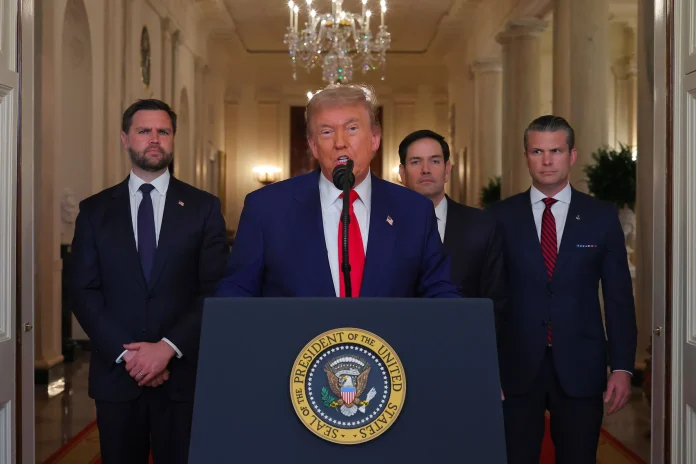
U.S. President Donald Trump has threatened to impose an additional 10% tariff on countries that support BRICS policies perceived as anti-American, escalating trade tensions as part of his broader push to protect U.S. industries and address trade imbalances.

The proposed measure would add a baseline 10% tariff on all U.S. imports, alongside a 60% tariff specifically targeting goods from China, in a move aimed at promoting domestic manufacturing and reducing reliance on foreign products.

Critics warn that the tariffs could lead to higher prices for American consumers and businesses, disrupt global supply chains, and risk sparking retaliatory trade wars. However, Trump argues that past trade agreements have disadvantaged the United States and sees tariffs as a necessary tool to defend American economic interests.

The BRICS bloc—Brazil, Russia, India, China, and South Africa—has been working to strengthen economic cooperation and reduce dependence on Western financial systems, a development that has drawn scrutiny from Washington amid ongoing geopolitical and trade tensions, particularly with China.

Trump’s latest tariff threat is viewed as an extension of his aggressive trade strategy, aiming to counter what he sees as unfair practices and to maintain U.S. economic leverage in a shifting global order.

The potential impact of these tariffs on global trade and economic stability remains uncertain, with analysts divided on whether they will effectively protect American jobs and industries or trigger broader economic disruptions if other nations retaliate.

Oil Prices Dip Amid Supply Glut Fears, Tariff Concerns

Oil prices fell on Monday as a larger-than-expected production increase from OPEC+ and renewed concerns over U.S. tariff plans weighed on market sentiment.

Brent crude slipped 0.4% to $67.67 per barrel, while the U.S. benchmark, West Texas Intermediate (WTI), edged down 0.2% to $65.48 per barrel, from $65.65 in the previous session.

Over the weekend, the OPEC+ alliance announced it would boost production by 548,000 barrels per day in August, exceeding the planned monthly hikes of 411,000 barrels approved for May through July and reversing about 80% of the 2.2 million barrels per day in voluntary cuts introduced earlier by eight OPEC members. The move raised concerns about a potential supply glut as members, particularly Saudi Arabia, ramp up output while others struggle to meet quotas.

Despite the broader increase, Saudi Arabia signaled confidence in demand by raising the official selling price of its Arab Light crude to Asia for August, the highest in four months. Analysts at Goldman Sachs expect OPEC to implement an additional 550,000 barrels per day increase in September, with the final decision anticipated at its August 3 meeting.

On the demand side, renewed uncertainty around U.S. trade policy added to bearish sentiment. While U.S. officials indicated a delay in planned tariff changes, President Donald Trump warned that countries would be notified of new, higher tariffs by July 9, with implementation set for August 1. The proposed rates could range widely, from a baseline of 10% up to 70% under a “reciprocity” framework, fueling investor concerns about potential impacts on global economic growth and energy demand.

“Fears about Trump’s tariffs continue to dominate market sentiment in the second half of 2025, with dollar weakness being the only support for oil right now,” said Priyanka Sachdeva, senior market analyst at Phillip Nova.

For now, while a softer U.S. dollar is providing some support to crude prices, concerns over rising supply and trade-related economic risks continue to weigh on the outlook for oil markets in the coming weeks.

Lasaco Assurance Seeks PPP To Boost Cooperative Insurance Scheme

Lasaco Assurance has presented its Cooperative Insurance Scheme to the Minister of State for Agriculture and Food Security, Senator Aliyu Abdullahi, as part of efforts to support Nigeria’s agricultural sector through public-private partnerships.

In a statement on Sunday, the company said the visit aimed to strengthen the role of insurance in enhancing food security and promoting rural development across the country.

The Managing Director/CEO, Mr. Razzaq Abiodun, alongside key executives, led the presentation of the scheme, which is designed to provide farmers and agricultural cooperatives with reliable risk protection and financial stability to ensure long-term sustainability.

During the meeting, the Lasaco team highlighted the company’s commitment to offering accessible, customer-focused insurance products that address the practical challenges faced by farmers and cooperative members nationwide.

The Minister welcomed the initiative, acknowledging its potential to complement government efforts in driving food security, economic resilience, and rural development.

The visit also provided an avenue to discuss possible public-private partnerships to support the country’s agricultural transformation agenda.

Lasaco Assurance described the engagement as a demonstration of its commitment to aligning its services with national priorities while prioritising customer interests. The company reiterated its dedication to bridging protection gaps, building grassroots trust, and supporting the growth of agriculture in Nigeria.

“As Lasaco Assurance Plc expands its presence in the agric-insurance space, it remains focused on delivering solutions that empower individuals, strengthen cooperatives, and contribute to the long-term development of the agricultural sector,” the statement added.

Dollar To Naira Exchange Rate For 7th July 2025

Dollar To Naira Exchange Rate For 8th Dec 2023

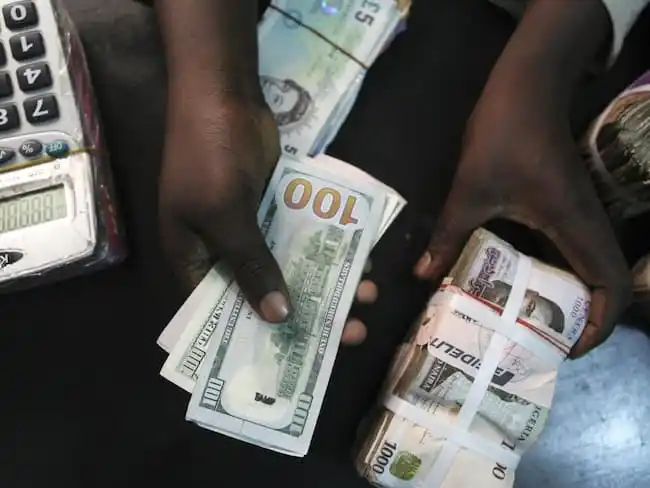
The exchange rate between the Naira and the US dollar, according to the data released on the FMDQ Security Exchange, the official forex trading portal, showed that the naira closed at 1560.00 per $1 on Monday, July 7th, 2025. The naira traded as high as 1526.00 to the dollar at the investors and exporters (I&E) window on Sunday.

How much is a dollar to naira today in the black market?

Dollar to naira exchange rate today black market (Aboki dollar rate):

The exchange rate for a dollar to naira at Lagos Parallel Market (Black Market) players buy a dollar for ₦1555 and sell at ₦1560 on Sunday 6th July, 2025, according to sources at Bureau De Change (BDC).

Please note that the Central Bank of Nigeria (CBN) does not recognize the parallel market (black market), as it has directed individuals who want to engage in Forex to approach their respective banks.

Dollar to Naira Black Market Rate Today

Dollar to Naira (USD to NGN)Black Market Exchange Rate Today
Buying Rate₦1555
Selling Rate₦1560

Dollar to Naira CBN Rate Today

Dollar to Naira (USD to NGN)CBN Rate Today
Highest Rate₦1530
Lowest Rate₦1526

Please note that the rates you buy or sell forex may be different from what is captured in this article because prices vary.

Naira Strengthens Across Forward FX Market As Investor Confidence Grows

Federation Account Amasses Over ₦5trn In 6months- RMAFC

The Nigerian naira experienced a significant uptick across all tenors in the forward foreign exchange (FX) market, reflecting improved sentiment and stronger liquidity conditions.

Investor optimism continued to drive positive trends in Nigeria’s FX space last week, with the local currency gaining ground in the forward market. Market data revealed that the 12-month forward contract appreciated to N1,879.61 per US dollar—a 4% increase week-on-week.

The naira kicked off July on a strong footing at the Nigerian Foreign Exchange Market (NFEM), buoyed by a 3.56% month-on-month rise in June, closing that month at N1,529.71 per dollar, according to insights from AIICO Capital Limited.

Analysts attributed the currency’s momentum to continuous FX inflows sourced from foreign portfolio investors (FPIs), export earnings, and diaspora remittances. These inflows, coupled with stable liquidity, reinforced investor confidence.

Beginning July with a 2.08% weekly gain, the naira traded as low as N1,535 per dollar. Subsequent sessions saw further strengthening, with exchange rates reaching N1,539.24 and ultimately closing at N1,529.71—its highest level since March.

Contributing to this stability was a reported $500 million private placement involving the Central Bank of Nigeria (CBN) and a $61 million FX injection, which provided much-needed liquidity in the market.

FX turnover also saw a notable spike, with a single-day session in late June reaching $324 million. However, despite these gains, Nigeria’s external reserves declined by $1.1 billion over the month, settling at $37.21 billion, largely due to the CBN’s interventionist efforts to stabilize the market.

The forward market showed gains across board. According to Cordros Capital Limited, the one-month forward FX contract appreciated by 1.1%, ending at N1,566 per dollar. The three-month and six-month tenors climbed 2.0% and 3.0% respectively, closing at N1,622.20 and N1,707.98 per dollar.

The one-year forward contract remained the best performer with a 4.0% gain, highlighting growing optimism for the naira’s medium-term outlook.

Cordros Capital analysts noted that current market dynamics, especially the increase in FX inflows from both domestic and foreign players, are likely to support the naira’s stability in the short term. However, they also warned that potential global economic pressures could still pose a downside risk to the local currency’s trajectory.

With investor sentiment on the rise and regulatory measures maintaining a delicate balance in the market, the naira appears poised to navigate the coming weeks with greater resilience.

Super Falcons Cruise To Confident 3-0 Win Over Tunisia In WAFCON Opener

Nigeria’s Super Falcons made a bold statement in their quest for another CAF Women’s Africa Cup of Nations (WAFCON) title, delivering a commanding 3-0 victory against Tunisia in their Group B opener held on Sunday at the Stade Larbi Zaouli in Casablanca.

As the match kicked off, the Nigerian side wasted no time asserting their dominance. In the fourth minute, Asisat Oshoala rose above the Tunisian defense to head home a well-placed cross from Omorinsola Babajide, opening the scoring with precision and power.

Nigeria controlled the tempo throughout the first half, employing aggressive pressing and exploiting the flanks to keep Tunisia on the back foot. Despite Tunisia’s spirited defending, the Falcons continued to press forward.

Babajide, who had been a persistent danger on the left wing, found herself on the scoresheet shortly before halftime. She latched onto a through ball and fired into the bottom corner. The goal was upheld following a brief VAR review, giving Nigeria a 2-0 lead heading into the break.

At the start of the second half, Coach Randy Waldrum made three changes, introducing Chinwendu Ihezuo, Esther Okoronkwo, and Christy Ucheibe. The substitutions reinvigorated the team and sustained the pressure on Tunisia.

Opportunities kept coming for the Super Falcons, with Okoronkwo and Ashleigh Plumptre coming close to extending the lead. Michelle Alozie also contributed offensively with energetic overlapping runs from the full-back position.

Tunisia’s best chance of the match came in the dying minutes when Salma Zemzem’s effort rattled the crossbar. However, the North Africans couldn’t find a breakthrough.

In the 84th minute, Nigeria struck again. Okoronkwo set up Ihezuo, who calmly slotted the ball home from close range, sealing the result and confirming Nigeria’s dominance.

The Super Falcons’ combination of experience, pace, and tactical execution overwhelmed a youthful Tunisian squad still adjusting to the elite level. Tunisia had hoped to build on their quarter-final finish from 2022, but the class gap was evident throughout the encounter.

This victory marked Nigeria’s first win in a WAFCON opening fixture since 2016 and positioned them at the top of Group B. As they prepare for their next match, the Super Falcons will look to maintain their momentum, while Tunisia must regroup to remain in contention for a knockout berth.

The Olubadan Of Ibadanland, Oba Owolabi Olakulehin, Has Died At The Age Of 90

The monarch, Oba Owolabi Olakulehin has reportedly passed away in the early hours of Monday in Ibadan during activities marking his 90th birthday and first coronation anniversary. He had ascended the throne following the passing of his predecessor, Oba Lekan Balogun.

A source close to the Olubadan-in-Council confirmed the development, stating that the paramount ruler had joined his ancestors and that an official announcement from the Oyo State Government was being awaited.

Another palace source noted that the Otun Olubadan of Ibadanland, Oba Rashidi Ladoja, who is next in line for the throne, is currently outside the country but is expected to return soon, having been informed of the development.

Liquidity Squeeze Drives Money Market Rates Higher Amid CRR And Tax Outflows

How Much Money Is Spent On Groceries In Nigeria, Other Countries?

Money market interest rates experienced upward pressure last week as liquidity in the banking sector came under strain due to Cash Reserve Ratio (CRR) debits and corporate tax remittances, according to a report by Cowry Asset Management

Although the system opened the week with a liquidity surplus, driven by a ₦150 billion inflow from OMO maturities, the relief was short-lived. The Central Bank of Nigeria (CBN) quickly absorbed ₦745.50 billion through a primary OMO auction, tightening financial conditions further.

As liquidity thinned out, some banks turned to the CBN’s Standing Lending Facility (SLF) for short-term funding, while placements at the Standing Deposit Facility (SDF) declined. Consequently, the Nigerian Interbank Offered Rate (NIBOR) rose by 11 basis points, reaching 26.82% compared to 26.71% a week earlier.

Data from FMDQ showed that Open Buy Back (OBB) and overnight lending rates—two critical indicators of short-term borrowing costs—also edged higher. Despite modest liquidity buffers, banks remained cautious, favoring a conservative cash-holding strategy over aggressive lending.

AIICO Capital Limited noted that the week started with stable liquidity and rates hovering around 26.5%. However, by midweek, a fresh ₦600 billion OMO auction pushed rates up to 28% due to a dearth of inflows. Relief came later in the week from FAAC inflows to state governments, which helped stabilize interbank lending at 26.5%.

Nevertheless, Friday’s CRR debits by the CBN—targeted at banks that failed to meet lending thresholds—further drained system liquidity. This drove rates to a weekly high of 29%.

Comparative weekly data showed that the open repo rate increased by 33 basis points to 26.83%, while overnight lending climbed 42 basis points to close at 27.42%. Overall, banking system liquidity fell significantly by ₦811.56 billion, ending the week at ₦468.52 billion.

Looking ahead, analysts expect tighter conditions in the short term, especially after the recent CRR deductions. However, a ₦130 billion Treasury bill maturity and the absence of a DMO auction may help ease rates slightly toward the 26.5% range.

NDPC Sanctions MultiChoice Nigeria With ₦766 Million Fine Over Data Breaches

MultiChoice Nigeria Increased Price Of GOtv, DStv

MultiChoice Nigeria has been fined ₦766,242,500 by the Nigeria Data Protection Commission (NDPC) following a comprehensive probe into violations of the Nigeria Data Protection Act (NDPA)

This was confirmed in an official statement by Mr. Babatunde Bamigboye, NDPC’s Head of Legal, Enforcement, and Regulations, who explained that the commission launched an investigation in Q2 2024 after receiving multiple complaints regarding privacy breaches and unlawful transfer of Nigerian user data across borders.

The NDPC found that MultiChoice not only violated its subscribers’ privacy rights but also mishandled the personal information of individuals connected to its customers—many of whom had not directly engaged the service.

Bamigboye emphasized that the scale and manner of data processing by MultiChoice were “excessively intrusive, unjustified, and disproportionate,” thereby constituting a serious violation of Section 37 of the 1999 Nigerian Constitution, which guarantees the right to privacy.

He further noted that Nigeria, in line with international and local regulations, has a duty to protect its citizens’ data sovereignty—an issue that impacts not only individual rights but also national security and economic growth.

During the investigative process, the commission requested that MultiChoice implement a set of remedial actions to address the breaches. However, according to Bamigboye, the company’s response fell short of expectations. As a result, the NDPC imposed the ₦766 million fine and ordered a full review of all data collection channels operated by the pay-TV company.

Dr. Vincent Olatunji, the National Commissioner of the NDPC, directed that every platform or interface used by MultiChoice to gather personal data must now undergo thorough compliance checks. He added that any entity found violating the NDPA would be subjected to corresponding penalties.

The NDPC reiterated its commitment to enforcing Nigeria’s data protection laws and underscored the importance of transparency, user consent, and data integrity in the digital ecosystem.

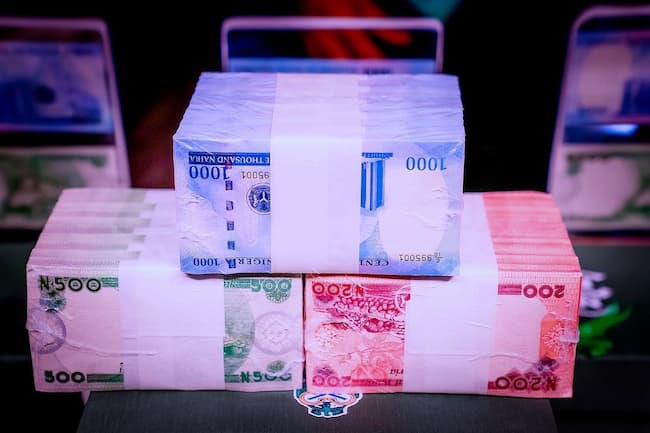
CBN Raises ₦3.32 Trillion Via OMO Auctions In June As Interest Rates Soar To 26.64%

The Central Bank of Nigeria (CBN) ramped up its monetary tightening measures in June by selling Open Market Operation (OMO) bills worth a total of ₦3.32 trillion to domestic and foreign investors. This move was aimed at curbing excess naira liquidity and encouraging foreign currency inflows from offshore investors

In an aggressive effort to mop up liquidity, the apex bank conducted three separate auctions during the month, offering approximately ₦600 billion at each event. The sales nearly doubled from previous auction volumes, signaling the CBN’s continued resolve to stabilize monetary conditions.

These operations, according to auction data, attracted significant US dollar inflows and tested multiple maturities across short and long tenors. Given the rapid pace at which existing OMO notes are maturing, market analysts forecast that more issuances will follow in the second half of the year. In total, over ₦7 trillion in OMO instruments were issued in Q2.

Market experts say the renewed issuance drive will allow investors to reinvest maturing funds and help maintain tighter liquidity conditions in the banking system. However, analysts at Verto FX Limited caution that a recent uptick in M2 suggests some offshore investors may be repatriating funds back into foreign currency following the expiry of their OMO holdings.

AIICO Capital Limited noted that despite starting June with robust liquidity, the CBN persisted with its tightening approach, offering over ₦1.8 trillion in OMO bills and ultimately allotting ₦3.32 trillion. This contributed to a temporary spike in rates, with yields breaching the 32% mark before stabilizing due to periodic inflows from maturing OMO bills, Treasury coupon payments, FAAC allocations, and derivation funds to states.

While Treasury bill yields dipped slightly during the month on increased investor demand, trading in the secondary market was mixed, initially opening on a subdued tone before picking up later in the month.

In early July, the CBN conducted a fresh auction where its 260-day note drew significant attention, with ₦745.40 billion allotted at a rate of 23.99%. Meanwhile, the 113-day bill was undersubscribed and saw no allocation.

As inflation shows signs of cooling, analysts anticipate that the CBN’s Monetary Policy Committee (MPC) might soon begin a cautious cycle of rate cuts to stimulate broader economic activity.

Five Nigerian Banks Surpass CBN’s Recapitalisation Mandate Ahead Of 2026 Deadline

By the close of H1 2025, five commercial and non-interest banks in Nigeria have successfully fulfilled the revised capital requirements set by the Central Bank of Nigeria (CBN). These institutions include Access Bank, Zenith Bank, Ecobank Nigeria, Lotus Bank, and Jaiz Bank.

The CBN, in a directive issued in March 2024, mandated a capital increase for all banks based on their operational license tier. International banks were required to raise their capital base to ₦500 billion, while national and regional banks had to meet minimum thresholds of ₦200 billion and ₦50 billion, respectively. Similarly, non-interest banking institutions with national and regional licenses were expected to raise their capital to ₦20 billion and ₦10 billion accordingly, all by the March 2026 deadline.

Access Bank emerged as the first tier-1 bank to meet the ₦500 billion capital mark. Its parent company, Access Holdings, disclosed regulatory clearance for a ₦351 billion rights issue in December 2024. Following the capital raise, Access Bank’s share capital climbed to ₦600 billion—₦100 billion above the CBN’s benchmark.

Zenith Bank followed closely by securing ₦350.4 billion via a blend of public offerings and rights issues, which increased its capital to ₦614.65 billion, well above the required minimum.

Ecobank Nigeria, classified as a national bank, was reported by Fitch Ratings to need only minimal additional capital to meet the updated threshold. The bank has now met the requirement, although it still needs to address its total capital adequacy ratio, currently below the 10 percent standard. Parent firm Ecobank Transnational Incorporated supplemented its funding in May 2025 by raising $125 million through a reopening of its $400 million 10.125% notes due in October 2029.

Non-interest banking institutions also made notable strides. Lotus Bank disclosed that it had already surpassed the ₦20 billion capital base necessary for a national non-interest bank prior to the new regulations. Executive Director Isiaka Ajani-Lawal, speaking on behalf of MD Kafilat Araoye during a 2024 media engagement, affirmed the bank’s financial preparedness.

Similarly, Jaiz Bank, another non-interest lender, declared in early January 2025 that it had successfully crossed the ₦10 billion capital benchmark after securing regulatory approvals for a ₦10.04 billion private placement listed on the Nigerian Exchange.

With less than a year until the recapitalisation deadline, several other banks have embarked on subsequent phases of their capital-raising initiatives. These banks have explored funding options including private placements, the debt market, and foreign capital avenues.

Guaranty Trust Holding Company (GTCO) recently entered the international capital market, announcing plans to raise approximately $100 million and list new securities on the London Stock Exchange’s Main Market. In July 2024, GTCO had already raised ₦209 billion via a public offer. The latest capital injection is targeted at bolstering GTBank Nigeria’s recapitalisation efforts and advancing its strategic growth objectives.

GTCO also revealed that it intends to delist its Global Depository Receipts from the UK Financial Conduct Authority’s Official List, opting instead to list ordinary shares on the LSE. CEO Segun Agbaje noted that the move reflects GTCO’s evolving status as a dynamic pan-African financial services firm, adding, “This transition strengthens our international visibility and expands our capital access for long-term growth.”

Meanwhile, First Bank’s parent company, FBN Holdings, disclosed its plan to raise ₦350 billion, targeting Q2 2025 as the compliance date for its banking subsidiary. The company aims to achieve a paid-up capital base of ₦748 billion once the process concludes.

Afrinvest Research revealed in its midyear analysis that banks such as Fidelity, FCMB, Sterling, Stanbic IBTC, and UBA still face a ₦733.7 billion shortfall. Wema Bank, however, is progressing toward its ₦200 billion goal through a ₦150 billion rights issue and special placement.

On the other hand, Union Bank, Polaris Bank, and Keystone Bank—now under CBN management—have yet to announce any recapitalisation plans. Unity Bank, currently merging with Providus Bank, received ₦700 billion in financial accommodation from the CBN but still requires additional funds to retain its national license.

Tier-3 institutions including Globus Bank, Nova Bank, Titan Trust Bank, and Premium Trust Bank may resort to mergers or acquisitions to meet regulatory requirements. Fitch Ratings, in multiple reports, stressed that consolidation or license downgrades are likely outcomes for these smaller banks.

In a February note, Fitch stated, “While tier-1 and tier-2 institutions are making considerable progress, third-tier banks lag behind, with mergers and license revisions emerging as plausible compliance strategies.”

Foreign-controlled banks like Standard Chartered and Citibank Nigeria appear more resilient, thanks to financial support from their parent entities.

Afrinvest analysts noted, “We remain optimistic about the banking sector’s trajectory, backed by expected earnings growth and asset optimisation. The second half of 2025 will likely witness a surge in recapitalisation momentum.”

Similarly, CardinalStone projects a stable banking future, pointing to CBN’s heightened supervision and recent directives that mandate the clearance of forbearance loans before dividend disbursement. The firm added that while this may impact short-term dividends, it promotes long-term capital resilience and investor confidence.

Nigerian States Accumulate ₦417bn In New Domestic Debt Despite Increased Federal Allocations

FG Issues ₦5bn Loan As Palliatives For States, FCT

Despite a notable increase in revenue from the Federation Account Allocation Committee (FAAC), ten Nigerian states have collectively amassed ₦417.7 billion in additional domestic borrowing over the past year, based on official data from the Debt Management Office (DMO).

Between Q1 2024 and Q1 2025, Rivers, Enugu, Niger, Taraba, Bauchi, Benue, Gombe, Edo, Kwara, and Nasarawa states saw their combined domestic debt balloon from ₦884.9 billion to ₦1.30 trillion—marking a 47.2% surge year-on-year. The data also shows a quarterly increase of ₦42.3 billion between Q4 2024 and Q1 2025.

This borrowing trend persists even amid improved federal allocations—driven by higher crude oil prices, the removal of fuel subsidies, and exchange rate gains following the naira’s depreciation.

Rivers State emerged as the highest domestic debtor among the ten, with an unchanged figure of ₦364.39 billion between Q4 2024 and Q1 2025. However, the figure represents a 56.7% year-on-year increase from ₦232.58 billion in Q1 2024.

Enugu State posted the steepest year-on-year growth, with its domestic debt rising from ₦82.48 billion to ₦188.42 billion—a 128.4% increase. The state also recorded the largest quarterly jump, adding ₦69.14 billion in just three months. Niger State’s domestic debt rose from ₦86.07 billion to ₦143.75 billion, a 67% surge year-on-year, with a marginal quarterly increase of ₦3.02 billion.

Taraba State more than doubled its debt from ₦32.64 billion to ₦82.93 billion—an increase of ₦50.29 billion or 154.1%, the highest percentage rise in the review period.

Bauchi State’s debt climbed from ₦108.39 billion to ₦142.40 billion year-on-year. However, the state posted a minor quarterly decline of ₦1.55 billion. Benue State also saw an 11.2% year-on-year increase from ₦116.73 billion to ₦129.82 billion, and a quarterly rise of ₦7.25 billion.

Gombe’s debt rose from ₦70.81 billion to ₦83.66 billion, representing an 18.1% increase. Nevertheless, its Q1 2025 debt figure was ₦5.58 billion lower than in Q4 2024. Edo State’s debt grew from ₦72.38 billion to ₦82.40 billion within the year. But notably, the state reduced its domestic obligations by ₦30.60 billion in the first quarter of 2025 alone.

Kwara State experienced a modest rise, from ₦59.07 billion to ₦60.10 billion—up 1.7% year-on-year and nearly the same quarter-on-quarter. Nasarawa State registered the smallest increase at 4.1%, with its debt moving from ₦23.76 billion to ₦24.73 billion year-on-year, though the state cut its debt by ₦1.87 billion in Q1 2025.

Altogether, these ten states now account for 33.67% of Nigeria’s total ₦3.87 trillion subnational domestic debt, up from 21.8% in Q1 2024 and 31.8% in Q4 2024. Rivers State’s unchanged figure is attributed to data being as of December 2024, while its Q1 2024 debt was from March 2023, revealing a potential lag in reporting.

Enugu’s rapid debt escalation has raised fiscal sustainability concerns, especially since public details on the usage of these funds remain scarce. Niger and Taraba face similar scrutiny, given their large borrowing increases.

In contrast, Gombe and Edo appear to have adopted some fiscal restraint, reducing their debts on a quarterly basis. Edo’s ₦30 billion reduction could indicate active repayments or more disciplined debt strategies.

Analysts are warning of future risks if states fail to capitalize on higher federal receipts to reduce borrowing. Particularly worrying is the prospect of debt service costs outpacing Internally Generated Revenue (IGR), especially in low-IGR states.

According to previous reports, seven states spent an average of 190% of their IGR on debt servicing in Q1 2025, with Bayelsa, Adamawa, Benue, Niger, Kogi, Taraba, and Bauchi among them.

Further analysis of Q1 2025 Budget Implementation Reports reveals that debt service costs soared by 51% compared to Q4 2024, emphasizing the growing fiscal strain at the subnational level.

Real Madrid Edge Past Dortmund In Thriller To Reach Club World Cup Semi-Finals

Real Madrid clinched the final semi-final slot at the 2025 FIFA Club World Cup following a pulsating 3-2 victory over Borussia Dortmund, notching their 14th win in the last 15 matches in the competition.

Under the guidance of manager Xabi Alonso, Los Blancos have steadily built momentum in this year’s tournament, and they wasted no time asserting dominance in their quarter-final clash. Just minutes into the encounter, Arda Güler exploited space on the left flank to deliver a pinpoint cross into the box, where Gonzalo García fired home on the volley from close range—registering his fourth goal of the tournament.

The Spanish giants continued to pile pressure, and by the 20-minute mark, they doubled their advantage. Fran García latched onto a sweeping cross from Trent Alexander-Arnold and slotted in at the far post, leaving Dortmund’s defence scrambling.

Dortmund, despite arriving with an impressive record of nine wins in their last ten outings across all competitions, found themselves on the back foot. Their resistance was tested repeatedly, especially by Vinicius Junior, who attempted two audacious long-range lobs after spotting goalkeeper Gregor Kobel off his line. Both efforts narrowly missed, but they highlighted Madrid’s relentless attacking threat.

Julian Brandt offered a rare spark for Dortmund around the hour mark, forcing a routine save from Thibaut Courtois with a low-driven shot. Sensing a possible shift in momentum, Alonso responded by summoning Luka Modrić and Kylian Mbappé from the bench. Modrić nearly made an instant impact with a shot from the edge of the box, but Kobel was equal to the task.

Real Madrid appeared in control heading into the final stages, showcasing their trademark possession-based football. But a chaotic finale brought the match to life. Maximilian Beier pulled one back for Dortmund with a precise finish, raising hopes of a dramatic comeback.

Those hopes were quickly extinguished as Kylian Mbappé restored Madrid’s two-goal cushion with an acrobatic volley just seconds after play resumed. Yet, the drama was far from over. Borussia Dortmund surged forward from the kickoff and were awarded a penalty after Dean Huijsen brought down Serhou Guirassy in the box. Huijsen received a straight red card for the challenge, and Guirassy calmly converted the resulting spot-kick.

Despite the late flurry, Madrid held on to secure the win and advance to a much-anticipated semi-final showdown with UEFA Champions League holders Paris Saint-Germain. With four consecutive victories behind them, Alonso’s squad will carry significant confidence into the next round.

Meanwhile, Borussia Dortmund’s spirited debut at the Club World Cup ends in heartbreak, along with the conclusion of their impressive 10-match unbeaten streak.

BizWatchNigeria.Ng
Privacy Overview

This website uses cookies so that we can provide you with the best user experience possible. Cookie information is stored in your browser and performs functions such as recognising you when you return to our website and helping our team to understand which sections of the website you find most interesting and useful.