Nurses under the National Association of Nigeria Nurses and Midwives, Federal Health Institutions sector (NANNM-FHI), have confirmed plans to commence a seven-day warning strike on Wednesday, July 31, citing unresolved welfare issues and government inaction.
The union, which issued a 15-day ultimatum to the Federal Government on July 14, said the strike would go ahead as planned, even if authorities reach out for dialogue at the last minute.
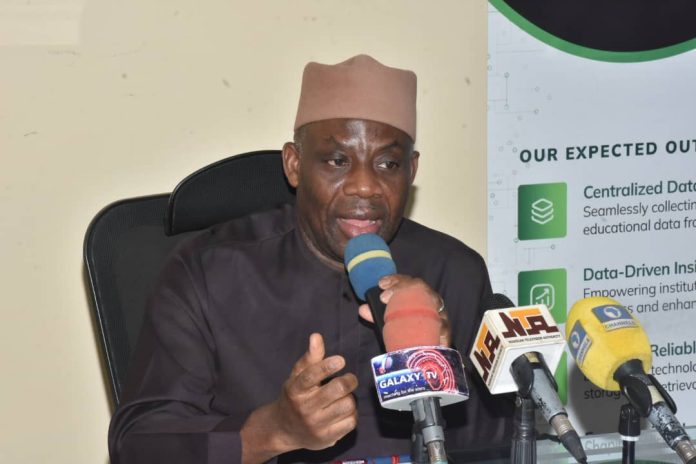
Speaking to reporters on Tuesday, the National Chairman of NANNM-FHI, Morakinyo Rilwan, accused the government of ignoring their demands and being insensitive to the plight of healthcare workers.
“As far as we are concerned, there has been no communication from the government. That is why we are saying the strike is going on, and nothing is stopping it,” he said.
Rilwan listed the demands to include an upward review of shift and uniform allowances, a separate salary structure for nurses, increased core duty allowance, mass recruitment of nurses, and the creation of a Nursing Department in the Federal Ministry of Health.
According to him, the decision to embark on the strike was driven by widespread frustration among union members, many of whom have endured decades of poor working conditions without action.
“For over 40 years, nurses have not gone on strike. Maybe the government thinks we’re not serious because of that. But they’re wrong. Our members are tired,” he said.
He also stated that members were willing to face any consequences, including the enforcement of the “no work, no pay” policy.
“The salary we’re getting is barely enough. If losing a week’s pay will bring lasting change, we’re ready to make that sacrifice,” Rilwan addedOn the possibility of escalation, the union leader said if no resolution is reached after the warning strike, the association would issue a 21-day final ultimatum in line with labour laws before launching an indefinite nationwide strike.
He also clarified reports suggesting some federal hospitals might not participate in the strike.
“Only institutions without active financial members, such as FMC Ebute Metta and LUTH, are not legally covered to join. All other federal health institutions nationwide, including those in Lagos and the FCT, are part of the strike,” Rilwan said.
The development raises concerns about service delivery in federal hospitals across the country, especially at a time when Nigeria’s public health system is grappling with resource shortages and personnel gaps.
The Federal Government has reiterated its commitment to ending the cycle of industrial actions in Nigeria’s tertiary education sector, promising improved engagement with academic unions and consistent implementation of agreements.
Minister of Education, Dr. Tunji Alausa, made this known in an interview with Channels Television on Tuesday, stating that President Bola Tinubu had given a firm directive to prevent further disruptions in the academic calendar.
“The President has directed that, not again — and I’ll borrow your words — not again ever in this country will ASUU or any of our tertiary institution trade unions go on strike,” Alausa said.
He stressed the importance of building stronger relationships with unions, including ASUU, NASU, SSANU, and COEASU, while also demonstrating the government’s sincerity in fulfilling its obligations.
“There has to be a lot of relationship-building with all our unions. And beyond that, the government must show goodwill by honouring its commitments,” he said.
Alausa criticised past administrations for failing to follow through on negotiated agreements with academic unions.
“Previous governments would sit with the unions, reach agreements, and then fail to implement them. That’s not what we’re doing now. We’re engaging with them actively,” he added.
Responding to concerns over delayed salaries in some institutions, the minister clarified that the government had not suspended payments. He explained that tertiary institutions, now operating under the Government Integrated Financial Management Information System (GIFMIS) after exiting the restrictive IPPIS platform, are experiencing some delays due to the salary payment structure.
“We’re paying salaries regularly. The only issue is timing. Government begins salary disbursement from the 25th of each month, with IPPIS users as the first priority. Those on GIFMIS sometimes receive payment around the 8th or 9th of the following month,” Alausa explained.
He assured that the government is working to streamline payment processes and avoid delays, in a broader effort to maintain stability and improve the quality of education in Nigeria’s tertiary institutions.
The Lagos State branch of the Nigerian Red Cross Society has launched its 2025 Youths and Leadership Camp, a week-long programme aimed at steering Nigerian youths away from social vices such as drug abuse and cybercrime.
This year’s edition, which also marks the 60th anniversary of the camp, opened Tuesday in Lagos with over 450 participants and about 50 Red Cross officers in attendance.
Speaking at the opening ceremony, Chairman of the Lagos Red Cross, Adebola Kolawole, said the initiative has empowered generations of young Nigerians through leadership training and mentorship.
“We are happy to be celebrating six decades of training and empowering youths — teaching them values that many have lost. It’s not just camping; it involves mentoring and equipping young people to be useful to themselves and the nation,” she said.
Kolawole added that the camp provides structured leadership training, culminating in certificate awards and long-term mentorship for participants.
Branch Secretary Olakunle Lasisi noted the Red Cross’s long-standing efforts in combating youth substance abuse and deviant behavior.
“We attract young people through social activities and use the opportunity to educate them about the dangers of drug abuse and cybercrime,” he said. “Anyone who participates in this camp has a chance at a better future.”
During the event, the Permanent Secretary of the Lagos State Emergency Management Agency (LASEMA), Dr. Femi Oke-Osanyintolu, was decorated as a Red Cross Humanitarian Ambassador in recognition of his contributions to emergency response in the state.
In his remarks, Oke-Osanyintolu dedicated the honour to Governor Babajide Sanwo-Olu, commending the state government’s investment in emergency preparedness. He also announced that Lagos will soon become the first state in Nigeria to establish an Institute of Disaster Management.
“In October, Lagos will host all 36 state emergency agencies and NEMA to commemorate the International Day for Disaster Risk Reduction,” he added.
Nigerian banks have resumed processing foreign school fees and medical bills using naira debit cards, following renewed foreign exchange (FX) liquidity in the official market. The development comes as commercial banks reintroduce the Central Bank of Nigeria’s “Form A” portal for education and medical payments, significantly reducing processing time from as long as 120 days to as little as four days.
GTBank and Ecobank are among the lenders that have notified customers of the resumed service. According to the banks, customers can now access Form A for undergraduate and postgraduate tuition payments via the CBN’s Trade System Portal (www.tradesystem.gov.ng). Required documents include admission letters, invoices, international passports, tax clearance, debit instructions, and the completed form.
Lotus Bank also confirmed the process was never officially suspended but was affected by FX shortages. With liquidity returning, banks say processing times have now improved.
Under the new timeline, once a customer applies through the portal and submits necessary documentation, bank treasury desks source dollars within two working days. Funds are then debited and remitted by the next trading day, completing the process within four days.
The revival of FX-backed naira payments comes weeks after banks lifted restrictions on international transactions using naira debit cards. The move is expected to ease pressure on the black market and support the Central Bank’s goal of stabilizing the naira.
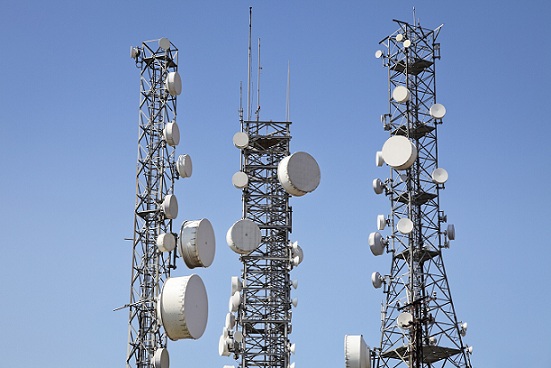
Nigeria’s telecommunications sector is facing growing threats from sabotage and vandalism, putting at risk over $1 billion in recent investments, despite President Bola Tinubu’s repeated assurances to protect national infrastructure. According to the Association of Licensed Telecommunications Operators of Nigeria (ALTON), telecom facilities across key states including Lagos, Ogun, Rivers, Kogi, Imo, and the Federal Capital Territory have come under increasing attack.
The sabotage ranges from theft of generators, batteries, and solar panels, to destruction of fibre-optic cables and base transceiver stations (BTS).
Gbenga Adebayo, Chairman of ALTON, disclosed that Airtel Nigeria recorded over 7,000 fibre cuts in a single year, severely disrupting services and increasing operational costs. Similarly, MTN Nigeria reported spending over N11 billion in the past year on relocating fibre cables and rebuilding damaged infrastructure caused by construction, road works, and deliberate vandalism.
“These attacks are not isolated; they represent a pattern of disregard for critical infrastructure and a serious threat to Nigeria’s digital economy,” Adebayo said. He emphasized that telecommunications infrastructure has been designated as Critical National Information Infrastructure (CNII) by the federal government, which means it is supposed to enjoy top-level security protection under the law.
Despite this classification, enforcement remains poor. Many vandals are arrested but rarely prosecuted, and compensation for damage is rarely pursued. ALTON members say the situation is worsening and could undermine national targets for digital inclusion, broadband penetration, and fintech expansion.
The Nigerian Communications Commission (NCC) had launched an incident reporting platform to allow operators log cases of vandalism and receive government intervention, but operators say the process is often slow and ineffective.
Adebayo urged the federal government to take urgent action, including deploying dedicated security forces to protect telecom assets and establishing mobile courts to ensure speedy prosecution of offenders.
He also called on state governments, local communities, and the judiciary to treat vandalism of telecom assets as a national economic crime. “When telecom services fail, it’s not just calls or data that stop. Financial services, emergency response systems, education platforms, and government services are all impacted,” he warned.
The telecom industry, which has attracted over $76 billion in cumulative investment, remains one of the most critical sectors of Nigeria’s economy, contributing about 16 percent to GDP. Operators fear that without prompt intervention, continued sabotage could stall the country’s progress in digital transformation, job creation, and infrastructure development.
Inspector-General of Police, Kayode Egbetokun, has raised alarm over the harsh post-retirement conditions faced by police officers under the Contributory Pension Scheme (CPS), saying the situation is fuelling fear, anxiety, and low morale within the ranks.
Speaking in Abuja during a meeting with senior police officers, Egbetokun described the current state of retired officers as “unacceptable and humiliating,” stressing that it undermines the sacrifices made by the personnel in service to the nation.
“Most retired officers of the Nigeria Police Force live in conditions that are not only unacceptable but humiliating. Their monthly pension under the CPS is grossly inadequate to meet even the most basic needs,” he said.
The IGP’s comments come in the wake of a protest by retired police officers in Abuja on July 21, where they decried poor treatment and demanded to be removed from the CPS, claiming it had left them impoverished.
Egbetokun said the situation has created deep-rooted anxiety among serving officers, who now view retirement with dread rather than anticipation. “This fear has become so pervasive that it is having a noticeable demoralising effect on morale across ranks,” he noted.
While reaffirming his support for the push to exempt the police from the CPS, Egbetokun cautioned against a hasty exit without proper planning. “There may be a booby trap in the bill. So what is the use in exiting the scheme only to jump into uncertainty?” he asked.
He also clarified that his earlier remarks had been misunderstood as opposition to the police leaving the CPS. “That is not true,” he said. “Our stance has been clearly communicated to the National Assembly during the public hearing on the bill.”
Egbetokun disclosed that the police leadership is working to augment pension payments for retired officers and has launched internal engagement efforts to clarify the force’s position on the scheme.
Beyond pensions, the IGP announced a new incentive to boost morale among serving officers: any officer who wins the Inspector-General’s award for exceptional professionalism twice in a row will be considered for accelerated promotion.
“This is not just a reward—it is a call to excellence, creativity, and patriotism,” he said. “A motivated force is an effective force.”
When asked to respond to criticism from former IGP Usman Baba, who alleged that many retirees were yet to receive any benefits years after retirement, Egbetokun declined to be drawn into a public exchange. “I believe in service discipline. I would not want to join issues with him,” he said.
Baba had also accused the current police leadership of lacking consultation and understanding of administrative matters, suggesting that Egbetokun had previously supported the CPS and had not sought advice from his predecessors.
Despite this, Egbetokun maintained that his commitment to improving police welfare—both in and out of service—remains strong, urging commanders to continue engaging both serving and retired officers as reforms continue.
The Federal Government has initiated a sweeping crackdown on the use of imprest and cash advances by Ministries, Departments, and Agencies (MDAs) following a sharp spike in disbursements that saw over ₦2.27 billion issued in 2024—an increase of more than 308% from ₦556.3 million recorded in 2023.
Fresh data from GovSpend, a public finance transparency platform run by BudgIT, shows that ₦1.19 billion was disbursed for imprest and another ₦1.08 billion for cash advances within the first half of 2024. This prompted immediate fiscal reforms, with the Office of the Accountant-General of the Federation issuing two Treasury Circulars on July 25, 2025, imposing new spending ceilings and stricter compliance rules.
Imprest Use Under Scrutiny
Imprest—routinely allocated funds for day-to-day operational expenses—and cash advances for specific administrative tasks have both come under fire for abuse, non-retirement, and duplication.
Records show the State House Headquarters Transit Account alone received monthly allocations of ₦13 million in 2024, totaling over ₦143 million—exactly mirroring its 2023 drawdowns. Similarly, the Defence Research and Development Bureau received ₦97.36 million across multiple entries tagged for office imprest and staff grants. The EFCC also logged a combined ₦954.78 million in reversed entries related to imprest and forex replenishment.
Other notable allocations include ₦18 million to the Federal University of Technology, Ikot Abasi for resource verification, and ₦9.6 million to the Federal Character Commission for special imprest. Overall, imprest disbursements in 2024 rose by more than 404% compared to 2023.
Cash Advances Soar in Youth Ministry
Cash advance disbursements rose 237% from ₦319.8 million in 2023 to ₦1.08 billion in 2024, with a significant portion attributed to the Federal Ministry of Youth Development. Funds were earmarked for events such as youth mentorship programmes, mental health campaigns, and skills development initiatives.
Disbursement records show repeated multi-million-naira advances issued to a handful of officials—some appearing up to five times in a single quarter. These included ₦29 million for UNIDO-backed feeding programmes, ₦62 million for training youth with disabilities, and ₦39 million for World Youth Skills Day commemorations.
The State House also featured prominently, with allocations such as ₦25.6 million for refreshments during a digitisation training for 450 staff, and multiple entries for Workers’ Day kits, retreats, and cabinet purchases.
Treasury Moves to Restore Fiscal Discipline
In response, the Accountant-General’s Office has introduced new caps and reporting requirements under a revised financial control regime.
Key highlights of the new rules include:
Imprest Limits:
Ministers – ₦700,000 per quarter
Permanent Secretaries / DGs – ₦500,000
Directors – ₦300,000
Other officers – ₦100,000
Reimbursement Frequency:
Only once per quarter (maximum twice under exceptional circumstances)
Procurement Cap:
All local purchases above ₦1 million must follow formal contract award procedures, in line with the Public Procurement Act, 2007.
In addition, the Treasury has mandated that all imprest holders open dedicated operational bank accounts for managing and retiring funds, with monthly reports to be submitted to the Office of the Accountant-General.
All MDAs are now required to submit comprehensive reports on 2024 imprest usage and the full list of 2025 imprest holders within 30 days.
Personal Advances Abolished, New Advance Thresholds Set
The second circular scrapped personal cash advances altogether and redefined the framework for issuing project-related advances.
New guidelines for cash advances include:
Special Project Advances: Capped at ₦10 million
Regular Administrative Advances: Capped at ₦1 million
Eligible Officers: Only those from Grade Level 10 and above
Advance Retirement: Must be completed within the year or immediately upon project completion
The revised policy also removes the requirement for opening special accounts with the Central Bank or Accountant-General’s Office for special project funds. However, concurrent advances are strictly prohibited, and unretired advances must be tracked through age analysis in annual financial statements.
According to the circular, the reforms are aimed at enhancing operational efficiency, improving transparency, and ensuring that disbursements align with the true cost of government operations.
The directives, which take effect from August 1, 2025, have been circulated across all arms of government, including the executive, legislature, judiciary, security agencies, and foreign missions, with a stern call for full compliance.
Treasury inspectors have been tasked with monitoring implementation, and any breach will attract sanctions, including the withdrawal of imprest privileges.
These measures represent the Federal Government’s latest push to rein in public spending leakages and restore discipline in the management of petty cash systems across MDAs.
The Nigerian Civil Aviation Authority (NCAA) has directed both domestic and international airlines operating in the country to fully comply with compensation regulations for passengers affected by short-landed baggage—luggage that fails to arrive on the same flight as the passenger.
Under Part 19 of the Civil Aviation Regulations 2023, domestic passengers are entitled to ₦10,000 in compensation, while international passengers must be paid $170, unless a different compensation amount is specified in the airline’s terms of carriage. The payment is intended to cover essential items pending the arrival of the delayed baggage.
Michael Achimugu, Director of Public Affairs and Consumer Protection at NCAA, issued the directive during a stakeholder meeting with regional managers of domestic airlines at the Nnamdi Azikiwe International Airport, Abuja.
He warned that the Authority would begin sanctioning airlines that fail to compensate affected passengers in line with the First Need policy.
“This may be the last time we discuss this issue,” Achimugu said. “Despite previous communications, compliance remains poor. Part 19 of the regulation is clear—when a passenger’s baggage does not arrive on the same flight, the airline must pay ₦10,000 for local flights and deliver the bag to the passenger’s address within seven days at no extra cost.”
He added that many airlines have been shifting the burden to passengers by asking them to return to the airport to collect their delayed baggage, largely taking advantage of the fact that most travelers are unaware of their rights.
“We support the airlines where necessary, but the regulations must be followed. Moving forward, failure to comply will attract sanctions,” he said.
Also speaking at the meeting, Ifueko Abdulmalik, Special Adviser to the Director-General of Civil Aviation, explained that if an airline delays the delivery of baggage for an extended period, the affected passenger is entitled to additional claims, provided they submit receipts for essential purchases made due to the delay.
She noted that Part 19 of the regulation outlines broader passenger rights, including those related to denied boarding, flight delays, cancellations, and mishandled baggage.
Airlines Urge FAAN to Address Infrastructure Challenges
Representatives of the airlines present at the meeting acknowledged the directive but appealed to NCAA to intervene with the Federal Airports Authority of Nigeria (FAAN) and terminal operators to fix deteriorating infrastructure such as broken conveyor belts, which they say hamper efficient baggage handling.
The NCAA has reiterated its stance that passenger rights must be protected and has urged travelers to demand compensation where applicable, while also promising stricter oversight and enforcement in the weeks ahead.
Eight leading Nigerian banks, including Access Bank, Wema Bank, and Zenith Bank, have successfully met the Central Bank of Nigeria’s (CBN) minimum capital requirements ahead of the regulatory deadline.
The development marks a key milestone in the ongoing sector-wide recapitalisation exercise initiated by the CBN in March 2024 to strengthen the financial system’s resilience and enable banks to support the $1 trillion economy vision of the Federal Government.
According to a senior official at the CBN who spoke on condition of anonymity, the apex bank has received and verified updated capital positions from several top-tier and mid-tier lenders. “At least eight banks have crossed the minimum threshold, and more are on track. We are encouraged by the level of compliance so far,” the official said.
While the CBN has not officially published a list of compliant institutions, industry insiders confirmed that Access Bank, Zenith Bank, Wema Bank, UBA, GTBank, First Bank, Fidelity Bank, and FCMB are among the early movers that have either raised capital through rights issues, private placements or retained earnings.
In a statement earlier this year, the CBN mandated commercial banks with international licenses to shore up their minimum capital base to ₦500 billion, national banks to ₦200 billion, and regional banks to ₦50 billion, with a compliance deadline set for March 2026.
Access Holdings had announced earlier this month that it raised over ₦350 billion in the first tranche of its capital raising plan, while Wema Bank, one of the fastest-growing tier-2 lenders, disclosed a rights issue programme expected to close in Q3 2025. Zenith Bank, known for its strong capital adequacy ratio, met the requirement largely through retained earnings and profit reserves.
Market analysts say the early compliance by top banks is a confidence booster for the sector and is likely to drive consolidation, especially among smaller banks struggling to meet the capital benchmarks.
“The recapitalisation exercise will separate strong players from weaker ones. We expect to see mergers, acquisitions, and possibly licence downgrades before the final deadline,” said financial analyst Tola Adebajo of AlphaEdge Advisory.
The CBN is expected to issue an interim compliance update by the end of Q3 2025, as part of its phased monitoring of the recapitalisation progress.
The Central Bank of Nigeria’s (CBN) decision to hold its benchmark interest rate at 27.5 percent for the third consecutive time this year has left investors reevaluating their strategies amid high borrowing costs and a tightening credit environment.
With the Monetary Policy Committee (MPC) choosing to pause further rate hikes, market watchers say this signals a cautious stance as the apex bank balances inflation control with economic stability.
Here are five investment strategies experts recommend for navigating the current environment:
1. Lock in Long-Term Treasury Bills and Commercial Papers
With rates trending downward, investors may benefit from locking funds they won’t need immediately into long-tenor treasury bills (270–360 days), commercial papers (CPs), or high-yield savings accounts. These instruments provide protection against further yield declines and offer relatively more stable returns.
2. Diversify Fixed-Income Exposure
As yields on fixed-income instruments decline, a diversified approach is critical. Fixed-income mutual funds, which previously offered returns in the 26–29 percent range, now yield closer to 20–21 percent.
Analysts suggest investors spread their holdings across treasury bills, corporate bonds, and government securities to minimise risk while capturing modest returns.
3. Allocate to Eurobonds for Currency Hedge
Analysts at Meristem recommend allocating up to 25 percent of portfolios to Eurobonds, especially for investors concerned about naira depreciation and inflation.
Eurobonds offer dollar-denominated returns, which can help protect against currency volatility. This strategy also provides diversification and a hedge against local macroeconomic risks.
4. Increase Exposure to Equities
Declining fixed-income yields have historically made equities more attractive. CSL Stockbrokers forecast a positive outlook for the equity market as investors seek higher returns.
Sectors such as banking, industrials, and consumer goods—especially companies with strong fundamentals and dividend histories—are likely to benefit from lower borrowing costs and increased investor inflows.
5. Manage Liquidity with Short-Term Instruments
To stay liquid while still earning reasonable returns, some analysts advise allocating up to 15 percent of a portfolio to short-term commercial papers and treasury bills.
These instruments offer flexibility and are ideal for meeting short-term obligations while still taking advantage of relatively higher short-term yields.
The CBN’s decision to pause rate hikes presents both challenges and opportunities. While borrowing remains expensive, investors who adopt a balanced, diversified strategy—spanning local and foreign-denominated instruments—can still earn attractive returns and preserve capital.
Whether through long-term treasuries, Eurobonds, or dividend-yielding stocks, the key is to stay flexible, data-driven, and forward-looking as the monetary landscape evolves.
Let’s be honest: renting a decent apartment in Nigeria feels like a full-time job. You’re juggling site inspections, bargaining with agents, and mentally calculating how far your rent can stretch—especially with Lagos prices crawling up like they’ve got a personal vendetta against your wallet.
It’s more than just finding a house with four walls and a roof. You’re looking for a home that doesn’t come with daily frustrations tucked inside the fine print—or worse, hiding behind a fresh coat of paint.
If you’re a first-time renter, relocating for work, or just tired of your current place, here’s the checklist you didn’t know you needed. And even if you think you’ve got this, well… give it a glance. It might save you a lot of money—and stress.
1. Power Supply – How Many Hours of Light Do They Really Get?
Electricity in Nigeria isn’t just a utility—it’s a lifestyle metric.
You’re not just asking, “Do they have light?” What you really want to know is: How long does it last? Ask neighbours, shop owners, even the woman selling akara down the street—agents will always say it’s “stable.” Check if the house runs on prepaid or postpaid. A prepaid meter is your best friend; postpaid? Not so much. Those ones come with surprises—like unpaid debts from a ghost tenant.
And please, don’t wait till you move in to find out you’ll need to spend more on fuel than food.
2. Flooding & Drainage
You know how some streets look beautiful and peaceful—until the rain starts?
That’s when the true character of a neighbourhood comes out. Visit after a downpour if you can. Look at the gutters—are they blocked? Is the road waterlogged? Some compounds are like bathtubs during rainy season. And if water starts seeping into your apartment, say goodbye to your electronics and peace of mind.
3. Building Condition – Is That Crack Just “Decoration”?
Fresh paint hides many sins. But you’re not just renting beauty—you’re renting safety.
Check for cracks (especially diagonal ones), leaky ceilings, burnt sockets, or loose tiles. Knock the floor—does it sound hollow? It might pop off next week. Open windows, flush toilets, test water pressure. You’re not being difficult—you’re being smart. Because in Nigeria, once you pay, complaints fall on deaf ears.
4. Electricity Debts – Are You Paying For the Last Tenant’s Sins?
This one’s sneaky.
Even if the place has a prepaid meter, confirm there are no outstanding charges. Many new tenants start loading units only to find their balance mysteriously dropping. Why? Because NEPA (or “Disco”) is recovering an old debt. Always ask for the meter card history. And don’t forget other bills—LAWMA, water, estate fees. If you don’t ask, you’ll inherit it all.
5. Rent Agreement – Don’t Just Shake Hands
A handshake in Nigeria means nothing when the landlord wants to hike your rent mid-year.
Get everything in writing—how long your rent covers, when to renew, who handles repairs, the refund policy for caution fees. And yes, read the entire document. Don’t sign blindly, even if you’re in a hurry. Because one clause can ruin your living experience.
6. Size & Layout
Some rooms look spacious… until your furniture enters.
You see that nice compound? If there’s no parking space, think twice.
Street parking isn’t just inconvenient—it’s risky. Tow trucks, thieves, or “area boys” might come for your bumper. Ask about visitor parking too. You don’t want your friends arguing with the gatekeeper every time they come over. Peace of mind includes your car’s safety.
8. Security
Security isn’t just about padlocks anymore.
Ask about recent thefts. Look at the fencing—does it have barbed wire? Is there a gate man? Do the gates close properly? Check if the area has CCTV, motion sensor lights, or at least, a dog with a strong bark. Also, find out how far the nearest police station is. Because once it’s 2am and you hear footsteps, that’s not the time to start thinking about security.
9. Proximity – How Far Is Work, School
Traffic in Nigerian cities can drain your soul.
What seems like a short drive could become a two-hour crawl during rush hour. Before you rent, test the route at different times. Also, how far is the market? Your child’s school? Is there a gym nearby—or at least a buka that sells decent food? Convenience matters. A beautiful house far from everything will wear you out.
10. Noise & Neighbours
Some apartments are peaceful at 2pm, then turn into a party scene by 9pm.
Visit at night or on weekends. Is there a bar, church, mosque, or “one man with a speaker” nearby? Noise affects your sleep, your work-from-home hours, even your sanity. Also, your neighbours matter. A loud, hostile, or intrusive neighbour can make home feel like war zone.
Final Thoughts:
Finding a decent apartment in Nigeria is like dating—you’ve got to look beyond the surface. Ask questions, trust your gut, and remember that once you pay, you’re committed. A little extra inspection now can save you from a year of regrets. Your apartment shouldn’t be the reason you dread coming home.
So next time you’re about to sign that rent agreement, take a step back and tick off this list. Because in Nigeria, smart renters sleep better. Literally.
The Lift Above Poverty Organisation (LAPO) disbursed a total of ₦18.6 billion to 136,902 farmers and agribusinesses across Nigeria in the first quarter of 2025, marking a 31% increase from the ₦12.9 billion disbursed during the same period in 2024.
The funding, provided in partnership with the LAPO Agricultural and Rural Development Initiative (LARDI), was disbursed through 341 branches in 22 states, according to a statement signed by Victor Noruwa, Executive Director of LAPO’s Microfinance Segment.
Noruwa said the increased disbursement reflects LAPO’s commitment to enhancing farmers’ access to soft loans and supporting agribusinesses in scaling operations and improving productivity.
“Our goal is to empower rural farmers and agripreneurs across Nigeria by giving them the financial tools to build sustainable agricultural ventures. We encourage all beneficiaries to deploy the funds productively,” he stated.
The organisation said special focus was placed on women-led households and youth-driven enterprises, in line with LAPO’s mission to alleviate poverty, improve rural livelihoods, and drive food security.
In a related effort, LAPO also disbursed an additional ₦1 billion to over 6,000 farmers operating in key agricultural sub-sectors such as poultry, livestock, and fisheries under the LAPO Household Poultry and Livestock Initiative (LAHPLI).
Tessa Anota, Vice President of Livelihood & Social Protection, described the disbursement as a significant milestone in LAPO’s agricultural financing drive.
“LAHPLI has played a critical role in empowering smallholder farmers, especially in rural areas, by helping them expand operations, improve food production, and increase household incomes,” she said.
Anota noted that the initiative forms part of LAPO’s broader strategy to tackle challenges such as low productivity, limited access to finance, and weak technical capacity in Nigeria’s agricultural sector.
“The programme is designed to deliver not just funding but also access to modern inputs, training, and extension support—creating a path toward more resilient and self-sustaining farming systems,” she added.
LAPO reaffirmed its long-term commitment to supporting Nigeria’s agricultural transformation through innovative, inclusive, and sustainable financing models.
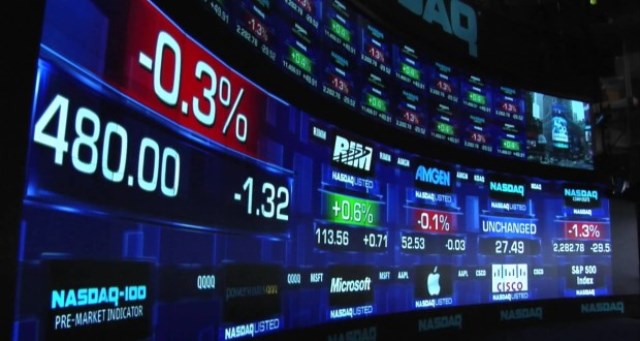
Global equity markets lost momentum on Tuesday after gains from U.S. trade accords with the EU and Japan proved short-lived. Investors have shifted focus to upcoming economic releases, corporate earnings reports and next week’s Federal Reserve policy decision.
Trade Optimism Tempered Last week’s provisional deals—tariffs set at 15% on EU and Japanese imports, with none on U.S. exports—avoided an all‑out trade war but fell short of lowering overall barriers. “While these agreements avert a tariff cliff, the average U.S. rate remains elevated at 18.2%,” warned Stephen Innes of SPI Asset Management. “The risk to global growth is unresolved.”
Ray Attrill of NAB echoed that sentiment: “Markets realize this so‑called ‘good news’ still constrains eurozone growth through 2025.” U.S. officials now turn to negotiations with India and South Korea, even as Washington and Beijing wrapped up two days of secretive talks in Stockholm without announcing an extension of their 90‑day tariff truce.
Regional Markets Mixed
Asia: Tokyo (–0.8%), Hong Kong (–0.6%), Singapore, Manila and Taipei dipped; Shanghai (+0.3%), Sydney, Seoul, Wellington, Bangkok and Jakarta advanced.
Europe: London, Paris and Frankfurt opened modestly higher.
Currencies: Euro slid to $1.1555; pound at $1.3329; dollar/yen eased to ¥148.39.
Oil Edges Higher Crude futures extended Monday’s rally after President Trump threatened new sanctions on buyers of Russian oil if Moscow fails to cease hostilities in Ukraine by early August. WTI held near $66.72/bbl; Brent at $70.09/bbl.
Data & Earnings in the Spotlight With trade relief waning, market attention turns to a busy slate of tech heavyweights—Apple, Microsoft, Meta and Amazon—reporting results this week. Key U.S. releases on GDP growth and job creation will precede the Fed’s two-day meeting, where policymakers are widely expected to hold rates steady. However, investors will scour Fed Chair Jerome Powell’s commentary for hints on the central bank’s trajectory amid persistent inflation and tariff uncertainty.
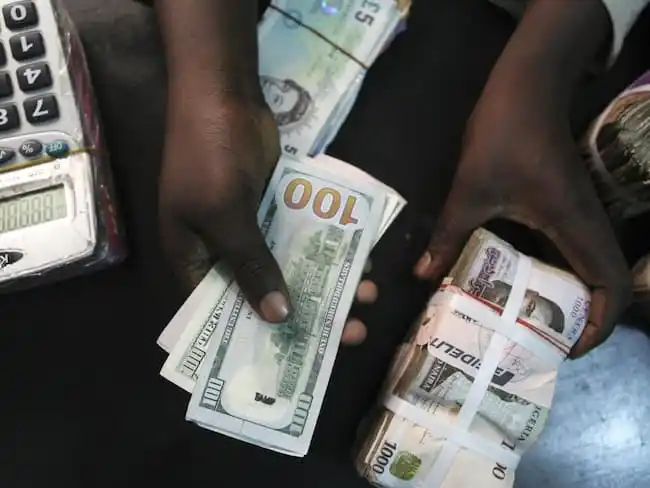
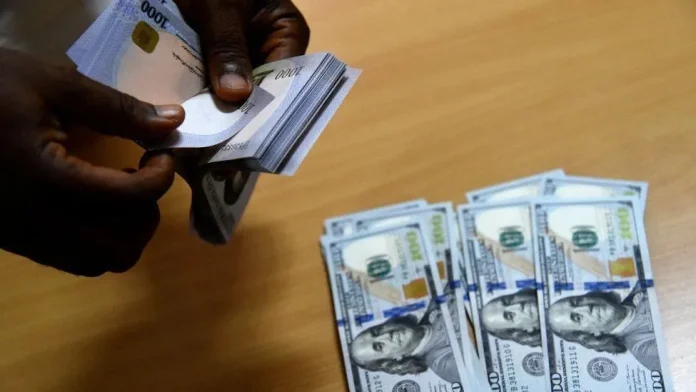
The exchange rate between the Naira and the US dollar, according to the data released on the FMDQ Security Exchange, the official forex trading portal, showed that the naira closed at 1540.00 per $1 on Tuesday, July 29th, 2025. The naira traded as high as 1532.00 to the dollar at the investors and exporters (I&E) window on Monday.
Dollar to naira exchange rate today black market (Aboki dollar rate):
The exchange rate for a dollar to naira at Lagos Parallel Market (Black Market) players buy a dollar for ₦1535 and sell at ₦1540 on Monday 28th July, 2025, according to sources at Bureau De Change (BDC).
Please note that the Central Bank of Nigeria (CBN) does not recognize the parallel market (black market), as it has directed individuals who want to engage in Forex to approach their respective banks.
Dollar to Naira Black Market Rate Today
Dollar to Naira (USD to NGN)
Black Market Exchange Rate Today
Buying Rate
₦1535
Selling Rate
₦1540
Dollar to Naira CBN Rate Today
Dollar to Naira (USD to NGN)
CBN Rate Today
Highest Rate
₦1535
Lowest Rate
₦1532
Please note that the rates you buy or sell forex may be different from what is captured in this article because prices vary.
Interswitch, Leading African technology company focused on creating solutions that enable individuals and communities prosper, has reaffirmed its commitment to transforming the continent’s hospitality sector through technology during its participation as an exhibitor at the Hotel Managers Conference Africa (HMC) 2025, held on June 28–29 at the Lagos Continental Hotel.
The two-day conference brought together stakeholders across the hospitality industry to explore new pathways for sustainable growth through technology, strategic partnerships, and global best practices. Interswitch’s participation spotlighted its comprehensive portfolio of payment solutions tailored to the evolving needs of hospitality businesses.
The company showcased its Interswitch Smart POS, a high-speed, multifunctional terminal with innovative features relevant in the hospitality sector. In addition to Verve Cards, it boasts of international card acceptance from Visa; Mastercard; American Express; China UnionPay; Discover; Diners Club and Japan Credit Bureau. It also offers USD settlement for foreign transactions, allowing hotels to cater to international guests with ease. Additionally, the Smart POS includes a card-not-present feature, enabling secure remote payments for use cases such as pre-arrival deposits and incidental charges.
Also featured was the Interswitch Payment Gateway, which enables hotels to accept online bookings securely and process payments from major international card schemes such as American Express, Mastercard, and Visa cards. The gateway is designed for effortless integration with existing systems and provides USD settlement capabilities for international transactions, helping hospitality operators serve a broader customer base without complexity.
Interswitch also demonstrated its trusted bulk disbursement platform that simplifies payments to vendors, staff, and service providers, ensuring timely and efficient transactions with minimal manual input.
The Interswitch booth attracted significant interest from key decision-makers and hospitality business owners, many of whom expressed interest in adopting the company’s integrated solutions to streamline their operational efficiency and elevate guest experience. Commenting on the engagement, Osasere Atohengbe, Vice President, Sales and Account Management, Interswitch, stated:
“Our participation at HMC 2025 reinforces our mission to be a technology partner for hospitality businesses. We’re not just providing tools, we’re enabling transformation, and it was rewarding to connect directly with operators who are ready to take the next leap.”
With thousands of businesses across sectors relying on Interswitch’s trusted infrastructure, including industry leaders like Eko Hotels, Marriot Hotel, and The George Hotel, the company continues to lead innovation in digital payment solutions tailored for African markets.
Its engagement at Hotel Managers Conference 2025 represents another key step in strengthening ties with the hospitality sector, while advancing its broader mission of inclusive growth through strategic partnerships and merchant-focused solutions.
Yields on Nigeria’s Open Market Operations (OMO) bills edged higher in the secondary market, reaching 24.70% as investors—particularly foreign portfolio investors and local banks—continued ramping up their holdings.
According to Coronation Research, OMO instruments saw strong demand at the short and long ends of the yield curve. Yields at the short end dipped by 31 basis points to 25.53%, while the long end dropped 25 basis points to 23.49% per annum. The mid-tenor segment also witnessed a 30bps decline to 24.64%, slightly nudging the average OMO yield to 24.70% from 24.69% in the previous week.
The CBN responded to a liquidity surge—partly driven by N850 billion FAAC disbursements, which pushed total system liquidity to ₦1.35 trillion—by launching a fresh round of OMO bills on Monday. The move is designed to absorb excess funds from the banking system and ease inflationary pressure.
Market analysts project strong participation in the latest OMO auction, especially as the central bank had paused its main auction window earlier. The anticipated cash outflow is expected to tighten liquidity and encourage cautious positioning among fixed-income traders.
Meanwhile, bond traders expect yields on 2032 Federal Government bonds to hover near mid-curve levels in the secondary market. Yields on 2029 bonds could slide below the 16.00% threshold as investors shift focus toward longer-dated instruments to lock in elevated returns in what remains a relatively stable policy environment.
The Debt Management Office is presently raising ₦80 billion via 5- and 7-year bonds. Given the current rate environment and cautious market sentiment, analysts expect long-dated instruments to remain highly attractive for both local and foreign investors.
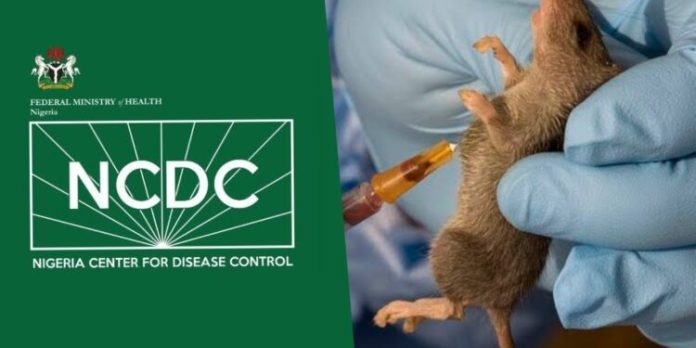
The Nigeria Centre for Disease Control and Prevention (NCDC) has reported that Lassa fever has claimed 152 lives in the country within the first 28 weeks of 2025, with a case fatality rate (CFR) of 18.7%. This marks a rise from the 17.3% recorded during the same period in 2024, despite a slight decline in confirmed cases.
According to the NCDC’s latest situation report released on Monday, Nigeria has recorded 811 confirmed cases and over 6,520 suspected infections so far this year. The disease has spread across 21 states and 105 local government areas, with Ondo, Bauchi, Edo, Taraba, and Ebonyi states accounting for the highest burden.
“Although there’s been a marginal drop in the total number of confirmed cases compared to 2024, the case fatality rate has unfortunately increased,” the agency noted, attributing the rise to factors such as late presentation of cases, poor health-seeking behaviour, and limited access to early treatment.
In epidemiological week 28 alone, 11 new confirmed cases and one death were reported, with infections recorded in Ondo, Edo, and Benue states. The NCDC confirmed that no healthcare workers were affected during that week.
Young adults aged 21 to 30 years remain the most affected demographic, with cases nearly evenly distributed between males and females.
To curb the spread, the NCDC and its partners have stepped up response efforts in high-burden areas. These include the deployment of 10 National Rapid Response Teams using a One Health approach, as well as the launch of INTEGRATE Clinical Trials in Ondo State to enhance case management.
Healthcare workers in Bauchi, Ebonyi, and Benue states have also undergone targeted training to boost clinical response capacity. Community sensitisation campaigns and environmental sanitation drives are being carried out in collaboration with partners such as Nigeria Health Watch, the World Health Organization (WHO), Pro-Health International, and the Institute of Human Virology Nigeria (IHVN).
To improve prevention and control, the NCDC has launched an Infection Prevention and Control (IPC) e-learning platform, supported by the Global Fund. It has also distributed key medical supplies—including Ribavirin, personal protective equipment (PPE), and disinfectants—to affected states and treatment centres.
Despite these efforts, the agency acknowledged ongoing challenges. “Late presentation of cases continues to drive the high fatality rate,” it stated. “Poor environmental hygiene, low awareness in at-risk communities, and the high cost of treatment also discourage timely medical intervention.”
The NCDC urged Nigerians to maintain good hygiene, report symptoms early, and avoid contact with rodents and their secretions. It stressed the importance of early detection and prompt treatment, particularly in vulnerable communities.
“The public is advised to follow NCDC advisories, practice proper sanitation, and use the toll-free line 6232 for any inquiries or symptom reporting,” the agency said.
Lassa fever is a viral hemorrhagic disease primarily transmitted through contact with urine or faeces of infected rats. It can also spread via bodily fluids, contaminated surfaces, or medical equipment. Symptoms include fever, sore throat, headache, vomiting, muscle pain, and in severe cases, internal or external bleeding.
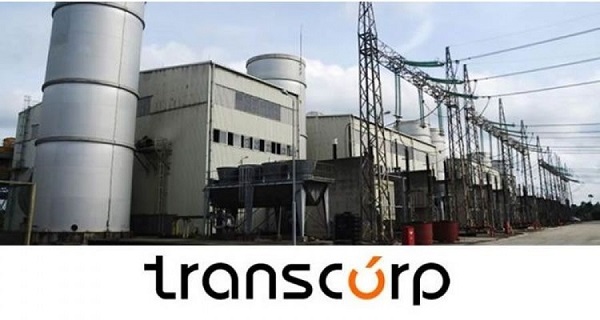
Transcorp Power Plc has reported a 19.8% year-on-year increase in profit after tax to ₦44.05 billion for the first half of 2025, according to its financial statements filed with regulators. This performance came despite mounting cost pressures and broader economic uncertainties.
Revenue rose significantly by 52.0% year-on-year to ₦205.8 billion, supported by robust growth across the company’s major revenue lines. A breakdown of the figures shows capacity charge income climbed 30.8%, while revenue from energy delivered soared by 61.5%.
Cross-border demand remained strong, with international sales contributing 28.7% to total revenue—an improvement from 22.0% in the same period last year, according to a report by CardinalStone Securities Limited.
However, the earnings boost was partially offset by a steep 76.9% rise in cost of goods sold (COGS), which reached ₦128.2 billion. This was largely driven by a 64.1% increase in natural gas and fuel costs. Repairs and maintenance expenses also quadrupled during the period, leading to a sharp decline in gross margin to 37.7%, down from 46.5% in H1 2024.
Further weighing on performance were a 28.6% rise in impairment losses on financial assets and a 67.5% jump in administrative expenses. These contributed to a drop in the company’s EBIT margin, which fell to 28.7% from 37.8% in the prior-year period.
Although Transcorp Power recorded a combined ₦6.1 billion in interest income and foreign exchange gains, these were largely eroded by a 61.0% surge in finance costs, which climbed to ₦6.4 billion.
Key profitability indicators also moderated. Annualized return on assets (ROA) stood at 19.2%, and return on equity (ROE) came in at 65.0%, both below the 26.9% and 96.5% recorded in the first half of 2024.
Despite the cost pressures, the company declared an interim dividend of ₦1.50 per share, representing a payout ratio of 25.5%, signaling continued commitment to shareholder returns.
On a quarterly basis, the company’s Q2 2025 performance was affected by a 97.5% year-on-year spike in COGS, which outpaced the 48.5% revenue growth. This led to margin compression. However, a lower effective tax rate of 25.0%, compared to 34.6% in Q2 2024, helped cushion the impact, resulting in a post-tax profit of ₦11.6 billion for the quarter.
In a strategic move to uphold the value of the naira, the Central Bank of Nigeria (CBN) injected approximately $81 million into the official foreign exchange window last week, stepping in as dollar inflows dropped by 25% week-over-week.
The apex bank’s intervention came as demand for the greenback outpaced supply due to a lull in open market operations. According to Coronation Research, dollar inflows into Nigeria’s FX market dipped to $979.10 million, down from $1.31 billion in the preceding week.
Data from Coronation Merchant Bank’s research unit revealed that foreign portfolio investors (FPIs) were once again the major drivers of FX inflows, accounting for 51.39%—or $503.10 million—of total supply. Non-bank corporates contributed 23.37%, injecting $228.80 million, while exporters and importers added $127.80 million (13.05%) and $108.90 million (11.12%) respectively. All other sources made up slightly above 1% of the total inflow for the period.
Despite this reduced inflow, Nigeria’s gross external reserves saw an increase of $693.96 million, rising to $38.62 billion. This marks the third straight week of reserve growth and is largely attributed to sustained foreign portfolio inflows.
Coronation Research forecasted a relatively steady FX market barring any significant macroeconomic disruptions. It also anticipates that foreign investors will maintain their interest in Nigeria’s fixed income space, as the country’s macroeconomic environment shows gradual signs of improvement.
Despite the CBN’s intervention, the naira depreciated on average by ₦2.38 per dollar, closing at ₦1,534.72/USD, highlighting the persistent demand pressure.
Brent crude prices dropped by 1.44% week-on-week to settle at $67.60 per barrel, down from $68.59/bbl. The year-to-date slump now stands at 9.43%, with the 2025 average at $71.77/bbl—about 10.13% lower than the previous year.
Similarly, Nigeria’s Bonny Light crude declined 1.37% to $73.36/bbl. Oil market sentiment fluctuated as initial gains from Russia’s gasoline export restrictions were erased by weak economic indicators from the U.S. and China and increased global supply signs. By the week’s end, Brent crude hit a three-week low amid cautious trading influenced by U.S.–EU tariff talks.
Over the weekend, the U.S. and European Union struck a deal to reduce a potential tariff war, agreeing on a 15% tariff on EU goods—half the initially threatened figure. This development is expected to reduce uncertainty and potentially stimulate global demand, including for crude oil.
On the supply front, while certain OPEC+ countries hinted at ramping up production to reclaim market share, other members preferred to maintain the existing output agreement.
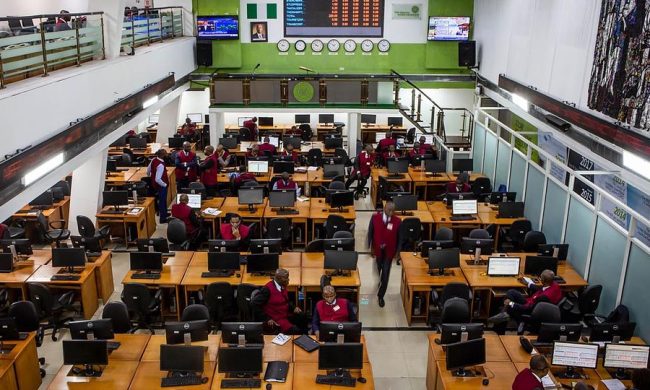
The Nigerian equities market extended its bullish momentum on Monday, adding ₦400 billion in market value despite mixed movements in key indices. The session began the week on a positive trajectory, reflecting strong investor sentiment.
The NGX All-Share Index (ASI) rose by 0.53%, increasing by 713.58 basis points to a new historic high of 135,166.51. This positive performance translated into a 0.47% uptick in total market capitalization, which closed at ₦85.46 trillion—an increase of approximately ₦399.88 billion.
The divergence between the ASI and the market cap was linked to the delisting of MRS Oil Nigeria Plc’s entire issued share capital from the Nigerian Exchange (NGX).
Despite this technical adjustment, market breadth remained healthy, with investor appetite buoyed by bargain hunting and the release of impressive half-year results by several listed firms. The year-to-date return climbed to 31.32%, affirming a strong outlook among domestic and foreign investors.
Trading activity was somewhat mixed. While the total trade volume surged by 11.47%, the total transaction value declined by 4.14%. According to Atlass Portfolio Limited, roughly 795.59 million shares valued at ₦23.23 billion exchanged hands across 37,626 trades.
FIDELITYBK led in both volume and value, accounting for 15.53% of total trade volume and 11.14% of transaction value. Other top volume drivers included FCMB (8.64%), JAPAULGOLD (5.57%), ZENITHBANK (3.92%), and ACCESSCORP (3.67%).
On the gainer’s board, ACADEMY emerged as the top performer with a 9.99% price increase. It was closely followed by CHAMPION (+9.98%), TRIPPLEG (+9.97%), MAYBAKER (+9.94%), UACN (+9.92%), and DAARCOMM (+9.88%).
Conversely, LIVESTOCK led the losers’ chart, shedding 10%. Other notable laggards included TIP (-9.98%), NGXGROUP (-6.02%), AFRIPRUD (-4.94%), FTNCOCOA (-3.31%), and ZENITHBANK (-1.76%).
Out of the 69 stocks that recorded price movements, 44 advanced while 25 declined, signaling a positive market breadth. Sector performance was largely optimistic. The insurance index led with a 2.54% rise, followed by consumer goods (+1.29%) and industrial goods (+0.64%).
However, the banking sector slipped by 0.69% due to mild profit-taking activities. Oil & Gas and Commodity sectors closed marginally higher by 0.22% and 0.01% respectively.