





Home Blog Page 128

Nigeria, Kuwait Fund Sign $62.8m Deal To Tackle Out-Of-School Crisis In Kaduna

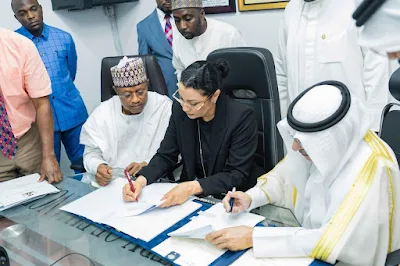
In a landmark move to combat Nigeria’s out-of-school children crisis, the Federal Government has signed a $62.8 million Memorandum of Understanding (MoU) with the Kuwait Fund for Arab Economic Development (KFAED) to support the Reaching Out-of-School Children (ROOSC) initiative in Kaduna State.

The agreement—described as the first of its kind by the Kuwait Fund in Nigeria—was formalised in Abuja with Dr Doris Uzoka-Anite, Minister of State for Finance, signing on behalf of Nigeria, and Dr Waleed Al-Bahar, Director General of the Kuwait Fund, representing the donor agency.

Witnessing the signing, Kaduna State Governor, Senator Uba Sani, hailed the development as a “bold and historic step” in advancing inclusive education in the country.

“This historic partnership marks a bold step toward addressing Nigeria’s out-of-school children crisis,” the governor said, adding that it aligns with global commitments under Sustainable Development Goal 4 (SDG 4) on quality education.

Unprecedented Commitment to Education

Governor Sani highlighted Kaduna’s unwavering commitment to education reform, revealing that the state allocated 25% of its 2024 budget and 26.14% of its proposed 2025 budget to the education sector—among the highest in the country.

Since assuming office on May 29, 2023, his administration has:

  • Constructed 60 new secondary schools
  • Built 700 classrooms and renovated 1,049 others
  • Reduced tuition fees in tertiary institutions by 50%
  • Established three modern vocational institutes aligned with the federal Technical and Vocational Education and Training (TVET) agenda

What the ROOSC Project Will Deliver

The ROOSC initiative, developed in collaboration with international partners, targets the estimated 18 million out-of-school children in Nigeria, with Kaduna State at the forefront of intervention efforts.

With the state already fulfilling 100% of its counterpart funding obligations, the project will:

  • Construct 102 climate-resilient schools
  • Rehabilitate 170 existing learning centres across all 23 local government areas of Kaduna
  • Prioritise inclusive education for girls, children with disabilities, and internally displaced persons
  • Promote safe school environments and reintegration support for marginalised learners

Governor Sani emphasised that the project design reflects a multi-stakeholder approach, involving local and international organisations, and reaffirmed Kaduna’s commitment to transparent and efficient implementation.

Broad Coalition of Partners

He extended appreciation to development partners and donors supporting the ROOSC programme, including:

  • Kuwait Fund for Arab Economic Development
  • Islamic Development Bank
  • Global Partnership for Education
  • Education Above All Foundation
  • Save the Children International
  • UNICEF

He also acknowledged the Federal Ministries of Finance and Education for their role in facilitating the partnership.

“We are committed to delivering on every aspect of this programme to ensure that no child in Kaduna is left behind,” the governor said.

The ROOSC initiative is widely seen as a scalable model that could be replicated across other states in Nigeria battling high rates of out-of-school children.
FAAN Investigates K1 De Ultimate Over Alleged Security Breach At Airport

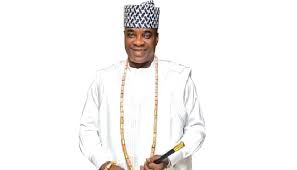
The Federal Airports Authority of Nigeria (FAAN) has launched an investigation into an alleged breach of aviation security involving renowned Fuji musician, Wasiu Ayinde Marshal, popularly known as K1 De Ultimate, at the Nnamdi Azikiwe International Airport, Abuja.

In a statement issued on Wednesday, FAAN confirmed that the incident occurred on Monday, August 5, 2025, during the boarding process for a ValueJet Airlines flight (VK 201) bound for Lagos.

According to the statement signed by FAAN’s Director of Public Affairs and Consumer Protection, Obiageli Orah, preliminary findings showed that the musician attempted to board the flight with an unidentified liquid substance, contravening aviation security regulations.

“Preliminary investigations confirmed that the passenger was scheduled to board the morning flight to Lagos operated by ValueJet Airlines. During boarding, the passenger attempted to carry an unidentified liquid substance on board despite repeated warnings from Aviation Security personnel and the Flight Captain,” the statement read.

FAAN clarified that the item in question was a flask containing liquid, later identified as alcohol. Under international aviation regulations—including Nigeria’s National Civil Aviation Security Programme and ICAO Annex 17—liquids exceeding 100 milliliters are prohibited in carry-on luggage unless declared for medical purposes.

Despite being informed of the restriction, the passenger allegedly refused to comply. Tensions escalated when he declined to step aside for further screening and reportedly spilled the contents of the flask on a security officer.

“The Flight Captain intervened but faced similar resistance. Upon completion of the boarding process, she instructed the closure of the aircraft door,” the statement added.

The situation further intensified when the musician allegedly moved to the front of the aircraft and refused to vacate the area despite repeated requests from airline personnel. He was later escorted away by officers from the Aviation Security (AVSEC) crime unit for questioning and subsequently released.

FAAN strongly condemned the disruption and reiterated that the matter is under thorough investigation.

“The Authority will not tolerate any action that compromises operational integrity or undermines aviation safety standards, regardless of the individuals involved,” the statement said.

FAAN assured the public that appropriate legal measures would be taken against any parties found culpable, reaffirming its commitment to maintaining safety, professionalism, and regulatory compliance at all Nigerian airports.

FG Eyes PPP Model After NNPCL Pulls Out Of ₦3trn Tax-Credit Road Projects

The Federal Government is considering adopting a Public-Private Partnership (PPP) model to complete major road infrastructure projects valued at approximately ₦3 trillion, following the withdrawal of the Nigerian National Petroleum Company Limited (NNPCL) from its tax-credit funding scheme.

NNPCL officially halted its financial contributions to the scheme effective August 1, 2025, creating a significant funding gap for several critical road projects across the country.

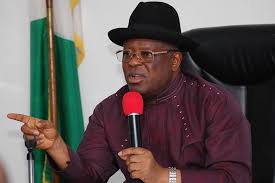
This development was confirmed by the Minister of Works, David Umahi, during a press briefing in Abuja, as reported by the News Agency of Nigeria (NAN). According to Umahi, President Bola Ahmed Tinubu has directed the Ministry of Works to seek alternative financing options to prevent the abandonment of ongoing projects.

“The Federal Government requires about ₦3 trillion to complete road projects previously awarded under the NNPCL tax credit scheme,” the minister said. “In light of NNPCL’s withdrawal, President Tinubu has mandated us to evaluate viable funding alternatives, including PPP models.”

Umahi added that the ministry is compiling a list of the affected projects, which will be presented to the President for review. He noted that priority will be given to contractors with proven technical expertise and the financial capacity to execute projects under PPP arrangements.

One of the affected projects is the 43.6-kilometre Maraba–Keffi dual carriageway, which Umahi previously highlighted. The project, now redesigned with concrete pavement due to economic conditions, will be delivered in phases. With only ₦76 billion remaining from the NNPCL funding, the ministry plans to complete the first carriageway and two kilometres of the second, while the remaining sections will be temporarily maintained.

Clarifying funding equity concerns

During the briefing, the Ministry’s Permanent Secretary, Olufunsho Adebiyi, addressed concerns over perceived regional disparities in project distribution. He explained that construction costs vary widely across regions due to factors such as terrain, groundwater levels, and availability of materials.

“For example,” he said, “constructing one kilometre of road in Bayelsa may cost as much as building ten kilometres in Katsina, due to geographical and environmental challenges.”

Impact of NNPCL’s withdrawal

The tax-credit scheme had allowed NNPCL to finance critical infrastructure in exchange for tax relief, serving as a creative solution to Nigeria’s longstanding infrastructure funding constraints. However, with the company stepping back from further commitments, the continuity and completion of several vital projects now hang in the balance.

As the government considers new funding approaches, stakeholders are watching closely to see how the PPP model could be structured to ensure transparency, timely execution, and sustainability of infrastructure development across the country.

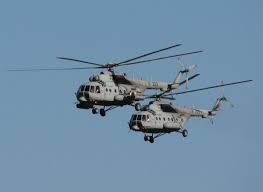
Tragedy In Ghana As Two Ministers, Six Others Die In Helicopter Crash

Ghana is in mourning following a tragic helicopter crash that claimed the lives of eight people, including two sitting ministers, in the southern Ashanti region on Wednesday.

The victims include the country’s Defence Minister, Edward Omane Boamah, and the Minister of Environment, Ibrahim Murtala Mohammed. The ill-fated military helicopter was en route from the capital, Accra, to the mining town of Obuasi when it went down under yet-to-be-determined circumstances.

In a statement released shortly after the incident, Chief of Staff to the President, Julius Debrah, confirmed the identities of all eight victims. They include:

Alhaji Muniru Mohammed, Acting Deputy National Security Coordinator

Dr Samuel Sarpong, Vice Chairman of the ruling National Democratic Congress (NDC)

Mr Samuel Aboagye, former parliamentary candidate

Squadron Leader Peter [surname withheld]

Flying Officer Twum Ampadu

Sergeant Ernest Addo

Details of the crash remain sketchy, with aviation authorities expected to launch a full investigation into the cause of the fatal accident.

President Nana Akufo-Addo has declared a national period of mourning, with all flags to be flown at half-mast until further notice. The presidency described the loss as “a devastating blow to the nation,” urging Ghanaians to remain calm and united during this difficult time.

The late ministers and officials were reportedly on an official assignment linked to ongoing development and security operations in the Ashanti region.

The tragic incident has sparked an outpouring of grief and condolences from political leaders, international partners, and citizens across the country, many of whom have taken to social media to express their shock and sorrow.

Further details regarding funeral arrangements and investigation outcomes are expected in the coming days.

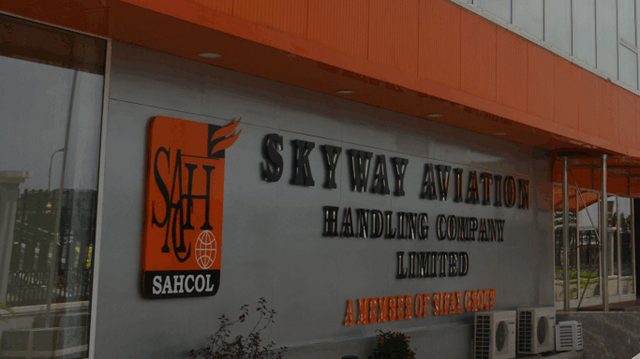
SAHCO Reports 131% Growth In Profit For H1 2025

SAHCO Appoints Herbert Odika As New Executive Director

Skyway Aviation Handling Company Plc (SAHCO) has reported a 131 percent increase in its profit after tax for the half-year ended June 30, 2025, as the company benefitted from expanded operations and improved efficiency across its aviation handling services.

According to its unaudited financial results, SAHCO’s profit after tax rose to ₦3.63 billion, up from ₦1.57 billion recorded in the same period of 2024.

The company’s revenue climbed 69 percent year-on-year to ₦10.68 billion from ₦6.31 billion, driven by strong performance across its core service segments. Gross profit more than doubled to ₦7.14 billion, compared to ₦3.75 billion in the previous year.

Operating profit also saw significant growth, increasing to ₦4.65 billion from ₦1.87 billion in H1 2024. However, administrative expenses rose to ₦2.6 billion from ₦1.94 billion, reflecting higher operational activity and inflationary pressures.

Finance costs were largely unchanged at ₦73.17 million versus ₦74.53 million a year earlier. However, finance income dropped sharply to ₦7.5 million from ₦82.5 million. The company also recorded a foreign exchange loss of ₦33.6 million during the period.

Despite this, SAHCO’s total comprehensive income rose to ₦3.59 billion from ₦1.5 billion in the prior year. The company declared an interim dividend of ₦812 million, up from ₦406 million paid in the same period last year.

SAHCO’s total assets grew to ₦52.97 billion as of June 2025, up from ₦37.96 billion a year earlier. The increase was driven by gains in property, plant and equipment, and a rise in trade receivables.

Shareholders’ equity also improved, rising to ₦36.36 billion from ₦26.63 billion in the corresponding period of 2024, indicating a stronger balance sheet and enhanced shareholder value.

Nigerian Stock Market Hits ₦92.25trn After 25-Day Rally

NGX Records N256bn Loss Last Week

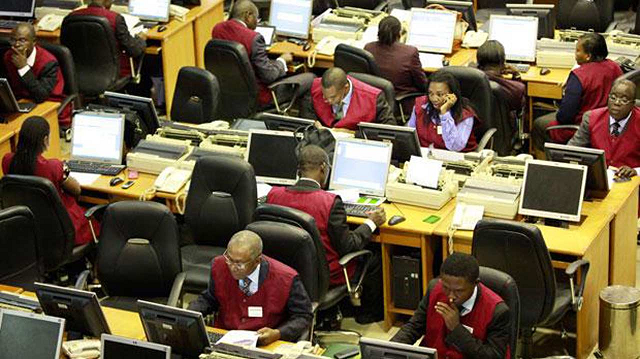
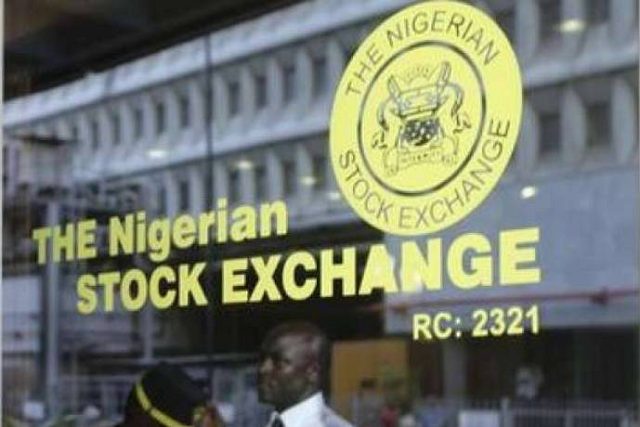
The Nigerian Exchange (NGX) extended its bullish momentum for the 25th consecutive session on Wednesday, pushing the market capitalisation to a new high of ₦92.25 trillion. This sustained rally has positioned the local bourse among the top-performing global markets in 2025.

Investor sentiment remains upbeat as strong corporate earnings and dividend declarations continue to draw attention to fundamentally sound equities. The rally, driven by renewed optimism and capital rotation from fixed income to equities, shows little sign of slowing.

Market data from the NGX revealed a sectoral shift, with the insurance index leading gains in an unusual turn, soaring by 9.87 percent—suggesting the sector remains undervalued despite recent reforms.

The All-Share Index (ASI) rose by 0.70 percent to close at 145,813.86 points, lifting year-to-date (YTD) returns to 41.67 percent. This performance was largely driven by sustained buying interest in medium- and large-cap stocks, particularly within the insurance sector.

The market’s capitalisation appreciated by ₦518.42 billion, reflecting a 0.57 percent increase, as trading activity surged. Total volume and value of trades jumped by 168.02 percent and 46.62 percent respectively, underscoring strong investor participation.

A total of 2.70 billion shares worth ₦32.63 billion exchanged hands across 35,137 deals.
Linkage Assurance (LINKASSURE) led the volume chart, accounting for 33.07 percent of total traded shares, followed by Sterling Financial (STERLINGNG) at 10.81 percent, AIICO (5.33 percent), Zenith Bank (3.55 percent), and LASACO (3.44 percent).
Zenith Bank emerged as the most traded stock by value, contributing 15.15 percent of the total turnover.

Top Gainers and Losers

Among the top gainers were JAIZ Bank, SCOA, HMCALL, Learn Africa, MANSARD, Mutual Benefits, MEYER, NEM Insurance, and Guinness Nigeria—all of which posted 10.00 percent gains. Other top advancers included Consolidated Hallmark (+9.97 percent), SterlingNG (+9.97 percent), C&I Leasing (+9.97 percent), Custodian Investment (+9.96 percent), Cornerstone Insurance (+9.96 percent), and 39 others.

On the losers’ chart, NGX Group and UACN declined by 10.00 percent each. They were followed by Multiverse (-9.68 percent), Champion Breweries (-5.31 percent), NASCON (-4.02 percent), VFD Group (-2.96 percent), and Zenith Bank (-1.98 percent).

Sectoral Performance

Market breadth remained positive with 53 stocks advancing against 26 that declined. Out of six sectoral indices, three posted gains.

The Insurance Index led the market, up 9.87 percent following the signing of the Insurance Reform Bill into law. Top performers in the sector included MANSARD and NEM, both up 10.00 percent.

The Industrial Goods Index rose by 2.85 percent, buoyed by gains in BUA Cement (+7.33 percent), while the Oil and Gas Index gained 0.96 percent, driven by OANDO (+9.46 percent).

In contrast, the Banking Index slipped by 0.36 percent, dragged by declines in Zenith Bank, and the Consumer Goods Index dipped 0.41 percent due to losses in International Breweries (-2.17 percent). The Commodity Index ended flat.

Sanwo-Olu Unveils Badagry Road Projects, Reaffirms Commitment To State-Wide Infrastructure Development

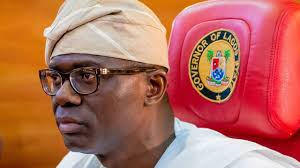
In a bid to deepen infrastructural development across Lagos State, Governor Babajide Sanwo-Olu on Wednesday commissioned a network of roads in Badagry Local Government Area and Olorunda Local Council Development Area, reaffirming his administration’s resolve to bring development to all corners of the state.

Speaking during the unveiling ceremony, Governor Sanwo-Olu thanked residents for their patience and unwavering support throughout the construction phase of the projects, particularly acknowledging their contributions during the last local government elections.

“Beyond the electoral process, we commend the continuous understanding, patience, and cooperation shown by the people of Badagry throughout the entire construction period,” he said.

The governor acknowledged the temporary disruptions experienced during the construction period, describing the community’s resilience as a crucial factor in the successful delivery of the projects.

“Your willingness to accommodate the challenges that accompany large-scale infrastructure works has been instrumental. This spirit of partnership has provided us with the leverage needed to overcome obstacles and ensure the timely delivery of these transformative road projects,” he added.

Highlighting the broader impact of the road projects, Sanwo-Olu said the improved infrastructure would boost economic activities, enhance tourism, and unlock remote communities within the region.

“We are using improved road infrastructure to enhance trade and commerce, stimulate the tourism sector, and, most importantly, open up remote areas. We are convinced that infrastructural development remains the foundation for a vibrant tourism sector,” he noted.

The newly commissioned roads include Samuel Ekundayo/Toga Road and Hospital Road, both designed to ease mobility, strengthen interconnectivity, and support tourism around Badagry’s historic landmarks such as the General Hospital, Agiya Tree Monument, and the Slave Trade Relic/Town Hall.

According to the governor, Samuel Ekundayo/Toga Road now serves as a vital alternative route to the Lagos-Badagry Expressway, linking Badagry Roundabout to Limca/Ibereko. The Hospital Road, on the other hand, is strategically located near Badagry Marina, a key hub for water transportation connecting Lagos Mainland, Island, and neighbouring West African countries.

Governor Sanwo-Olu assured the people that his administration remains committed to fulfilling its development promises across the state.

“Whether through roads, drainage systems, or other essential amenities, we are committed to reaching every nook and cranny of Lagos. True and sustainable development can only be realised when it touches the lives of all citizens,” he declared.

The governor concluded by appealing to community leaders and residents to take ownership of the projects and ensure they are well maintained.

“I urge all community leaders, the people of Badagry, and all road users to guard jealously the infrastructure being handed over today, ensuring its preservation for generations to come.”

The event attracted key stakeholders, community leaders, and residents who lauded the state government for prioritising infrastructural renewal in Badagry and other historically significant parts of Lagos.

CBN Raises Interest Rate On Long-Term Treasury Bills

The Central Bank of Nigeria (CBN) has increased the stop rate on 364-day Nigerian Treasury Bills to 16.50%, according to results from its latest primary market auction held on Wednesday.

Acting through the Debt Management Office (DMO), the apex bank offered a total of ₦220 billion across the standard tenors of 91, 182, and 364 days. The auction witnessed robust participation, with total subscriptions reaching ₦366.55 billion, signaling sustained investor appetite for fixed-income instruments—particularly longer-dated bills.

Investor interest was overwhelmingly skewed toward the 364-day bills, which received bids totaling ₦323.08 billion—more than double the ₦140 billion on offer. Ultimately, the CBN allotted ₦139.59 billion at a stop rate of 16.50%, up 62 basis points from 15.88% recorded at the previous auction.

Short-term maturities attracted considerably less attention. The 91-day bills, offered at ₦60 billion, saw tepid demand of just ₦22.60 billion. The CBN maintained the stop rate at 15.00% and allotted ₦15.33 billion to investors.

At the mid-curve, the 182-day bills recorded modest interest, with total subscriptions of ₦20.87 billion, slightly above the ₦20 billion offered. The spot rate was unchanged at 15.50%, with ₦18.32 billion allotted.

The uptick in yield on the 364-day instrument suggests that the CBN is maintaining its tight monetary stance in line with broader efforts to curb inflation and stabilize the naira. Analysts say the continued demand for longer tenors reflects investors’ preference for higher returns in a high-interest-rate environment.

Naira Fluctuates As Nigeria’s Foreign Reserves Surge

The Nigerian naira recorded a mixed performance across official and parallel markets this week, even as the country’s external reserves climbed closer to the $40 billion mark amid sustained foreign exchange inflows.

Data from the Central Bank of Nigeria (CBN) released on Wednesday showed that the naira weakened slightly at the official window, closing at ₦1,534.43 per dollar, compared to ₦1,533.10 on Tuesday. During intraday trading, the currency hit a high of ₦1,537.25, reflecting reduced liquidity in the absence of direct CBN intervention.

The local currency closed at ₦1,537 to the dollar, up from ₦1,533.50 in the previous session, even as FX inflows from open market operations helped ease some pressure on the market.

Despite its limited involvement in the official market in recent weeks, the CBN appears to be maintaining a level of stability without large-scale dollar sales to banks and authorized dealers. In the parallel market, however, the naira appreciated to ₦1,535 per dollar, supported by intermittent supply and cautious demand.

Volatility in the black market continues, fueled by seasonal demand, particularly from travelers seeking personal travel allowance (PTA). Banks have also reported a surge in PTA applications, further straining informal supply channels.

Nigeria’s gross external reserves rose to $39.814 billion as of Monday, driven by continued FX inflows that have persisted since the previous month. With oil prices relatively stable, analysts believe reserves could surpass the $40 billion threshold this week—bolstering the CBN’s capacity to manage currency pressures.

Looking ahead, analysts note that market direction in August will depend on key variables including oil prices, central bank FX strategies, and global investor sentiment. While stronger reserves and tight monetary policy could support stability, downside risks remain from potential declines in oil prices and broader global uncertainty.

Oil prices fell to an eight-week low following comments from former U.S. President Donald Trump suggesting progress in talks with Moscow, which cast doubt over the likelihood of new U.S. sanctions on Russia. Brent crude declined by 95 cents to $66.69 per barrel, while U.S. West Texas Intermediate (WTI) dropped 97 cents to $64.19.

In the precious metals market, gold prices eased as investors booked profits after recent gains. Spot gold dipped 0.39% to $3,368.01 per ounce, while U.S. gold futures fell 0.22% to $3,430.52. Market sentiment remains cautious as attention turns to Trump’s upcoming Federal Reserve nominations, the newly imposed U.S. tariff on India, and ongoing diplomatic developments between Russia and Ukraine.

64 Teams Set For Battle As N20m 1XBET Football Tourney Kicks Off August 12

Football fans are set for weeks of thrilling grassroots action as the third edition of the annual 1XBET Football Competition kicks off on August 12, with N20 million prize money at stake for the winning team.

At a colourful draw ceremony held on Wednesday at the Radisson Blu Hotel in Ikeja, Lagos, 20 teams were officially unveiled to compete in this year’s edition, following a rigorous screening process that saw 450 teams initially register for the tournament.

Out of the pool of applicants, 64 teams were selected by the technical committee, which further pruned the number down to 16 through two knockout preliminary rounds. The top four teams from last year’s tournament were then added to bring the final lineup to 20.

Tournament Director and former Super Eagles midfielder, Waidi Akanni, who conducted the live draw, expressed delight at the massive turnout and enthusiasm shown by teams across the country.

“I am so excited. It was a tough task picking the eventual qualifiers for the draw,” Akanni said. “We apologise to those who didn’t make it and encourage them to try again next year. We thank 1XBET for creating this platform and excitement for grassroots football in Nigeria.”

Akanni was assisted during the draw by sports broadcaster Segun Agbede, with the tournament organisers promising a bigger and better competition this year.

The group stage draw produced four competitive groups:

Group A: Community Gunners FC, 36 Lions FC, Colin Edwin FC, Africano FC, Nath Boys FC

Group B: Ikorodu City FC, Emaljus FC, G-Innovation FC, Young Strikers FC, ECAS FC

Group C: Emiloju FC, Joseph Dosu FC, Utility Sports FC, Soccer Cardinals FC, ISGAT FC

Group D: Bethel Sporting (defending champions), Divine Praise FC, Brighton FC, Vinno Energy, Inspire Sports Academy

The group matches will kick off at the Inspire Sports Academy on August 12, with the grand finale scheduled for October 16 at the Mobolaji Johnson Arena, Onikan, Lagos.

The event drew the presence of several former Nigerian internationals, including Victor Agali, Godwin Opara, Fatai Amao, and Wasiu Ipaye, who commended the organisers for investing in grassroots football development.

As the countdown begins, all eyes will be on the 20 teams as they jostle for glory, bragging rights, and the N20 million top prize.

African Leaders Demand Reforms to Cut Capital Costs and Boost Financial Future

African finance and development leaders have called for bold, Africa-led action to lower the cost of capital and unlock long-term prosperity across the continent. The call came during the Financing Africa Forward Summit held in Johannesburg on August 6, 2025.

The event, co-hosted by Standard Bank and Africa Practice in partnership with the ONE Campaign and the African Peer Review Mechanism (APRM), brought together key stakeholders to explore transformative financial solutions. Discussions centered on how African nations can reduce their reliance on expensive debt and shift toward sustainable, self-determined development financing.

Participants expressed concern over the crippling borrowing costs African countries face. Data shared at the Summit showed that African issuers pay up to 500% more for capital market loans than they would for loans from Multilateral Development Banks. With external debt servicing expected to hit $89 billion in 2024, many nations are spending more on repayments than they receive in development assistance.

To reverse the trend, attendees proposed a set of actionable reforms to be implemented over the next 12 to 36 months. These include:

  • Advocating for reforms in the global financial system to improve fairness and African influence in setting international standards.
  • Strengthening domestic financial governance by building institutional capacity, improving strategic investments, and increasing development spending.
  • Enhancing data quality and financial research transparency to shift global perceptions.
  • Running evidence-based campaigns to recast Africa as an investment destination rather than a region defined by risk and dependence.

Standard Bank CEO Sim Tshabalala stressed the importance of seizing the moment, stating: “This is not just about building roads and bridges, it is about building opportunity, resilience, and prosperity.”

Africa Practice CEO Marcus Courage compared the situation to a rigged climb. “Some nations get harnesses, while African countries must climb with weighted vests,” he said.

Dr Misheck Mutize of APRM echoed the urgency, warning global institutions not to dismiss Africa’s call for reform. “If they remain fixated on short-term benefits, they may soon find themselves irrelevant,” he said.

Didi Okonkwo Nwuneli, CEO of the ONE Campaign, emphasized that “affordable capital is a lifeline for Africa, not a luxury.”

The summit concluded with a strong consensus on creating a more just and enabling global financial system—one that reflects Africa’s vast potential and reduces the continent’s vulnerability to exploitative financing models.

Amnesty International Demands Immediate Release Of Sowore, Labels Arrest Politically Motivated

Amnesty International Nigeria has condemned the arrest and continued detention of human rights activist and Sahara Reporters publisher Omoyele Sowore, describing the action as arbitrary and politically motivated. The organisation has called for his immediate and unconditional release.

Sowore was detained on Wednesday after arriving at the Force Headquarters in Abuja to honour a police invitation. The invitation followed an investigation by the Inspector General of Police Monitoring Unit, which alleges that Sowore is being probed for forgery and inciting public disturbance.

In a statement issued late Wednesday on its official X account, Amnesty International criticised the detention as another instance of targeted harassment and intimidation by the Nigerian Police against peaceful critics and dissenters.

The organisation stated that Sowore’s arrest was based on what it described as bogus charges and called on authorities to respect his rights to freedom of expression and peaceful assembly. It also accused the government of using the justice system to suppress critical voices.

“Nigerian authorities must immediately and unconditionally release Sowore and drop all bogus and politically motivated charges against him,” the statement said. “Authorities should listen to critics instead of seeking to gag them through outright abuse of power.”

Amnesty International recalled that it had declared Sowore a Prisoner of Conscience in November 2019 following his earlier detention. The group noted that since 2019, he has faced multiple arbitrary detentions and what it described as unfair trials for exercising his rights.

The latest detention has sparked widespread criticism online, with hashtags such as #FreeSoworeNow and #RevolutionNow trending across social media platforms as calls for his release intensify.

NAICE 2025: Nigeria Pushes for Sustainable Energy Future Through Innovation and Reform

Amid efforts to tackle energy poverty and accelerate Africa’s energy transition, ministers, regulators, oil companies, and other stakeholders convened at the 2025 Nigeria Annual International Conference and Exhibition (NAICE) in Lagos. The theme, “Building a Sustainable Energy Future: Leveraging Technology, Supply Chain, Human Resources and Policy,” aimed to align strategies across the value chain.

Key participants included Petroleum Ministers Heineken Lokpobiri (Oil) and Ekperikpe Ekpo (Gas); regulators Gbenga Komolafe and Farouk Ahmed; and NNPC CEO Bayo Ojulari, who addressed the summit virtually.

Minister Lokpobiri underscored the need for innovation in Nigeria’s energy sector, emphasizing how technologies such as AI-driven exploration and non-invasive survey methods can improve efficiency, reduce environmental impact, and lower costs. He also urged EPC firms that exited the Nigerian market to return, citing reforms under the Petroleum Industry Act that make the sector more attractive to investors.

Oba Saka Matemilola, the Olowu of Owu, called for cohesive policy frameworks to support sector growth. In response, Gbenga Komolafe highlighted 21 new upstream regulations aimed at enabling investment, strengthening local supply chains, and building technical capacity. He also announced initiatives such as cluster development for marginal oil and gas fields and Nigeria’s recent bump in production to 1.78 million barrels per day.

Farouk Ahmed stressed the central role of affordable, clean energy in realizing Nigeria’s $1 trillion economy goal by 2030. He cited policy clarity, integrated infrastructure, and local innovation as critical to attracting investment and expanding industrial sectors.

Minister Ekpo emphasized gas utilization, asserting that digital tools are key to optimizing the gas value chain. He outlined efforts to develop local manufacturing capacity, enforce domestic supply obligations, and strengthen workforce diversity and skills through youth and gender inclusion.

Collectively, the summit produced a united narrative: overcoming energy poverty requires not just policy, but coordinated action technology adoption, regulatory reform, and private-public collaboration. Representatives emphasized that Nigeria is poised to bridge the gap between potential and prosperity if it sustains this alignment.

Stakeholder Urges Tinubu To Privatise Port Harcourt Refinery, Faults NNPC’s Retention Plan

The National Publicity Secretary of the Petroleum Products and Retail Owners Association of Nigeria, Joseph Obele, has criticised the Nigerian National Petroleum Company Limited’s decision to retain ownership of the Port Harcourt Refining Company, calling for its immediate privatisation.

Speaking as a Port Harcourt community stakeholder, Obele expressed concern over the NNPC’s recent announcement ruling out the refinery’s sale. He said the decision contradicts the nation’s interest, citing a history of inefficiency, corruption, and mismanagement within the company.

“This isn’t good news. NNPC’s plan to keep the Port Harcourt refinery while proposing to sell the ones in Warri and Kaduna is concerning. Their track record is well-documented consistent failures, fuel scarcity, and mismanagement,” Obele said.

He argued that private firms have historically shown more responsiveness to host communities and deliver better operational outcomes, using Indorama Petrochemical as an example.

Obele highlighted the potential benefits of privatisation, including increased efficiency, job creation, accountability, reduced corruption, and community development. He urged President Bola Tinubu to reverse the NNPC’s decision and support the sale of the refinery.

“We’re ready to receive any private investor with full cooperation. This will not only benefit our community but contribute to the nation’s economic growth,” he added.

Last week, NNPC reaffirmed its stance against the refinery’s sale, stating that technical and financial reviews supported continued in-house rehabilitation. Group Chief Executive Officer Bayo Ojulari said privatisation could lead to further value erosion.

The Port Harcourt refinery, which underwent shutdown for maintenance in May, remains closed two months later. Meanwhile, Dangote Group President Aliko Dangote recently expressed doubts about the viability of Nigeria’s state-owned refineries, noting they had consumed up to $18 billion with little return.

Naira Diverges Across Markets As Reserves Near $40bn, Oil and Gold Prices Retreat Globally

How Much Money Is Spent On Groceries In Nigeria, Other Countries?

The Nigerian naira showed mixed performance across foreign exchange markets this week, as the country’s gross external reserves climbed toward the $40 billion mark on sustained inflows.

Data released by the Central Bank of Nigeria (CBN) on Wednesday revealed that the naira depreciated at the official window, closing at ₦1534.43 per dollar, compared to ₦1533.10 on Tuesday. The intraday spot rate peaked at ₦1537.25 amidst limited CBN intervention, indicating restrained dollar supply in recent sessions.

Conversely, the parallel market saw a slight appreciation in the naira to ₦1535 per dollar, buoyed by intermittent inflows and strong demand from travelers seeking personal travel allowances. Dealers said seasonal pressure continues to influence the black market, although liquidity has improved in recent weeks.

Despite reduced CBN activity, analysts note a level of stability has been maintained, thanks in part to stronger external reserves and ongoing policy tightening. As of Monday, gross reserves stood at $39.814 billion, putting the apex bank in a firmer position to defend the naira should volatility increase.

The outlook for the naira remains linked to global oil prices, the CBN’s forex strategy, and broader market sentiment. However, analysts warn that potential risks from falling oil prices and geopolitical developments could affect stability.

Global oil markets were also jittery this week, with Brent crude falling to $66.69 per barrel and West Texas Intermediate dropping to $64.19 amid renewed uncertainty over U.S. sanctions on Russia. The comments from former President Donald Trump about possible progress with Moscow rattled energy traders.

Gold prices also retreated after recent gains, with spot gold slipping by 0.39% to $3,368.01 per ounce, while U.S. futures edged down 0.22% to $3,430.52. Investors are awaiting signals from the White House ahead of upcoming Federal Reserve nominations and potential tariff actions targeting India.

Oil Prices Rise As Trump Threatens Tariffs On India For Buying Russian Crude

Global oil prices climbed on Wednesday after former US President Donald Trump threatened to impose higher tariffs on India for buying discounted oil from Russia.

Brent crude rose 0.74% to $67.97 per barrel, while US benchmark WTI gained 0.72% to $65.04. The jump followed Trump’s statement accusing India of profiting from Russian oil sales amid the ongoing war in Ukraine.

“They don’t care how many people in Ukraine are being killed by the Russian War Machine,” Trump wrote on Truth Social, vowing to “substantially raise” tariffs on India.

The threat came ahead of a key August 8 deadline Trump set for Russia to agree to a ceasefire deal. His special envoy, Steve Witkoff, has arrived in Moscow for talks, with a possible meeting with President Putin on the table.

In addition to the geopolitical tensions, US crude inventories dropped by 4.2 million barrels last week, signaling rising demand. Official figures from the US Energy Information Administration are expected later.

Meanwhile, OPEC+ announced that eight member countries will increase output by 547,000 barrels per day in September as part of efforts to regain global market share.

Bitcoin Trades At $114,000 As Crypto Market Faces Broad Correction

Bitcoin hovered around the $114,000 level on Wednesday as the broader cryptocurrency market recorded mixed performance, signaling a possible cooling of the recent rally.

Data from CoinMarketCap showed Bitcoin (BTCUSD) gained 0.02% in the past hour but was down 0.01% on the day. Analysts described this as a consolidation phase following last month’s surge that pushed the asset to an all-time high above $123,000.

Ethereum (ETH) rose marginally by 0.01% to $3,640, while XRP dropped 0.05% to $2.95 after failing to break above the $3.00 resistance. Solana (SOL) edged up 0.06%, buoyed by the global release of Solana Mobile’s new Web3 smartphone, the Seeker. Dogecoin (DOGE) fell below key support levels, retreating under $0.20 amid bearish sentiment.

Despite the recent pullback, market watchers see potential for a rebound, citing expectations that the US Federal Reserve could cut interest rates in September. Lower rates typically benefit riskier assets like cryptocurrencies.

Ethereum remains under pressure near the $4,000 mark despite rising reserves of $10.16 billion and 19 straight days of inflows into spot ETH ETFs. Altcoins remain volatile, with sporadic gains failing to sustain momentum.

Crypto analysts suggest the market is entering a period of wait-and-see, with top assets consolidating and investors watching for stronger catalysts to revive momentum.

Aviation Stakeholders Set To Convene For High-Level Financing Summit

The 29th Annual Conference of the League of Airport and Aviation Correspondents (LAAC) is scheduled to hold this Thursday in Lagos, with a sharp focus on aviation financing in Nigeria.

Themed ‘Aviation Financing in Nigeria: The Risks, Opportunities, and Prospects’, the conference will bring together top industry stakeholders, policymakers, and financial experts for in-depth discussions on sustainable funding models for the sector.

In a statement, Conference Committee Chairman Wole Shadare confirmed that renowned economist and Managing Director of Financial Derivatives Company, Mr. Bismarck Rewane, will deliver a keynote address. Rewane is expected to provide macroeconomic insights and outline strategies for attracting sustainable investments into the aviation space.

Also expected to deliver a keynote is aviation economist Dr. Gabriel Olowo, who will speak on air transport economics and industry dynamics.

The conference will feature the Minister of Aviation and Aerospace Development, Mr. Festus Keyamo, as Special Guest of Honour, while the Director-General of Civil Aviation, Capt. Chris Najomo, will deliver a goodwill message on behalf of the Nigerian Civil Aviation Authority (NCAA).

The Managing Director of the Asset Management Corporation of Nigeria (AMCON), Mr. Gbenga Alade, will also be in attendance.

A high-powered panel discussion will include industry experts such as Dr. Alex Nwuba, Chairman of the Aircraft Owners and Pilots Association; Mr. Chris Aligbe, former General Manager of Nigeria Airways; Dr. Thomas Ogungbangbe, CEO of CITA Energies Ltd; and Capt. Roland Iyayi, CEO of TopBrass Aviation, among others.

The event is poised to deliver actionable recommendations for boosting investor confidence, strengthening policy frameworks, and unlocking new funding channels for Nigeria’s aviation sector.

Trump Slaps Additional 25% Tariff On India For Buying Russian Oil

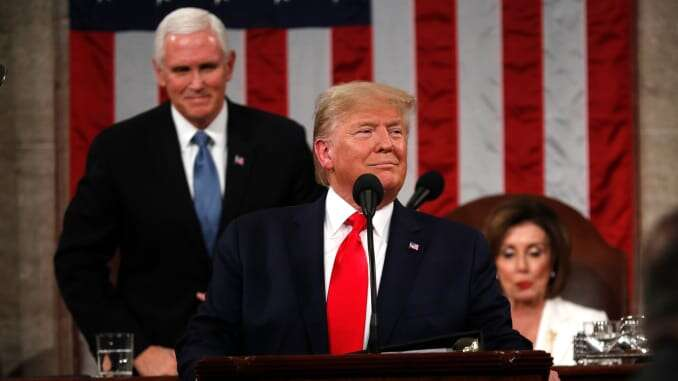
Trump

U.S. President Donald Trump on Wednesday signed an executive order imposing an additional 25% tariff on Indian imports in response to New Delhi’s continued purchase of Russian oil — a key revenue stream for Moscow’s war in Ukraine.

The new tariff, which takes effect in three weeks, comes on top of an earlier 25% duty set to be enforced on Thursday. While the order broadens the scope of U.S. trade actions against India, it maintains exemptions for certain categories, including steel, aluminum, and some pharmaceuticals, which are covered under separate sector-specific trade policies.

U.S. Imposes $15,000 Visa Bond On Applicants From Two African Nations

US Imposes Visa Ban On Nigerians Who Undermined Democracy

The United States has announced a new visa policy requiring citizens of Malawi and Zambia to post a refundable $15,000 bond when applying for tourist or business visas. The 12-month pilot programme, unveiled by the U.S. State Department, is aimed at curbing visa overstays and tightening screening procedures.

According to the department’s notice published Tuesday, the policy targets applicants from countries with high overstay rates or where vetting information is deemed insufficient. The bond will be returned once the visitor departs the U.S. within the authorised period.

Officials indicated that the measure could soon extend to citizens of other nations with similar immigration patterns. Data from the U.S. Department of Homeland Security in 2023 showed overstay rates of 14% for Malawian and 11% for Zambian visitors. Other countries with higher overstay rates include Haiti (31%), Myanmar (27%), and Yemen (20%).

Zambia’s Foreign Minister, Mulambo Haimbe, confirmed that discussions with U.S. authorities are underway to better understand the policy’s implications and explore possible resolutions.

The new visa bond is part of broader immigration reforms under President Donald Trump’s administration. Since returning to office in January, Trump has signed multiple executive orders aimed at reducing illegal immigration and tightening entry requirements.

His administration has also imposed travel bans on nationals from 12 countries, restricted entry for several others, revoked student visas, and carried out detentions on college campuses—moves often criticised as heavy-handed. While U.S. officials say the actions target individuals whose presence is considered contrary to national interests, immigration lawyers report that even minor legal infractions have led to cancellations and detentions.

Critics argue that recent visa actions also appear to disproportionately affect individuals involved in pro-Palestinian activism or advocacy.

BizWatchNigeria.Ng
Privacy Overview

This website uses cookies so that we can provide you with the best user experience possible. Cookie information is stored in your browser and performs functions such as recognising you when you return to our website and helping our team to understand which sections of the website you find most interesting and useful.