







KEY POINTS
- Oil prices stabilised after falling almost 4 per cent in the previous session on cautious optimism about efforts to end the US-Iran war.
- US Vice President JD Vance reportedly discussed negotiations with Iran with Qatar’s prime minister.
- Crude exports from the Persian Gulf have increased despite attacks on tankers transiting the Strait of Hormuz.
- The International Energy Agency expects the oil market to move into a surplus this quarter.
MAIN STORY
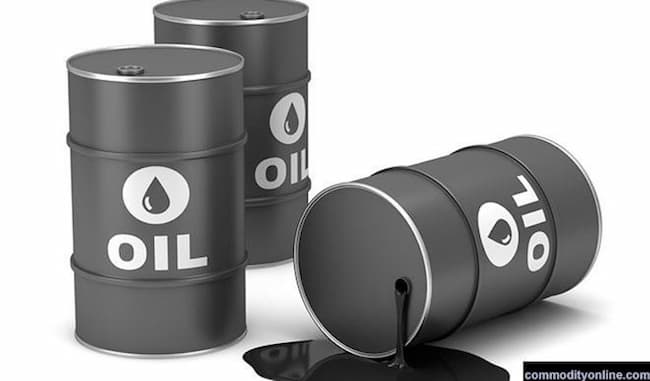
Oil prices steadied after dropping almost 4 per cent in the previous session as investors weighed prospects of a negotiated end to the US-Iran war against expectations of growing global supply.
West Texas Intermediate (WTI) traded around $80 per barrel, while Brent crude closed above $89.
According to Axios, US Vice President JD Vance met Qatar’s prime minister to discuss negotiations with Iran. Qatar has been involved in efforts to mediate an end to the conflict, which has lasted nearly nine months.
Brent, the global benchmark, has fallen this month after US President Donald Trump delayed renewed military strikes following the Democratic Party’s victory in the US midterm elections.
However, fighting has continued at a lower intensity, with repeated attacks on tankers travelling through the Strait of Hormuz. Trump has also threatened to resume attacks next year if negotiations fail.
Despite the hostilities, crude exports from the Persian Gulf have increased, easing concerns about immediate supply shortages.
THE ISSUES
The decline in oil prices reflects two developments working in the same direction: cautious optimism about a possible peace deal and expectations that global supply could exceed demand.
The International Energy Agency expects the oil market to move into surplus this quarter, while Goldman Sachs has warned of a possible glut next year.
If supplies continue to rise while demand remains insufficient to absorb additional production, prices could face further downward pressure.
However, a peace agreement remains uncertain. Iran wants Washington to lift its naval blockade of Iranian ports, ease sanctions and release frozen assets before it fully reopens the Strait of Hormuz.
The US, meanwhile, is demanding concessions from Tehran over its nuclear programme.
These differences mean that diplomatic progress could still be disrupted, leaving the oil market exposed to renewed supply concerns if hostilities intensify.
WHAT’S NEXT
Investors will monitor further diplomatic contacts between Washington and Tehran for signs of progress towards a settlement.
The market will also watch crude export levels, tanker movements through the Strait of Hormuz and forecasts from major energy agencies for indications of whether the expected supply surplus will materialise.
Trump’s warning that military action could resume next year if negotiations fail remains another source of uncertainty.
BOTTOM LINE
Oil prices are facing pressure from expectations of stronger supply and hopes of an end to the US-Iran conflict. But until Washington and Tehran resolve their major disagreements, the risk of renewed hostilities could prevent a sustained decline in crude prices.
Bloomberg