





Key points
- Federal Government says Nigeria is positioned to help address global energy challenges through its vast natural gas resources.
- Nigeria holds 215 trillion cubic feet of proven gas reserves, the largest in Africa, according to the government.
- The government says gas is central to industrialisation, power generation, transportation and clean cooking initiatives.
- Officials say reforms under the Petroleum Industry Act have improved the investment climate and positioned Nigeria as a leading LNG supplier.
Main story
The Federal Government says Nigeria is well positioned to contribute to global energy security while using its abundant natural gas resources to drive industrialisation and economic development at home.
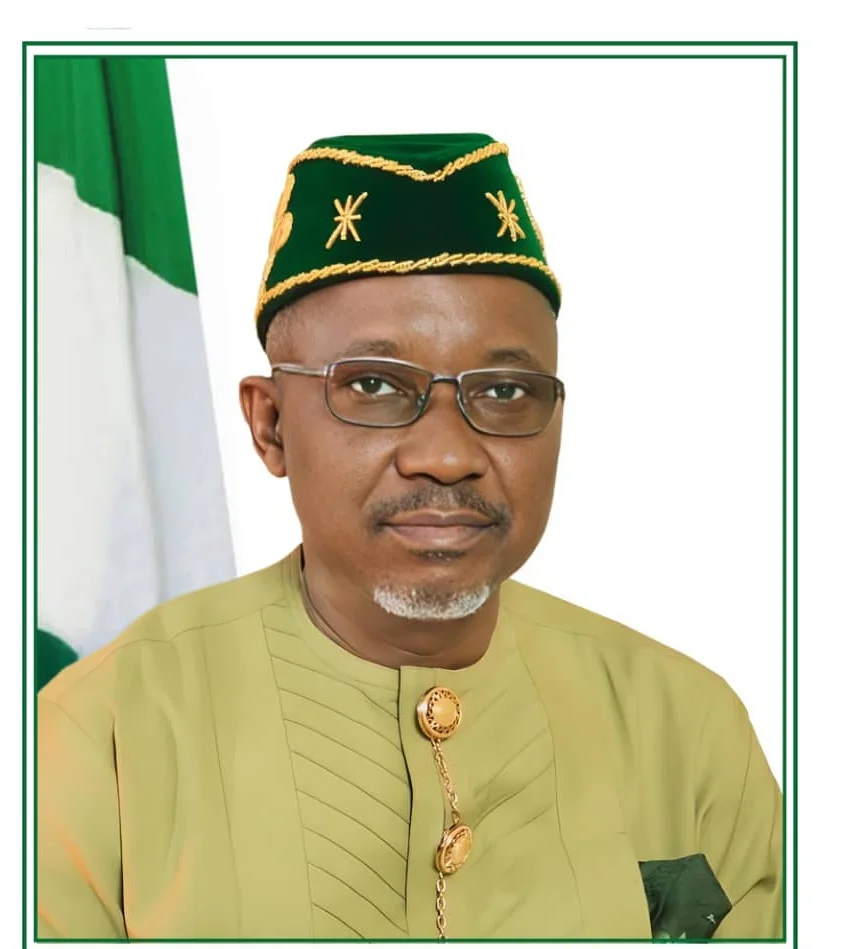
The Minister of State for Petroleum Resources (Gas), Dr Ekperikpe Ekpo, made the assertion on Tuesday while speaking at the opening of the 25th Nigeria Oil and Gas (NOG) Energy Week in Abuja.
Addressing participants at the conference, themed “Forging Africa’s Strategic Energy Growth Through Global Collaboration,” Ekpo said Nigeria possesses the resources, policy reforms and investment opportunities needed to play a bigger role in meeting global energy demand.
He said the country had evolved from being simply a gas-rich nation to one focused on using its gas resources to power economic growth and improve living standards.
According to the minister, Nigeria’s proven natural gas reserves stand at about 215 trillion cubic feet (TCF), making it the largest gas reserve holder in Africa and one of the top ten globally.
Ekpo said the government is prioritising domestic gas utilisation by supplying industries, fertiliser and petrochemical plants, expanding gas-powered transportation and promoting clean cooking solutions for households.
He noted that increased domestic gas utilisation would stimulate industrial production, create jobs, reduce dependence on imports and improve the quality of life for Nigerians.
The minister said Nigeria is implementing reforms, expanding infrastructure and strengthening institutions to create a stable environment capable of attracting long-term investment into the gas sector.
He identified the Petroleum Industry Act (PIA) 2021 as a major turning point, saying the legislation replaced regulatory uncertainty with a more transparent, commercially driven and investor-friendly framework.
According to him, the reforms have strengthened regulatory certainty and enhanced Nigeria’s competitiveness as an investment destination.
Ekpo also highlighted growing global demand for Liquefied Natural Gas (LNG), particularly in Europe and Asia, as countries pursue decarbonisation while maintaining energy security.
He said Nigeria intends to become a leading supplier in the expanding LNG market rather than simply participating in it.
The minister pointed to the ongoing Nigeria LNG Train 7 project as a key component of that strategy, noting that it will increase the country’s LNG production capacity from 22 million tonnes per annum (MTPA) to 30 million tonnes per annum upon completion.
He said the expansion would significantly strengthen Nigeria’s export capacity and reinforce its role in supporting global energy security.
Ekpo stressed, however, that the country’s energy wealth must also deliver tangible benefits to citizens through improved access to energy, employment opportunities and industrial development.
He added that Africa’s long-term energy security would depend on stronger regional cooperation, integrated energy markets and greater investment in cross-border infrastructure.
The issues
Nigeria is positioning natural gas as a transition fuel that can simultaneously support domestic industrialisation and meet growing international demand for cleaner energy. The government believes ongoing reforms and investments in gas infrastructure will help attract capital, expand exports and improve energy access, although achieving these goals will require sustained investment and regional collaboration.
What’s being said
“The question is who will provide that energy responsibly, reliably and competitively. Nigeria is prepared to answer that call.” — Ekperikpe Ekpo, Minister of State for Petroleum Resources (Gas)
“Every cubic feet of gas utilised domestically translates directly to new local jobs, reinforced industrial output, reduced import dependency, and a higher standard of living.” — Ekperikpe Ekpo
What’s next
The Federal Government will continue implementing gas sector reforms, advancing the Nigeria LNG Train 7 project and promoting investments aimed at expanding domestic gas utilisation and strengthening Nigeria’s position in global energy markets.
Bottom line
The government believes Nigeria’s vast gas reserves, policy reforms and expanding LNG capacity position the country to play a larger role in global energy security while accelerating domestic industrial and economic growth.