








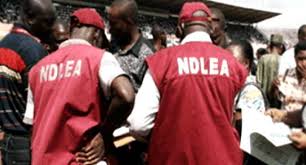
By Annette Ikponmwonba | October 13, 2026
Key Points
· NDLEA Chairman Brig. Gen. Mohamed Buba Marwa (Rtd) says the agency has delivered measurable results and transformed Nigeria’s drug control
· He spoke at the 81st Session of the UN General Assembly in New York, represented by the agency’s Secretary, Shadrach Haruna
· Between January 2025 and September 2026, the NDLEA recorded 38,242 arrests, seized over 5.8 million kilograms of illicit drugs valued above ₦2.5 trillion, and secured 6,232 convictions
· More than 16,303 people received counselling, treatment or rehabilitation over the same period
· Marwa highlighted the Alternative Development pilot in three Ondo State communities, helping residents move from illicit cannabis cultivation to legitimate farming
· He urged stronger international intelligence-sharing so criminal networks cannot exploit gaps between jurisdictions
Main Story
The Chairman of the National Drug Law Enforcement Agency, Brig. Gen. Mohamed Buba Marwa (Rtd), has said the agency has delivered measurable results and transformed Nigeria’s drug control. He made this known on Monday at the ongoing 81st Session of the United Nations General Assembly in New York, which carries the theme “Restoring Trust, Managing Transformation: A United Nations that Delivers for All.”
Represented by the agency’s Secretary, Shadrach Haruna, Marwa said the NDLEA has evolved from a predominantly enforcement-focused organisation into an integrated, intelligence-led and people-centred body. It now brings together law enforcement, public health, technology, financial investigation, alternative livelihoods and international cooperation.
According to him, between January 2025 and September 2026, the NDLEA recorded 38,242 arrests, seized more than 5.8 million kilograms of illicit drugs valued at over ₦2.5 trillion, and secured 6,232 convictions. Over the same period, more than 16,303 people received counselling, treatment or rehabilitation, while prevention and sensitisation activities reached millions of Nigerians.
The Issues
Marwa said the shift in approach was driven by a changing threat. Trafficking networks have grown more sophisticated, technology has opened new channels for illicit activity, and criminal proceeds move rapidly across borders, while drug dependence continues to affect individuals, families and communities.
This points to a move away from measuring success by arrests and seizures alone. Nigeria’s emphasis is increasingly on dismantling major traffickers, organised structures and the financial networks behind the drug trade, which is a harder and slower task than counting seizures, The Alternative Development initiative also shows the agency trying to address root causes. By supporting residents of three Ondo State communities to shift from illicit cannabis cultivation to legitimate agriculture, it tackles the economic pressures that keep people in the trade, though the programme is still at pilot stage.
What’s Being Said
Marwa said Nigeria broadened its focus “from drugs and offenders alone to the criminal networks, illicit profits and vulnerabilities that sustain the drug economy., He also cited the NDLEA’s Drug Integrity Test and Visa E-Administration System as examples of how digital tools can improve accessibility, efficiency, transparency and integrity in public administration, He told the Assembly that Nigeria is ready to share lessons, learn from others, and work with Member States, the United Nations and international partners to move from commitment to implementation, from cooperation to collective action, and from transformation to measurable delivery.
What’s Next
The reforms are being consolidated in the National Drug Control Master Plan 2026 to 2030, which covers six pillars: drug supply reduction, drug demand reduction, access to controlled medicines, governance and coordination, alternative development, and disruption of the illicit drug economy, Attention will turn to whether the Alternative Development pilot in Ondo State is expanded to more communities, and whether Marwa’s call for stronger international intelligence-sharing leads to concrete cooperation with other countries.
Bottom Line
Marwa used the UN General Assembly to present the NDLEA as a transformed, intelligence-led agency backed by strong arrest, seizure and conviction figures, while pushing for deeper international cooperation and a shift in focus toward the networks and finances behind the drug trade.









, has said the agency has delivered...)