








Key points
- The National Commission for Colleges of Education (NCCE) is adopting digital tools to improve teacher education and institutional monitoring.
- New platforms, Blackboard LMS and Illuminate Analytics, will enable real-time tracking of academic activities across colleges of education.
- Officials say the initiative will enhance decision-making, curriculum monitoring and overall quality assurance in the sector.
Main story
The National Commission for Colleges of Education (NCCE) has unveiled plans to strengthen teacher education in Nigeria through the deployment of advanced digital platforms aimed at improving institutional governance, monitoring, and quality assurance.
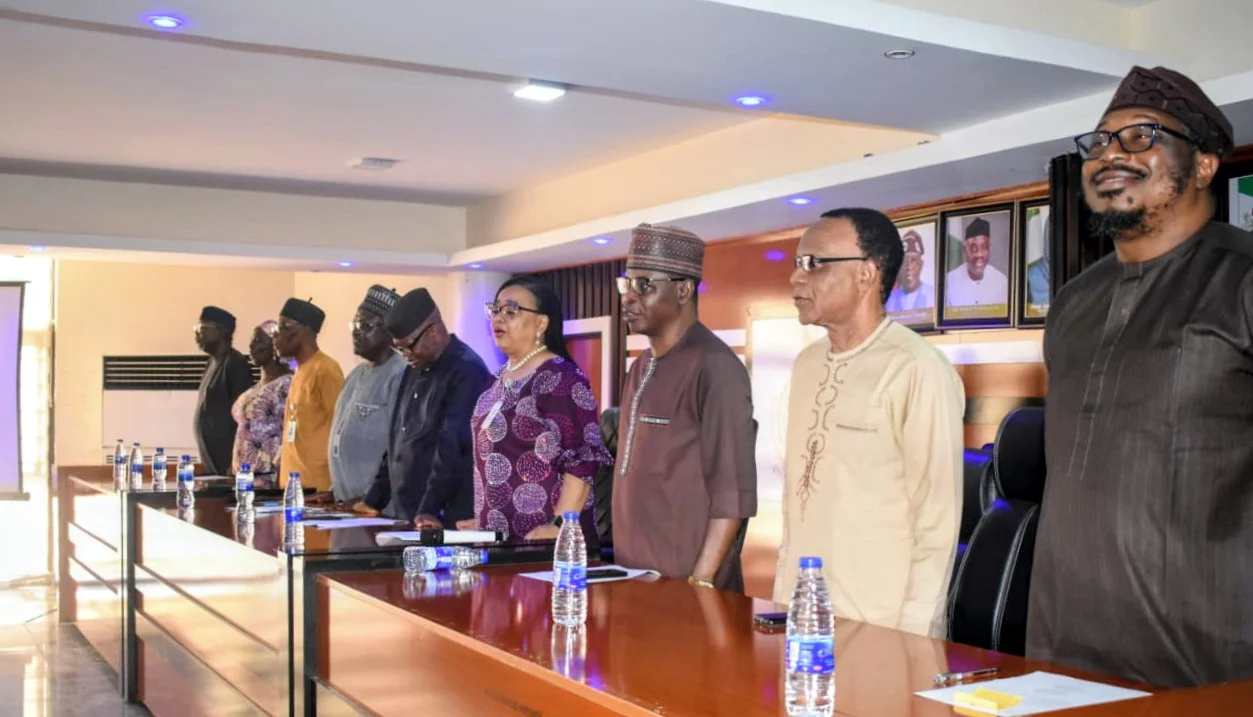
The Executive Secretary of the commission, Dr. Angela Ajala, disclosed this on Monday in Abuja during the opening of a four-day training programme for staff on Blackboard Learning Management System (LMS) and Illuminate Analytics.
Ajala said the adoption of the platforms marks a significant step in modernising the commission’s regulatory operations and aligning them with global best practices in education management.
According to her, the technologies will provide real-time visibility into academic and administrative activities across colleges of education nationwide, enabling more informed and timely decision-making.
She described the training, themed “Enhancing Digital Competencies for Effective Learning Management and Executive Productivity,” as a strategic investment in workforce capacity development.
Ajala further explained that the initiative is designed to equip staff with essential digital skills needed to effectively utilise learning management systems, online tools, and data-driven platforms for teaching, administration, and regulatory oversight.
The issues
The NCCE noted that traditional methods of monitoring colleges of education—such as periodic inspections and accreditation visits—are no longer sufficient in a rapidly evolving digital learning environment.
Challenges in real-time monitoring, data collection, and evaluation have made it difficult to continuously assess curriculum delivery, lecturer performance, and student engagement across institutions.
The commission said these gaps necessitated a shift toward technology-driven supervision to ensure improved accountability and learning outcomes.
What’s being said
Ajala stressed that the commission’s mandate of setting and maintaining standards in teacher education requires innovative digital approaches.
She said:
“The commission’s mandate of setting standards for teacher education in Nigeria requires innovative and technology-driven approaches capable of meeting contemporary educational demands.”
She added that the new platforms will allow the commission to transition from periodic oversight to continuous monitoring of academic activities in real time.
Ajala also commended technical partners, including Pole Global Marketing and Anthology, for supporting the commission’s digital transformation agenda.
A representative of the partner organisation, Mr. Adebayo Wale, said the collaboration aligns with the commission’s vision to strengthen supervision and improve quality assurance across colleges of education.
He explained that Blackboard LMS will serve as a central hub for academic content, communication, and assessments, while Illuminate Analytics will provide data-driven insights for planning, evaluation, and performance tracking.
What’s next
The NCCE is expected to expand the rollout of the digital platforms across colleges of education nationwide following the completion of staff training.
Further capacity-building programmes are likely to follow to ensure effective adoption and integration of the systems into regulatory processes.
The commission may also begin phased implementation of real-time monitoring across institutions as part of broader education reform efforts.
Bottom line
The introduction of Blackboard LMS and Illuminate Analytics marks a significant shift in how Nigeria’s teacher education system is monitored and regulated. By embracing digital tools, the NCCE aims to strengthen oversight, improve decision-making, and enhance the quality of teacher training across the country.









 has unveiled plans to strengthen teacher education in Nigeria through...)