Key points
- UK Prime Minister Keir Starmer has announced his resignation as Labour leader and prime minister.
- Starmer will remain in office until the Labour Party selects a successor.
- The resignation follows mounting pressure after Labour’s poor performance in local elections.
- Andy Burnham is widely expected to launch a bid for the party leadership.
- Britain is set to have its seventh prime minister in a decade.
Main Story
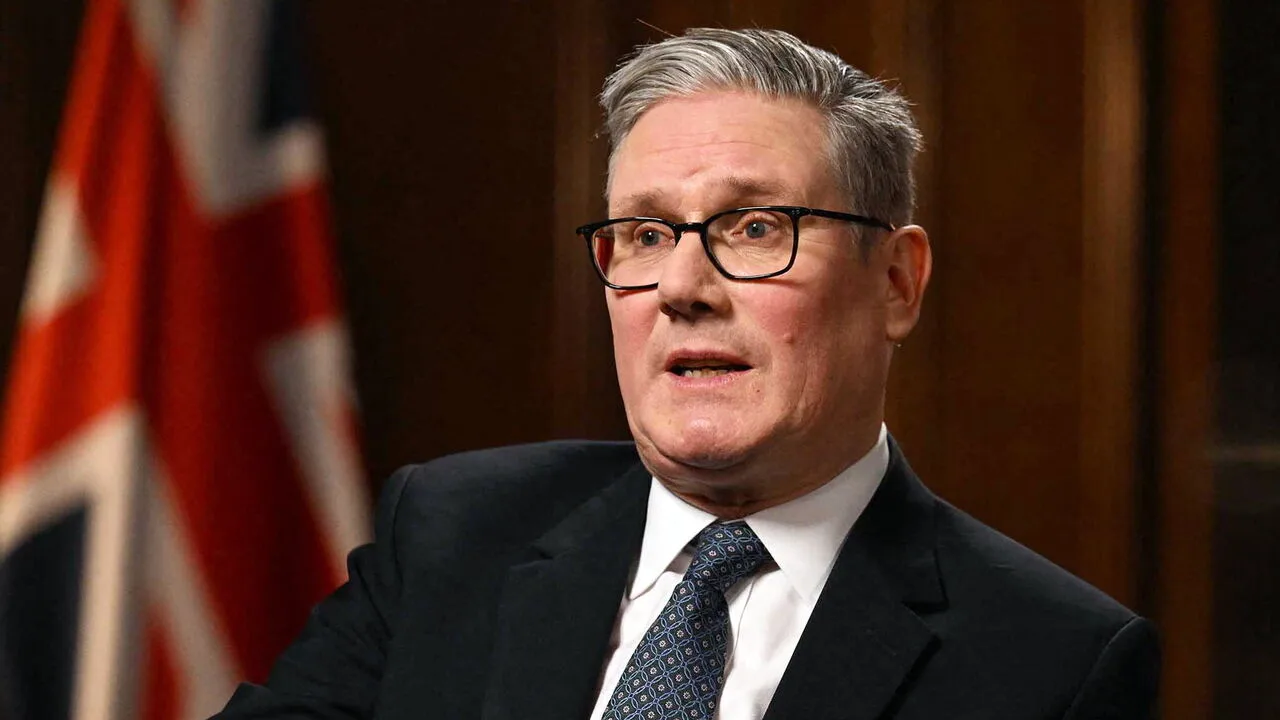
Prime Minister Keir Starmer has announced his resignation as leader of the governing Labour Party and will step down as prime minister after a successor is chosen, bringing an abrupt end to a turbulent period in office.
Starmer made the announcement outside 10 Downing Street on Monday, saying he had concluded that Labour needed new leadership ahead of the next phase of government. He will remain as caretaker prime minister while the party conducts a leadership contest expected to conclude before Parliament returns from its summer recess.
The resignation comes less than two years after Starmer led Labour to a landslide victory in the 2024 general election. However, his government has faced growing criticism over policy reversals, declining approval ratings and internal divisions that intensified following heavy losses in local elections earlier this year.
Pressure on the prime minister increased in recent weeks as Labour lawmakers openly questioned his leadership and the party’s electoral prospects. Reports indicated that more than 100 Labour MPs had urged him to step aside, while several senior figures were said to have pressed for a transition in leadership.
Attention has now shifted to potential successors, with Andy Burnham emerging as the leading contender after securing victory in a recent by-election that strengthened his position within the party.
Starmer’s departure means Britain will begin the process of selecting another prime minister at a time of economic uncertainty and political realignment, with Labour seeking to rebuild support ahead of future elections.
The Issues
- Declining public support for the Labour government.
- Internal divisions and leadership tensions within Labour.
- Poor local election results and electoral setbacks.
- Economic challenges facing the UK.
- Political instability marked by frequent leadership changes.
What’s Being Said
- “Every decision I have taken has been about putting the country I love first,” Starmer said while announcing his resignation outside Downing Street.
- “I want to be the best dad I can to my beautiful children, who are my pride and joy,” he said while reflecting on his decision to leave office.
- Andy Burnham said Labour had a “final chance to change” while positioning himself as a potential successor to Starmer.
- US President Donald Trump said Starmer had failed on immigration and energy policies, adding: “I wish him well.”
What’s Next
- Labour will begin a leadership contest to choose a new party leader.
- Starmer will remain caretaker prime minister during the transition.
- Andy Burnham is expected to formally enter the leadership race.
- The new Labour leader could be in place before Parliament reconvenes in September.
Bottom Line
Keir Starmer’s resignation marks a dramatic turn for Labour less than two years after its election victory, opening a leadership contest that will shape the future direction of both the party and the UK government.