






KEY POINTS
- Lagos pump prices for petrol have surged to between N1,250 and N1,350 per litre, a sharp increase from the sub-N1,000 rates seen earlier in the month.
- The Dangote Refinery raised its ex-gantry price by 18.1% in just three days, moving from N995 to N1,175 per litre due to rising global feedstock and logistics costs.
- Global pressures, including the escalating Israel-Iran conflict and Houthi attacks in the Red Sea, have pushed Brent crude toward $99 per barrel and spiked freight costs by 40%.
- Commuter fares in Lagos have already jumped by more than 30%, with experts warning of a “multiplier effect” on food inflation and manufacturing costs.
MAIN STORY
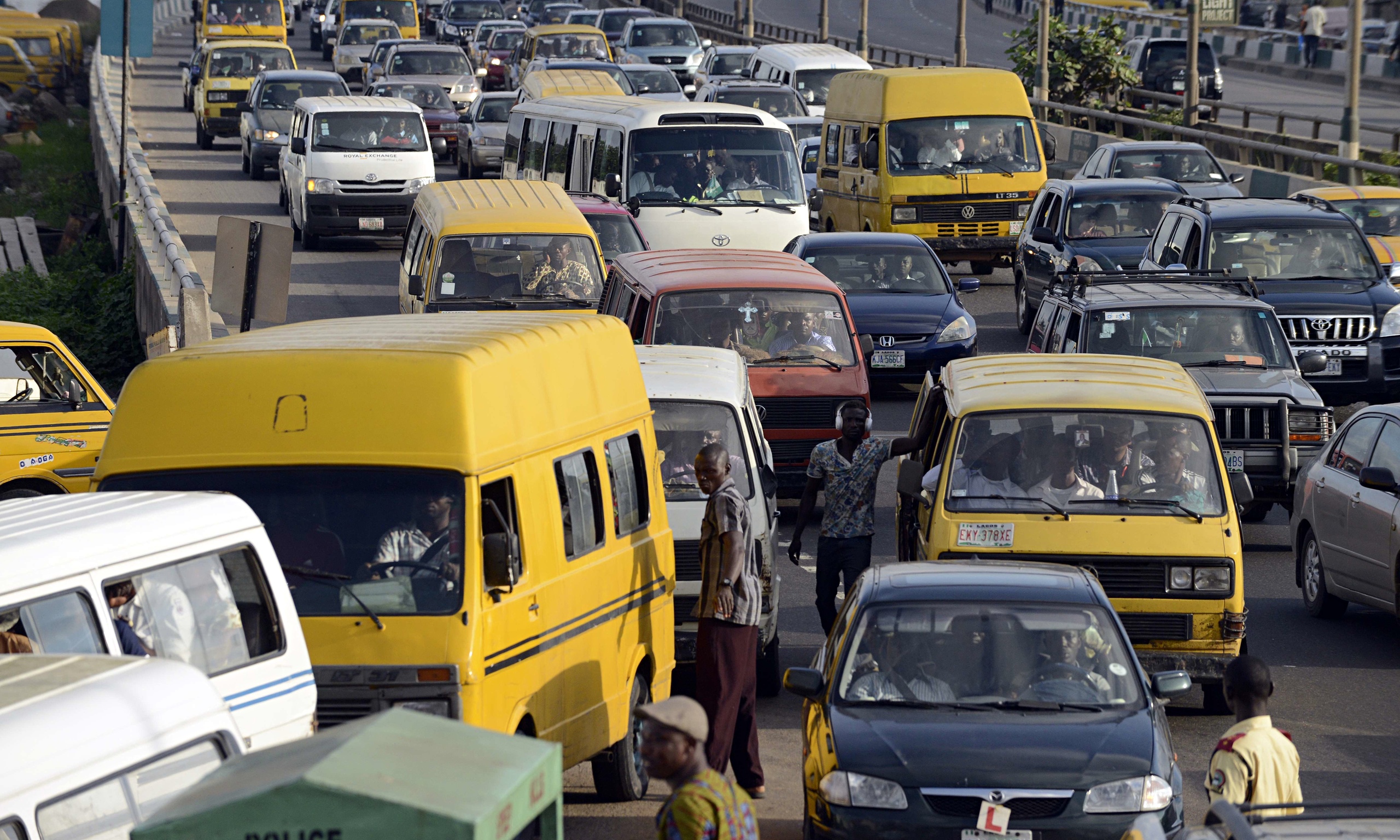
Motorists and commuters across Lagos are facing a fresh wave of economic strain as the pump price of petrol hit an all-time high of N1,350 per litre at several filling stations. A survey conducted on Sunday revealed widespread anxiety among road users, as the price adjustment—driven by a combination of global supply shocks and domestic logistics shifts—begins to ripple through the city’s transport ecosystem.
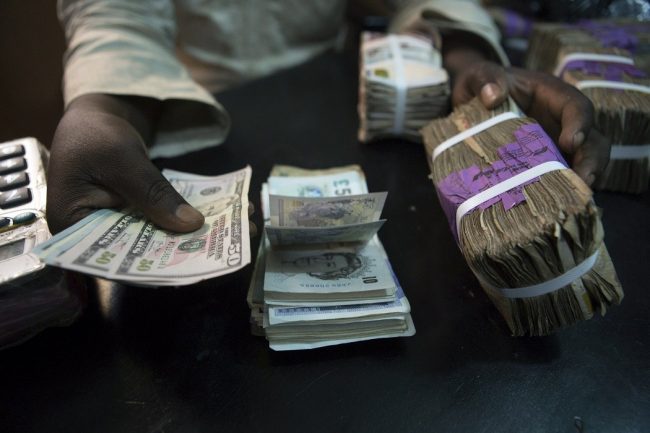
The immediate trigger for the hike was a rapid series of price reviews by the Dangote Petroleum Refinery. Within a single week, the refinery adjusted its gantry price three times, ultimately landing at N1,175 per litre. Spokesperson Anthony Echiejina attributed the move to the heightened costs of crude oil and the complex logistics of the current global energy market. Despite the refinery’s local presence, Nigeria remains heavily influenced by international benchmarks, with Brent crude nearing $99 per barrel and the Naira trading at approximately N1,650 to the dollar.
On the streets of Lagos, the impact is immediate. Major marketers like Mobil, MRS, and Ardova Plc have adjusted their pumps to between N1,250 and N1,300, while some independent stations are charging even higher. For commercial drivers like Mr. Sodiq Olarenwaju, the math is simple but brutal: “If we buy fuel at over N1,000 per litre, we have no option but to adjust fares.” Passengers are already reporting fare hikes of 30% to 50% on major routes, such as the LASU–Isheri and Oshodi–Abeokuta corridors.
Economic analysts, including Dr. Muda Yusuf of the CPPE, warn that this volatility is far from over. Geopolitical tensions in the Middle East have disrupted the Strait of Hormuz, a vital chokepoint for 20% of the world’s oil. For a nation where manufacturers rely on generators due to grid instability, these rising energy costs are expected to translate directly into higher prices for basic goods and services, further squeezing the average household budget.
WHAT’S NEXT
- Inflationary Pressure: Analysts expect a significant spike in the Consumer Price Index (CPI) for March and April as transport and logistics costs are passed on to food prices.
- CNG Acceleration: In response to the crisis, there is expected to be a faster push for the deployment of Compressed Natural Gas (CNG) conversion kits to provide a cheaper alternative for commercial motorists.
- Refinery Benchmarking: Market insiders will be watching to see if the Dangote Refinery stabilizes its pricing or if further global crude spikes will force a fourth upward review.
WHAT’S BEING SAID
- “If we buy fuel at over N1,000 per litre, we have no option but to adjust fares,” said commercial driver Sodiq Olarenwaju.
- “The adjustment represents an increase of N180… marking the refinery’s third price review within the week,” noted industry sources.
- “When fuel goes up, transport fares rise and the prices of goods follow immediately,” warned Dr. Adewale Suleiman, a private car owner.
BOTTOM LINE
The Bottom Line is that the “Dangote Effect” has not yet insulated Nigeria from global market volatility. As long as international crude prices remain elevated by geopolitical conflict and the Naira remains weak, Lagosians will continue to face a high-cost energy environment that challenges both mobility and the cost of living.