





KEY POINTS
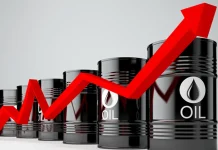
- The International Energy Agency says the Iran war will have lasting effects on global oil and gas markets after triggering the largest supply disruption on record.
- Countries are considering measures to reduce dependence on imported fuel, diversify supply routes and build emergency reserves.
- The IEA estimates that proposed Middle East oil pipeline projects could require $40 billion in investment and add about $2 to the cost of each barrel exported.
- The United States is now expected to lead global growth in gas supply through 2035, driven by expanding liquefied natural gas exports.
MAIN STORY
The war involving Iran is expected to leave lasting changes in global energy markets as governments reconsider their dependence on imported fuel, supply routes and energy security, according to the International Energy Agency (IEA).
In its annual World Energy Outlook, the Paris-based agency said the conflict had caused the largest disruption to global energy supplies on record, with consequences that could extend well beyond the period of active hostilities.
The scale of the long-term impact will depend partly on how long the conflict lasts and whether governments implement measures announced in response to the disruption.
The IEA said a new scenario based on proposed government actions suggests oil demand could begin declining earlier than under policies already adopted by countries.
However, if the conflict is resolved quickly and supply flows recover, oil and gas markets could move into a period of increased supply, potentially lowering prices and allowing countries to rebuild depleted inventories.
Before the war, the Strait of Hormuz carried about one-fifth of global oil and liquefied natural gas supplies, making it one of the world’s most important energy shipping routes.
Although flows have recovered since the summer, attacks on vessels crossing the waterway continue to create risks for energy shipments. The resulting disruptions have pushed up prices, added to inflationary pressure and weakened consumption.
“The Hormuz crisis has delivered a huge shock to the system,” IEA Executive Director Fatih Birol said.
“I don’t see any credible pathway for the energy world to return to the way it was before.”
The agency said the higher oil prices recorded this year had also accelerated interest in electric vehicles, with electric models expected to account for more than a quarter of global car sales in 2026.
Middle Eastern producers are considering pipeline projects that could provide about seven million barrels per day of additional oil transportation capacity, allowing more exports to bypass the Strait of Hormuz.
The proposed projects could require an estimated $40 billion in investment and add about $2 to the cost of each barrel exported from the region.
The IEA cautioned, however, that alternative routes would not be completely protected from attacks.
THE ISSUES
The crisis has exposed the risks of relying heavily on a single route to transport oil and gas. When shipping through the Strait of Hormuz is disrupted, producers struggle to deliver supplies and importing countries face higher costs and uncertainty.
This has encouraged governments to consider a wider range of measures, including alternative export routes, larger emergency stockpiles, domestic energy production and greater use of electricity instead of imported fuels.
These responses could change the direction of global oil demand. If countries follow through on plans to improve efficiency, electrify transport and reduce dependence on imported fuel, oil consumption could peak earlier than previously expected.
However, the transition will not be immediate. Even under the IEA’s most extensive scenario for alternative supply routes, the Middle East would remain the world’s largest oil-exporting region. The proposed pipelines would reduce reliance on Hormuz but would not remove the region’s importance to global energy supplies.
The gas market is also undergoing a shift. The IEA expects the United States to become the largest source of global gas supply growth through 2035, overtaking the Middle East. This reflects expanding American liquefied natural gas exports and rising domestic demand.
If planned LNG projects proceed, global gas supply could increase substantially, potentially creating an oversupply that puts downward pressure on prices.
For importing countries, this could create opportunities to secure cheaper supplies. However, the agency warned against replacing dependence on one supplier or route with dependence on another.
WHAT’S NEXT
The IEA’s outlook identifies several measures governments are considering in response to the crisis. These include reducing dependence on imported fuel, diversifying export routes, accelerating electrification, improving energy efficiency, expanding domestic low-emissions electricity and strengthening emergency reserves.
The agency also expects Middle Eastern producers to pursue additional oil pipeline capacity, while the United States expands its role in global gas supply.
Birol said energy security and the transition to cleaner energy sources were becoming increasingly connected.
“In pursuit of greater energy security, countries must take care not to replace one dependency with another,” he said. “But encouragingly for the future, energy security and energy transitions have never been so closely aligned.”
BOTTOM LINE
The Iran war has exposed vulnerabilities in global energy supply chains and accelerated efforts to diversify energy sources and transport routes. Even if the conflict ends quickly, the IEA expects countries to make lasting changes to how they produce, transport and consume energy.
Bloomberg