







KPMG’s second Africa Banking Survey says the sector is profitable and resilient, but expensive funding, rising capital thresholds and telecom-led competition are testing how far banks can go.
Key points
- Funding stays expensive. Prime lending rates in some African markets sit near 18% to 20%, and riskier borrowers pay 40% or more. That pushes borrowers toward short-term trade.
- Consolidation is accelerating. Kenya wants minimum core capital raised to KES 10 billion by 2029, and Nigeria’s recapitalisation deadline fell in March 2026. Smaller banks are being pushed to raise equity, merge or sell.
- Scale is now a survival threshold. One Nigerian bank reported spending an estimated US$100 million or more on a new core banking system.
- Telecoms are seen as bigger disruptors than fintechs in East and West Africa, and cash still dominates payments.
- AI is a board-level priority, but returns depend on clean data and governance.
The survey
The Art of Banking in Africa 2026 is KPMG’s second Africa Banking Survey, following the 2024 edition. It draws on interviews with senior executives at 20 banks in South Africa, Kenya, Tanzania, Ethiopia, Nigeria and Mauritius. It also includes development finance institutions (DFIs) and industry experts.
Funding costs shape every loan
KPMG calls the high cost of funding a foundational constraint on lending and economic development. It is driven mainly by sovereign interest rates, inflation, shallow local liquidity and an overestimated international risk premium, so no single bank can fix it alone.
Cheap funding in some markets reflects market structure rather than efficiency. An Ethiopian commercial bank reported an average funding cost of about 3%, because local depositors have few alternatives. That is expected to change as Ethiopia’s capital markets open.
Leading banks are focusing on what they control. They are winning low-cost current and savings account (CASA) deposits by embedding themselves in daily payment ecosystems and using behavioural data to predict and retain balances. KPMG also wants regulators to review reserve requirements, DFIs to offer local-currency guarantees, and domestic pension funds to channel long-term savings into local infrastructure.
M&A and the scale threshold
Smaller banks are struggling with rising costs for core banking upgrades, cybersecurity, data privacy and AI. Tanzania has roughly 42 banks, and its top 10 already hold about 80% of market share, which points to further consolidation.
European and US banks continue to retreat from selected markets. That has opened the door for well-capitalised banking groups from South Africa, Nigeria, Kenya and North Africa to buy established franchises and follow corporate clients across borders. KPMG says deals are selective and execution is complex. Regulatory fragmentation, currency devaluation, valuation gaps and misaligned governance mean success depends on local integration rather than balance-sheet size.
Telecoms, fintechs and cash
Fintechs have carved out profitable niches in payments, merchant acquiring and digital credit, segments incumbents struggled to serve cost-effectively. In East and West Africa, however, executives see telecom-led mobile money platforms such as M-Pesa and Telebirr as the bigger competitive force.
Cash remains dominant. It accounts for 56% of payment volume in South Africa, at an annual cost of R88.5 billion. In Kenya, hybrid cash-mobile and cash-only payments together make up 69%. KPMG sees a major opening for banks and fintechs to digitise informal merchants.
Most banks have moved from resisting digital challengers to building hybrid ecosystems. They invest in fintechs, partner through APIs or supply the banking infrastructure fintechs run on. Because acquisitions often strip away the agility that made a fintech successful, banks increasingly prefer alliances that pair fintech speed with banking licences, balance sheets and trust.
AI: priority, but not yet payoff
Almost every executive interviewed believes the industry has underestimated AI’s long-term impact, though short-term returns have been slower than hoped. One pan-African group recorded a 5% to 15% productivity uplift from general AI tools. Scaling requires clean data, and one West African group needed years of investment to make about 90% of its data usable and connected.
KPMG cautions that access to AI tools does not equal transformation. Governance, regulatory compliance, scarce talent and rising consumption costs remain bottlenecks. Banks pulling ahead are embedding AI in high-value processes such as fraud prevention, where one West African group reported zero successful cyber intrusions, and faster credit scoring. Physical branches and personal relationships still matter for customer confidence in many markets.
What’s being said
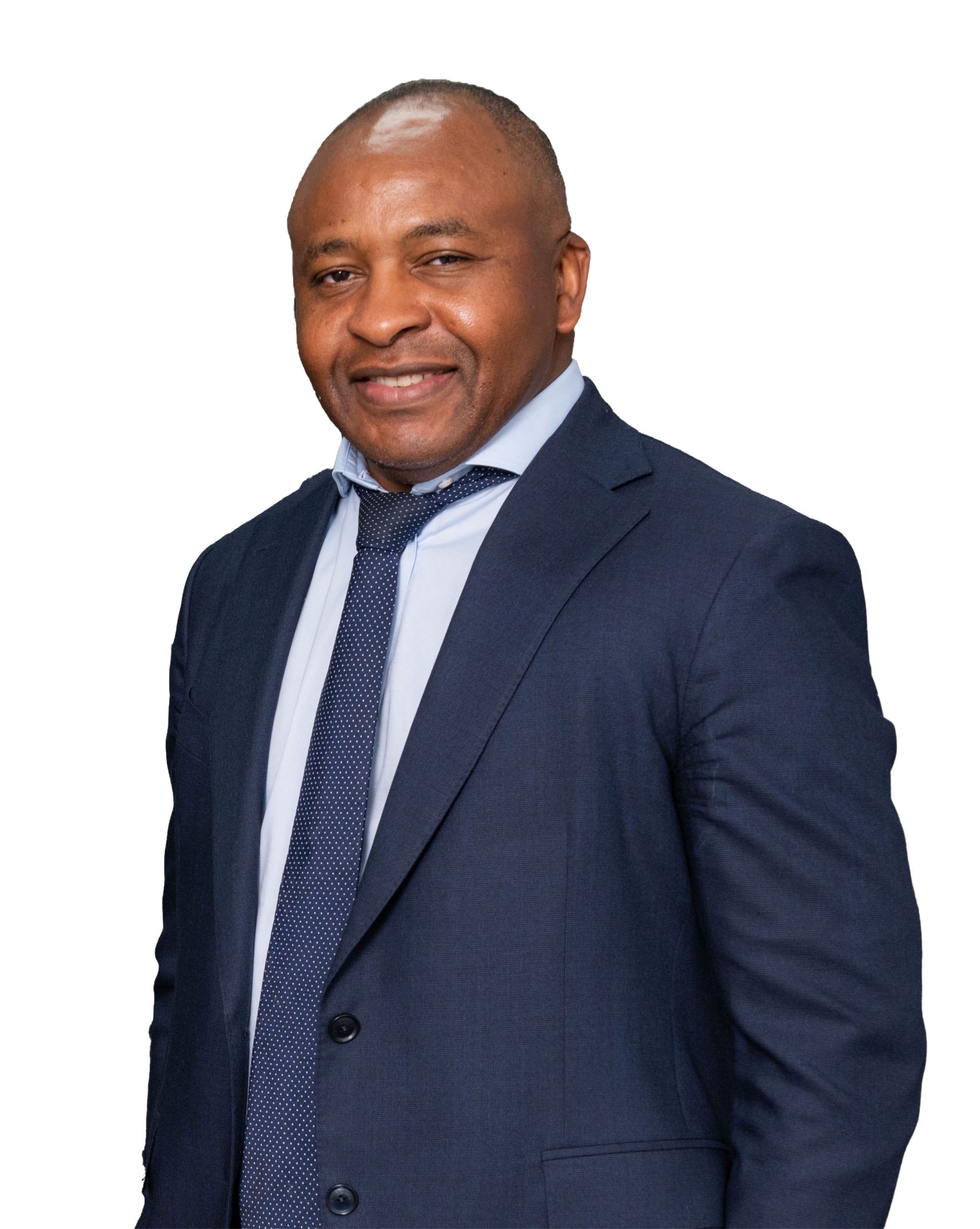
Auguste Claude-Nguetsop, Partner and Head of Financial Services at KPMG Southern Africa, says African banking is no longer just about expanding branch networks, growing customer numbers or launching standalone digital products. In his words, banks “must now demonstrate that investments in funding resilience, regional scale, and technology translate into measurable commercial value.”
He adds that the challenges are linked: the cost of funding determines lending capacity and economic development, scale dictates who can afford modern technology and compliance, and customer trust underpins sustainable performance. He expects investment to increasingly come “from within Africa into Africa.”
What next
Banks will need to show that technology and scale spending turns into commercial returns. KPMG’s recommendations point to regulators, DFIs and pension funds as the next movers: regulators on reserve requirements, DFIs on local-currency guarantees, and pension funds on long-term local infrastructure financing. Meanwhile, recapitalisation deadlines in Nigeria and Kenya will keep driving mergers and equity raises, and regional champions will keep selecting targets carefully.
Bottom line
Africa’s banks are profitable, but cheap funding, scale and usable data will decide which of them capture the next phase of growth.