






Keypoints
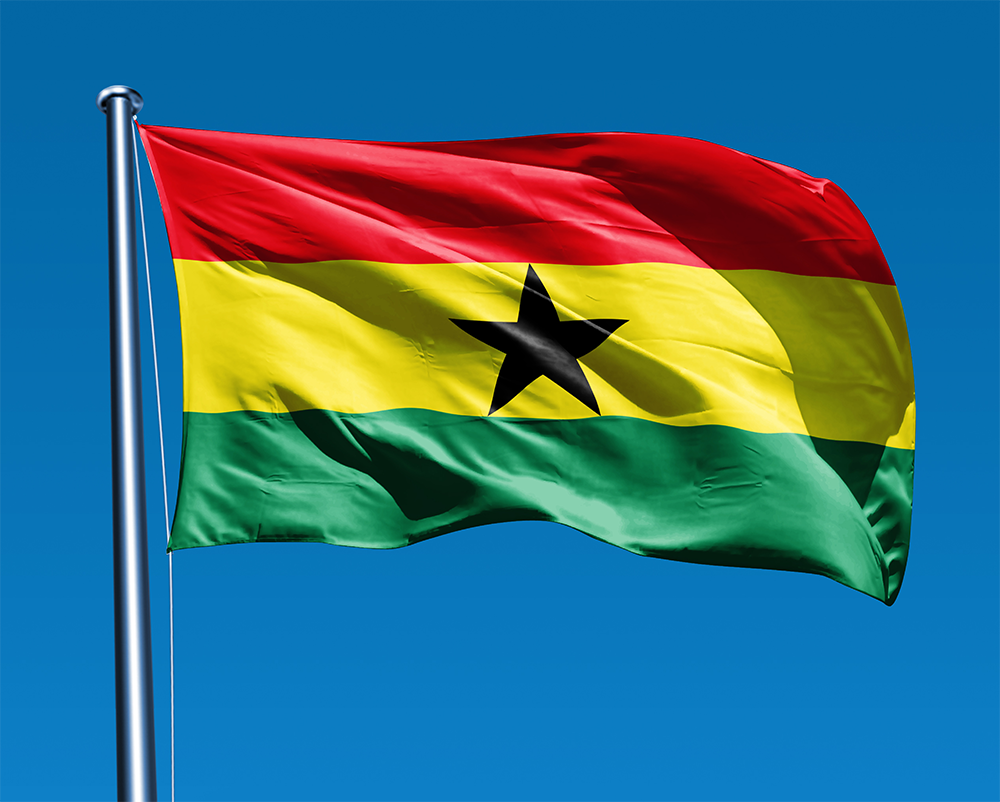
- Ghana has reportedly declined a bilateral health agreement with the Trump administration, marking a significant setback for the “America First Global Health Strategy.”
- Sources indicate that Ghanaian authorities were particularly concerned about terms requiring the sharing of sensitive national health data with the U.S.
- The proposed deal involved $109 million in U.S. assistance over five years, a sharp decrease from the $96 million Ghana received for health in 2024 alone.
- The new U.S. strategy requires recipient nations to “co-invest” and transition toward self-reliance, following the dismantling of USAID earlier this year.
- While 32 other nations have signed similar deals totaling $20.6 billion, Accra allowed the April 24 deadline to pass without an agreement.
Main Story
The partnership between Washington and Accra has hit a diplomatic wall. In a move that highlights growing tension over the Trump administration’s overhaul of foreign aid, Ghana has rejected a five-year health pact.
The deal was part of the “America First Global Health Strategy,” a policy launched in September to shift the burden of fighting diseases like HIV/AIDS and malaria from the U.S. taxpayer to the recipient nations.
Negotiations, which began in November, reportedly soured as Washington increased pressure to meet an April 24 deadline. Beyond the financial shift, which would have seen Ghana’s annual health aid drop significantly compared to 2024 levels the “stumbling block” was a requirement for Ghana to share sensitive health data.
Ghanaian officials reportedly viewed this as an infringement on national sovereignty. With USAID now dismantled, these bilateral MOUs have become the primary vehicle for U.S. health diplomacy, but Ghana’s refusal suggests that the “self-reliance” model may face stiff resistance from traditional African allies.
The Issues
The primary challenge is the funding-gap risk; by asking “poorer nations” to co-invest while simultaneously cutting U.S. aid totals, the strategy may leave critical programs for tuberculosis and polio underfunded if the recipient country cannot fill the vacuum. Authorities must solve the problem of data-sovereignty, as many nations are becoming increasingly protective of their citizens’ biological and health information in an era of digital surveillance. Furthermore, there is a diplomatic-friction risk; with 32 countries already signed on, Ghana’s rejection could embolden other nations to push back against the “America First” terms. To succeed, the U.S. State Department may need to decouple technical data sharing from the financial assistance required to keep global health networks functioning.
What’s Being Said
- “Authorities however balked at terms requiring the sharing of sensitive health data,” the source familiar with the negotiations stated.
- A U.S. State Department spokesperson noted that Washington has already signed 32 deals representing $20.6 billion in funding, including $7.8 billion from recipient countries.
What’s Next
- Ghana is expected to seek alternative funding partners, potentially looking toward the European Union or private global health foundations to cover the $109 million gap.
- The U.S. State Department is anticipated to announce additional MOU signings with other nations in the coming weeks to maintain the momentum of the “America First” strategy.
- Health experts will likely monitor Ghana’s malaria and HIV/AIDS programs closely to see if the lack of a U.S. deal leads to a dip in medical supplies or personnel.
- A debate is expected to arise within the African Union regarding collective bargaining for health aid to prevent individual nations from being pressured into unfavorable data-sharing terms.
Bottom Line
Ghana’s “No” is a clear signal that even in need of aid, some nations are not willing to trade their data or sovereignty for a smaller check. As the U.S. moves further away from the traditional USAID model, the success of global health security may depend on finding a middle ground between “America First” and the practical needs of the nations on the front lines of disease.