






Key points
- NRS Chairman Zacch Adedeji says Nigeria’s petrol subsidy bill could have reached ₦53tn if the policy had remained.
- He also estimated that the naira could have weakened to ₦3,500/$ under the subsidy regime.
- Adedeji defended President Bola Tinubu’s subsidy removal and exchange-rate reforms.
- He described subsidy removal as a major factor behind recent economic gains.
- The policy has increased government revenue but continues to fuel concerns over cost-of-living pressures.
Main Story
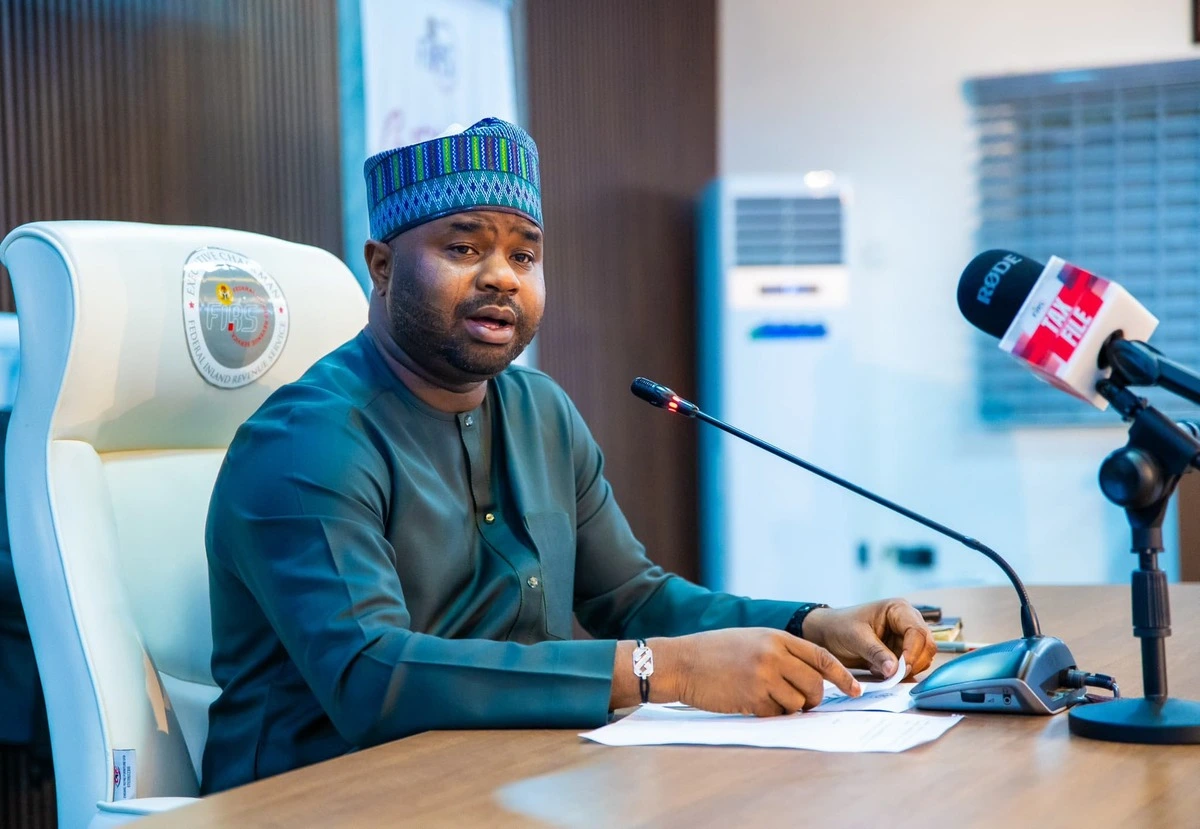
The Chairman of the Nigeria Revenue Service (NRS), Zacch Adedeji, has said Nigeria’s petrol subsidy bill could have risen to about ₦53tn, with the naira weakening to ₦3,500 to the dollar, if the subsidy regime had remained in place.
Adedeji projected in an exclusive interview on Channels Television’s Sunday Politics, where he defended President Bola Tinubu’s economic reforms and argued that the removal of petrol subsidy had helped prevent deeper fiscal and foreign exchange pressures.
According to him, Tinubu inherited an economy burdened by an unsustainable subsidy regime, a weak oil sector and a narrow tax base, making reform necessary to restore the country’s financial stability.
The Issues
Adedeji maintained that retaining petrol subsidy would have placed an increasingly heavy burden on government finances, particularly amid volatility in global energy markets and geopolitical tensions.
He also defended the administration’s decision to unify the foreign exchange market, arguing that Nigerians should assess the reforms based on the economic conditions inherited by the government and the outcomes being recorded.
However, the removal of subsidy, announced by Tinubu in his inaugural address on May 29, 2023, triggered a sharp increase in petrol prices and contributed to higher transportation, food and production costs.
While the policy has boosted government revenues and increased allocations to the three tiers of government through the Federation Account, its impact on household purchasing power and living costs remains a major concern.
What’s Being Said
Adedeji described subsidy removal as a landmark decision, insisting that the policy was unsustainable and had persisted for decades.
“So, it is not a mistake; it is the best thing that has happened to this country. Subsidy was evil and had been with Nigeria for decades.”
He said the government’s reforms should be viewed against the potential consequences of maintaining the previous system.
Adedeji also challenged opposition figures preparing for the 2027 elections to present alternative solutions to the country’s economic challenges.
“Anybody who says he is coming to contest as president, just ask them, ‘What will you do differently?’”
What’s Next
The Federal Government is expected to continue implementing its fiscal, tax and foreign exchange reforms while seeking to translate increased public revenue into improved economic conditions for Nigerians.
The debate over subsidy removal is also likely to remain central to discussions ahead of the 2027 general elections, particularly as Nigerians weigh the government’s macroeconomic gains against persistent cost-of-living pressures.
Bottom Line
Adedeji says retaining petrol subsidy could have pushed the cost to ₦53tn and weakened the naira to ₦3,500/$, arguing that Tinubu’s reforms prevented a deeper fiscal crisis. While the reforms have strengthened government revenue, their wider impact on household welfare remains a key measure of their success.







, Zacch Adedeji, has said Nigeria’s petrol subsidy bill could have risen ...)