Key points
- NAPTIP secured more than 20 SGBV convictions between January and August 2026.
- Three of the convictions resulted in life imprisonment, with most cases involving rape.
- The agency said it rescued more than 3,000 victims from critical situations during the period.
- NAPTIP is strengthening collaboration with security agencies and relevant government institutions.
- The agency has called for stronger investigative and victim-centred reporting of SGBV cases.
Main Story
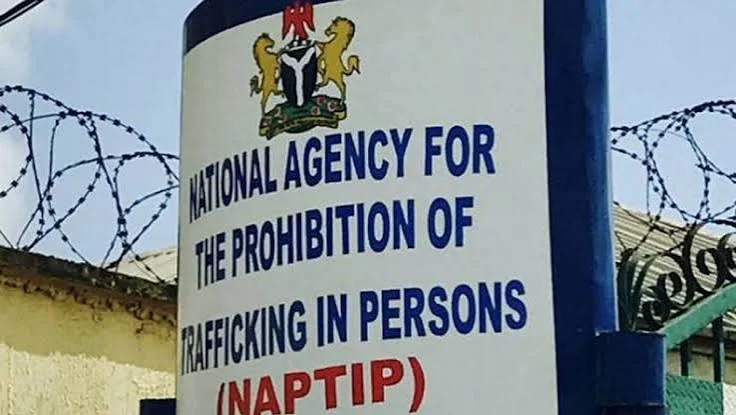
The National Agency for the Prohibition of Trafficking in Persons (NAPTIP) has secured more than 20 convictions for Sexual and Gender-Based Violence (SGBV) offences and rescued over 3,000 victims between January and August 2026.
The Head of Press and Public Relations Unit of NAPTIP, Vincent Adekoye, disclosed this in an interview with the News Agency of Nigeria on Monday in Abuja.
Adekoye said three of the convictions resulted in life imprisonment, adding that most of the prosecuted cases involved rape.
He said the agency had intensified efforts to rescue victims, arrest perpetrators and ensure that offenders were brought to justice.
The Issues
Despite increased enforcement, SGBV remains a major concern, with NAPTIP identifying the need for stronger prevention, reporting and institutional responses.
Adekoye said the agency had expanded its collaboration with the Nigeria Police Force, Nigeria Security and Civil Defence Corps and relevant ministries, departments and agencies to strengthen its response to SGBV.
He also stressed the importance of community engagement and training for frontline responders to improve early reporting and support for victims.
What’s Being Said
Adekoye urged perpetrators to desist from SGBV, warning that offenders could face prosecution under laws including the Violence Against Persons (Prohibition) Act and the Cybercrimes (Prohibition, Prevention, etc.) Amendment Act.
He also called on the media to take a more investigative approach to SGBV reporting rather than focusing solely on individual incidents.
“We want the media to ask why cases are rising and examine the roles of critical institutions, customs, norms, behaviours and habits in addressing the problem.”
Adekoye further urged journalists to adopt victim-centred reporting that safeguards survivors’ dignity, privacy and safety.
“We must protect the victims, ensure their dignity and privacy are protected, and help them regain trust in society.”
What’s Next
NAPTIP is expected to deepen collaboration with security agencies, government institutions and communities while expanding training for frontline responders.
The agency is also seeking stronger media partnerships following the inauguration of its SGBV Media Corps, aimed at promoting more responsible and investigative coverage of gender-based violence.
Bottom Line
NAPTIP’s latest figures highlight increased enforcement against SGBV, with more than 20 convictions and over 3,000 victims rescued in 2026. The agency, however, says sustained collaboration, stronger prevention and responsible media reporting remain critical to tackling the root causes of gender-based violence.