





Key Points
- The Federal Government is considering assessment tests for Nigerians who obtain degrees from foreign institutions before their qualifications are evaluated for NYSC mobilisation.
- The proposed measure is aimed at verifying genuine academic achievement and preventing the recognition of questionable foreign certificates.
- The Ministry of Education says cases of forged Nigerian and foreign degree certificates remain a major concern.
- The government has digitalised the evaluation and authentication of foreign and Nigerian certificates.
- The National Standing Committee will also review foreign secondary school qualifications and accreditation requirements for institutions.
Main Story
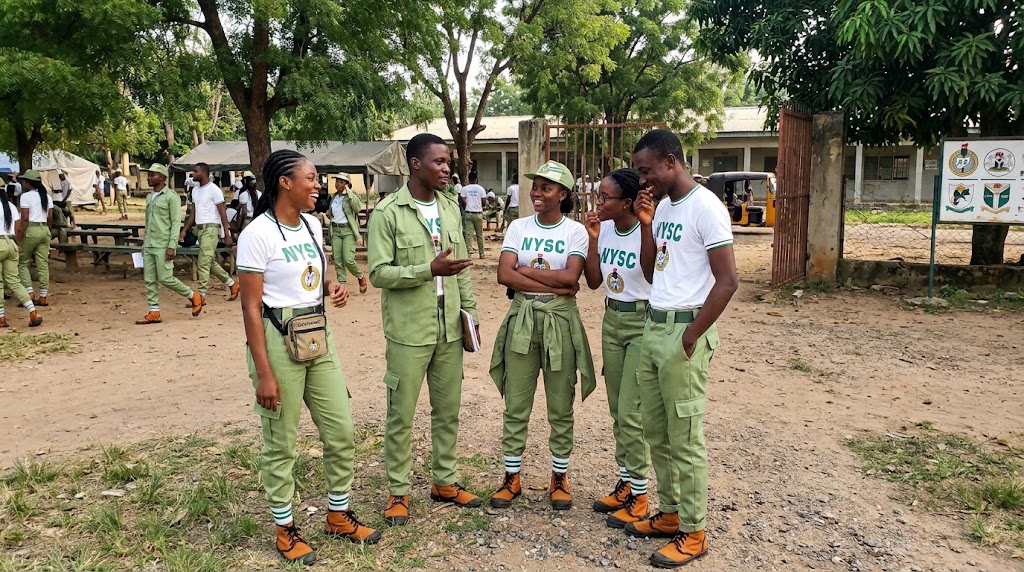
The Federal Government is considering introducing assessment tests for Nigerians who obtain university degrees from foreign institutions, particularly those in African countries, before their qualifications can be evaluated for mobilisation into the National Youth Service Corps (NYSC).
The proposal is aimed at ensuring that foreign qualifications presented by Nigerians reflect genuine academic achievement and meet the country’s required educational standards.
Dr Folake Olatunji-David, Acting Permanent Secretary of the Federal Ministry of Education, disclosed this on Monday in Abuja at the 37th meeting of the National Standing Committee (NSC) on Evaluation of Foreign Qualifications.
She said the proposed assessment would help determine whether graduates from foreign institutions had acquired the necessary knowledge and competencies associated with the qualifications they presented.
According to her, the measure has become important amid the increasing number of Nigerians pursuing higher education abroad, particularly in West African countries.
Olatunji-David stressed that while the government supported international educational opportunities and global academic exchange, it would not compromise the integrity of Nigeria’s education system.
“We must ensure that the standard of education in Nigeria is not lowered by allowing all manner of foreign qualifications that are not recognised, to be paraded by Nigerians without the corresponding learning achievement,” she said.
She urged the committee to consider introducing assessment tests as part of the evaluation process before foreign graduates could be cleared for NYSC mobilisation.
However, the proposal is still under consideration, and the ministry did not announce a commencement date or specific details about how the proposed assessment would be conducted.
The Issues
The growing number of Nigerians obtaining academic qualifications abroad has increased the importance of verifying foreign institutions and their certificates.
While international education provides opportunities for academic development and exposure, differences in educational standards, accreditation systems and qualification requirements can create challenges when foreign certificates are presented for recognition in Nigeria.
The Federal Ministry of Education is particularly concerned about certificate forgery and qualifications obtained from institutions that may not meet recognised academic standards.
Olatunji-David described the National Standing Committee as central to protecting the integrity of Nigeria’s education system by ensuring that only genuine and duly accredited foreign qualifications receive recognition.
She also expressed concern over increasing cases of forged Nigerian and foreign degree certificates, saying the ministry was taking steps to address the problem.
What’s Being Said
The acting permanent secretary said the ministry had recorded progress in verifying foreign institutions, issuing clearance letters for NYSC mobilisation, authenticating certificates and providing no-objection letters.
She disclosed that the evaluation of foreign certificates and authentication of Nigerian certificates had been automated and digitalised since the beginning of 2026.
According to her, the development had made the process more efficient while ensuring that fees generated from the services were remitted into government accounts.
Beyond degree verification, she said the committee would deliberate on five major issues affecting the evaluation and recognition of foreign qualifications.
These include guidelines for issuing no-objection letters required to register proposed educational institutions with the Corporate Affairs Commission (CAC).
The committee would also examine compliance by foreign-curriculum secondary schools operating in Nigeria with national education policies on public examinations.
Olatunji-David stressed that such schools must prepare students for at least one recognised examination conducted by the West African Examinations Council (WAEC), National Examinations Council (NECO), National Business and Technical Examinations Board (NABTEB) or National Board for Arabic and Islamic Studies (NBAIS), as applicable, before graduation.
She added that the committee would consider the recognition of foreign secondary school qualifications, including the Higher School Diploma issued in the United States and Canada and Baccalaureate certificates awarded by French schools.
Other issues include developing mechanisms for monitoring Nigerians studying in African institutions through institutional visits and recognising foreign regulatory bodies responsible for providing information about accredited institutions through diplomatic channels.
Earlier, the Director of Education Support Services in the ministry, Mr Gabriel Amudipe, said the committee’s work was essential to improving learning outcomes, institutional performance and quality assurance across the education sector.
He urged members to remain objective, fair and firm when evaluating foreign qualifications to ensure that genuine certificates were recognised while questionable ones were appropriately addressed.
Amudipe reaffirmed the ministry’s commitment to evidence-based planning, effective monitoring and transparent evaluation of foreign qualifications.
What’s Next
The National Standing Committee is expected to deliberate on the proposed assessment tests alongside other measures aimed at strengthening the evaluation and recognition of foreign qualifications.
Its recommendations could guide the ministry’s approach to verifying foreign degrees, monitoring Nigerians studying abroad and improving cooperation with international accreditation and regulatory bodies.
Further details will be required on the proposed assessment, including the institutions and graduates it will cover, testing arrangements, evaluation criteria and how successful candidates will obtain clearance for NYSC mobilisation.
Bottom Line
The Federal Government’s proposed assessment tests signal a move towards stricter verification of foreign academic qualifications presented by Nigerians.
While the measure is intended to protect educational standards and prevent certificate fraud, its implementation will need clear guidelines to ensure fairness to graduates with genuine qualifications.
Ultimately, the credibility of foreign degrees recognised in Nigeria will depend on transparent evaluation procedures, effective accreditation checks and consistent enforcement of academic standards.