








Key Points
- Health Minister Muhammad Pate has called for harmonised health training standards across ECOWAS member states.
- Differences in curricula, accreditation and professional qualifications have limited the movement of healthcare workers across West Africa.
- The proposed reforms include common training standards, mutual recognition of qualifications and stronger quality assurance.
- Pate says regional cooperation is essential to building stronger healthcare systems and addressing cross-border health challenges.
- Stakeholders have been urged to develop a practical implementation roadmap with clear timelines.
Main Story
The Coordinating Minister of Health and Social Welfare, Prof. Muhammad Pate, has called on ECOWAS member states to harmonise health professional training standards to improve healthcare delivery, strengthen regional integration and facilitate the movement of qualified medical personnel across West Africa.
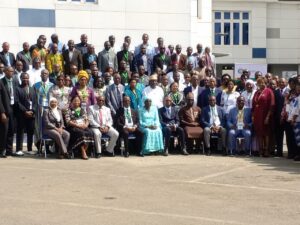
Pate made the call on Monday in Abuja during the Integration Meeting of Accredited West African Colleges, Training Institutions and Regulatory Bodies in the ECOWAS region.
Represented by Dr Dakum Londji, Nigeria’s Liaison Officer to the West African Health Organisation (WAHO) and African Union at the ministry, the minister said differences in health education and professional regulation remained significant barriers to regional cooperation.
He stressed that diseases did not respect national borders, adding that solutions, medical knowledge and healthcare professionals should also be able to move freely across the region.
According to him, strong healthcare systems depend on a competent workforce supported by quality education, effective professional regulation and harmonised training standards.
Pate observed that differences in curricula, accreditation procedures and professional requirements had restricted the ability of healthcare workers to practise across ECOWAS countries.
He said the meeting provided an opportunity for member states to address these challenges by developing common standards of excellence while recognising the different national contexts and needs of individual countries.
The Issues
The movement of healthcare professionals across West Africa remains complicated by differences in educational qualifications, training requirements and professional accreditation systems.
These differences can make it difficult for medical practitioners trained in one country to obtain recognition and employment in another, even when they possess the necessary professional competencies.
Such barriers can also limit opportunities for professional development, reduce cooperation among health institutions and make it more difficult for countries to respond collectively to regional health emergencies.
The proposed harmonisation seeks to address these challenges by establishing common minimum requirements for medical education, professional qualifications and accreditation.
However, achieving this would require cooperation among governments, medical colleges, universities and regulatory institutions to ensure that common standards are implemented and maintained.
What’s Being Said
Identifying the priorities for regional integration, Pate highlighted harmonisation of curricula and training standards, mutual recognition of professional qualifications, improved workforce mobility, quality assurance and accountability.
He said member states needed to agree on core competencies, minimum training requirements and common accreditation criteria for health training colleges and educational institutions.
“Mutual recognition of qualifications will enable doctors, midwives and other health professionals trained in one ECOWAS country to practise confidently and credibly across the region,” he said.
The minister also called for stronger collaboration among professional regulatory bodies to encourage information sharing, enforce ethical standards and ensure that graduates were competent, compassionate and fit to practise.
He explained that the initiative aligned with Nigeria’s Renewed Hope Agenda and ongoing health sector reforms, which prioritised strengthening training institutions, expanding accreditation and improving professional regulation.
Pate added that Nigeria was promoting digital learning and innovation as additional ways to improve health professional education and strengthen healthcare delivery.
He described regional integration as a necessity rather than an option, urging stakeholders to move beyond discussions and agree on practical measures for implementation.
The minister also commended WAHO, the ECOWAS Commission, regulatory bodies, training institutions and development partners for their contributions to improving health professional education across the region.
What’s Next
The meeting is expected to provide a platform for stakeholders to develop practical recommendations for harmonising health training and professional accreditation across ECOWAS member states.
Pate urged participants to establish a clear implementation roadmap with specific timelines to ensure that decisions reached translate into measurable progress.
Key areas requiring attention include agreement on minimum training standards, recognition of professional qualifications, stronger accreditation systems and improved collaboration among regulatory institutions.
Effective implementation would also require member states to strengthen their monitoring and quality assurance mechanisms to ensure that harmonised standards are consistently maintained.
Bottom Line
Harmonising health professional training standards could help West African countries build a more coordinated healthcare workforce capable of responding to shared health challenges.
Beyond making it easier for doctors, nurses, midwives and other health professionals to practise across national borders, the initiative could encourage knowledge exchange, improve professional standards and strengthen regional health security.
However, its success will depend on the willingness of ECOWAS member states and regulatory institutions to translate agreed standards into practical policies and consistent implementation.