





Key points
- S&P Global Ratings has upgraded Nigeria’s sovereign credit rating from ‘B-’ to ‘B’ with a Stable Outlook.
- The upgrade follows similar positive rating adjustments made in 2025 by Fitch Ratings and Moody’s Ratings.
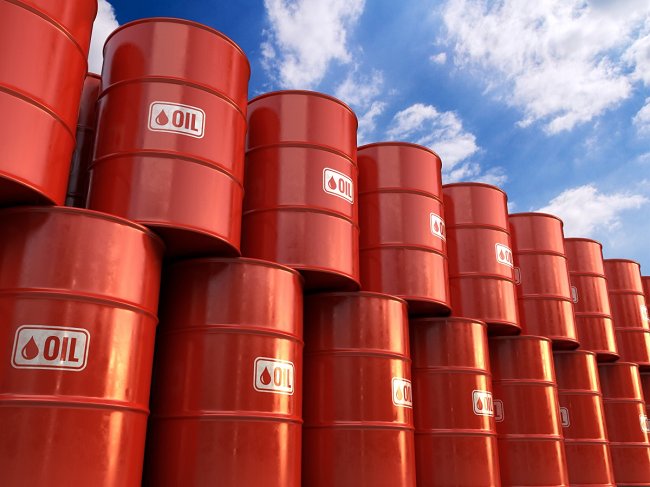
- S&P cited improvements in Nigeria’s external position, stronger balance of payments, increased oil production, and expanding domestic refining capacity.
- The government reiterated its commitment to a market-driven economy and its stance against reintroducing fuel subsidies.
- The rating improvement is projected to enhance Nigeria’s ability to secure international financing on more favorable terms.
Main Story
The Federal Government has welcomed the decision by S&P Global Ratings to upgrade Nigeria’s sovereign credit rating from ‘B-’ to ‘B’ with a Stable Outlook.
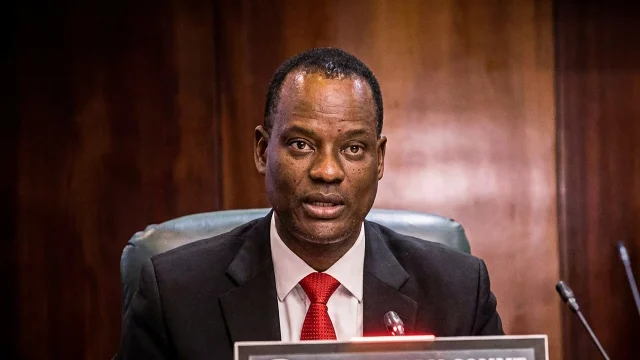
Finance Minister Taiwo Oyedele disclosed the development in a statement issued on Friday, noting that the upgrade followed positive rating actions in 2025 by Fitch Ratings and Moody’s Ratings.
According to the government, these independent assessments affirmed that the macroeconomic reforms undertaken under the leadership of President Bola Ahmed Tinubu were yielding measurable results.
Oyedele stated that S&P had highlighted specific improvements in Nigeria’s external position, stronger balance of payments dynamics, increased oil production, and expanding domestic refining and export capacity.
He noted that the agency had also recognized ongoing fiscal reforms aimed at broadening the tax base, improving public revenue mobilization, and strengthening debt sustainability.
The Finance Minister added that Nigeria’s debt-to-revenue ratio had improved significantly since 2023 and was projected to decline further as these reforms matured, signaling regained macroeconomic credibility to global investors.
The Issues
- Despite the credit rating upgrade, the government faces immediate pressure to address substantial domestic economic hurdles, including persistent inflationary pressures and food security.
- Maintaining fiscal discipline depends heavily on sustaining unpopular reforms, such as the total removal of fuel subsidies, which previously created significant distortions but cushioned short-term consumer costs.
- Translating improved macroeconomic indicators and international investor confidence into tangible, inclusive economic prosperity and decent job opportunities for ordinary citizens remains a core challenge.
What’s Being Said
- “The Federal Government welcomes the decision by S&P Global Ratings to upgrade Nigeria’s sovereign credit rating from ‘B-’ to ‘B’ with a Stable Outlook,” said Taiwo Oyedele.
- “These independent assessments collectively affirm that the difficult but necessary reforms undertaken under the leadership of President Bola Ahmed Tinubu, GCFR, are yielding measurable results and laying the foundation for a more stable, transparent, and resilient economy,” Oyedele stated.
- “We have maintained our position against the reintroduction of inefficient fuel subsidies which historically created significant fiscal distortions, incentivised smuggling, weakened foreign exchange liquidity, and diverted scarce public resources away from critical national priorities,” the Minister emphasized.
- “While these positive ratings developments are encouraging, we recognise that the work ahead remains substantial,” Oyedele added.
What’s Next
- The upgrade is expected to position Nigeria to attract new foreign direct investment and secure international financing on more favorable borrowing terms.
- The Federal, State, and Local Governments will continue to implement targeted fiscal reforms to broaden the tax base and enhance revenue collection tracking.
- Economic managers will focus resources on mitigating domestic inflation and stabilization measures to support food security across the country.
Bottom Line
S&P’s upgrade of Nigeria to a ‘B’ rating validates the country’s aggressive macroeconomic adjustments, shifting its international outlook toward stability despite the ongoing domestic strain of inflation.