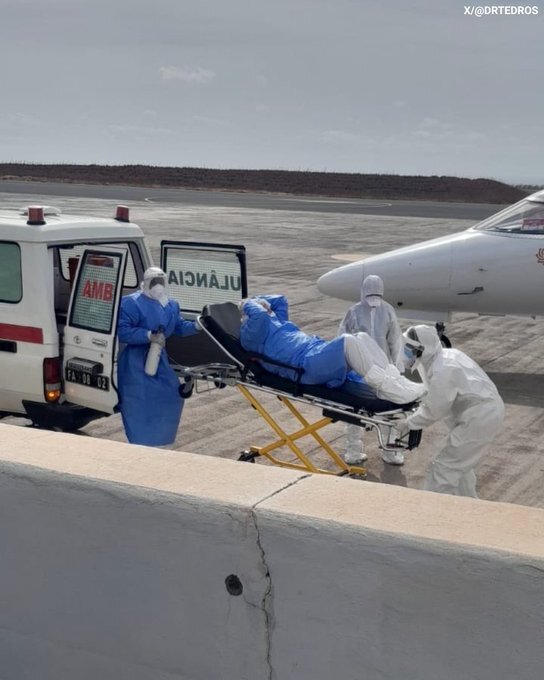
Global health agencies are racing to contain a rare hantavirus outbreak linked to the Dutch-flagged expedition ship MV Hondius. The situation is critical because dozens of passengers disembarked and traveled internationally before the virus was identified.
Key takeaways
The Toll: At least eight cases reported across multiple countries, with three confirmed deaths.
The Search: Authorities are urgently tracing nearly 40 passengers who left the vessel before the outbreak was confirmed.
The Strain: The outbreak involves the Andes strain, the only hantavirus variant capable of person-to-person transmission.
Risk Level: While the WHO assesses the current public risk as “low,” the international dispersal of passengers has made containment a logistical nightmare.
What is Hantavirus?
Hantaviruses are a family of viruses typically transmitted to humans via infected rodents.
Primary Transmission Methods: contact with rodent urine, saliva, or droppings, inhalation of contaminated dust particles.
Health Impact: In severe cases, it causes Hantavirus Pulmonary Syndrome (HPS), characterized by rapid respiratory failure and organ complications. The mortality rate is high, and currently, there is no approved vaccine and no specific antiviral cure. Treatment is limited to intensive supportive care and respiratory assistance.
Why this outbreak is different
Most hantavirus strains are a “dead-end” in humans, meaning they cannot spread further. However, the Andes virus is an exception.
- Human-to-Human Transmission: It is the only known strain documented to spread between people.
- Transmission Requirements: Spread typically requires close, prolonged contact or exposure to bodily fluids.
- The Cruise Ship Factor: The enclosed nature of a ship—shared dining, ventilation systems, and tight cabins—creates a high-risk environment for this specific strain.
Timeline of events: 2026
April 1: MV Hondius departs Ushuaia, Argentina.
April 6: First passenger develops symptoms.
April 11: A 70-year-old Dutch passenger dies onboard; the cause is initially misidentified.
April 24: ~40 passengers disembark at Saint Helena and begin international travel.
April 26: The wife of the first victim dies in a South African hospital.
May 2: A third passenger dies onboard.
May 4: WHO is formally notified of the cluster.
May 6–8: Global contact tracing begins across Europe, Africa, Asia, and the Americas.
Global impact at a Glance
Authorities have confirmed exposed passengers or cases in over 10 countries, including the Netherlands, Germany, South Africa, UK, Singapore, USA, and Argentina.
Category Data/Figures
Reported Cases 8
Confirmed Deaths 3
Early Disembarkations 30–40 passengers
Virus Strain Andes Hantavirus
Primary Treatment : Supportive care only
UK Response : Mandatory 45-day isolation for returnees
The Urgency of Contact Tracing
Health investigators are prioritizing tracing for three main reasons:
- Global Dispersion: Passengers boarded international flights and crossed borders before protocols were in place.
- Long Incubation: The virus can remain dormant for several weeks, making it difficult to know who is truly “clear.”
- Secondary Infections: There is a lingering fear that secondary clusters could emerge in the home countries of the passengers.
The Bottom Line
The MV Hondius outbreak is a significant test of international health regulations in 2026. While not a “pandemic” threat on the scale of COVID-19, the combination of a high-fatality virus and international travel makes this a high-stakes containment operation. Success now depends entirely on the speed of local health departments in tracking down the remaining passengers.
Global health agencies are racing to contain a rare hantavirus outbreak linked to the Dutch-flagged expedition ship MV Hondius. The situation is critical because dozens of passengers disembarked and traveled internationally before the virus was identified.
Key takeaways
The Toll: At least eight cases reported across multiple countries, with three confirmed deaths.
The Search: Authorities are urgently tracing nearly 40 passengers who left the vessel before the outbreak was confirmed.
The Strain: The outbreak involves the Andes strain, the only hantavirus variant capable of person-to-person transmission.
Risk Level: While the WHO assesses the current public risk as “low,” the international dispersal of passengers has made containment a logistical nightmare.
What is Hantavirus?
Hantaviruses are a family of viruses typically transmitted to humans via infected rodents.
Primary Transmission Methods: contact with rodent urine, saliva, or droppings, inhalation of contaminated dust particles.
Health Impact: In severe cases, it causes Hantavirus Pulmonary Syndrome (HPS), characterized by rapid respiratory failure and organ complications. The mortality rate is high, and currently, there is no approved vaccine and no specific antiviral cure. Treatment is limited to intensive supportive care and respiratory assistance.
Why This Outbreak is Different
Most hantavirus strains are a “dead-end” in humans, meaning they cannot spread further. However, the Andes virus is an exception.
- Human-to-Human Transmission: It is the only known strain documented to spread between people.
- Transmission Requirements: Spread typically requires close, prolonged contact or exposure to bodily fluids.
- The Cruise Ship Factor: The enclosed nature of a ship—shared dining, ventilation systems, and tight cabins—creates a high-risk environment for this specific strain.
Timeline of Events: 2026
April 1: MV Hondius departs Ushuaia, Argentina.
April 6: First passenger develops symptoms.
April 11: A 70-year-old Dutch passenger dies onboard; the cause is initially misidentified.
April 24: ~40 passengers disembark at Saint Helena and begin international travel.
April 26: The wife of the first victim dies in a South African hospital.
May 2: A third passenger dies onboard.
May 4: WHO is formally notified of the cluster.
May 6–8: Global contact tracing begins across Europe, Africa, Asia, and the Americas.
Global Impact at a Glance
Authorities have confirmed exposed passengers or cases in over 10 countries, including the Netherlands, Germany, South Africa, UK, Singapore, USA, and Argentina.
Category Data/Figures
Reported Cases 8
Confirmed Deaths 3
Early Disembarkations 30–40 passengers
Virus Strain : Andes Hantavirus
Primary Treatment : Supportive care only
UK Response : Mandatory 45-day isolation for returnees
The urgency of contact tracing
Health investigators are prioritizing tracing for three main reasons:
- Global Dispersion: Passengers boarded international flights and crossed borders before protocols were in place.
- Long Incubation: The virus can remain dormant for several weeks, making it difficult to know who is truly “clear.”
- Secondary Infections: There is a lingering fear that secondary clusters could emerge in the home countries of the passengers.
The Bottom Line
The MV Hondius outbreak is a significant test of international health regulations in 2026. While not a “pandemic” threat on the scale of COVID-19, the combination of a high-fatality virus and international travel makes this a high-stakes containment operation. Success now depends entirely on the speed of local health departments in tracking down the remaining passengers.