





By Boluwatife Oshadiya | June 15, 2026
Key Points
- Spiro dominates with dozens of battery swap stations across Lagos (Oregun, Surulere, Lekki, Egbeda, Ikeja, and more), offering under-2-minute swaps ideal for commercial riders.
- Qoray, AMP, LumenCharge, Ecowaka, and others provide plug-in fast charging, concentrated in Victoria Island, Ikeja, Lekki, and Mainland hubs.
- Charging costs: AC around ₦300/kWh; DC fast charging up to ₦500/kWh. A typical full charge (40-60 kWh) can range from ₦9,000–₦18,000+ depending on station type, band, and vehicle. Battery swaps via Spiro offer subscription models that significantly cut per-km costs versus petrol.
- Key hubs include hotels (Sheraton, Marriott, Federal Palace), malls, and high-traffic commercial areas; infrastructure is expanding rapidly toward 2026 targets.
- Hybrid solar-grid solutions improve reliability amid power challenges.
Main Story
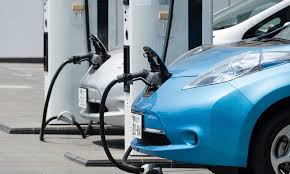
Lagos leads Nigeria’s electric mobility push with a growing network of public and commercial EV charging stations and battery swap points. Operators target fleets, motorcycle taxis (okada), and early adopters facing high fuel costs and traffic. The ecosystem mixes plug-in chargers and fast battery swaps, concentrated in business districts.
Here is the complete list compiled from available locations, focusing on commercial/public use:
Spiro Swap Stations (Battery-as-a-Service, Contact: 0700 009 7797, Most close 7 pm)
- 34 Mobolaji Johnson Ave, Oregun, Ikeja 101233
- 1 Bassie Ogamba St, Surulere 101241
- 54 Shasha Rd, Egbeda, Lagos 102213
- 19 Ayilara St
- 25b Bisola Durosinmi Etti Dr, Lekki
- 24 Addo Rd
- Lekki Beach Rd
- Towards Lagoon Front (H9JV+H8W area)
- And additional sites in high-traffic zones.
Spiro operates Battery-as-a-Service (BaaS) with automated swaps in under 2 minutes. Stations often use energy storage and renewables. The company has scaled aggressively in Lagos (part of over 100 stations nationwide targeting 1,000 by early 2026) and performed millions of swaps continent-wide, delivering major CO₂ savings and cost reductions for commercial users.
Qoray Charging Stations (Fast Plug-in, Contacts: 0809 975 5454 / 0813 305 9384, Most close 5 pm)
- 300 Adeola Odeku St, Victoria Island
- 20 Marina Rd
- Federal Palace Hotel & Casino (Victoria Island)
- Sheraton Lagos Hotel (Ikeja main car park)
- Marriott Hotel (Ikeja)
- Additional hotel and commercial sites.
Qoray focuses on DC fast charging (e.g., 45 minutes for significant range). Rates reportedly start around ₦300/kWh AC and ₦500/kWh DC.
Other Key Commercial Stations
- AMP Charging Station: Plot 5a, Block 8 Wumego Cres, Lekki Phase 1 (Closes 5 pm, 0708 774 2154). Described as “Very accessible EV charging station.”
- LumenCharge Solutions Limited: Water Corporation Dr (Open 24 hours, 0802 144 4013). “Best and Fast Electric Vehicle Charging Experience in Lagos.” Hybrid/solar setups.
- Ecowaka: 4/6 Kudirat Abiola Way (Closes 6 pm, 0816 800 2727). “Very nice and quiet environment 100%.”
- EcoGrid Systems Ltd: 30-32 Ojuelegba Rd (Closes 9 pm, 0815 099 0954).
- ZOOMe HQ: 42 Airport Rd (Closes 7:30 pm, 0704 449 7992).
- Jaypaulson Enterprise: St. Patrick Bus Stop, Electrical section (Closes 5:30 pm, 0816 324 8555).
- Additional spots: UNILAG Faculty of Engineering, Spar Ilupeju, Mega Plaza, MAX Lekki, etc.
Key Charging Hubs in Lagos
- Victoria Island: Marriott Hotel (Car Park B2), Federal Palace Hotel & Casino, Mega Plaza, Adeola Odeku Street.
- Ikeja: Sheraton Hotel (Main Car Park), Marriott Hotel, Jara Mall (Simbiat Abiola Way), NNPC Oregun.
- Lekki & Ikoyi: Wumego Crescent (Lekki Phase 1), MAX Lekki, Ajah (Addo Road), NNPC Alfred Rewane Road.
- Mainland: University of Lagos, Spar Ilupeju, Surulere, Egbeda, Ojuelegba, and multiple Spiro sites.
Charging Costs and Price Parameters Public plug-in charging varies by operator and speed:
- AC charging: ~₦300/kWh
- DC fast charging: ~₦400–₦500/kWh A typical full charge for a 40-60 kWh battery pack can cost ₦9,000 to ₦18,000+ depending on exact capacity, efficiency, and electricity band. Spiro’s swap model uses subscription/per-swap pricing, often delivering 40%+ lower operating costs per km compared to petrol for commercial riders. Home charging or Band A rates can be significantly cheaper. Always confirm current tariffs directly with operators as they can fluctuate.
The Issues
EV infrastructure in Lagos grows amid Nigeria’s unreliable grid, high import costs, and nascent policy framework. Battery swapping (Spiro model) best addresses range anxiety and downtime for high-utilization commercial users, while plug-in stations serve cars and fleets but require longer sessions and backup power. Coverage concentrates in affluent/commercial zones, leaving gaps elsewhere. Partnerships with hotels, malls, and fuel stations accelerate rollout, but long-term success needs standardization, dedicated tariffs, local assembly, and grid improvements. Users should verify plug types (Type 2, CCS, etc.) and real-time status.
What’s Being Said
Operators and users highlight convenience and savings. Spiro emphasizes fast swaps and sustainability. LumenCharge users praise speed and experience. Qoray stations are noted for accessibility in key areas. Broader feedback indicates EVs can cost under ₦3/km to operate versus higher petrol equivalents, with positive comments on quiet environments and reliability at sites like Ecowaka and AMP.
What’s Next
Spiro targets 1,000+ stations nationwide by early 2026. Other operators including Qoray, LUG West Africa (planning 250 points), and MAX continue expansions via hotel, mall, and public-private partnerships. Expect more 24-hour sites, app-based real-time locators, government incentives, and growth in four-wheeler support. Monitor operator websites and Google Maps for new additions.
The Bottom Line:
Lagos now offers a practical, expanding network of EV charging and battery swap stations that makes commercial electric mobility viable today, especially for two-wheelers via Spiro. Competitive per-kWh and swap costs deliver clear savings over petrol, but denser coverage, better grid support, and standardization are essential for mainstream adoption beyond current hubs. The ecosystem is accelerating rapidly.