





Key points
- Unyenge residents accuse oil firms of neglecting the community despite 17 years of operations.
- Protesters demand reconstruction of a collapsed bridge and implementation of an eight-point development agenda.
- Community leaders also raise concerns over pollution, poor infrastructure and limited employment opportunities.
Main story
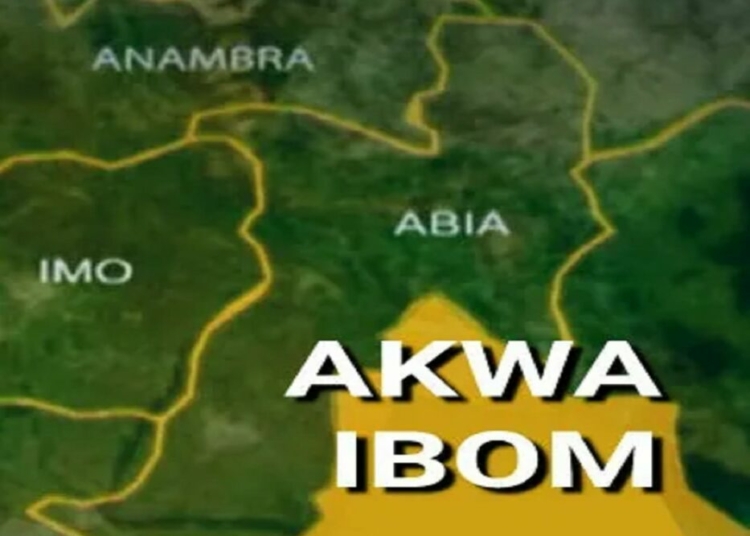
Residents of Unyenge community in Mbo Local Government Area of Akwa Ibom State on Thursday staged a protest over what they described as years of neglect by oil and gas companies operating in the area.
The protesters, led by the President of the Unyenge Youth Council, Mr Joseph Timothy, demanded the immediate reconstruction of a collapsed bridge linking Unyenge Village and Unyenge Beach to the companies’ operational base, alongside the implementation of an eight-point development agenda.
Timothy said the bridge collapsed on Oct. 15, 2025, after a heavily loaded company truck crossed it, adding that it has remained unrepaired despite repeated appeals by the community’s Council of Chiefs.
According to him, although the companies promised to rebuild the bridge in December, the commitment has yet to be fulfilled. He said the firms now use a pontoon for access to their operations but do not permit residents to use it, forcing community members to travel by boat at a cost of about ₦1,500 per trip.
The protesters also demanded the construction of motorable roads, increased employment opportunities for indigenes, improved staff welfare, implementation of environmental impact assessment recommendations, higher security surveillance contracts and the abandonment of plans to establish a fly camp across the bridge.
Timothy said the demands were directed at Savannah Energy Nigeria Limited and its contractors, including Tulcan Energy Resources Limited, Shimao and Jeosco.
He insisted that production activities should not continue until the companies address the community’s concerns.
Residents also alleged that gas flaring and oil pollution have affected public health, contaminated water sources and reduced agricultural productivity.
Speaking during the protest, community member Mrs Nkoyo Etim said residents lack basic amenities such as healthcare facilities, potable water, good roads and a functional market.
She added that women who previously earned income through vegetation-clearing jobs around the companies’ fly camp were no longer engaged.
Representing the Village Council, Chief Godwin Matthew said the community had experienced years of neglect despite hosting oil and gas operations. He called on the companies to improve infrastructure, address environmental concerns and strengthen engagement with residents.
Efforts to obtain comments from Savannah Energy were unsuccessful, as the company’s Community Manager, Mrs Arit Bassey, neither answered phone calls nor responded to text messages before press time.
The issues
Host community relations remain a recurring challenge in Nigeria’s oil-producing regions. While companies are expected to support local development and environmental management, disputes over infrastructure, employment, pollution and community benefits continue to trigger protests and operational disruptions.
What’s being said
“Since the collapse of the bridge on Oct. 15 last year, nothing has been done to reconstruct it.” — Joseph Timothy, President, Unyenge Youth Council.
“We are demanding that the companies address these issues before carrying out further production activities in our community.” — Joseph Timothy, President, Unyenge Youth Council.
“We do not have a hospital, potable water, good roads or a functional market.” — Nkoyo Etim, resident of Unyenge community.
What’s next
The community says it will maintain pressure on the companies until reconstruction of the bridge begins and discussions commence on its broader development demands. Attention will also turn to whether Savannah Energy responds publicly to the allegations.
Bottom line
The protest highlights the continuing tension between host communities and oil operators, underscoring the importance of sustained infrastructure investment, environmental stewardship and meaningful community engagement in Nigeria’s energy-producing regions.